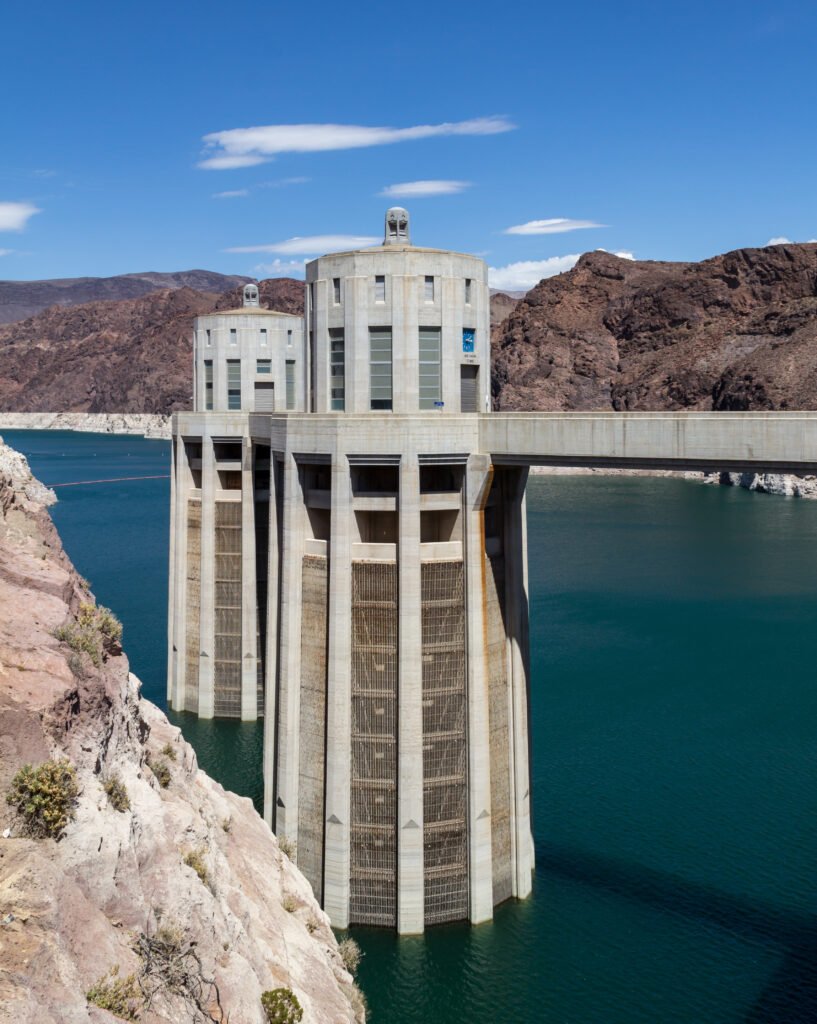
A dam is a barrier built across a river or stream to hold back water, creating a reservoir that can be used for water supply, irrigation, flood control, hydroelectric power generation, or a combination of these purposes. Dams rank among the largest structures civil engineers build, since they must hold back enormous volumes of water
Dam Read More »
A barrier built across a river to hold back water for water supply, flood control, irrigation, or hydroelectric power.
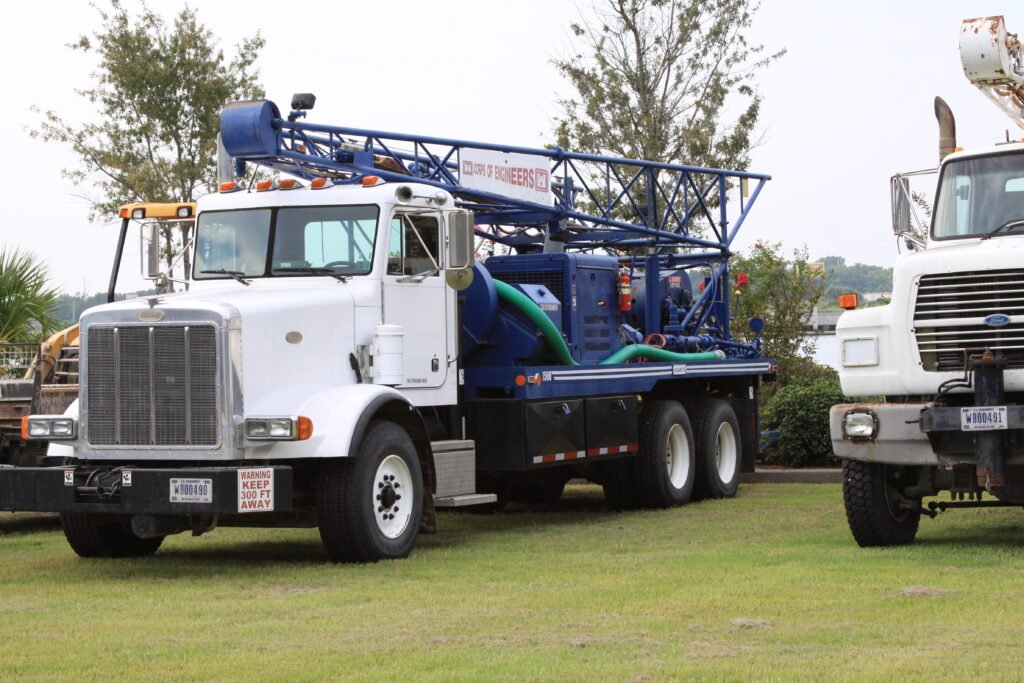
Geotechnical engineering is the branch of civil engineering that studies the behavior of soil, rock, and groundwater and uses that understanding to design the parts of a structure that sit below ground or in contact with the earth. Every building, bridge, dam, tunnel, and road ultimately rests on the ground, so before engineers can finalize
Geotechnical engineering Read More »
The branch of civil engineering that studies soil, rock, and groundwater behavior to design safe foundations and earthworks.
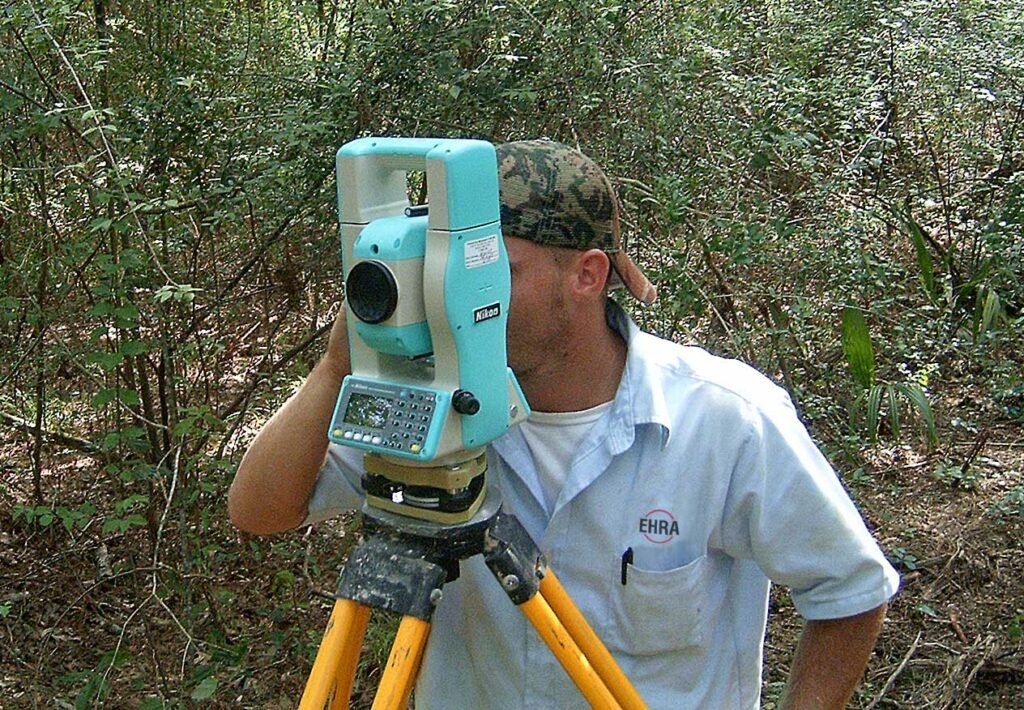
Land surveying is the practice of precisely measuring and mapping the position, elevation, and boundaries of points on the earth’s surface, providing the accurate spatial data that construction, property transactions, and infrastructure planning all depend on. Before any major building project begins, surveyors establish exactly where a structure will sit, how the land slopes, and
Land surveying Read More »
The practice of precisely measuring and mapping the position, elevation, and boundaries of points on the earth surface.
In simple terms Reinforced concrete is concrete with steel bars or mesh embedded inside it before the concrete sets. [1] The combination pairs two materials with opposite strengths: concrete resists being compressed very well, and steel resists being stretched, or pulled under tension, very well. How it works Plain concrete is strong when squeezed but
Reinforced concrete Read More »
Reinforced concrete is concrete with steel bars or mesh embedded inside it, combining concrete's strength under compression with steel's strength under tension.
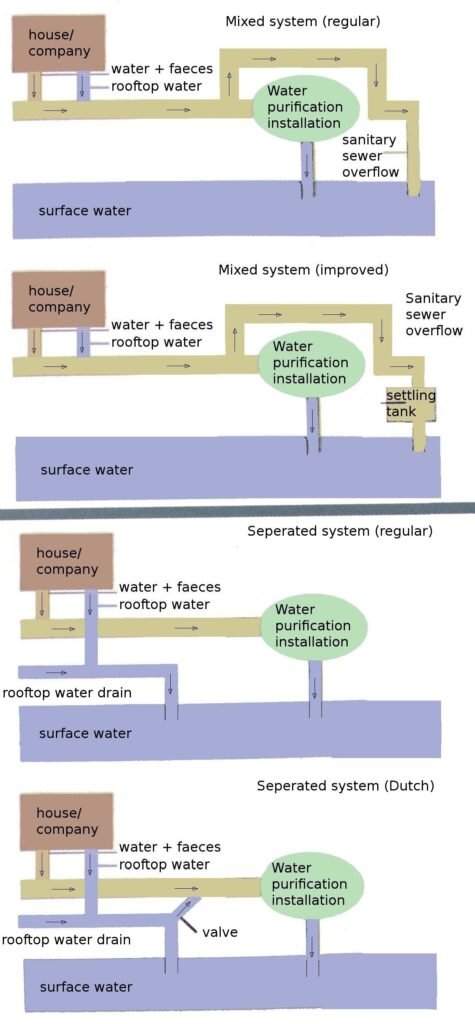
A sewer system is a network of underground pipes that collects wastewater from homes, businesses, and sometimes stormwater runoff, and carries it to a treatment plant or, in some older systems, directly to a natural waterway. Sewer systems rank among the most essential pieces of urban infrastructure, since they protect public health by removing waste
Sewer system Read More »
A network of underground pipes that collects wastewater from buildings and carries it to treatment or disposal.
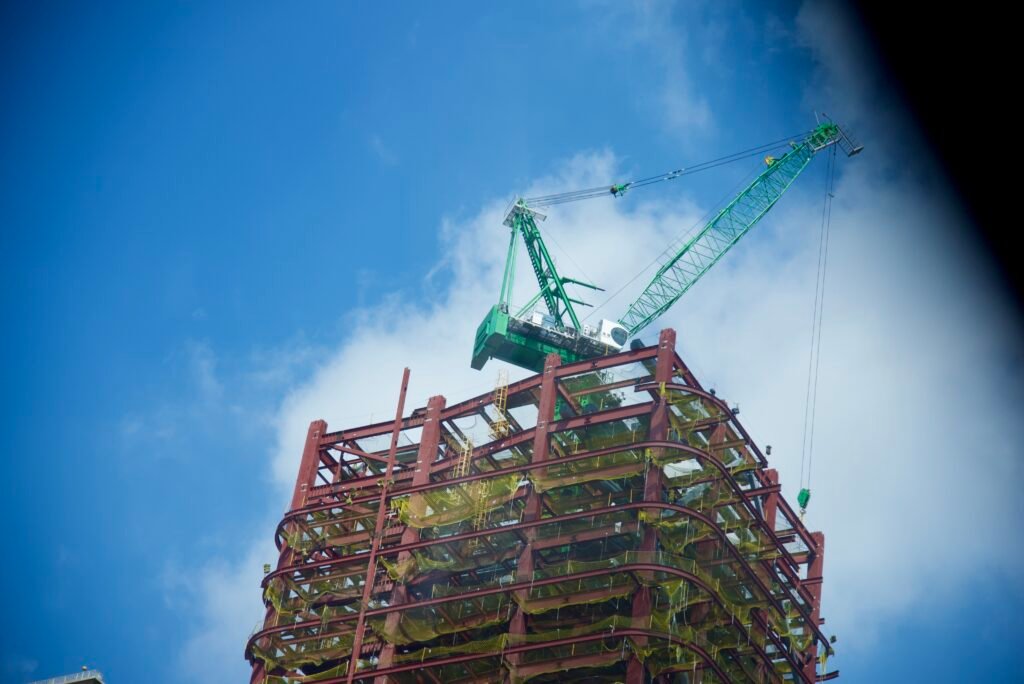
Structural engineering is the branch of civil engineering focused on designing the skeleton of buildings, bridges, towers, and other structures so that they safely carry their own weight, the people and objects inside them, and forces such as wind, snow, and earthquakes. A structural engineer’s central task is translating an architect’s or planner’s vision into
Structural engineering Read More »
The branch of civil engineering that designs the load-bearing systems of buildings, bridges, and towers.
In simple terms A suspension bridge hangs its roadway, called the deck, from cables strung between two or more tall towers. [1] Thinner vertical cables, called suspenders, connect the deck to a pair of main cables that sweep down from each tower and are anchored firmly into the ground or bedrock at both ends of
Suspension bridge Read More »
A suspension bridge hangs its roadway from cables strung between tall towers, with the cables anchored into the ground at each end.
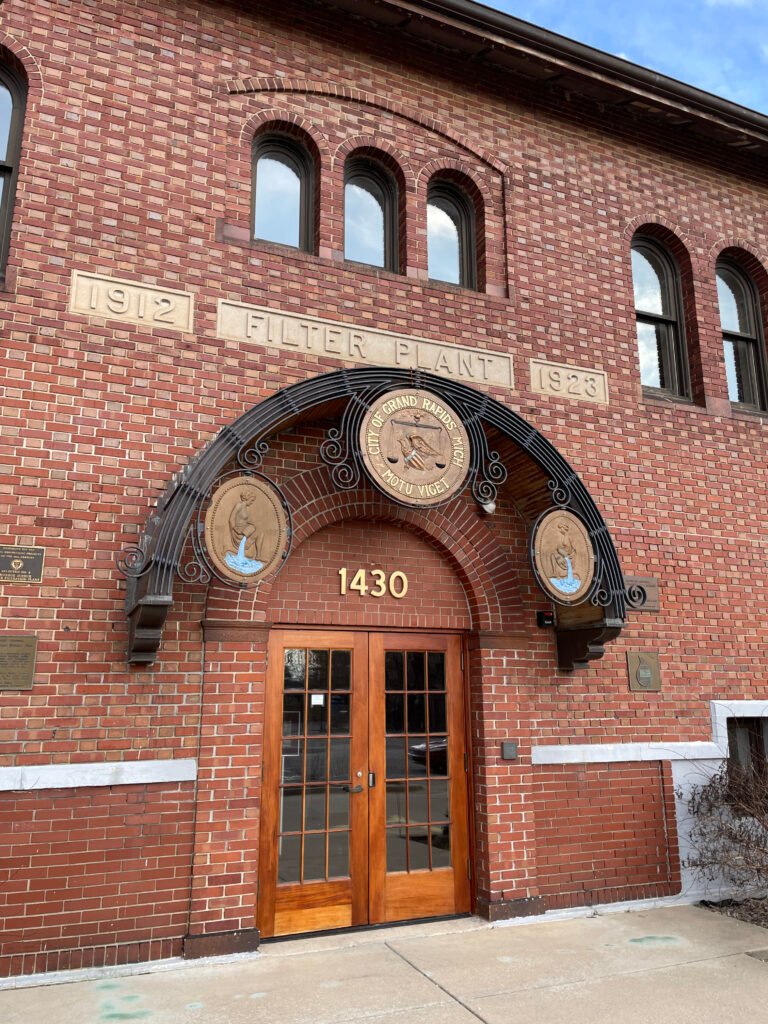
Water treatment is the set of physical, chemical, and biological processes used to make water safe to drink, safe to discharge into the environment, or suitable for industrial use. Civil and environmental engineers design water treatment systems for two broad purposes: drinking water treatment, which removes pathogens, chemicals, and particles from a raw water source
Water treatment Read More »
The physical, chemical, and biological processes used to make water safe to drink or safe to return to the environment.