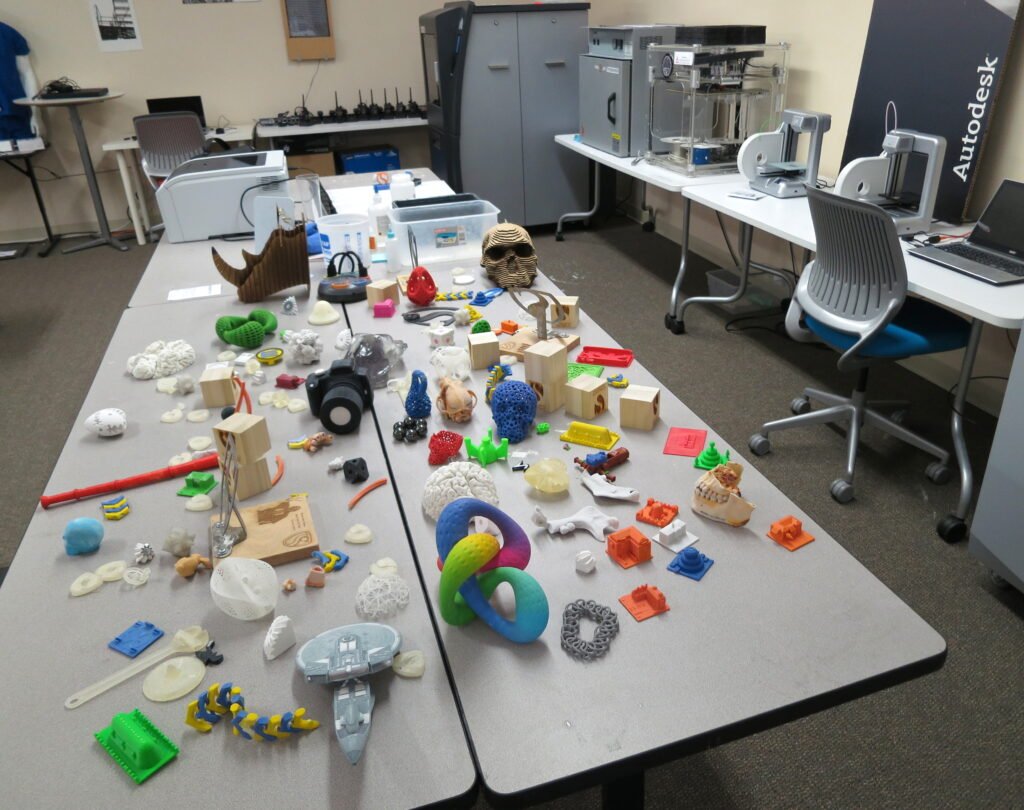
3D printing, also called additive manufacturing, is a family of processes that build a physical object from a digital design by adding material layer by layer. It contrasts with subtractive manufacturing, such as drilling, which makes a part by cutting material away. The technique is used for prototypes, tools and, increasingly, finished parts in medicine,
3D printing Read More »
A set of manufacturing processes that build a physical object from a digital design by adding material layer by layer.
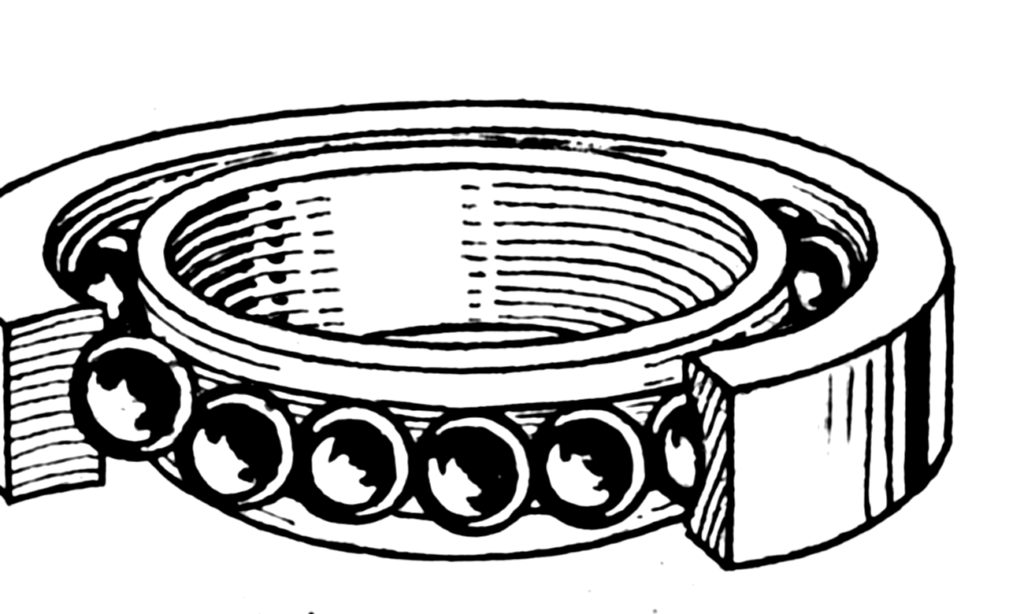
A bearing is a machine element that constrains relative motion between two parts to only the desired type of movement, typically rotation or straight-line sliding, while reducing the friction between them. Nearly every machine with moving parts relies on bearings somewhere, from the wheels of a car to the spinning platter inside a hard drive
Bearing (mechanical) Read More »
A machine element that supports a load while allowing smooth, low-friction relative motion between parts.
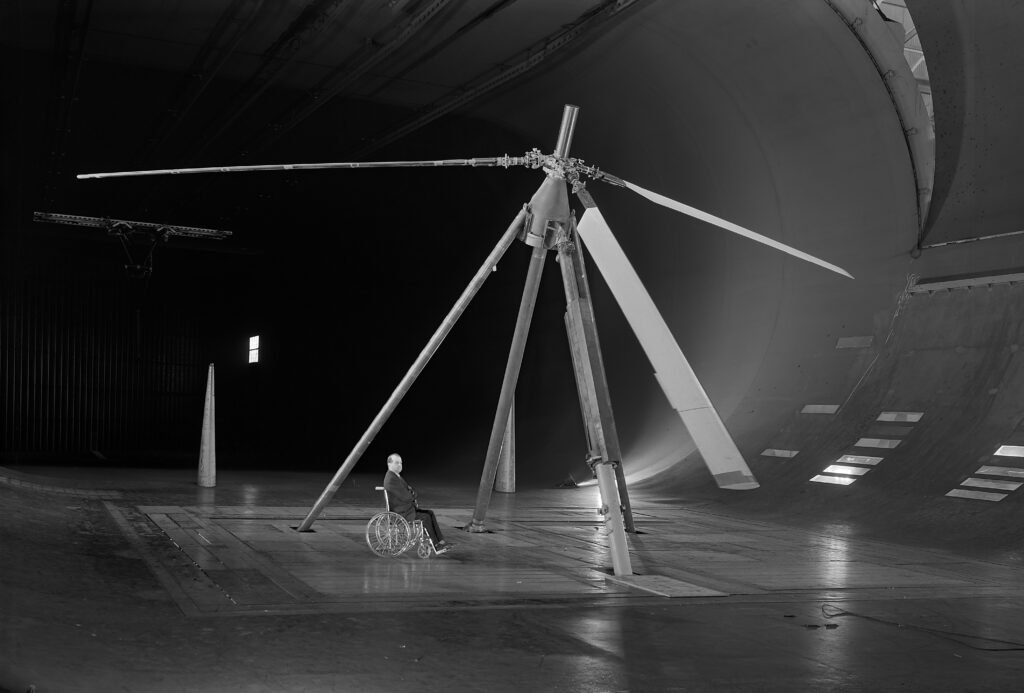
Fluid mechanics is the branch of mechanical engineering and physics that studies how liquids and gases behave when at rest or in motion, and how they interact with solid objects and boundaries around them. It underlies the design of aircraft wings, ship hulls, pipelines, pumps, and weather prediction models, making it one of the most
Fluid mechanics Read More »
The branch of engineering and physics that studies how liquids and gases behave at rest and in motion.
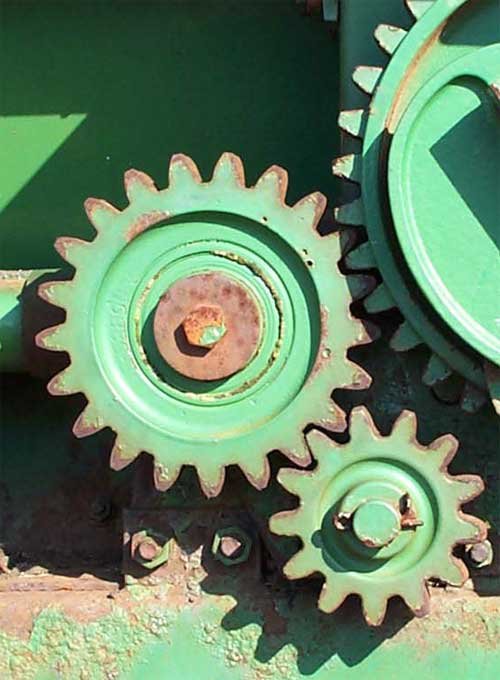
A gear is a rotating mechanical component with cut teeth that mesh with the teeth of another gear to transmit torque and rotational motion from one shaft to another, typically while changing speed, direction, or torque in a precisely predictable ratio. Gears are among the oldest mechanical devices still in continuous use, appearing in forms
Gear Read More »
A toothed mechanical component that meshes with another to transmit rotational motion and torque.
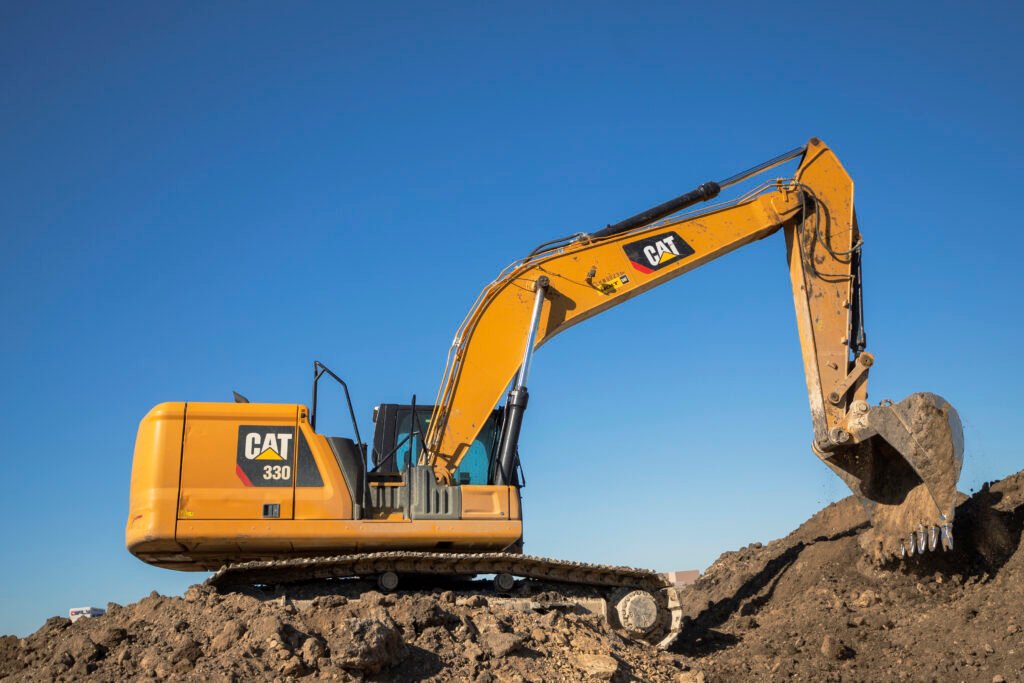
Hydraulics is the branch of mechanical engineering that uses pressurized liquid, almost always a specialized oil, to transmit force and generate motion in machines. Hydraulic systems power equipment ranging from excavators and cranes to aircraft landing gear and the brakes in nearly every car, valued across industries for their ability to generate enormous, precisely controllable
Hydraulics Read More »
The branch of mechanical engineering that uses pressurized liquid to transmit force and generate motion in machines.
In simple terms An internal combustion engine generates power by burning a fuel-air mixture inside a set of enclosed cylinders, rather than burning fuel externally to heat a separate working fluid. [1] The pressure from that burning mixture pushes a piston, and the engine converts that push into rotation. How it works Most car engines
Internal combustion engine Read More »
An internal combustion engine generates power by burning a fuel-air mixture inside enclosed cylinders, using the resulting pressure to push pistons and turn a crankshaft.
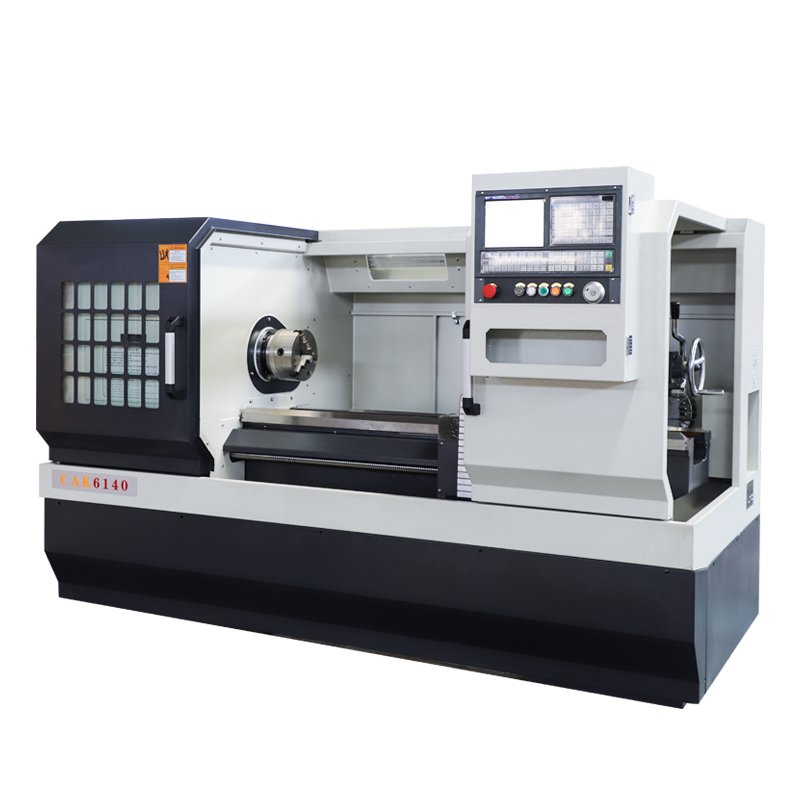
Machining is a manufacturing process that removes material from a solid workpiece using a cutting tool to produce a part with a precise, predetermined shape and size. Unlike additive processes that build a part up layer by layer, machining is fundamentally subtractive, starting with a block, rod, or casting larger than the finished part and
Machining Read More »
A subtractive manufacturing process that removes material from a workpiece to produce a precise shape.
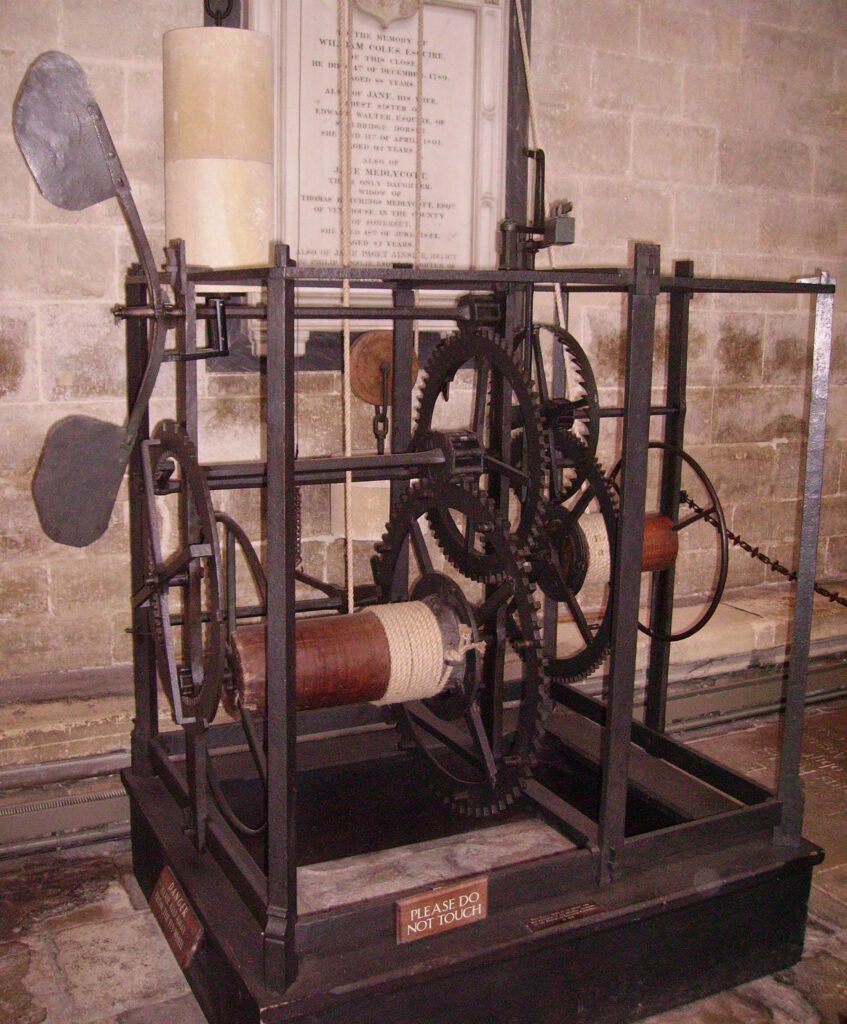
A mechanical clock is a timekeeper driven by a falling weight or a coiled spring and regulated by an escapement, a device that releases the stored energy in small, equal steps. Large weight-driven mechanical clocks first appeared in the towers of Italian cities in the first half of the 14th century, and the maker of
Mechanical clock Read More »
A timekeeper driven by a weight or spring and regulated by an escapement, first built in Italian church towers in the early 1300s.
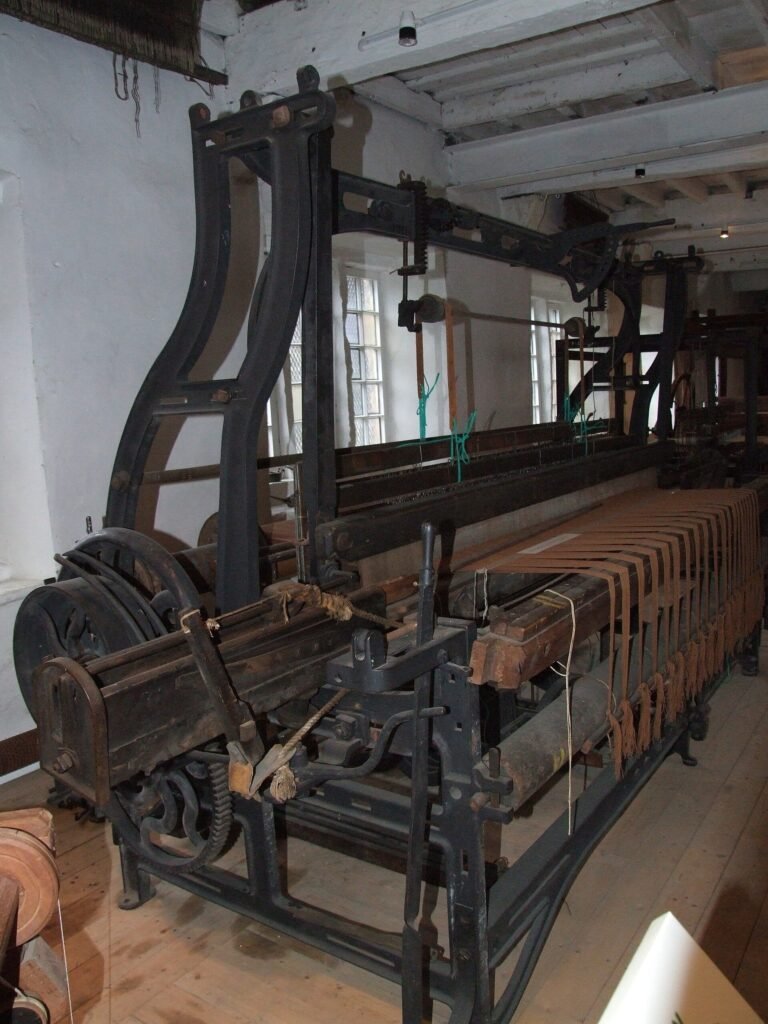
A power loom is a weaving machine driven by mechanical power, such as water or steam, instead of by the weaver’s muscles. The English clergyman Edmund Cartwright patented the first one in 1785, and later looms made large-scale cloth production possible. History of the power loom People have woven cloth for thousands of years. A
Power loom Read More »
A weaving machine driven by water, steam or other mechanical power, first patented by Edmund Cartwright in 1785.
A refrigerator is an appliance that keeps food and other goods cold by moving heat out of an insulated cabinet. It developed gradually in the nineteenth and early twentieth centuries from commercial cooling machines, and the sources reviewed for this entry do not credit any single person with inventing it. Household refrigerators became common only
Refrigerator Read More »
An appliance that keeps food cold by moving heat out of an insulated cabinet, developed gradually from commercial cooling machines.