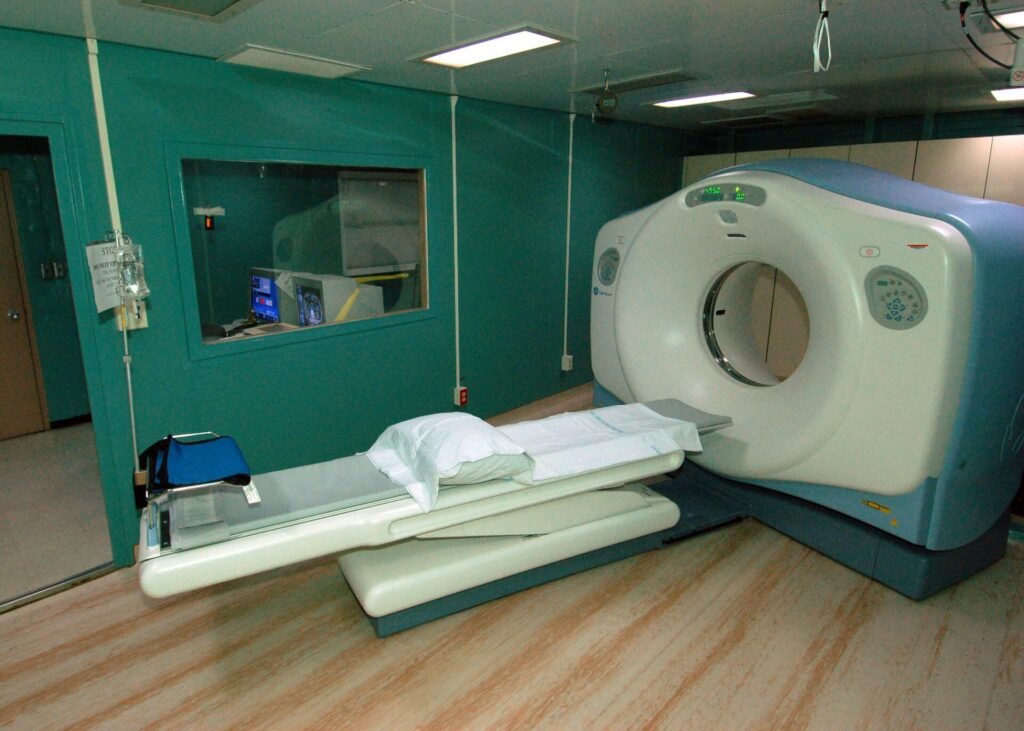
Computed tomography, or CT, is a medical imaging technique that uses a rotating X-ray source and a computer to produce cross-sectional pictures of the body. Each image is a thin slice, and slices can be combined into three-dimensional views of organs, bones, blood vessels and other tissues. History of computed tomography CT grew out of
Computed tomography Read More »
Computed tomography uses a rotating X-ray source and a computer to build cross-sectional images, or slices, of the body.
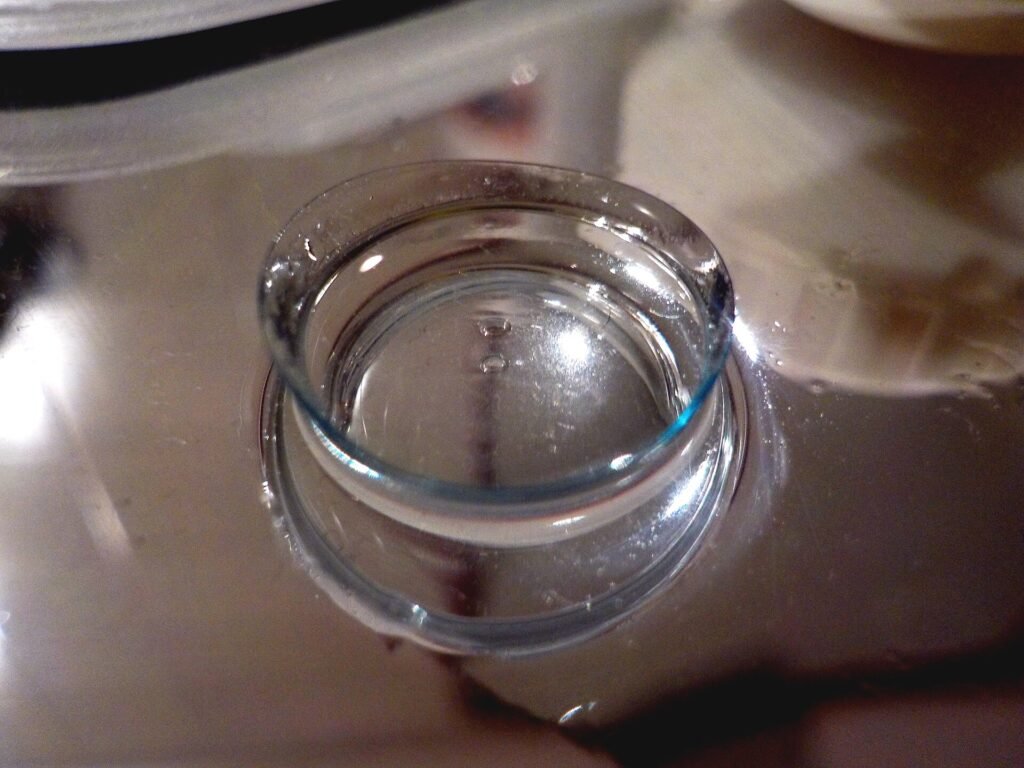
A contact lens is a thin lens worn on the eye to correct vision, and the Czech chemist Otto Wichterle is credited with the soft hydrogel lens that most wearers use today. The U.S. Food and Drug Administration (FDA) groups lenses into two general categories, soft and rigid gas permeable. The history involves several earlier
Contact lens Read More »
A contact lens is a thin lens worn on the eye to correct vision, with soft hydrogel versions developed by Otto Wichterle.
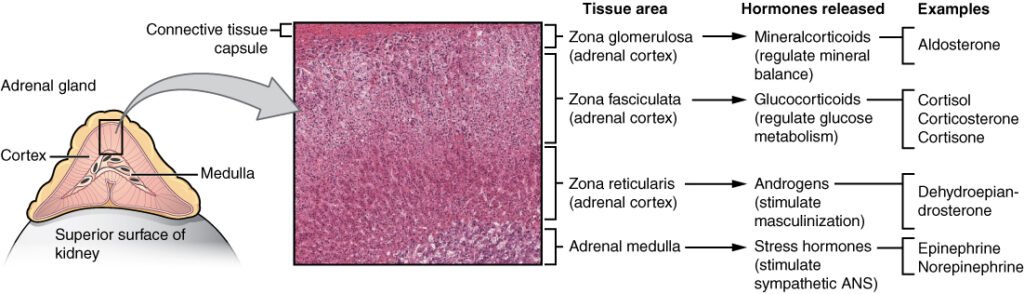
Cortisol is a steroid hormone produced by the adrenal glands, two small glands located above the kidneys, that plays a central role in the body’s response to stress while also regulating a wide range of everyday physiological processes including blood sugar levels, metabolism, inflammation, and the sleep-wake cycle. Often called the body’s primary stress hormone,
Cortisol Read More »
A steroid hormone produced by the adrenal glands that regulates stress response, metabolism, and daily rhythms.
A defibrillator is a medical device that delivers an electric shock to the heart to stop a dangerous rhythm and give the heart a chance to resume a normal beat. The National Heart, Lung, and Blood Institute (NHLBI) describes defibrillators as devices that apply an electric charge or current to the heart to restore a
Defibrillator Read More »
A medical device that delivers an electric shock to the heart to stop a dangerous rhythm and let a normal beat resume.
Delayed onset muscle soreness, commonly abbreviated as DOMS, is the pain and stiffness felt in muscles typically beginning twelve to twenty-four hours after unaccustomed or unusually intense physical activity, peaking around twenty-four to seventy-two hours afterward before gradually resolving. It is especially common after exercises involving eccentric muscle contractions, in which a muscle lengthens while
Delayed onset muscle soreness Read More »
Muscle pain and stiffness that develops in the day or two following unaccustomed or intense exercise.
Clinical depression, formally known as major depressive disorder, is a mental health condition characterized by persistent low mood, loss of interest or pleasure in activities a person previously enjoyed, and a range of accompanying physical and cognitive symptoms that together significantly impair daily functioning for a sustained period, typically at least two weeks. It is
Depression (clinical) Read More »
A mental health condition involving persistent low mood and loss of interest that significantly impairs daily functioning.
Diabetes mellitus is a group of chronic metabolic disorders characterized by elevated blood glucose levels resulting from defects in insulin production, insulin action, or both. Left unmanaged, persistently high blood sugar damages blood vessels and nerves throughout the body over time, making diabetes a leading cause of heart disease, kidney failure, vision loss, and lower-limb
Diabetes mellitus Read More »
A group of chronic metabolic disorders marked by elevated blood glucose from defects in insulin production or action.
Dietary fiber is a type of carbohydrate found in plant foods that the human digestive system cannot fully break down and absorb, distinguishing it from other carbohydrates that are digested into glucose for energy. Rather than being absorbed for calories, most fiber passes largely intact through the small intestine and reaches the large intestine, where
Dietary fiber Read More »
A type of plant carbohydrate the body cannot fully digest, important for digestive and metabolic health.
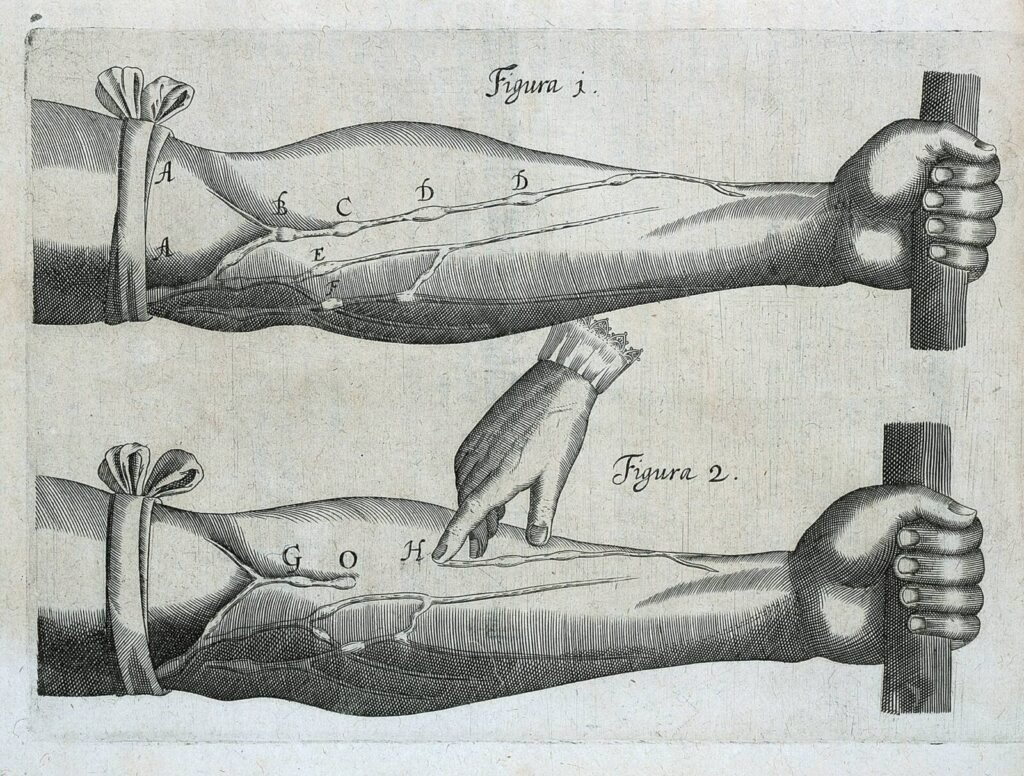
The discovery of blood circulation was the demonstration, published by the English physician William Harvey in 1628, that the heart pumps blood in a continuous loop around the body. Before Harvey, most physicians believed the body made blood from food and used it up. His short book De Motu Cordis overturned a view of the
Discovery of blood circulation Read More »
Seventeenth-century demonstration by William Harvey that the heart pumps blood in a continuous circuit around the body.
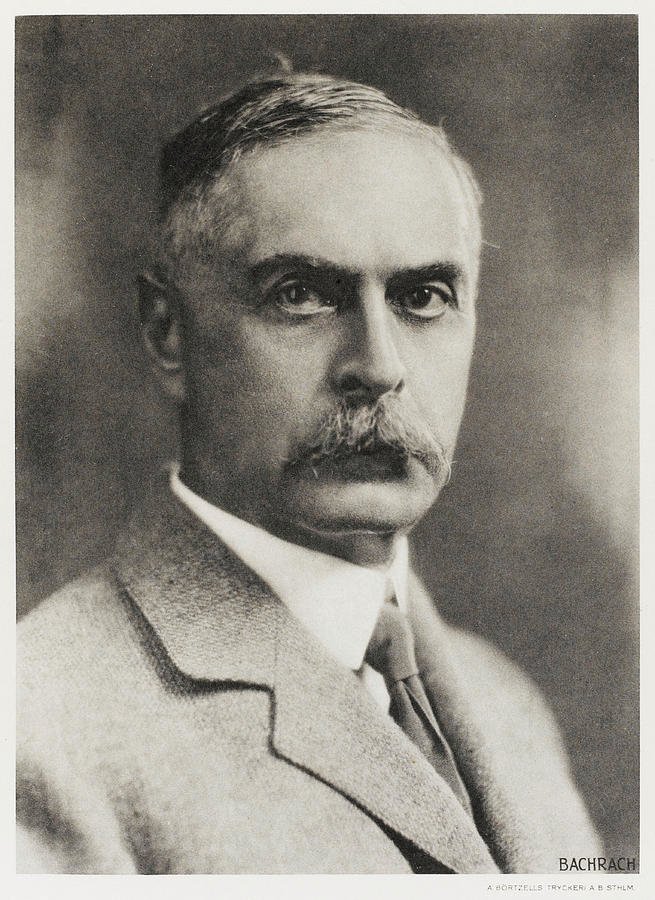
The discovery of blood types was Karl Landsteiner’s finding in 1901 that human blood falls into distinct groups, now called the ABO system, because the red blood cells of some people clump when mixed with the blood serum of others. It explained why many early transfusions failed, made safe transfusion possible and earned him the
Discovery of blood types Read More »
The 1901 finding by Karl Landsteiner that human blood falls into groups, which explained failed transfusions and made safe transfusion possible.