Eyeglasses, also called spectacles, are lenses mounted in a frame and worn in front of the eyes to improve sight. The first spectacles with convex lenses were most likely made in Pisa, Italy, around 1286, and the name of their maker has not survived. History of eyeglasses Historians have found no firm evidence that people
Eyeglasses Read More »
Lenses in a frame worn to improve sight, first made in Pisa, Italy, around 1286 by a maker whose name is unknown.
The first human heart transplant was performed by the South African surgeon Christiaan Barnard at Groote Schuur Hospital in Cape Town during the night of December 2 and 3, 1967. The recipient, 53-year-old Louis Washkansky, received the heart of Denise Darvall, a 25-year-old woman who had been fatally injured in a traffic accident. Washkansky died
First human heart transplant (1967) Read More »
The operation performed by Christiaan Barnard in Cape Town on December 3, 1967, in which a donor heart was transplanted into a patient.
Florence Nightingale (1820 to 1910) was an English nurse, reformer and statistician who is regarded as the founder of modern nursing. She became famous for her work in army hospitals during the Crimean War and later used data and public campaigns to improve sanitation, hospital design and nurse training. Early life of Florence Nightingale Florence
Florence Nightingale Read More »
Florence Nightingale was an English nurse and statistician who founded modern nursing after her work in Crimean War hospitals.
In simple terms A GLP-1 receptor agonist is a medicine that copies the action of GLP-1, short for glucagon-like peptide-1. GLP-1 is a hormone the gut releases after a meal. These medicines were first used for type 2 diabetes. Some are now also approved for long-term weight management in people with obesity. Well-known examples include
GLP-1 receptor agonist Read More »
A GLP-1 receptor agonist is a medicine that mimics a gut hormone to lower blood sugar and appetite, used for type 2 diabetes and obesity.
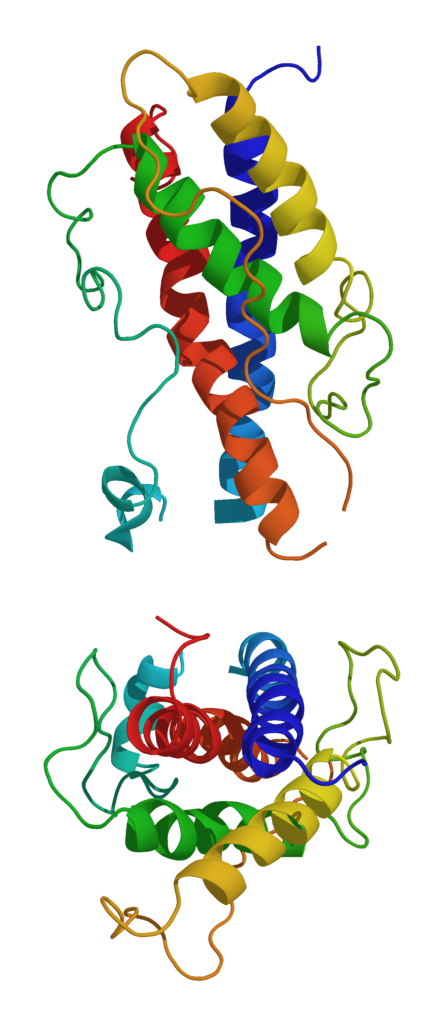
Growth hormone, also called somatotropin, is a hormone produced and released by the pituitary gland that stimulates growth, cell reproduction, and cell regeneration throughout the body. Beyond its well-known role in childhood growth, growth hormone continues to influence metabolism, muscle and bone health, and body composition throughout adulthood, making it relevant to a much broader
Growth hormone Read More »
A pituitary hormone that stimulates growth, cell reproduction, and metabolism throughout life.
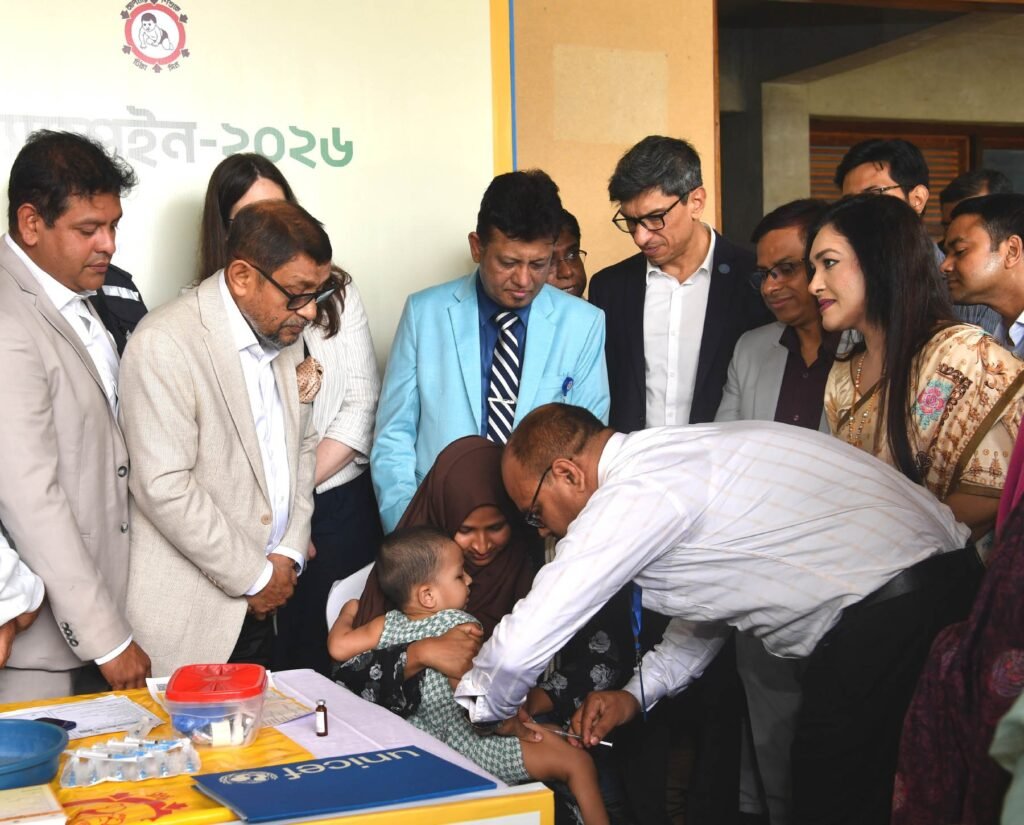
In simple terms Herd immunity, also called population immunity, is the indirect protection that reaches people once enough of those around them are immune to a disease. The immunity itself comes from vaccination or from previous infection. WHO supports reaching it through vaccination, not by allowing a disease to spread through a population. How it
Herd immunity Read More »
Herd immunity is the indirect protection people get from an infectious disease once enough of the population around them is immune.
Hydration refers to the body’s water balance, maintained through a continuous exchange between fluid intake from drinking and food, and fluid loss through urine, sweat, breathing, and other bodily processes. Water makes up roughly half to three-fifths of total body weight in adults and plays an essential role in nearly every physiological process, including regulating
Hydration Read More »
The body's water balance, maintained through fluid intake and loss, essential to nearly every physiological process.
In simple terms Blood pressure is the force of blood pushing against the walls of your blood vessels. Hypertension means that force stays too high over time. Most people with hypertension feel nothing at all. That is why a measurement is the only reliable way to find out. How it works A reading has two
Hypertension Read More »
Hypertension is blood pressure that stays too high over time, straining the heart, blood vessels, brain and kidneys.
In simple terms Hypotension is the medical term for low blood pressure. It means blood is moving through the vessels at a lower pressure than usual. The US National Heart, Lung, and Blood Institute puts the line at a reading below 90/60 mmHg, against a normal adult figure usually below 120/80 mmHg. How it works
Hypotension Read More »
Hypotension is the medical term for low blood pressure, generally a reading below 90/60 mmHg, which may or may not cause symptoms.
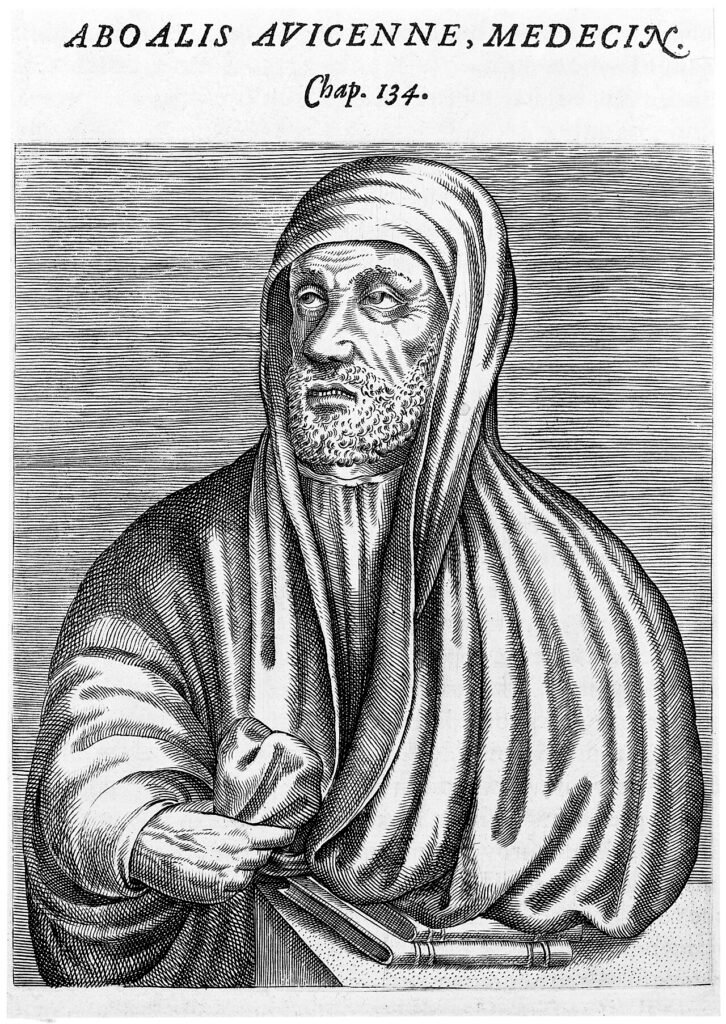
Ibn Sina (c. 980 to 1037), known in Europe as Avicenna, was a Persian physician and philosopher who worked at the courts of several rulers in Central Asia and Iran. His Canon of Medicine and Book of Healing became standard reference works across the Islamic world and in medieval Europe. Early life of Ibn Sina
Ibn Sina Read More »
Ibn Sina, called Avicenna in Europe, was a Persian physician and philosopher who wrote the Canon of Medicine and the Book of Healing.