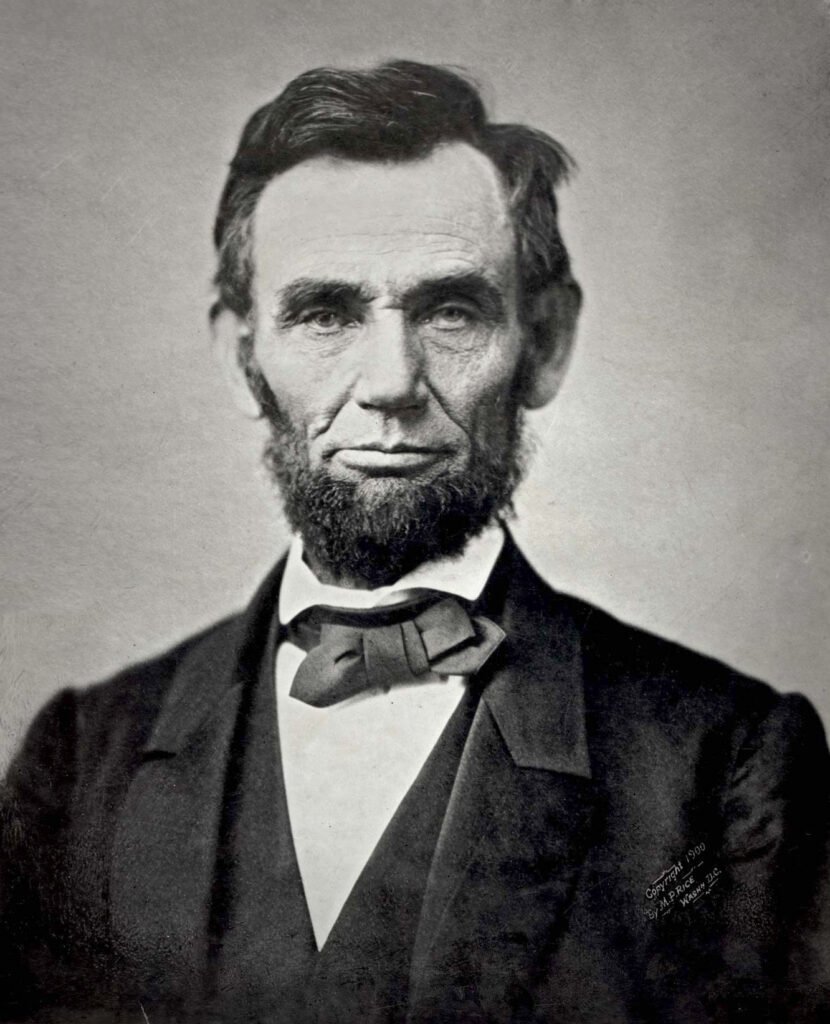
Abraham Lincoln (1809 to 1865) was the sixteenth president of the United States, serving from 1861 until his assassination in 1865. He led the country through the Civil War, issued the Emancipation Proclamation and supported the Thirteenth Amendment, which abolished slavery. He was shot on 14 April 1865 and died the next morning. Early life
Abraham Lincoln Read More »
Sixteenth president of the United States who led the Union through the Civil War and issued the Emancipation Proclamation.
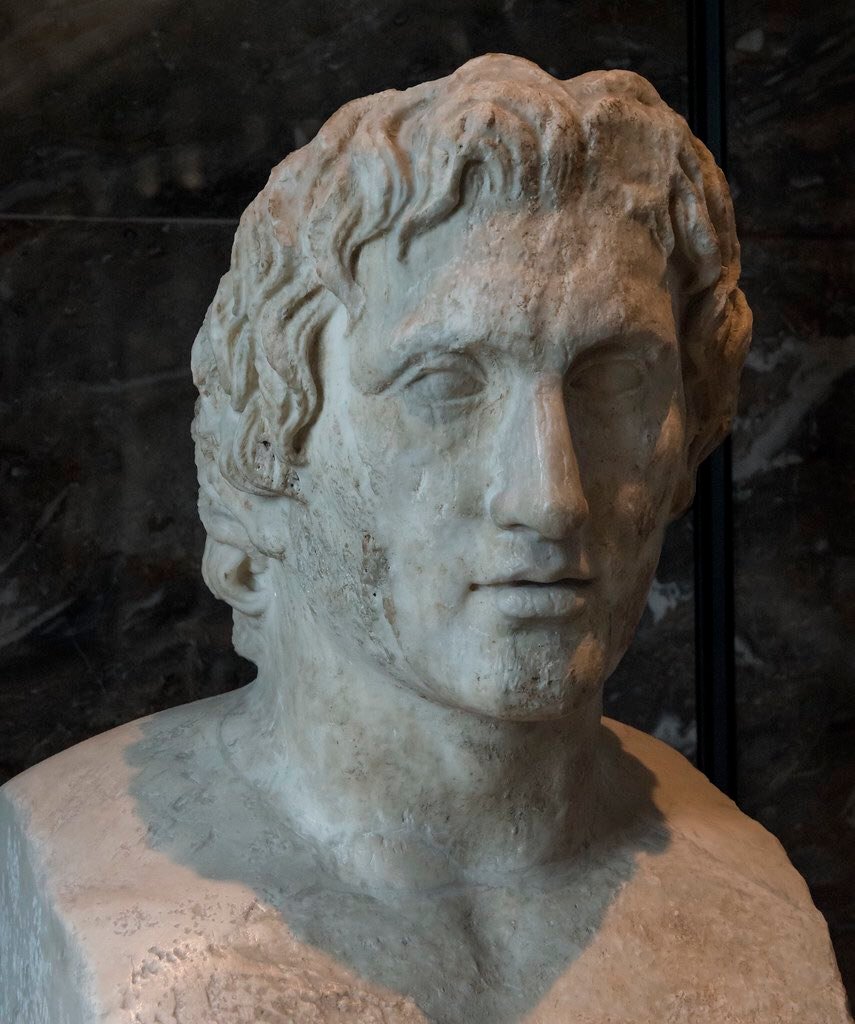
Alexander the Great, or Alexander III of Macedon, was a king who lived from 356 BCE to 323 BCE and conquered the Persian Empire. Beginning as king of Macedonia in 336 BCE, he led his army through Anatolia, Egypt, Mesopotamia and Persia to the Indus valley before his death in Babylon. His campaigns spread Greek
Alexander the Great Read More »
Macedonian king (356 to 323 BCE) who conquered the Persian Empire and spread Greek culture from Egypt to the Indus valley.
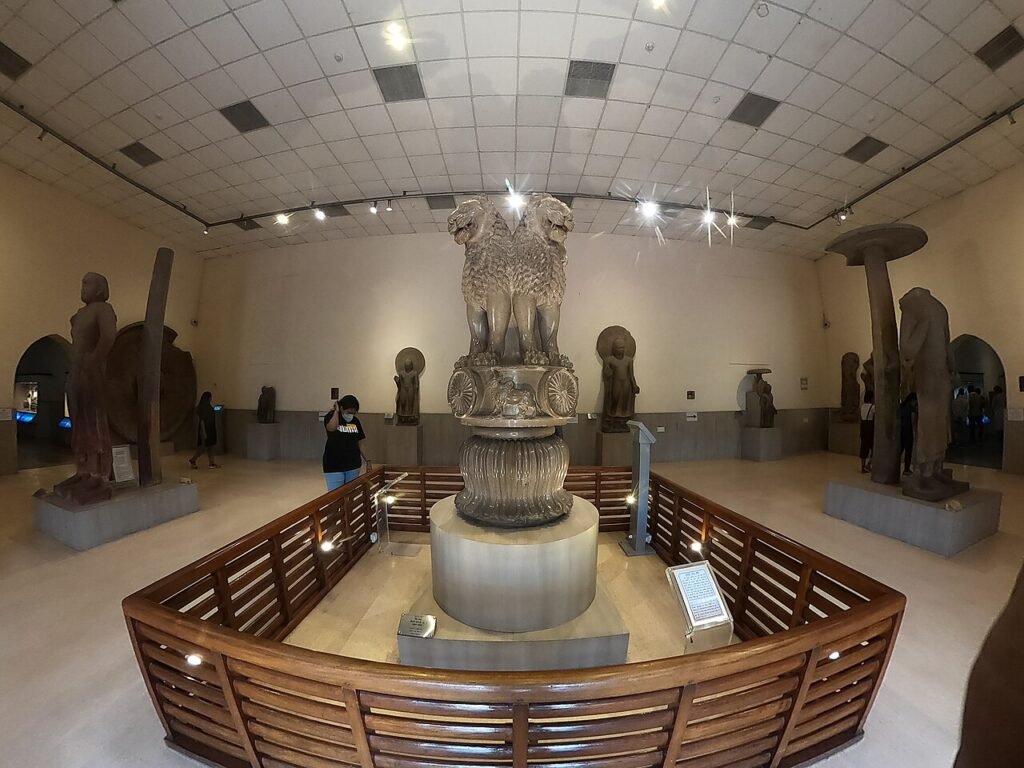
Ashoka (reigned about 268 to 232 BCE), also spelled Asoka, was the third emperor of the Maurya dynasty and ruled most of the Indian subcontinent from his capital at Pataliputra. He is remembered for expressing regret over a brutal war, for promoting a code of ethical conduct called dhamma, and for supporting the spread of
Ashoka Read More »
Ashoka was the third Maurya emperor of India, who ruled about 268 to 232 BCE and promoted ethical rule and Buddhism after the Kalinga War.
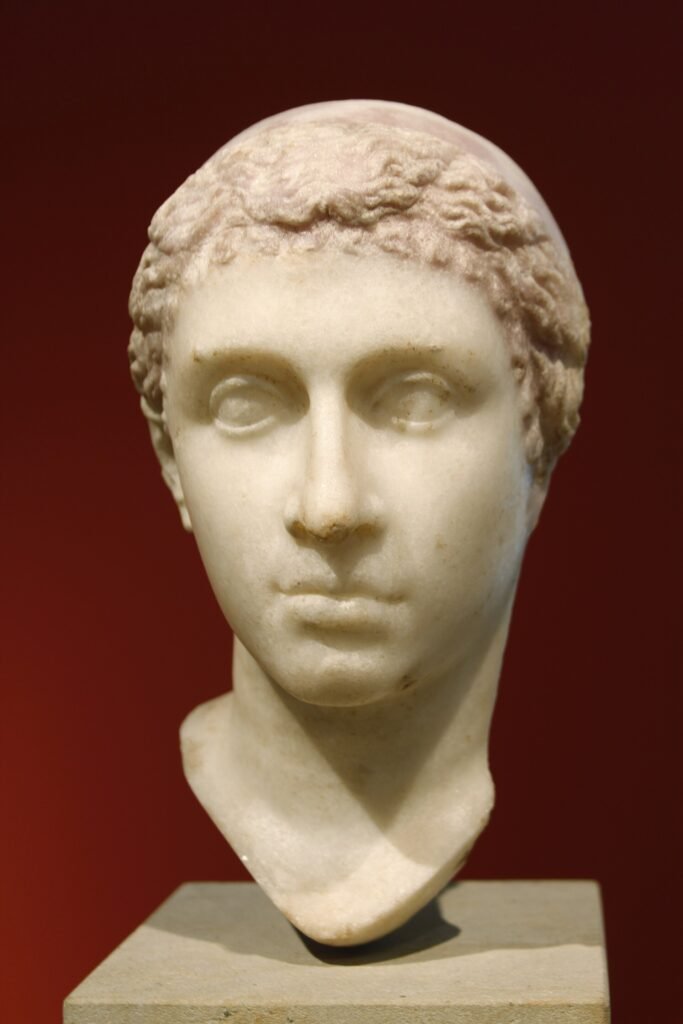
Cleopatra VII was the last active ruler of Ptolemaic Egypt, reigning from 51 BCE until her death in 30 BCE. Born into the Macedonian Greek dynasty founded by one of the generals of Alexander the Great, she presented herself as an Egyptian queen, and her alliances with the Roman leaders Julius Caesar and Mark Antony
Cleopatra Read More »
Last active ruler of Ptolemaic Egypt (69 to 30 BCE) whose alliances with Julius Caesar and Mark Antony ended in Egypt becoming a Roman province.
The Cold War was a prolonged period of geopolitical tension and rivalry, running roughly from 1947 to 1991, between the United States and the Soviet Union and their respective allies. It was called a “cold” war because the two superpowers never fought each other directly in large-scale open combat, instead competing through military buildups, proxy
Cold War Read More »
A prolonged geopolitical rivalry from 1947 to 1991 between the United States and the Soviet Union, fought through proxy wars and ideology rather than direct combat.
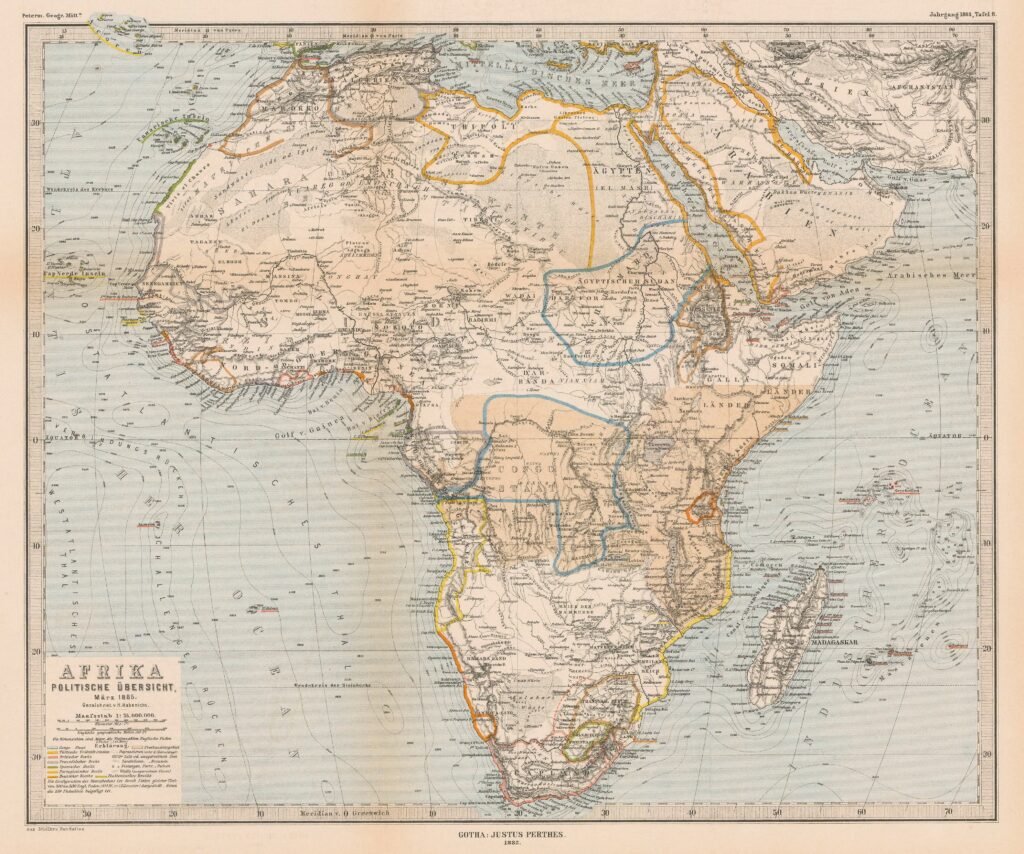
Colonialism is the practice by which a state extends political, economic, and often settlement control over a foreign territory and its people, typically subordinating the colonized population’s own institutions, resources, and sovereignty to the interests of the colonizing power. It is closely related to, but not identical with, imperialism, a broader term for domination of
Colonialism Read More »
The practice by which a state extends political, economic, and settlement control over a foreign territory and its people.
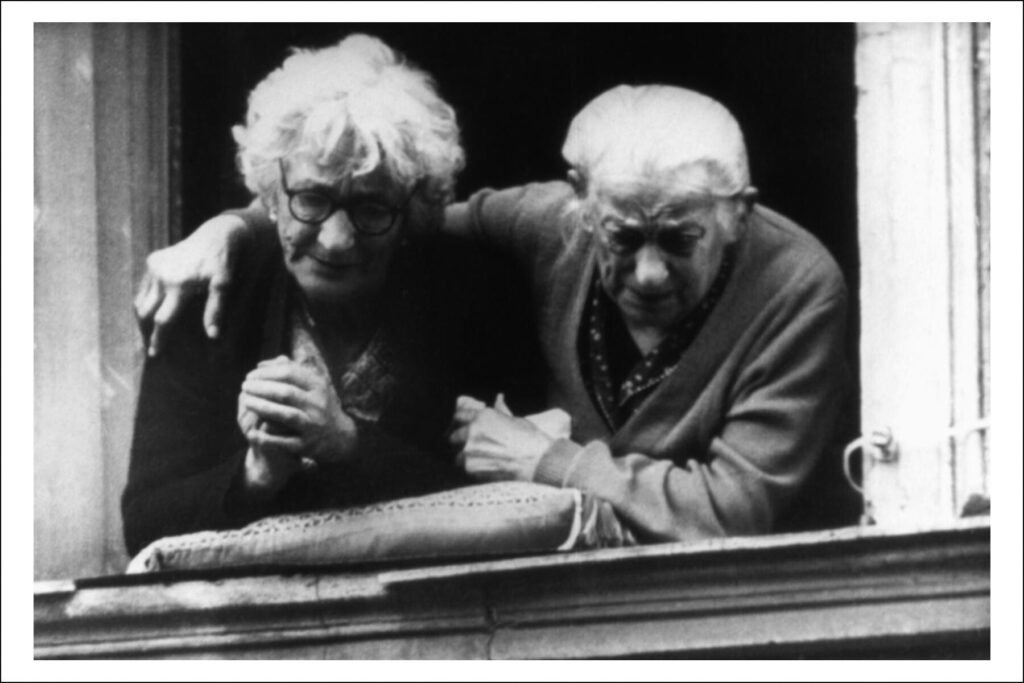
In simple terms The fall of the Berlin Wall, on the night of 9 November 1989, was the sudden collapse of the barrier that had divided communist East Berlin from democratic West Berlin for nearly three decades, and it became the single most powerful symbol of the end of Cold War divisions in Europe. [1]
Fall of the Berlin Wall Read More »
The fall of the Berlin Wall in November 1989 was the collapse of the barrier dividing East and West Berlin, marking the symbolic end of the Cold War division of Europe.
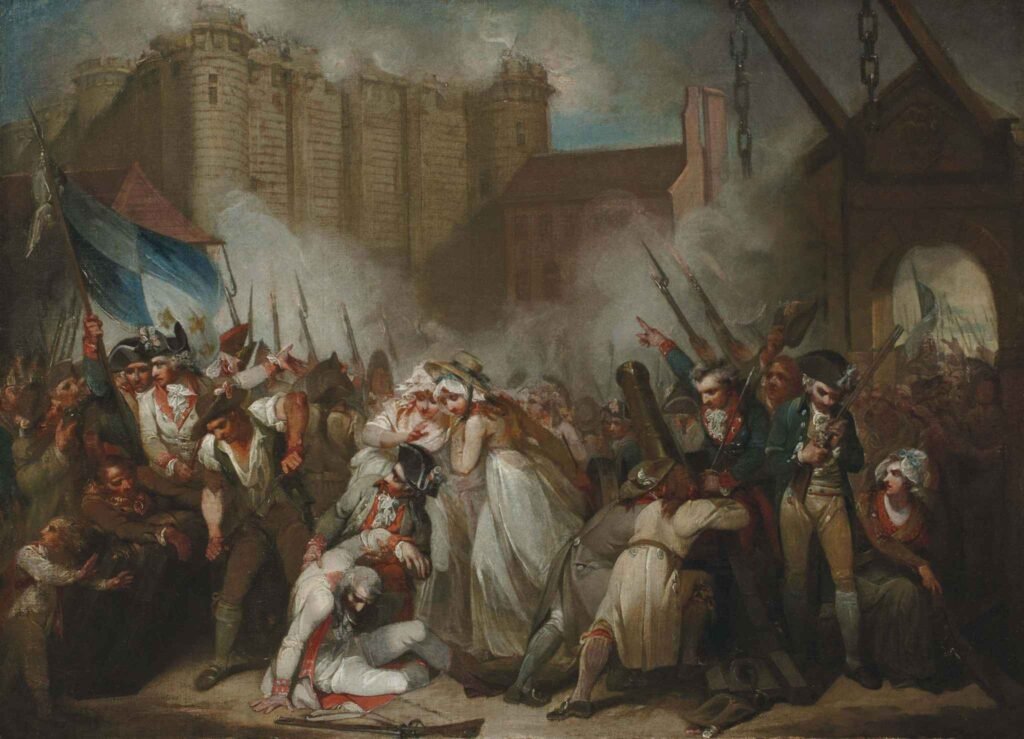
The French Revolution was a period of radical political and social upheaval in France between 1789 and 1799 that overthrew the absolute monarchy, dismantled the legal privileges of the aristocracy and clergy, and introduced ideas of popular sovereignty and citizenship that reshaped politics far beyond France itself. It is traditionally dated from the storming of
French Revolution Read More »
The period of radical political upheaval in France from 1789 to 1799 that overthrew the absolute monarchy.
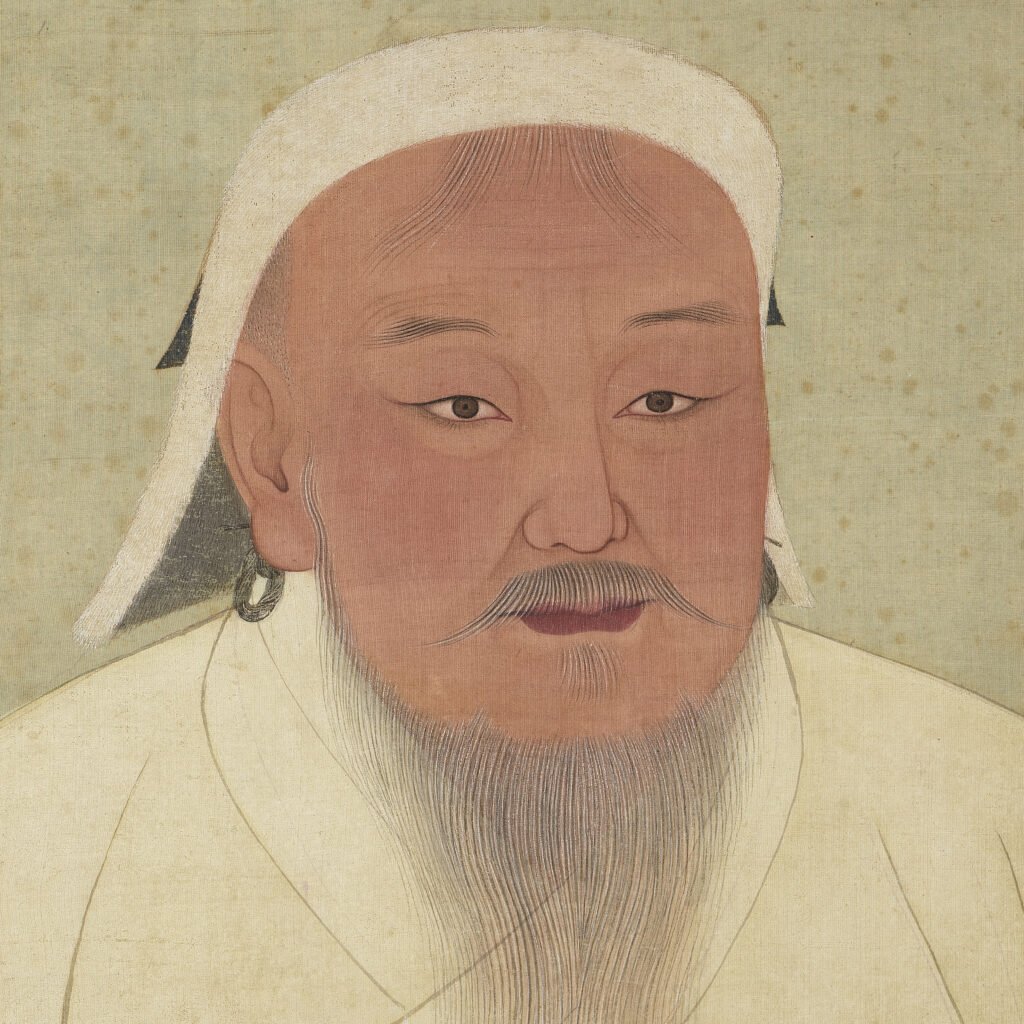
Genghis Khan (also spelled Chinggis Khan) was the founder of the Mongol Empire and ruled it as its first Great Khan from 1206 until his death in 1227. He was born Temujin, and he took the title Genghis Khan, probably meaning universal ruler, after uniting the Mongol tribes. His armies conquered large parts of northern
Genghis Khan Read More »
Founder of the Mongol Empire who united the Mongol tribes in 1206 and ruled as Great Khan until his death in 1227.
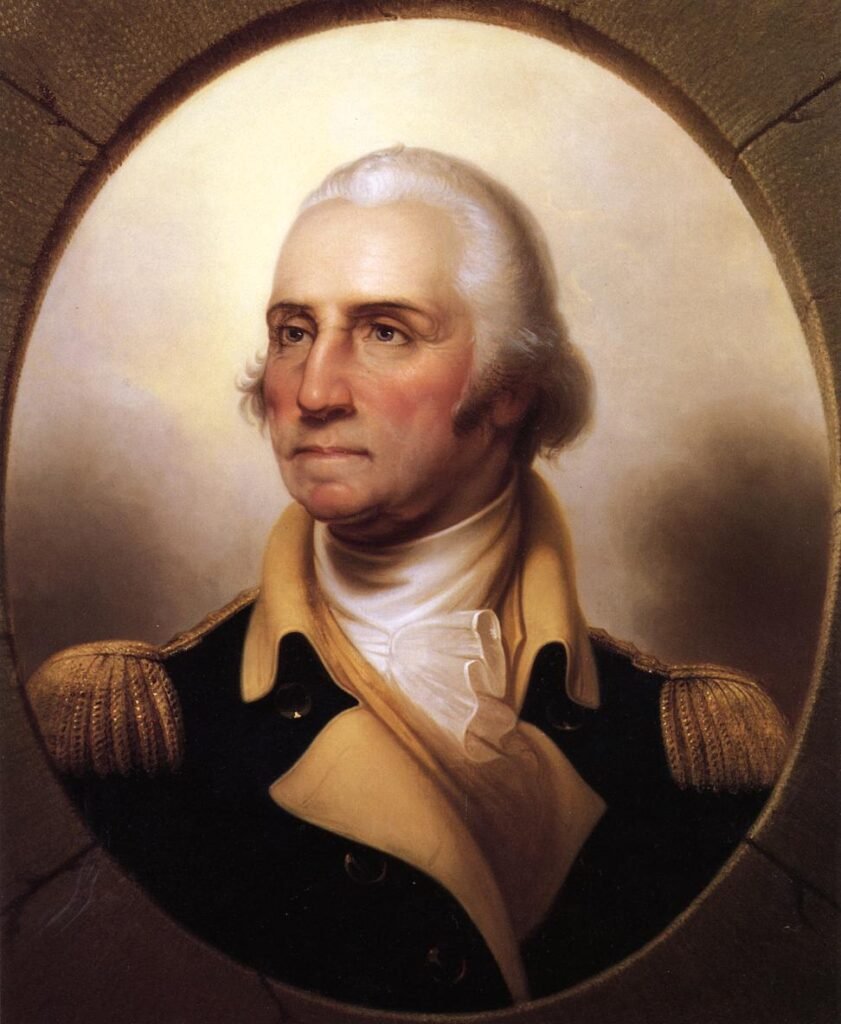
George Washington (1732 to 1799) was the commander of the Continental Army during the American Revolutionary War and the first president of the United States, serving from 1789 to 1797. He also presided over the Constitutional Convention of 1787. He is often called the Father of His Country, and he died at Mount Vernon, Virginia,
George Washington Read More »
Commander of the Continental Army and first president of the United States, who served from 1789 to 1797.