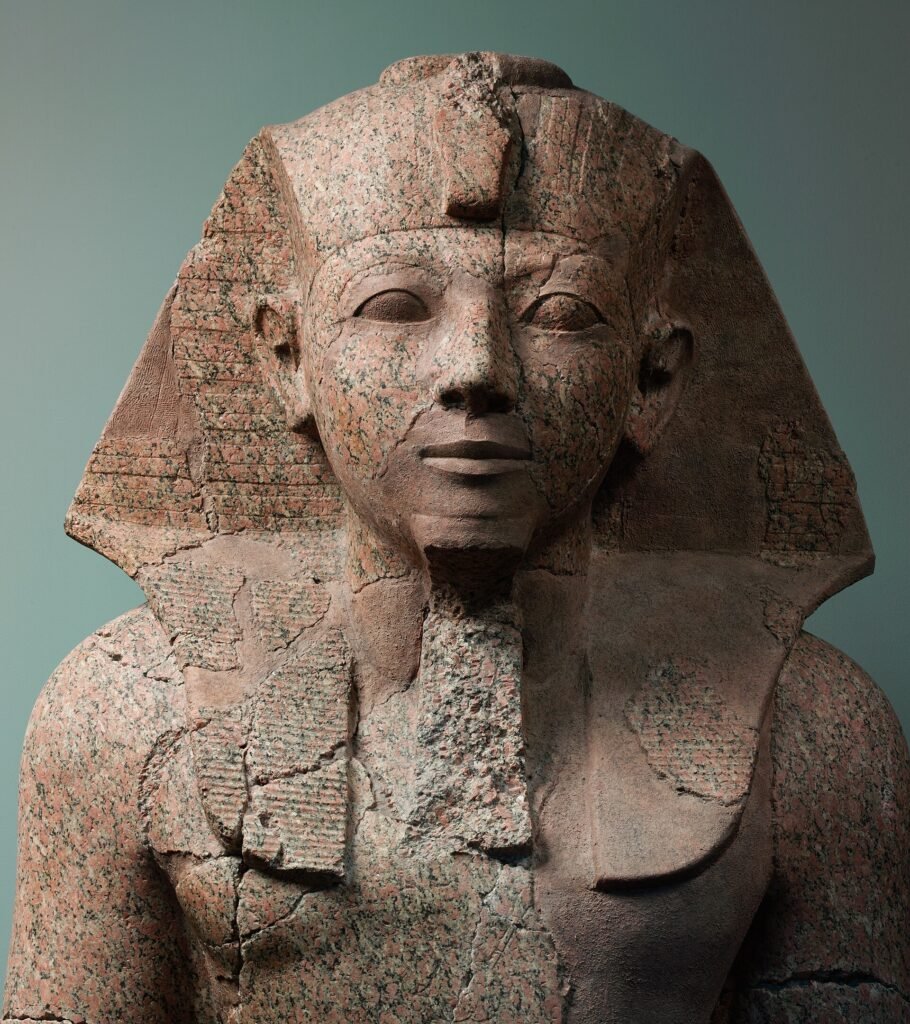
Hatshepsut was a ruler of ancient Egypt in the 18th Dynasty who reigned from about 1479 to 1458 BCE and took the full title and authority of pharaoh. She began as regent for her young stepson Thutmose III and then ruled as king in her own right. She is remembered for her mortuary temple at
Hatshepsut Read More »
Egyptian ruler of the 18th Dynasty (reigned about 1479 to 1458 BCE) who ruled as pharaoh and built the temple at Deir el-Bahari.
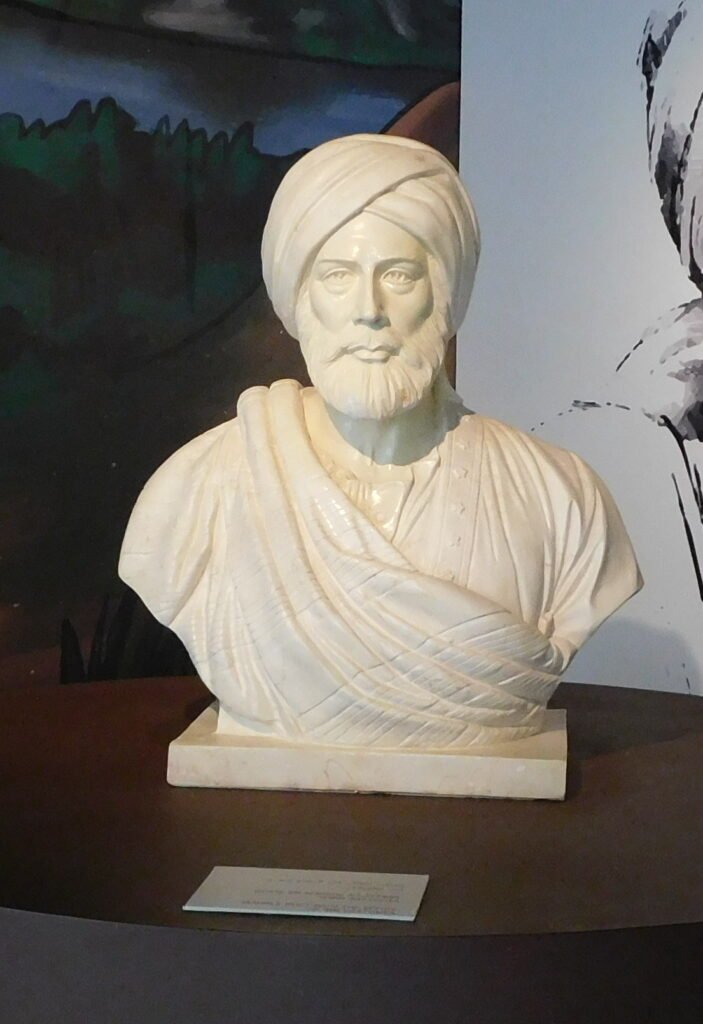
Ibn Battuta (1304 to about 1368) was a Moroccan scholar and judge who traveled for nearly 30 years across Africa, Asia and parts of Europe, covering roughly 75,000 miles (120,000 km). His travel book, the Rihla, is one of the most important eyewitness accounts of the 14th-century world. Early life of Ibn Battuta Ibn Battuta
Ibn Battuta Read More »
Ibn Battuta was a Moroccan judge and scholar who traveled about 75,000 miles from 1325 to the early 1350s and wrote the Rihla.
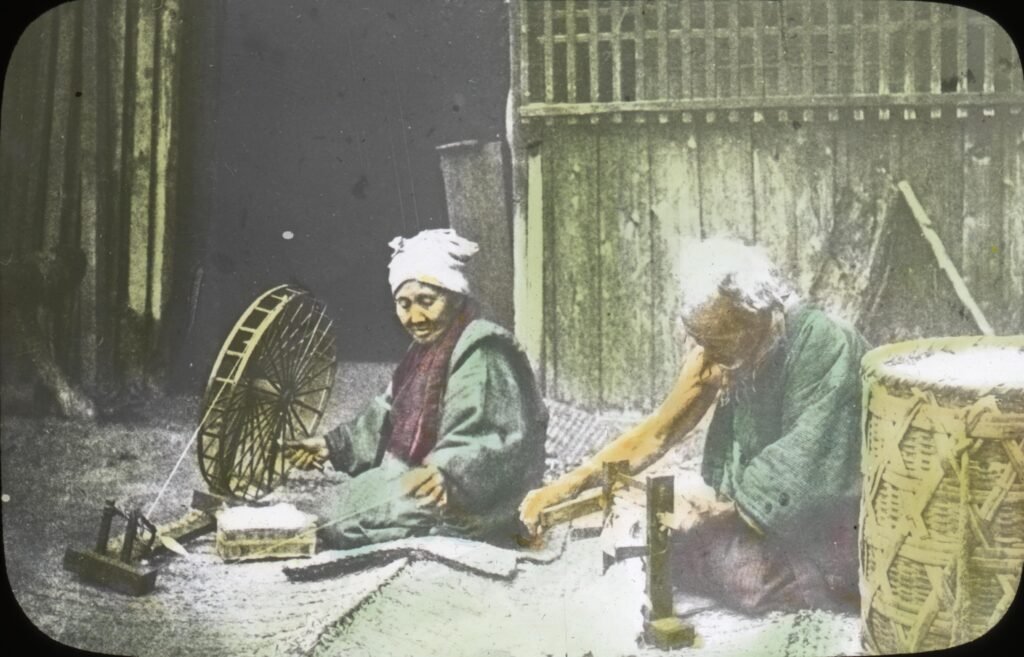
The Industrial Revolution was the transition from hand production and agrarian economies to machine-based manufacturing and factory systems, beginning in Britain in roughly 1760 and spreading through Europe and North America over the following century. It transformed how goods were made, how people worked and lived, and how economies grew, marking one of the most
Industrial Revolution Read More »
The transition from hand production and agrarian economies to machine-based factory manufacturing, beginning in Britain around 1760.
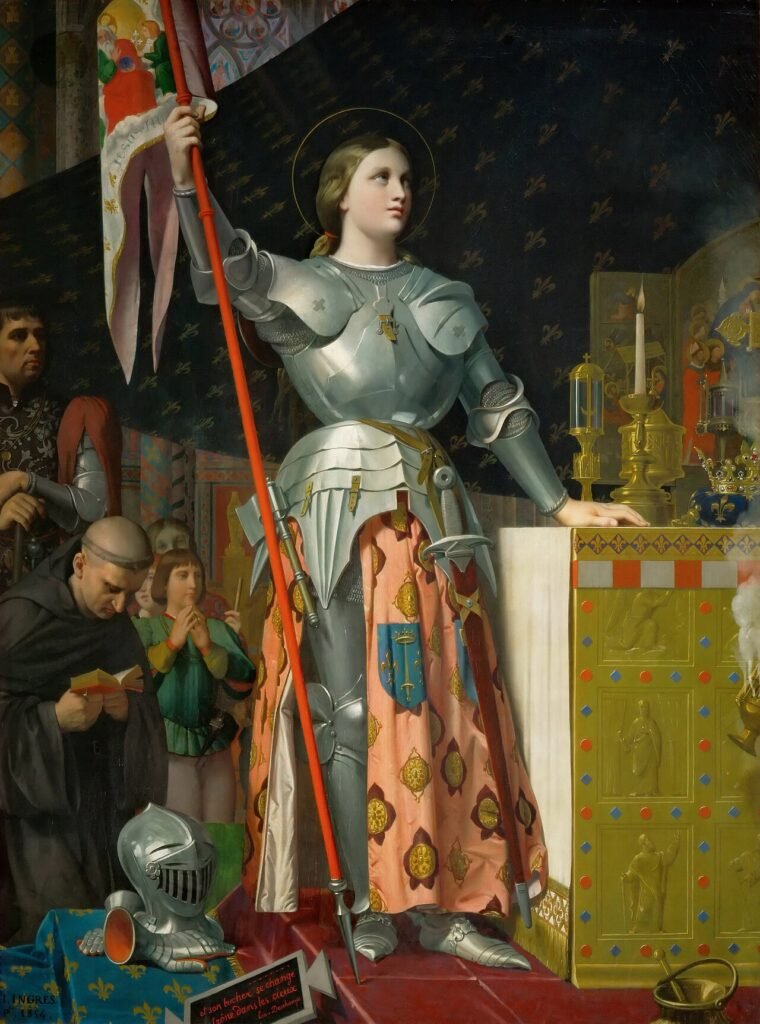
Joan of Arc (about 1412 to 1431), known in French as Jeanne d’Arc, was a peasant girl from northeastern France who said she was guided by divine voices and helped turn the Hundred Years’ War in favor of the French. She was burned at the stake for heresy at about age 19, and the Catholic
Joan of Arc Read More »
Joan of Arc was a French peasant girl who led armies in the Hundred Years' War, was executed in 1431 and was canonized in 1920.
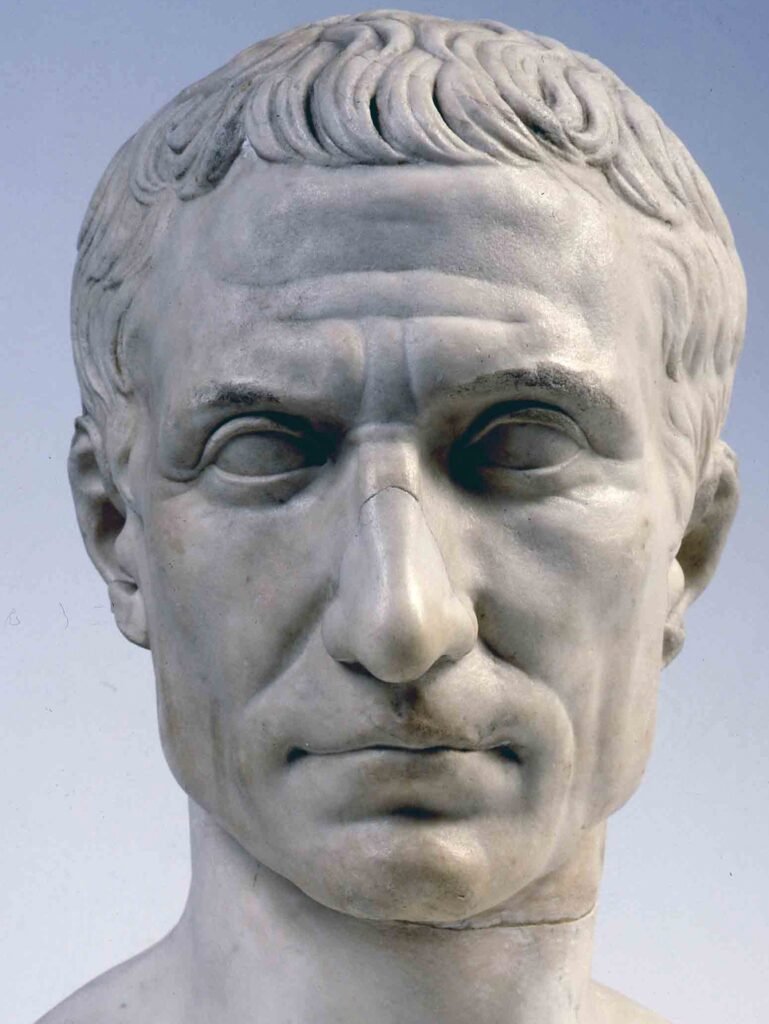
Gaius Julius Caesar was a Roman general, statesman and writer who lived from 100 BCE to 44 BCE. He conquered Gaul, won a civil war against his rival Pompey and became dictator of Rome. A group of senators assassinated him on 15 March 44 BCE, and the civil wars that followed ended the Roman Republic.
Julius Caesar Read More »
Roman general and statesman (100 to 44 BCE) who conquered Gaul, won a civil war against Pompey and was assassinated as dictator.
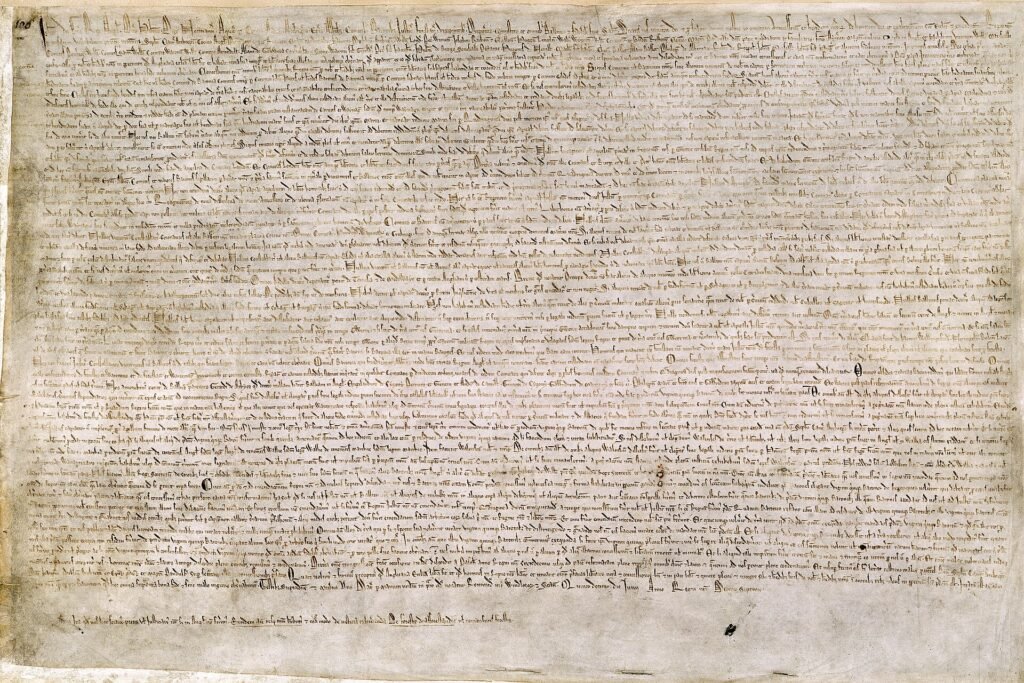
Magna Carta, Latin for “Great Charter,” is a charter of liberties that King John of England sealed in June 1215 to head off a rebellion by his barons. Its original terms protected a privileged class and collapsed within weeks. Later reissues and centuries of reinterpretation turned it into a lasting symbol of the rule of
Magna Carta Read More »
A charter of liberties sealed by King John in 1215 that limited royal power and later became a symbol of the rule of law.
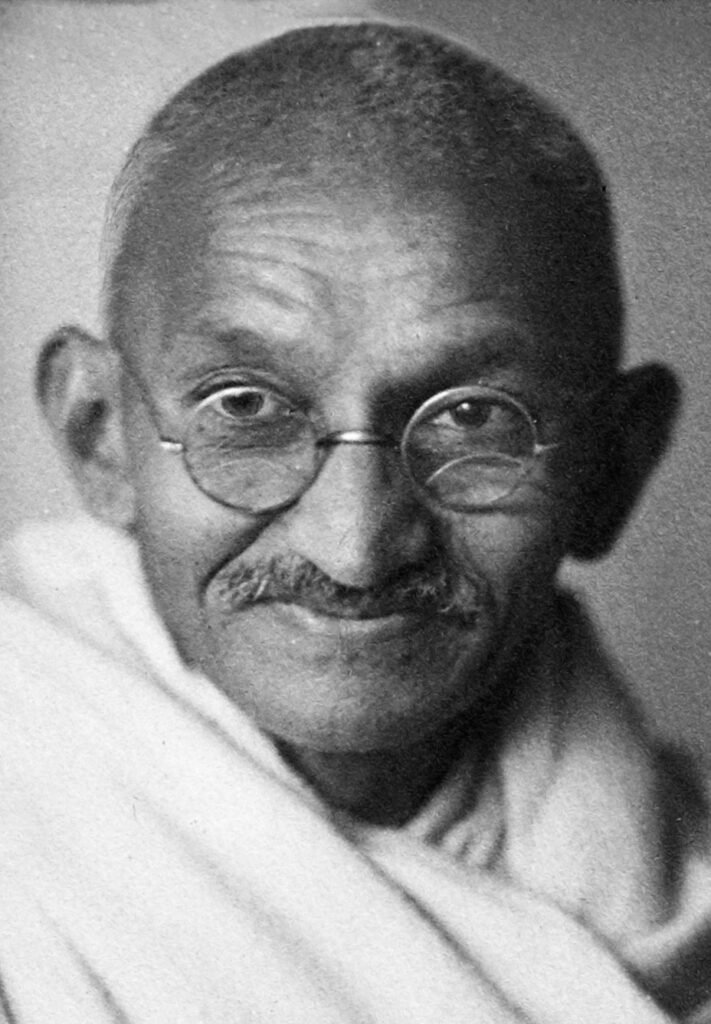
Mahatma Gandhi (1869 to 1948) was an Indian lawyer and political leader who developed satyagraha, a method of nonviolent resistance to unjust laws, and became the best-known figure of India’s movement for independence from British rule. Born Mohandas Karamchand Gandhi, he was given the title Mahatma, which means Great-Souled. He was assassinated on 30 January
Mahatma Gandhi Read More »
Indian lawyer and independence leader who developed satyagraha, a method of nonviolent resistance, and inspired civil rights movements worldwide.
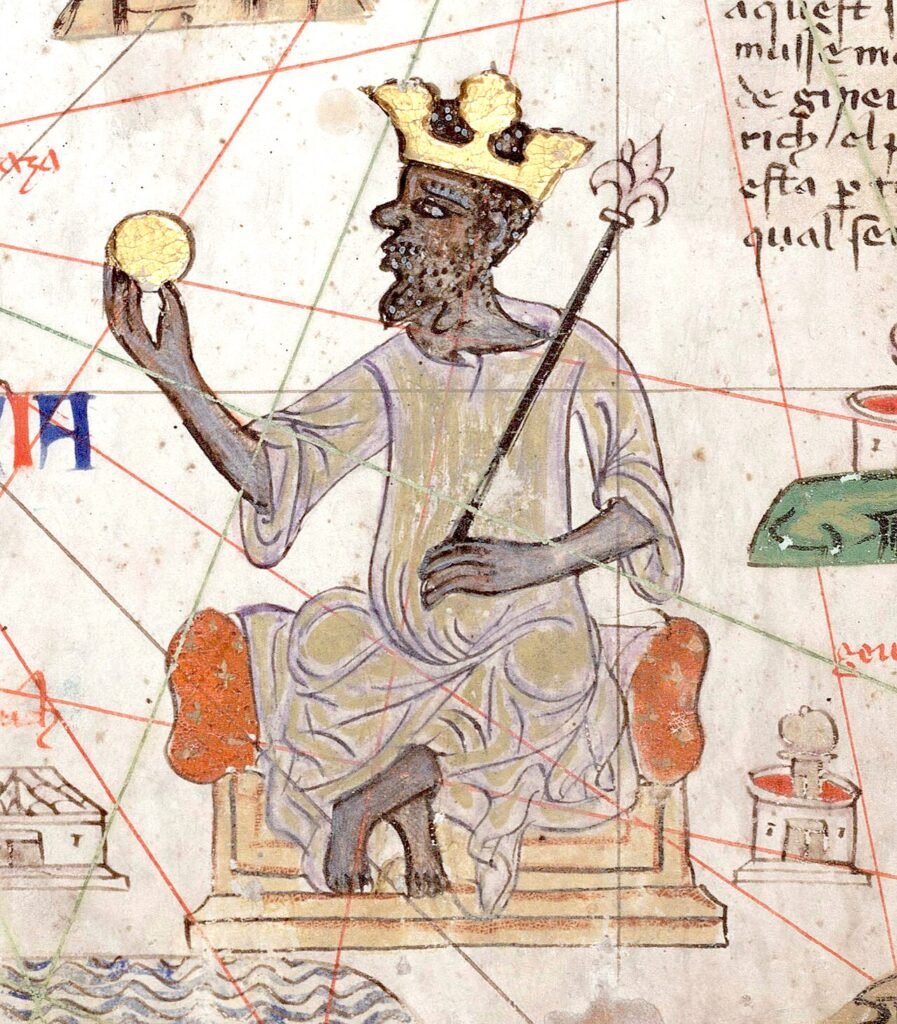
Mansa Musa, also called Musa I of Mali, was the ruler of the Mali Empire in West Africa from 1312 to about 1337. He is best known for his pilgrimage to Mecca in 1324, when his caravan and his gifts of gold made a lasting impression on the Middle East and, later, on Europe. Early
Mansa Musa Read More »
Mansa Musa was the king of the Mali Empire from 1312 to about 1337, famed for his 1324 pilgrimage to Mecca and his gold.
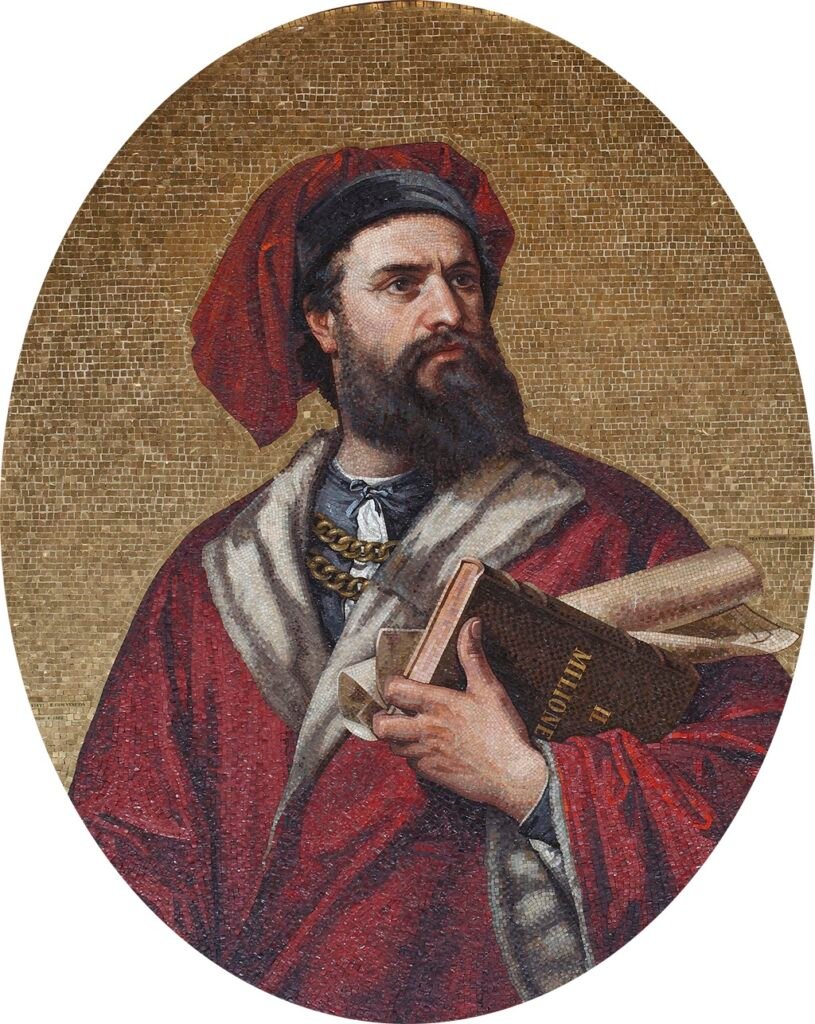
Marco Polo (c. 1254 to 1324) was a Venetian merchant and traveler who spent about 24 years away from Italy, most of them in Asia under Mongol rule. His book about those years, known as The Travels of Marco Polo or Il Milione, gave medieval Europeans their fullest early picture of China, Persia and India.
Marco Polo Read More »
Marco Polo was a Venetian merchant whose book about his 24 years in Asia gave medieval Europe its fullest early picture of China.
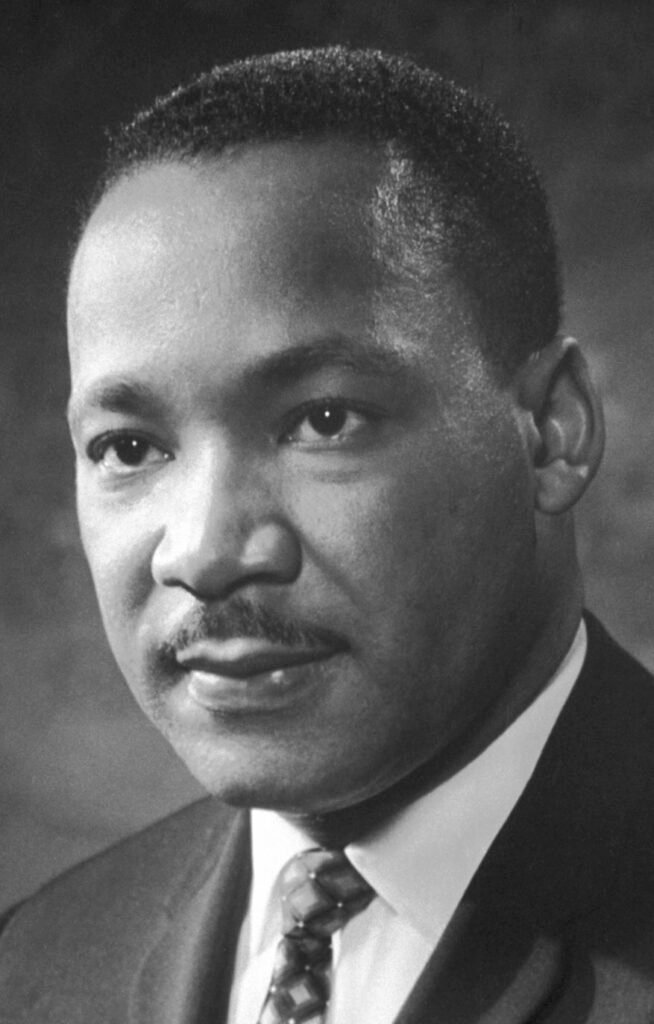
Martin Luther King Jr. (1929 to 1968) was an American Baptist minister and the most prominent leader of the nonviolent civil rights movement in the United States. He led the Montgomery bus boycott, helped direct the 1963 March on Washington, and received the Nobel Peace Prize in 1964. He was assassinated in Memphis, Tennessee, on
Martin Luther King Jr. Read More »
American Baptist minister who led the nonviolent civil rights movement and won the 1964 Nobel Peace Prize.