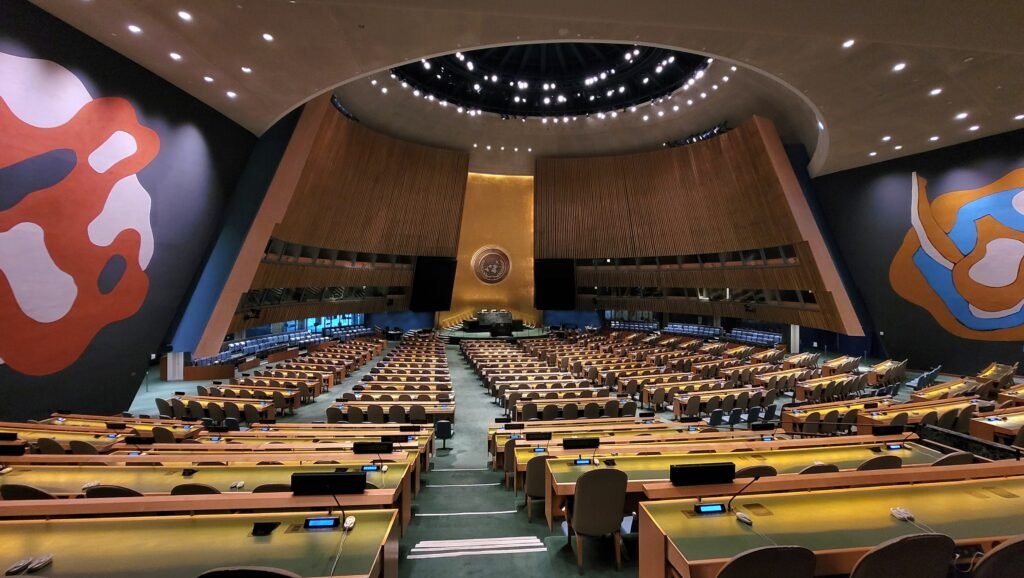
In simple terms The General Assembly is the meeting of every country in the United Nations. All 193 member states sit in it, and each one has a single vote. It was established in 1945 under the UN Charter as the organization chief deliberative, policymaking and representative organ. How it works The Assembly runs in
United Nations General Assembly Read More »
The UN General Assembly is the United Nations body where all 193 member states meet and each one holds a single equal vote.
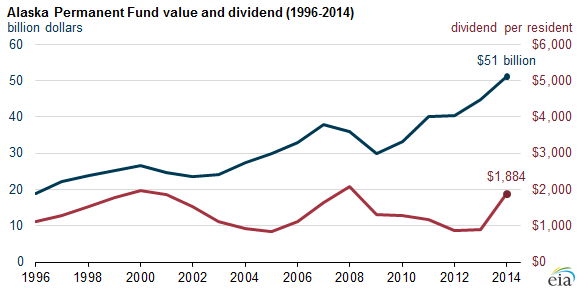
Overview Universal basic income, often abbreviated UBI, is a proposed economic policy in which a government provides every individual a regular cash payment without conditions related to income, employment, or need. Proponents frame it as a simpler, more dignified alternative to the patchwork of means-tested programs that characterize most modern welfare systems, while critics raise
Universal Basic Income Read More »
A proposed policy in which government provides every individual a regular, unconditional cash payment regardless of income or employment status.
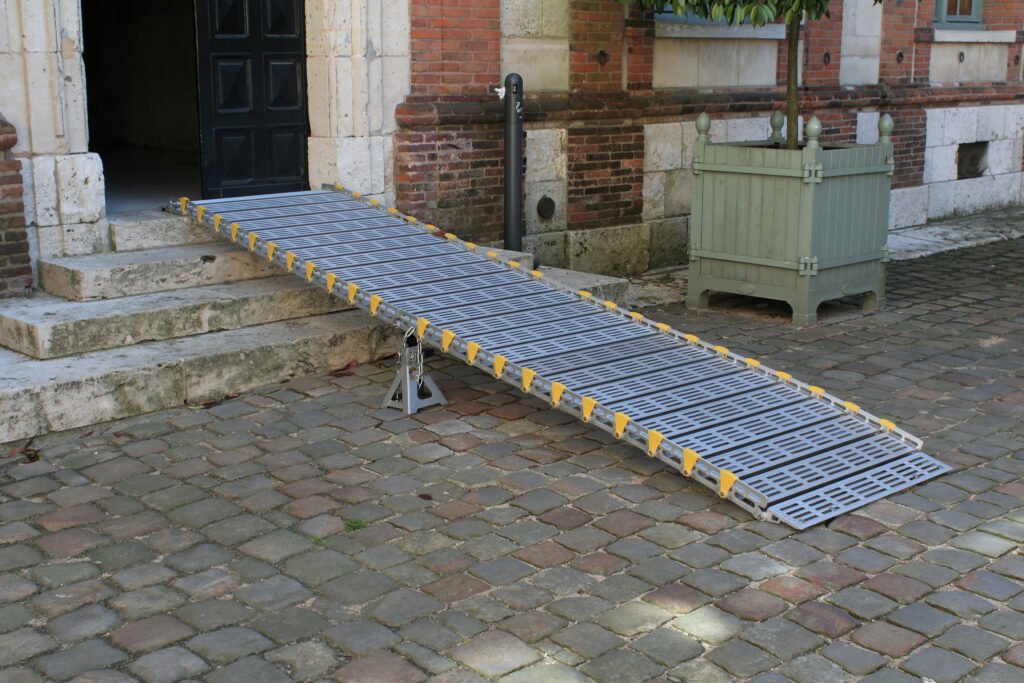
Image: “Chartres, Hotel Montescot rampe PMR” (wheelchair accessibility ramp) by Coyau, licensed CC BY-SA 3.0 via Wikimedia Commons.
Universal Design Read More »
An approach to designing products, environments, and services usable by the widest possible range of people without requiring separate accommodation.
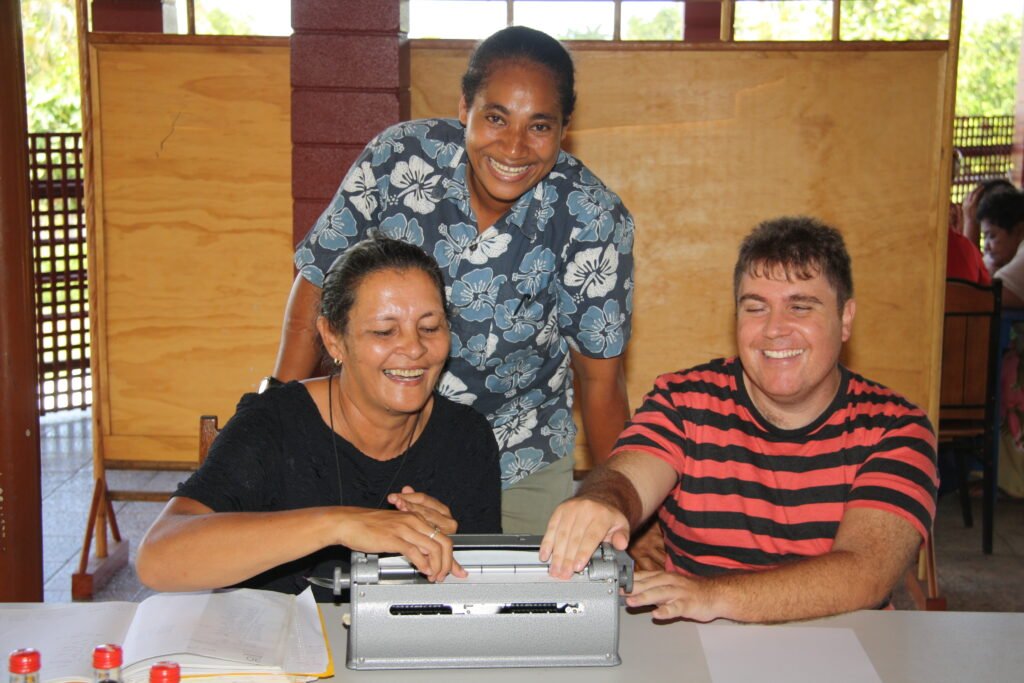
Universal Design for Learning, often abbreviated UDL, is a framework for designing instruction that aims to give all students equal opportunity to learn by building in flexibility and multiple options from the start, rather than retrofitting a single rigid lesson with accommodations after the fact for students who struggle with it. The framework was developed
Universal Design for Learning Read More »
A framework for designing instruction with built-in flexibility so all students have equal opportunity to learn, developed by CAST.
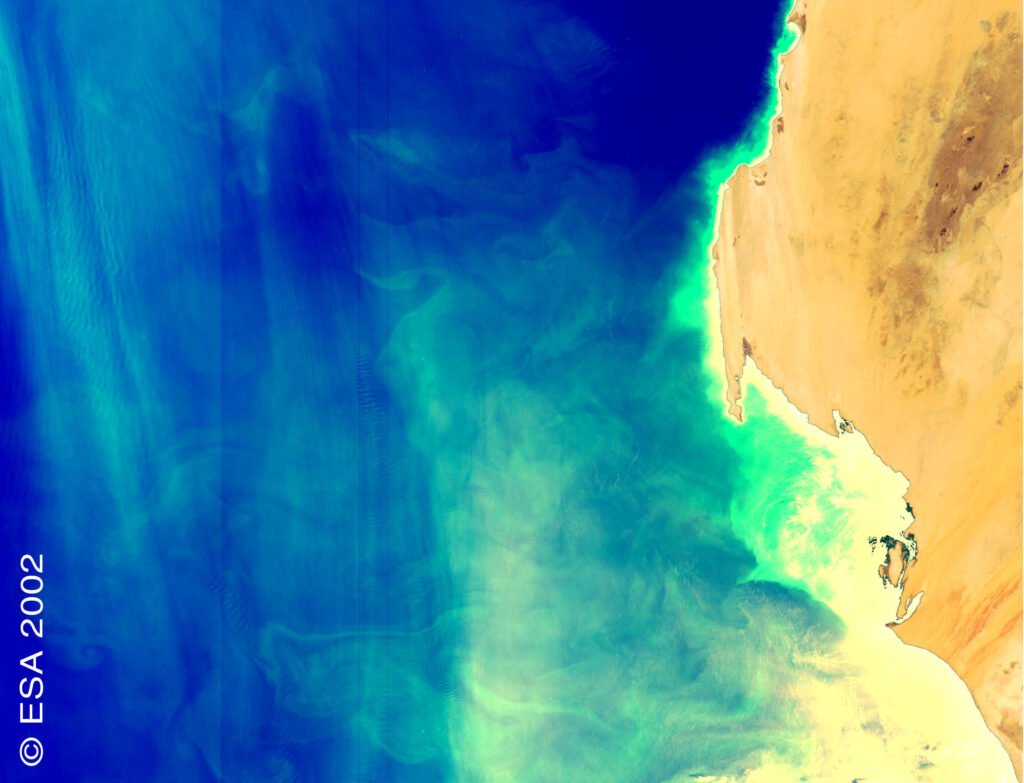
Image: Upwelling near the coast of Mauritania, European Space Agency, CC BY-SA 3.0 IGO, via Wikimedia Commons
Upwelling Read More »
An oceanographic process in which wind patterns draw cold, nutrient-rich deep water to the surface, fueling some of the most productive marine ecosystems and fisheries on earth.
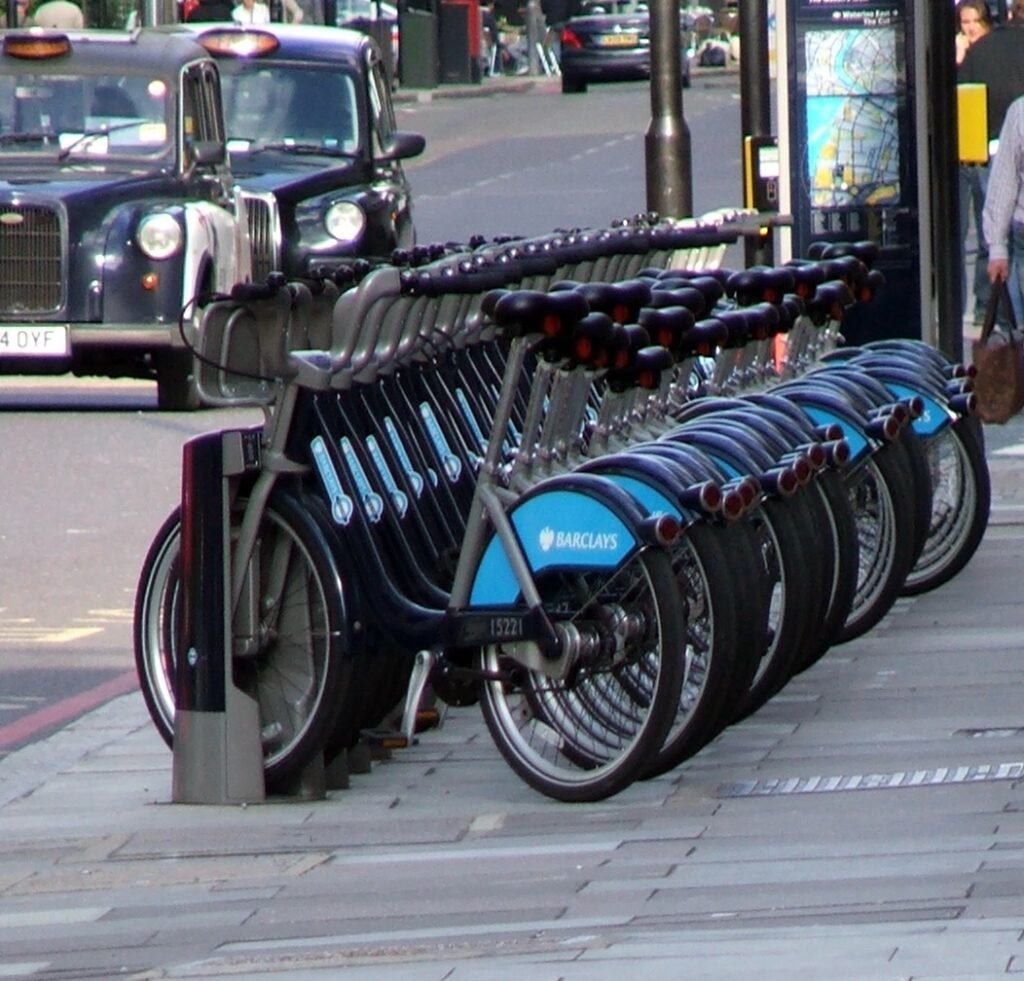
From Paris to Global Adoption Modern large-scale bike-share emerged with programs such as Lyon’s Velo’v and Paris’s Velib in the mid-2000s, which demonstrated that automated docking stations with card-based unlocking could support thousands of bicycles across a city without requiring staffed rental counters. These early systems proved popular enough that hundreds of cities worldwide subsequently
Urban Bike-Share System Read More »
A bike-share system is a public program providing short-term bicycle rental from unattended docking stations or dockless fleets across a city.
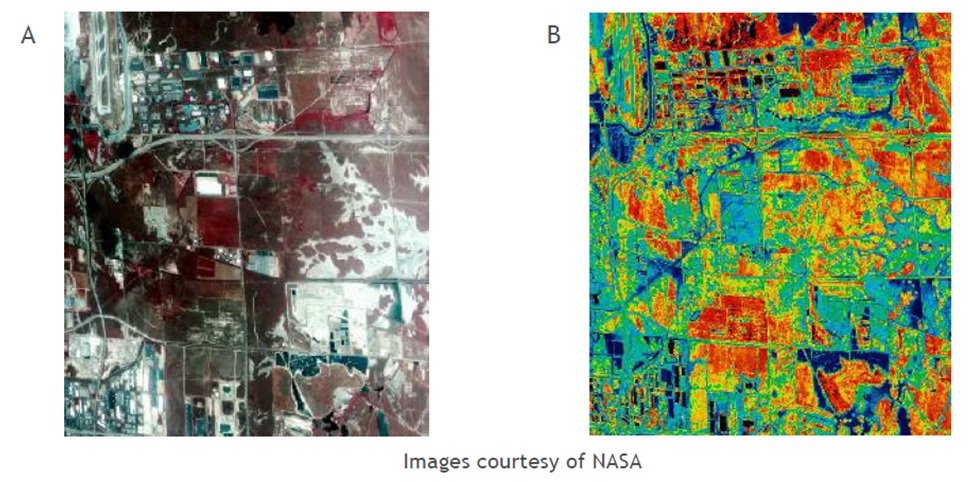
An urban heat island is the measurable phenomenon in which a city or built-up area experiences significantly higher temperatures than the surrounding rural or less-developed landscape, particularly at night. The effect arises because pavement, rooftops, and other dark, dense building materials absorb solar radiation during the day and release it slowly after sunset, while the
Urban Heat Island Read More »
The urban heat island effect is the tendency for cities to be significantly warmer than surrounding rural areas due to pavement, buildings, and lost vegetation.
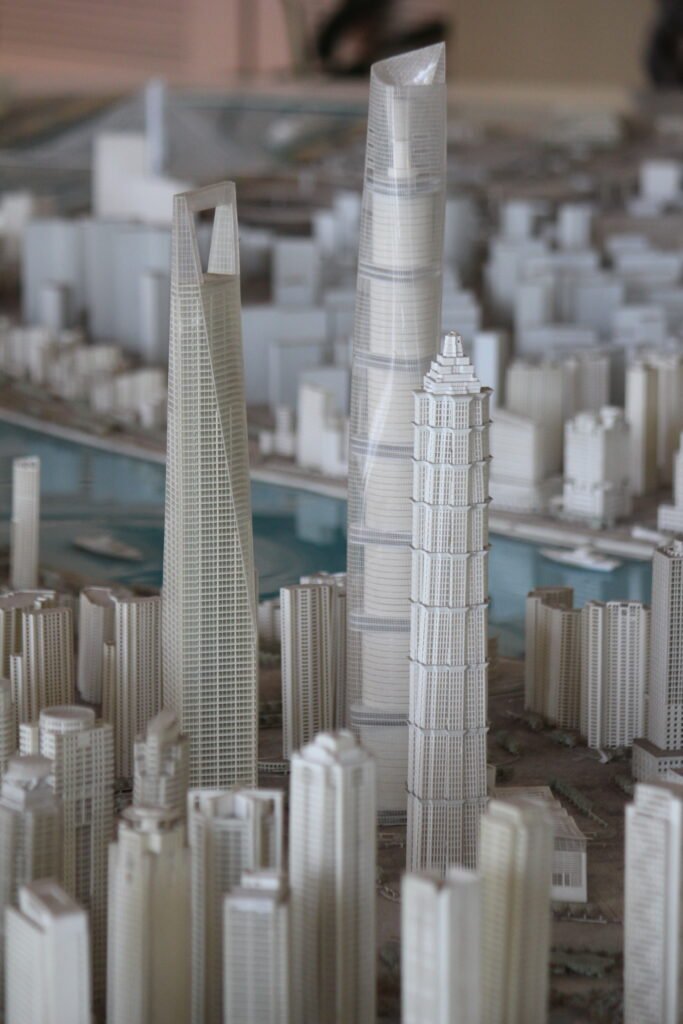
Urban planning is the professional discipline concerned with designing and regulating the physical layout, land use, infrastructure, and growth of towns and cities. It sits at the intersection of architecture, civil engineering, economics, environmental science, and public policy, since decisions about where roads, housing, parks, and factories go shape nearly everything about how people live,
Urban Planning Read More »
The discipline of designing and regulating the physical layout, land use, and growth of towns and cities.
Urban sprawl refers to the rapid, low-density outward expansion of a city into surrounding undeveloped land, typically characterized by car-dependent single-use development, large residential subdivisions disconnected from jobs and shops, and highway-oriented commercial strips. It is distinguished from ordinary urban growth by its specific pattern: low density, strict separation of residential, commercial, and office uses,
Urban Sprawl Read More »
The rapid, low-density, car-dependent outward expansion of a city into surrounding undeveloped land.
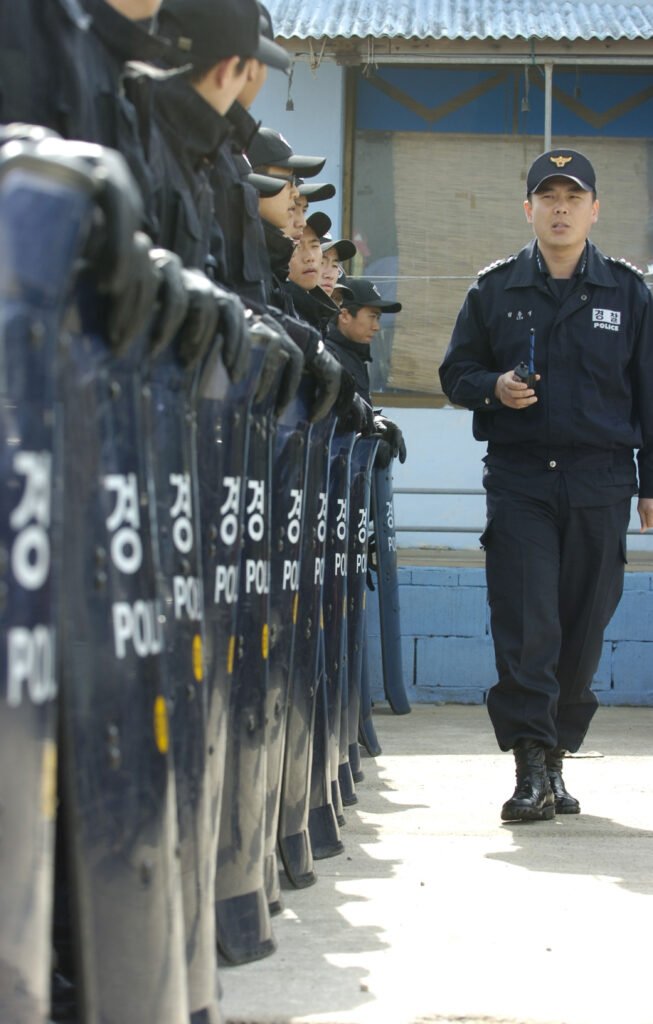
Overview Use of force describes the physical, mechanical, or in some cases lethal means that law enforcement officers may lawfully apply in the course of their duties, including to make an arrest, restrain an individual, or protect themselves or others from harm. Because force by its nature carries risk of injury, its use is subject
Use of Force Read More »
Use of force refers to the physical or mechanical compulsion that law enforcement officers are legally permitted to apply when necessary to control a situation, make an arrest, or protect themselves or others.