Tree species diversity refers to the variety and relative abundance of different tree species present within a forest stand or landscape, a key measure of forest ecosystem health and resilience. Measuring Diversity Ecologists quantify tree species diversity using indices that account for both the number of species present, known as richness, and how evenly individuals
Tree Species Diversity Read More »
The variety and relative abundance of different tree species within a forest, a key measure of ecosystem health, resilience, and function.
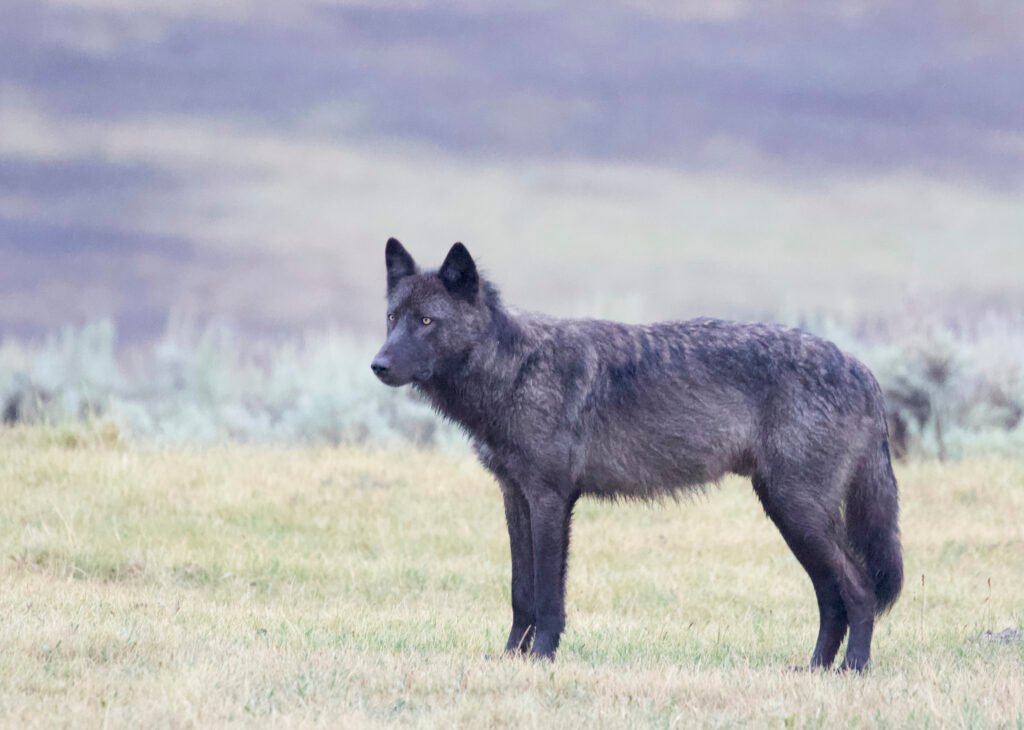
A trophic cascade is a chain of indirect effects that moves through multiple feeding levels of an ecosystem after a change at one trophic level, most often the removal or restoration of a top predator, ripples down through the species that predator eats, then down again to the species those prey eat in turn. The
Trophic cascade Read More »
A trophic cascade is a chain of indirect effects moving through multiple feeding levels of an ecosystem after a change at one level, often a top predator.
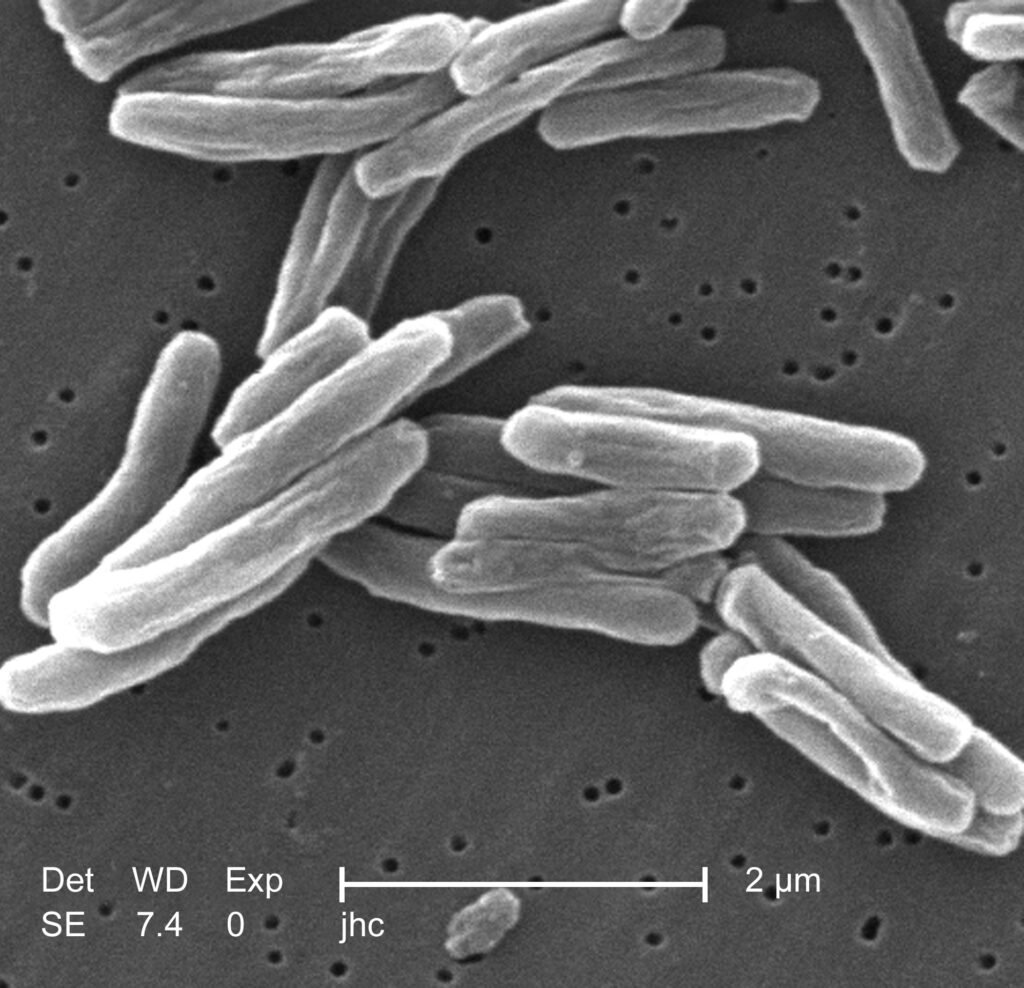
Tuberculosis is a bacterial infectious disease caused by Mycobacterium tuberculosis that most commonly affects the lungs, though it can also spread to affect other parts of the body, including the kidneys, spine, and brain, in a form known as extrapulmonary tuberculosis. Despite being preventable and curable with appropriate treatment, tuberculosis remains one of the leading
Tuberculosis Read More »
A bacterial infectious disease, primarily affecting the lungs, caused by Mycobacterium tuberculosis.
Two-factor authentication, often abbreviated 2FA, is a security method that requires a person to provide two distinct types of evidence to verify their identity before gaining access to an account or system, rather than relying on a password alone. The goal is to make unauthorized access substantially harder, since an attacker who manages to steal
Two-Factor Authentication Read More »
A security method requiring two distinct types of evidence to verify identity before granting access to an account or system.
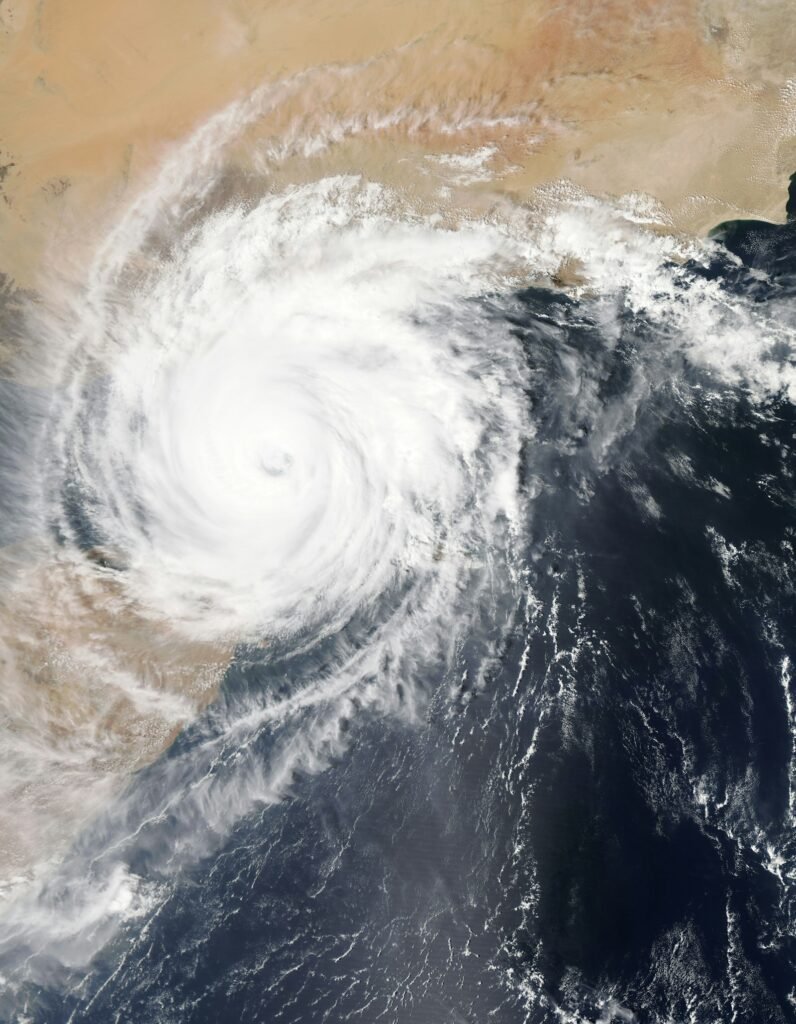
In simple terms A typhoon is a powerful rotating storm that forms over warm tropical ocean water. It is the same kind of storm as a hurricane. The name depends only on where the storm happens. In the northwest Pacific it is a typhoon. In the North Atlantic and the central and eastern North Pacific
Typhoon Read More »
A typhoon is a tropical cyclone in the northwest Pacific whose sustained winds reach about 119 kilometers per hour or more.
In simple terms Typography is the craft of arranging type, choosing typefaces, sizes, spacing, and layout, so that written text is both readable and expressive. [1] It covers everything from selecting a font for a book to setting the letter spacing on a street sign. How it works A typeface is a complete family of
Typography Read More »
Typography is the craft of arranging type, choosing typefaces, sizes, spacing, and layout, so that written text is both readable and expressive.
Ultra-processed food refers to industrially manufactured food products made predominantly from substances extracted or refined from whole foods, combined with additives such as preservatives, emulsifiers, artificial colors, and flavor enhancers, and typically bearing little visible resemblance to the whole-food ingredients they originally came from. The category, formalized through the widely used NOVA food classification system,
Ultra-processed food Read More »
Industrially manufactured food made predominantly from refined substances and additives, as defined by the NOVA classification system.
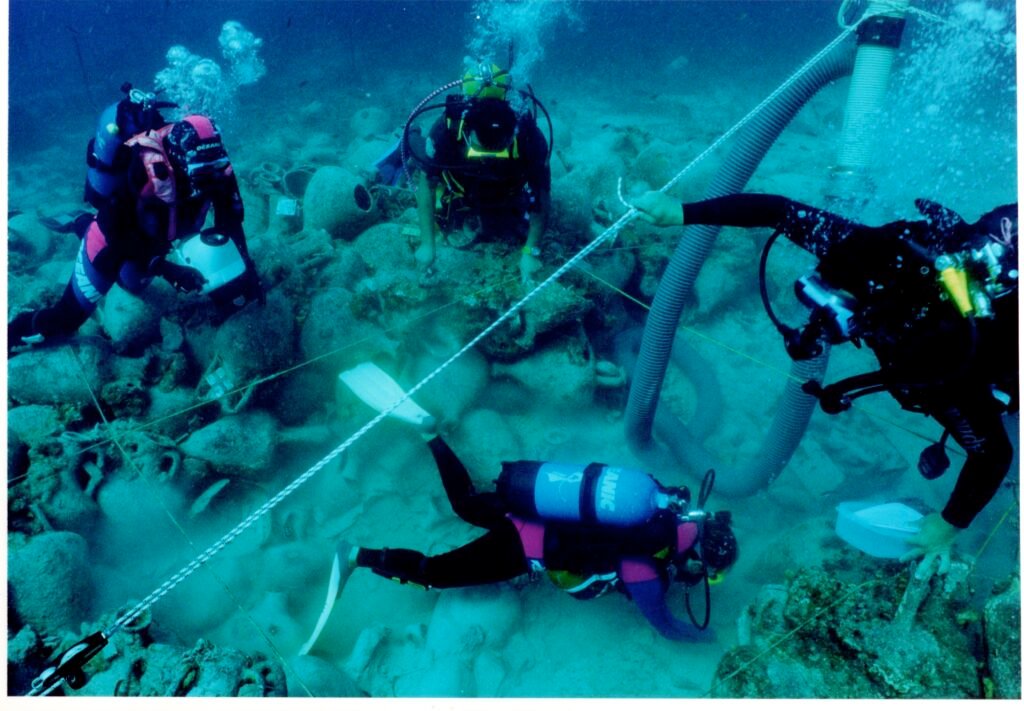
Underwater archaeology is the branch of archaeology devoted to the study of human activity through physical remains preserved underwater, including shipwrecks, submerged settlements, sunken ports, and artifacts lost or deliberately placed in rivers, lakes, and seas. It applies the same basic principles as archaeology on land, such as careful recording of context and stratigraphy, but
Underwater Archaeology Read More »
The branch of archaeology devoted to studying human activity through physical remains preserved underwater, including shipwrecks and submerged settlements.
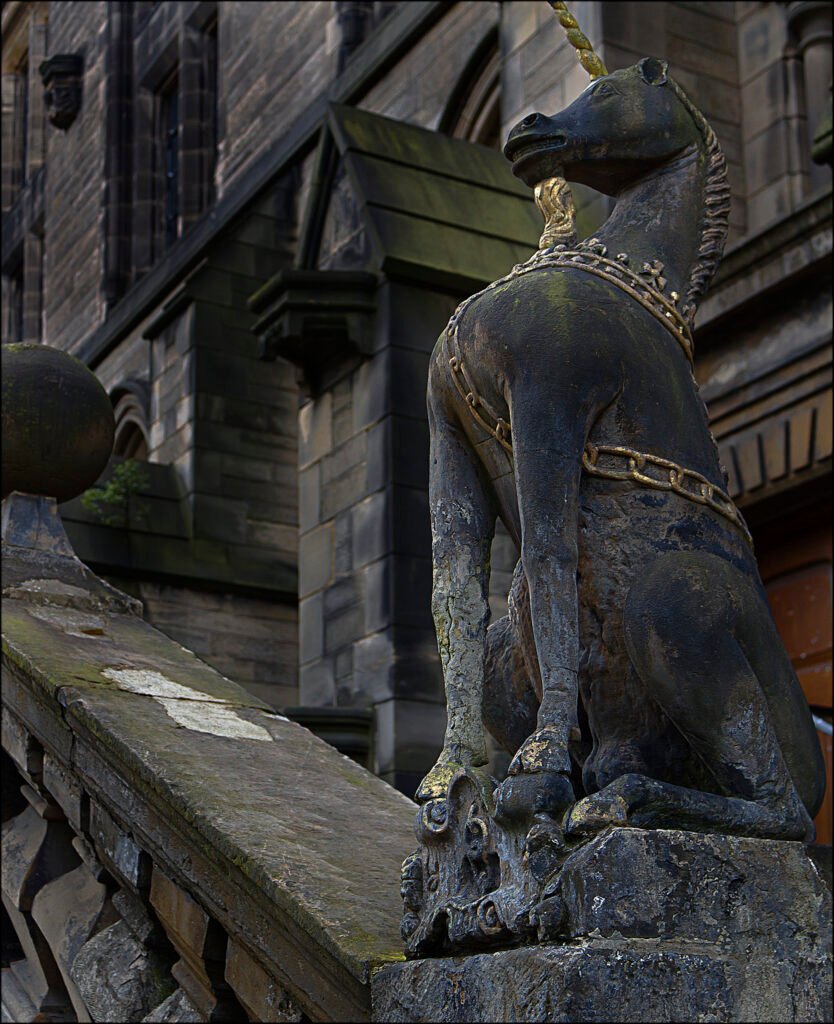
A unicorn, in a business context, is a privately held startup company valued at one billion dollars or more. The playful name reflects just how rare such companies were considered to be when the term was first introduced, much like the mythical creature it borrows its name from. Origin of the term Venture capitalist Aileen
Unicorn (Company) Read More »
A privately held startup company valued at one billion dollars or more.