Hydrogen is the chemical element with atomic number 1, the lightest and simplest of all the elements. Its neutral atom contains one proton and one electron. Under ordinary conditions it exists as a colorless, odorless, tasteless gas made of two-atom molecules written H2. Hydrogen is the most plentiful element in the universe, and it powers
Hydrogen Read More »
The lightest chemical element, atomic number 1, a colorless gas that is the most abundant element in the universe.
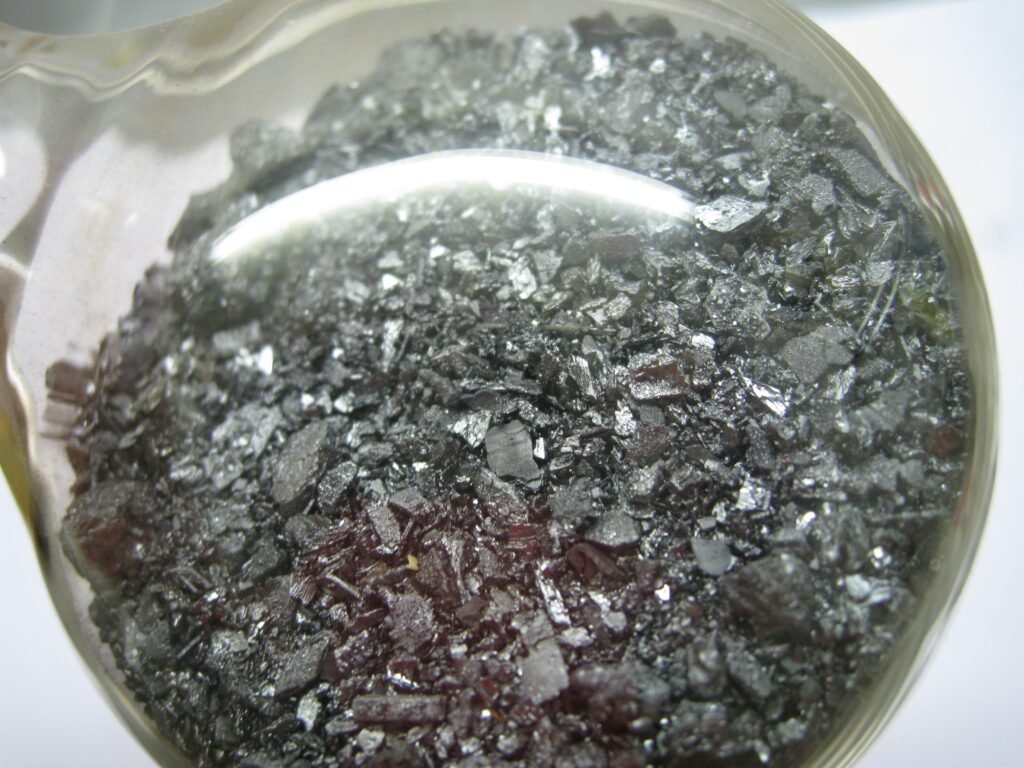
Iodine is the chemical element with atomic number 53 and the symbol I. It is a black, shiny, crystalline solid in group 17 of the periodic table, and when heated it forms a purple vapor. Iodine is an essential nutrient for humans, needed by the thyroid gland, and it is added in small amounts to
Iodine Read More »
A black, shiny halogen solid with atomic number 53 that forms purple vapor and is essential to the thyroid gland in humans.
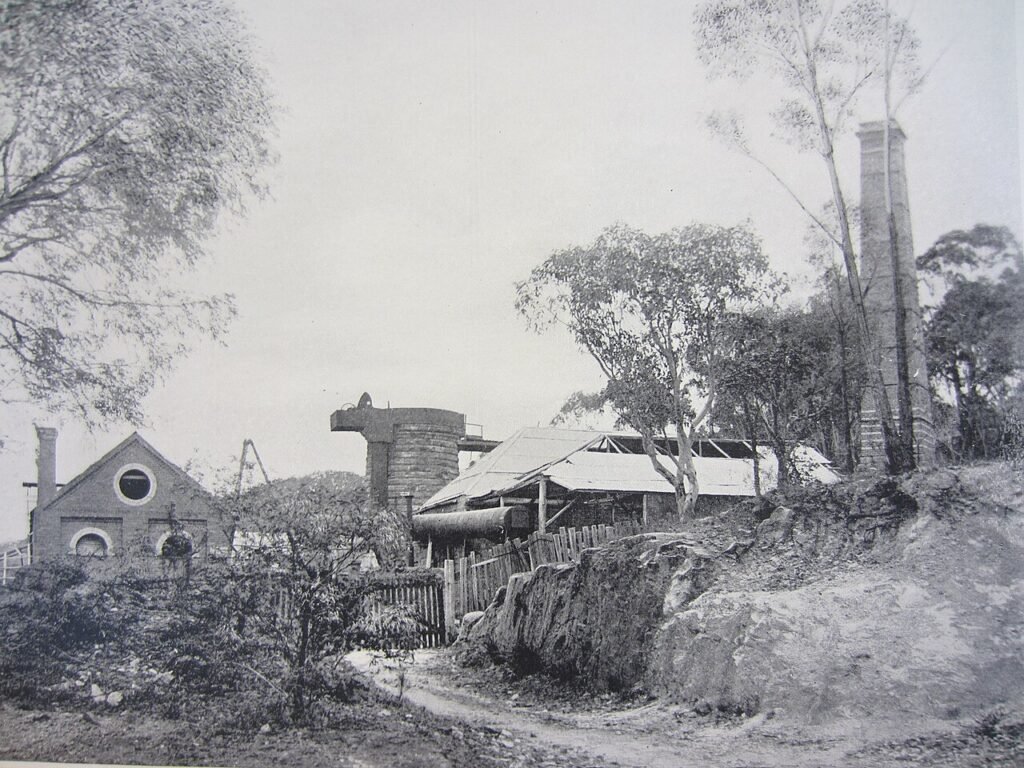
Iron is the chemical element with atomic number 26 and the symbol Fe. It is a shiny, grayish metal in group 8 of the periodic table that rusts in damp air. Even so, it is the most important of all metals: about 90 percent of the metal refined today is iron, most of it made
Iron Read More »
A shiny, grayish metal with atomic number 26 that is the main ingredient of steel and essential to life.
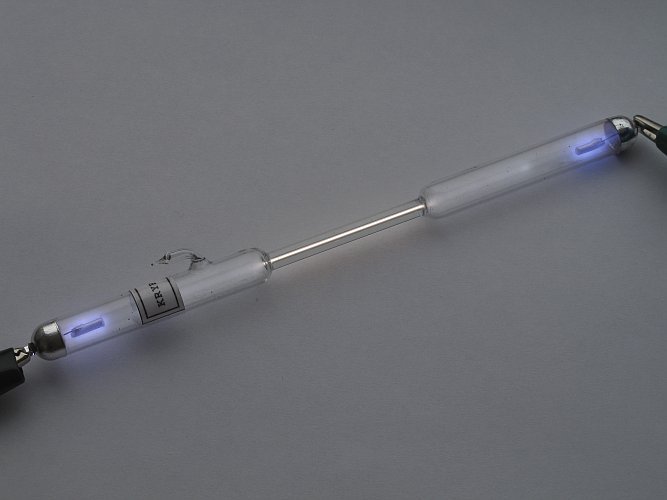
Krypton is the chemical element with atomic number 36 and the symbol Kr. It is a colorless, odorless noble gas in group 18 of the periodic table, and it is one of the rarest gases in Earth’s atmosphere. Krypton is used in energy-saving lighting, flash lamps and some lasers, and it once helped define the
Krypton Read More »
A colorless, odorless noble gas with atomic number 36 that is one of the rarest gases in air and is used in lighting and lasers.
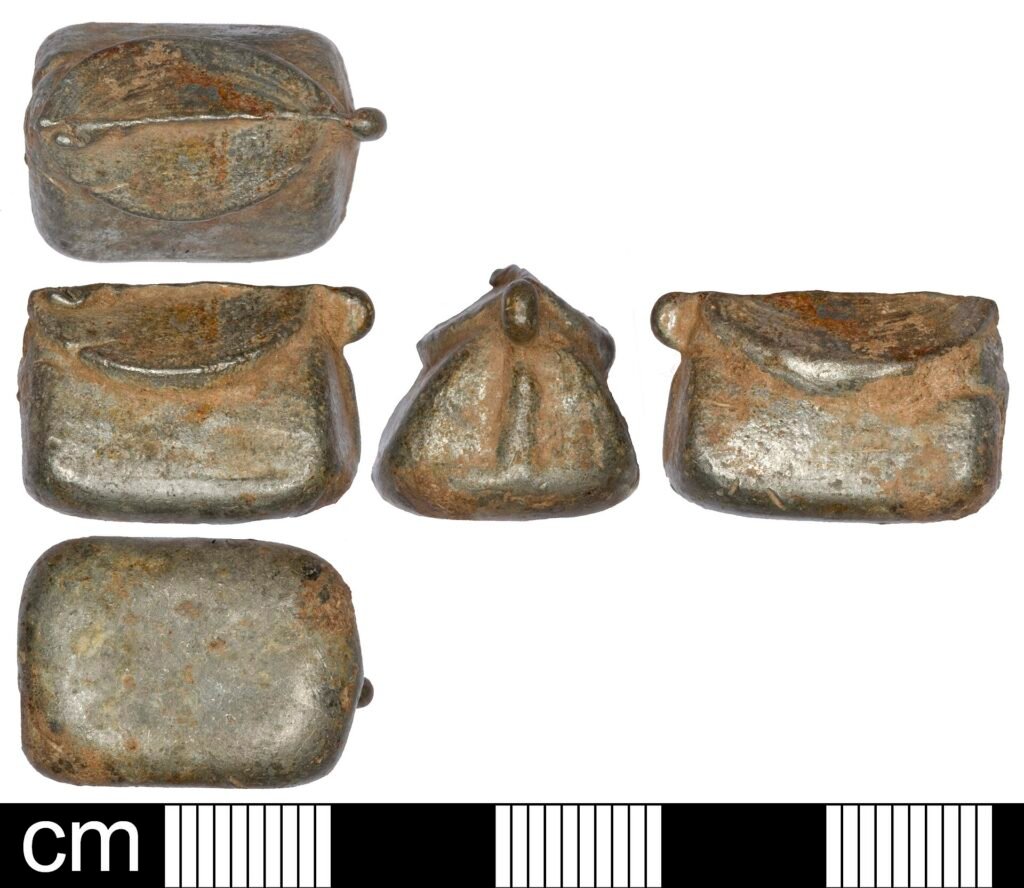
Lead is the chemical element with atomic number 82 and the symbol Pb. It is a dull, silvery-gray metal that is soft and easily worked into sheets. Lead has been mined for thousands of years, and although it is still widely used in batteries and radiation shielding, many older uses have been banned or discouraged
Lead Read More »
A soft, dull silvery-gray metal with atomic number 82, used in batteries and radiation shielding and toxic to people.
Lithium is the chemical element with atomic number 3 and the symbol Li. It is a soft, silvery alkali metal in group 1 of the periodic table, and it has the lowest density of any metal. Lithium is best known today as the key ingredient in rechargeable batteries, although it also has long-standing uses in
Lithium Read More »
The lightest metal, atomic number 3, a soft silvery alkali metal widely used in rechargeable batteries.
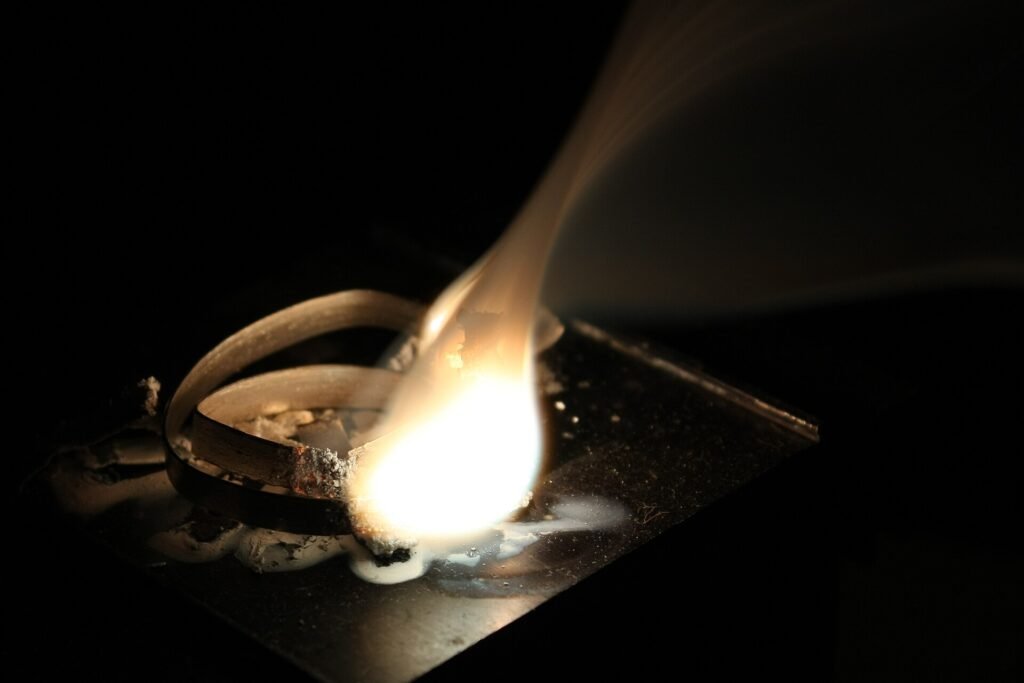
Magnesium is the chemical element with atomic number 12 and the symbol Mg. It is a silvery-white alkaline earth metal in group 2 of the periodic table, light enough to be used in aircraft and electronics, and it burns with a brilliant white light. Magnesium sits at the center of chlorophyll, the green pigment that
Magnesium Read More »
A light, silvery-white alkaline earth metal with atomic number 12 that burns brightly and sits at the center of chlorophyll.
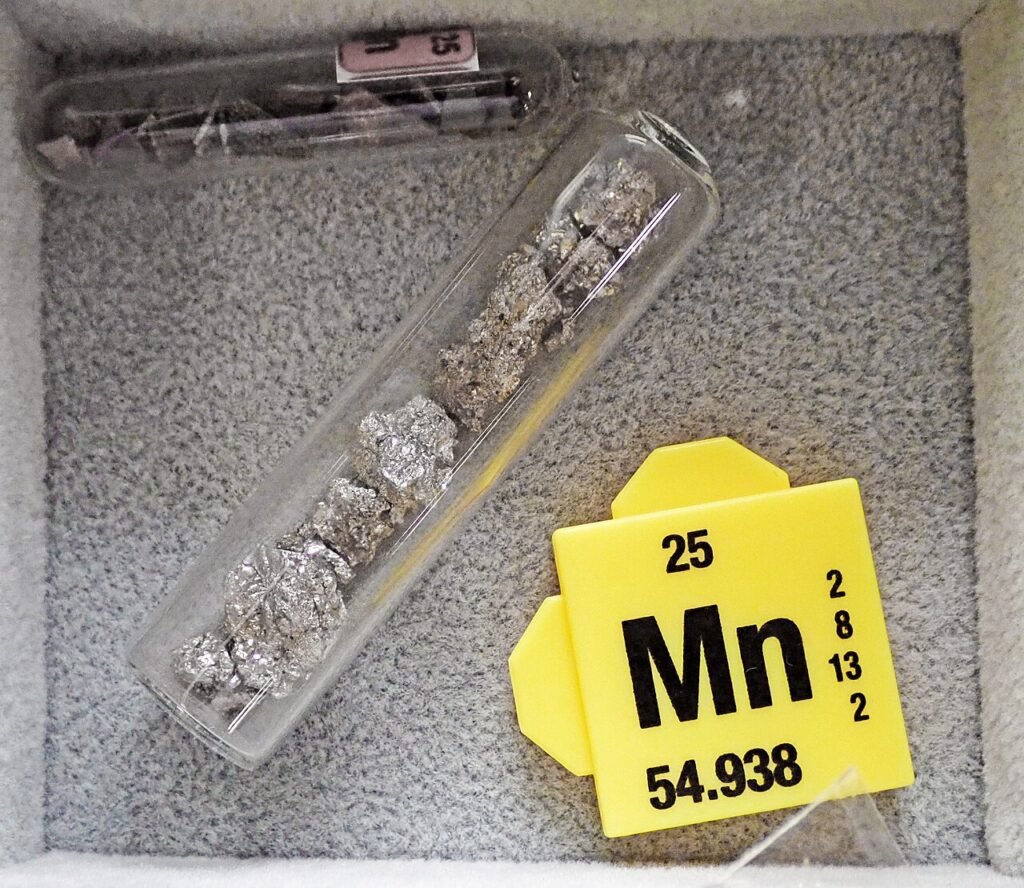
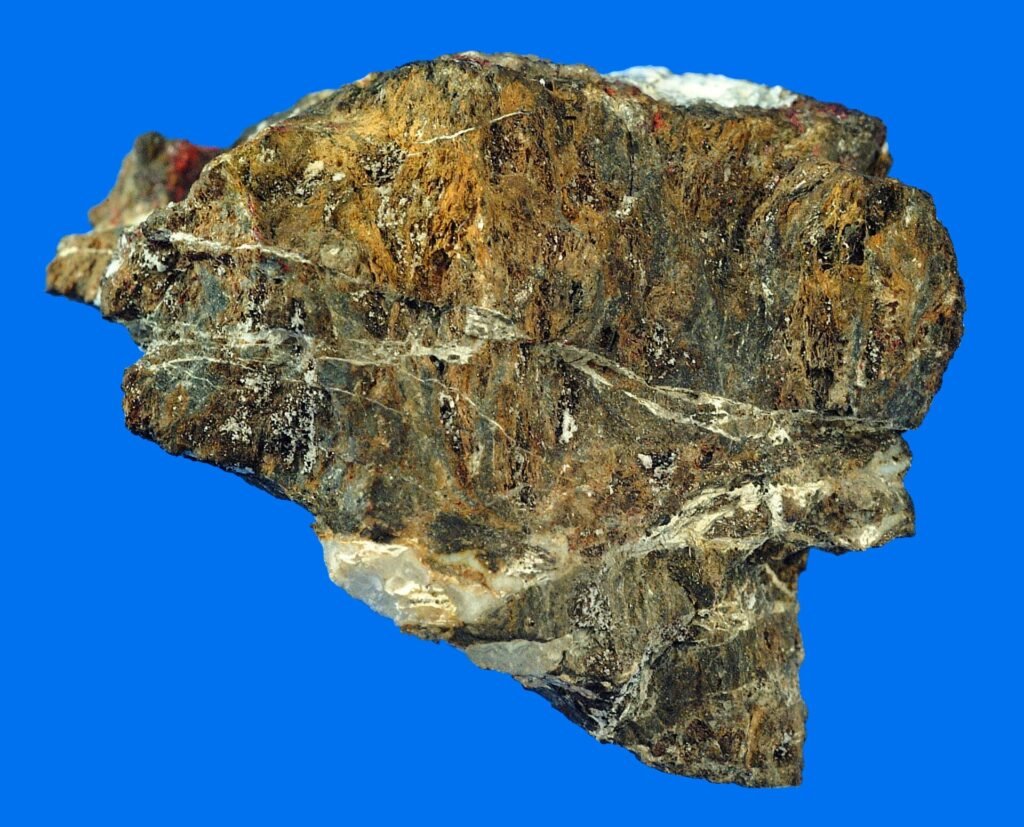
Manganese is the chemical element with atomic number 25 and the symbol Mn. It is a hard, brittle, silvery metal in group 7 of the periodic table, and almost all of it is used to make steel and other alloys. The element is also essential to living things, including humans. History of manganese People used
Manganese Read More »
A hard, brittle, silvery metal with atomic number 25, used mainly in steel and essential to living things.
Mercury is the chemical element with atomic number 80 and the symbol Hg. It is a silvery metal that is liquid at room temperature. Because of its toxicity, many former uses of mercury, including thermometers and some lamps and batteries, have been phased out or are under review. History of mercury Cinnabar, also called vermilion
Mercury Read More »
A silvery metal with atomic number 80 that is liquid at room temperature and toxic, so many uses are being phased out.
Neon is the chemical element with atomic number 10 and the symbol Ne. It is a colorless, odorless noble gas in group 18 that glows reddish orange when electricity passes through it at low pressure, which is the basis of the neon sign. Neon is chemically almost inert, and it is rare in Earth’s atmosphere
Neon Read More »
An inert, colorless noble gas with atomic number 10 that glows red-orange in discharge tubes and is used in neon signs.