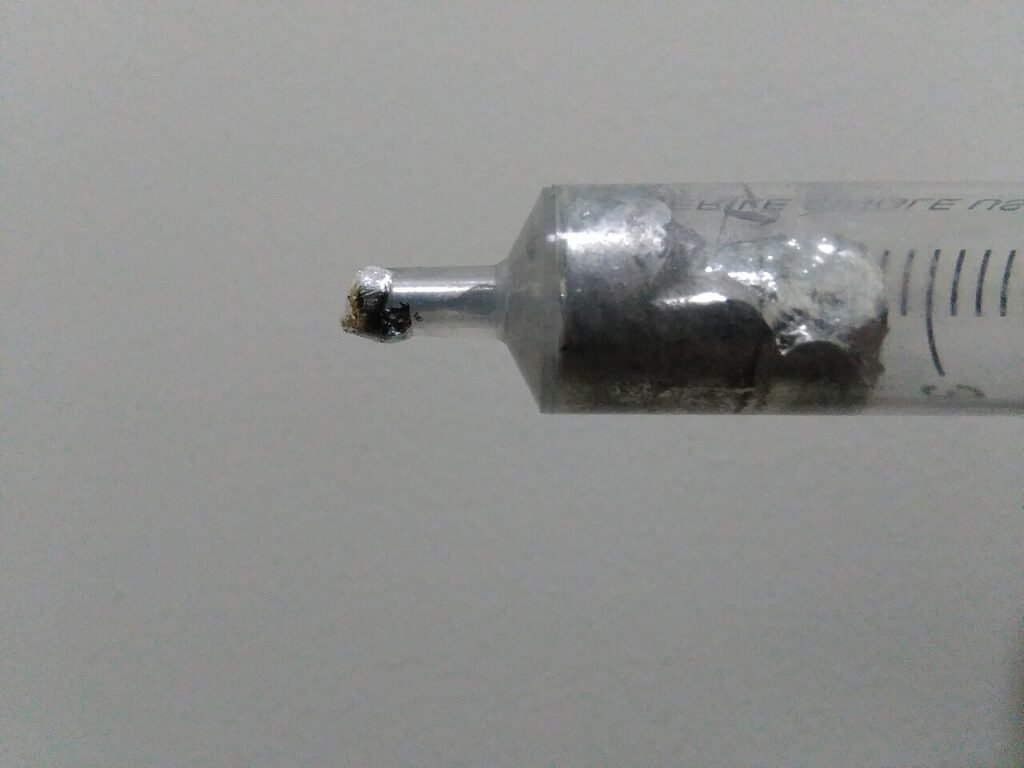
Calcium is the chemical element with atomic number 20 and the symbol Ca. It is a soft, silvery-white alkaline earth metal in group 2 of the periodic table, and it is the fifth most abundant metal in the Earth’s crust. Calcium is essential to bones, teeth and shells, and its compounds, such as limestone, are
Calcium Read More »
A soft, silvery-white alkaline earth metal with atomic number 20 that is essential to bones, teeth and shells.
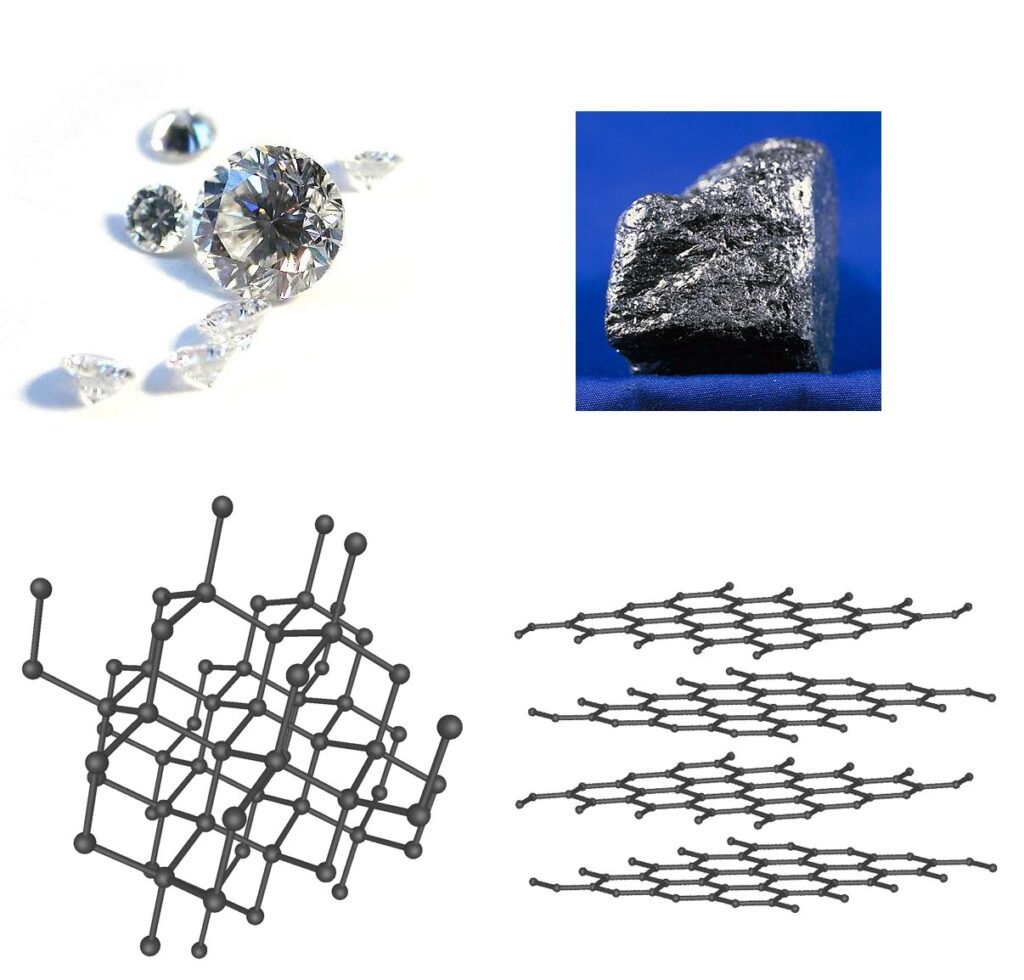
Carbon is the chemical element with atomic number 6 and the symbol C. It is a nonmetal in group 14 of the periodic table, and it is the element on which all known life is built. Carbon occurs in several very different forms, including soft graphite, hard diamond and the nanoscale materials called fullerenes and
Carbon Read More »
A nonmetal with atomic number 6 that forms diamond, graphite and the chains of organic chemistry, making it the basis of known life.
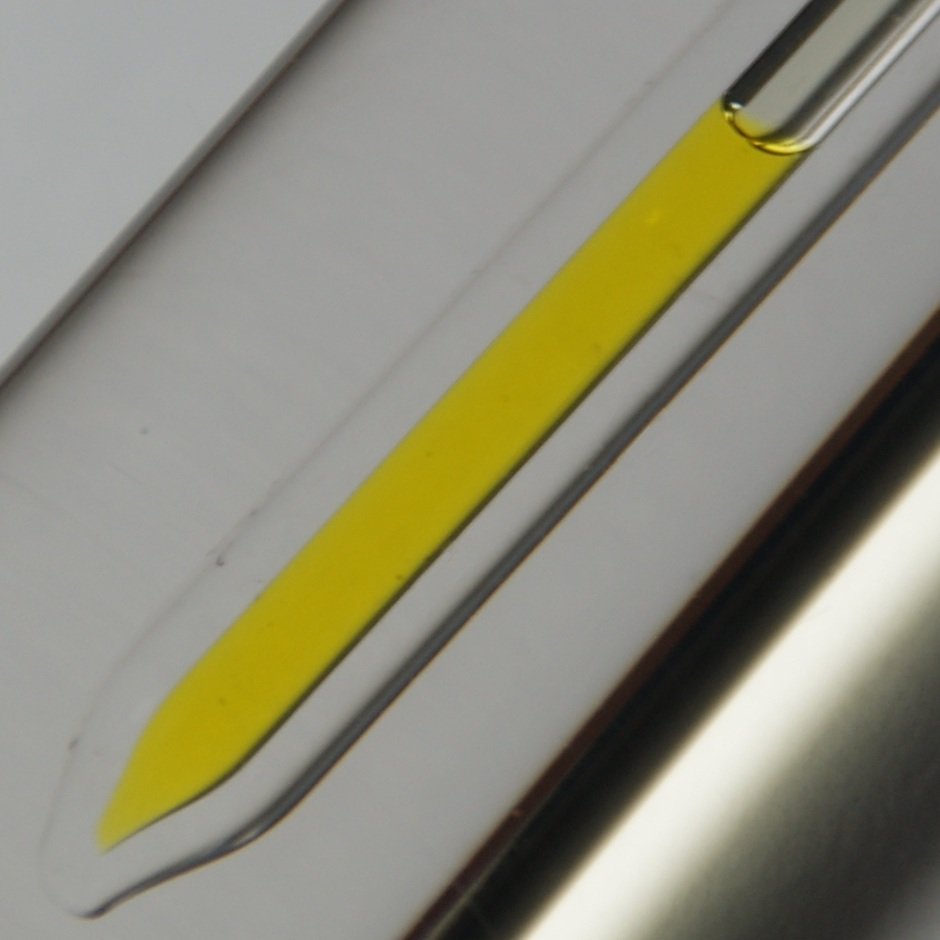
Chlorine is the chemical element with atomic number 17 and the symbol Cl. It is a yellow-green gas with a sharp, choking smell, and it belongs to the halogens in group 17 of the periodic table. Chlorine is toxic as a gas, yet its compounds are everywhere, from table salt to drinking water treatment and
Chlorine Read More »
A yellow-green, toxic gas with atomic number 17 that is used to disinfect water and to make plastics such as PVC.
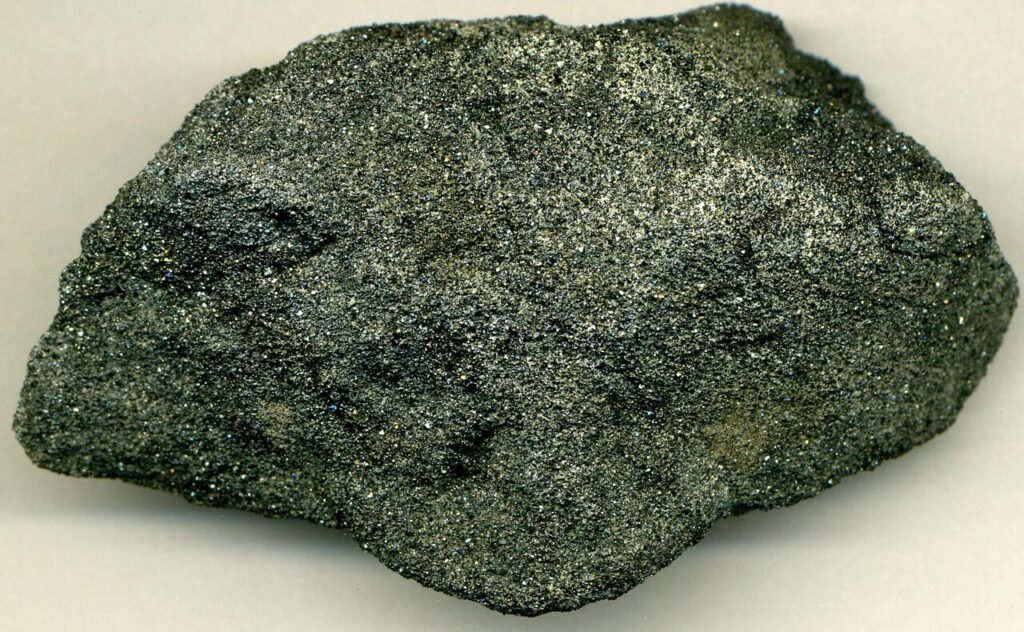
Chromium is the chemical element with atomic number 24 and the symbol Cr. It is a hard, silvery metal with a faint blue tinge, and it belongs to group 6 of the periodic table. Chromium is best known for two jobs: it is the ingredient that makes stainless steel resist rust, and it supplies the
Chromium Read More »
A hard, silvery transition metal with atomic number 24, used to make stainless steel and chrome plating.
Cobalt is the chemical element with atomic number 27 and the symbol Co. It is a lustrous, silvery-blue, magnetic metal in group 9 of the periodic table. Cobalt has been valued for centuries as the source of a brilliant blue color, and today it is also important in strong magnets, high-temperature alloys and medicine. History
Cobalt Read More »
A lustrous, silvery-blue, magnetic metal with atomic number 27, used in magnets, alloys and blue pigments.
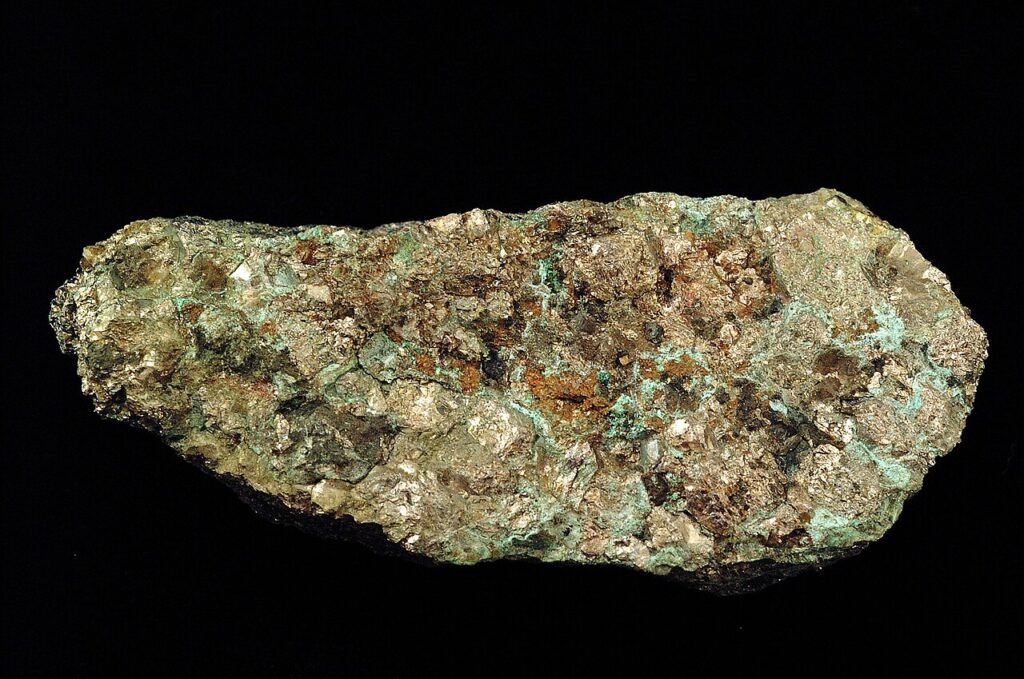
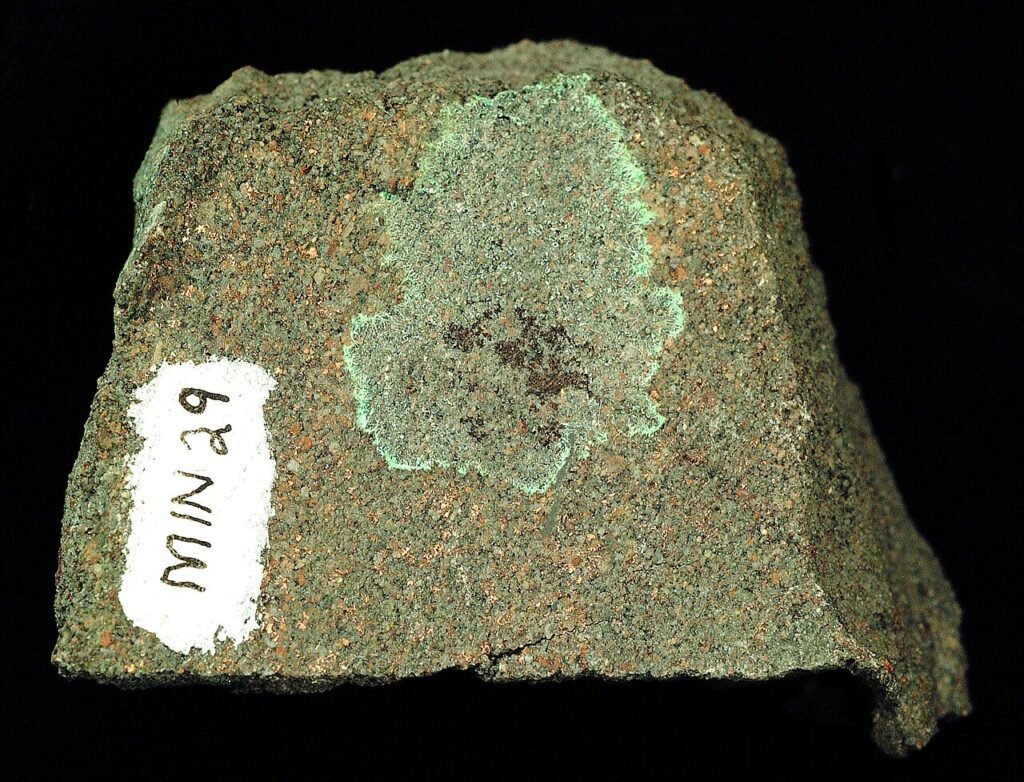
Copper is the chemical element with atomic number 29 and the symbol Cu. It is a reddish-gold metal in group 11 of the periodic table that is easily worked and drawn into wire. Copper conducts both heat and electricity very well, and most of it is used in electrical equipment, construction and industrial machinery. History
Copper Read More »
A reddish-gold metal with atomic number 29 that conducts heat and electricity well and is used in wiring and bronze.
Fluorine is the chemical element with atomic number 9 and the symbol F. It is a very pale yellow-green gas in group 17, the halogens, and it is the most reactive of all the elements. In nature it occurs only in compounds, and the fluoride ions in those compounds are familiar from toothpaste, drinking water
Fluorine Read More »
A pale yellow-green gas, atomic number 9, the most reactive element, found as fluorides used in toothpaste, plastics and nuclear fuel processing.
Gallium is the chemical element with atomic number 31 and the symbol Ga. It is a soft, silvery-white metal in group 13 of the periodic table, similar in appearance to aluminum. Gallium melts at a temperature just below that of the human body, and it is an important ingredient in modern semiconductors and light-emitting diodes.
Gallium Read More »
A soft, silvery-white metal with atomic number 31 that melts near 30 degrees Celsius and is used in semiconductors and LEDs.
Gold is the chemical element with atomic number 79 and the symbol Au. It is a soft, yellow metal that is chemically unreactive, dissolving only in a special acid mixture. Gold has been used for jewelry, coins and ornament since prehistoric times, and it is now also important in electronics, dentistry and chemical manufacturing. History
Gold Read More »
A soft, yellow, chemically unreactive metal with atomic number 79, used for jewelry, coinage and electronics.
Helium is the chemical element with atomic number 2 and the symbol He. It is a colorless, odorless gas that is almost completely unreactive, and it is the first member of the noble gas family in group 18 of the periodic table. After hydrogen it is the second most abundant element in the universe, yet
Helium Read More »
The second-lightest chemical element, atomic number 2, an inert colorless gas and the second most abundant element in the universe.