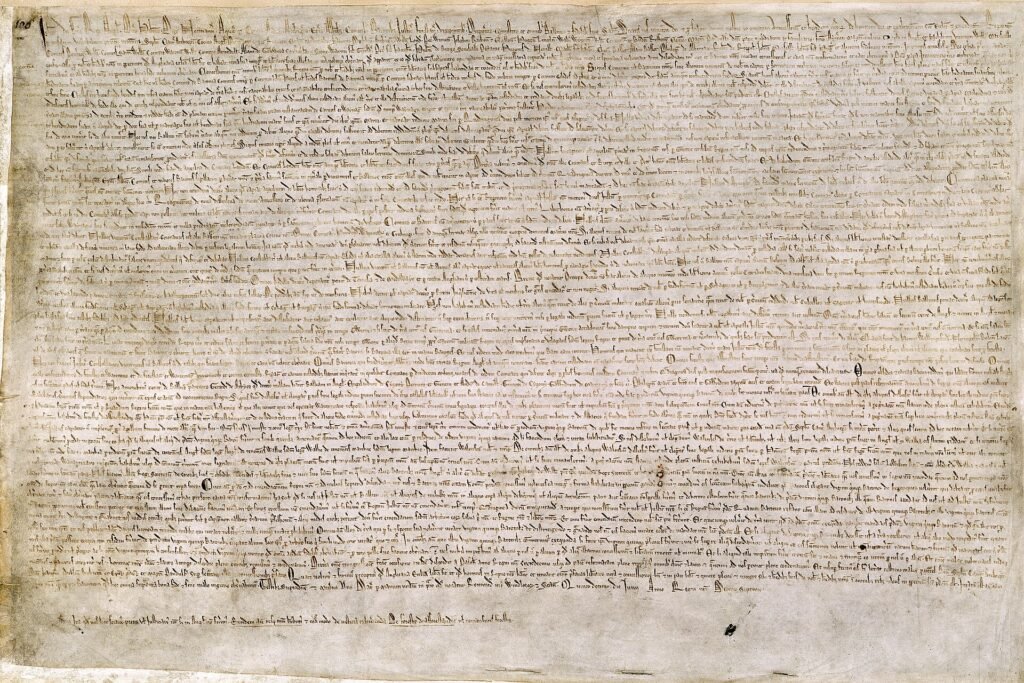
Magna Carta, Latin for “Great Charter,” is a charter of liberties that King John of England sealed in June 1215 to head off a rebellion by his barons. Its original terms protected a privileged class and collapsed within weeks. Later reissues and centuries of reinterpretation turned it into a lasting symbol of the rule of
Magna Carta Read More »
A charter of liberties sealed by King John in 1215 that limited royal power and later became a symbol of the rule of law.
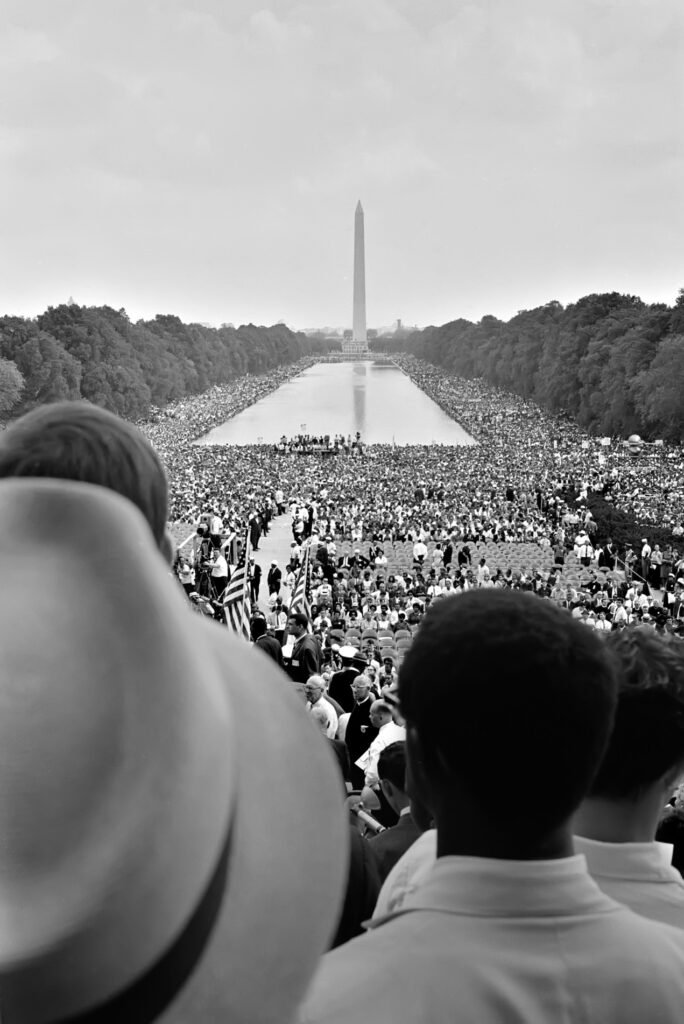
The March on Washington for Jobs and Freedom was a mass demonstration for civil rights and economic justice held in Washington, D.C., on 28 August 1963. More than 200,000 people took part, and the National Park Service puts the crowd at an estimated 250,000. It is best remembered for the “I Have a Dream” speech
March on Washington Read More »
The 28 August 1963 civil rights demonstration in Washington, D.C., attended by over 200,000 people, where Martin Luther King Jr. gave his "I Have a Dream" speech.
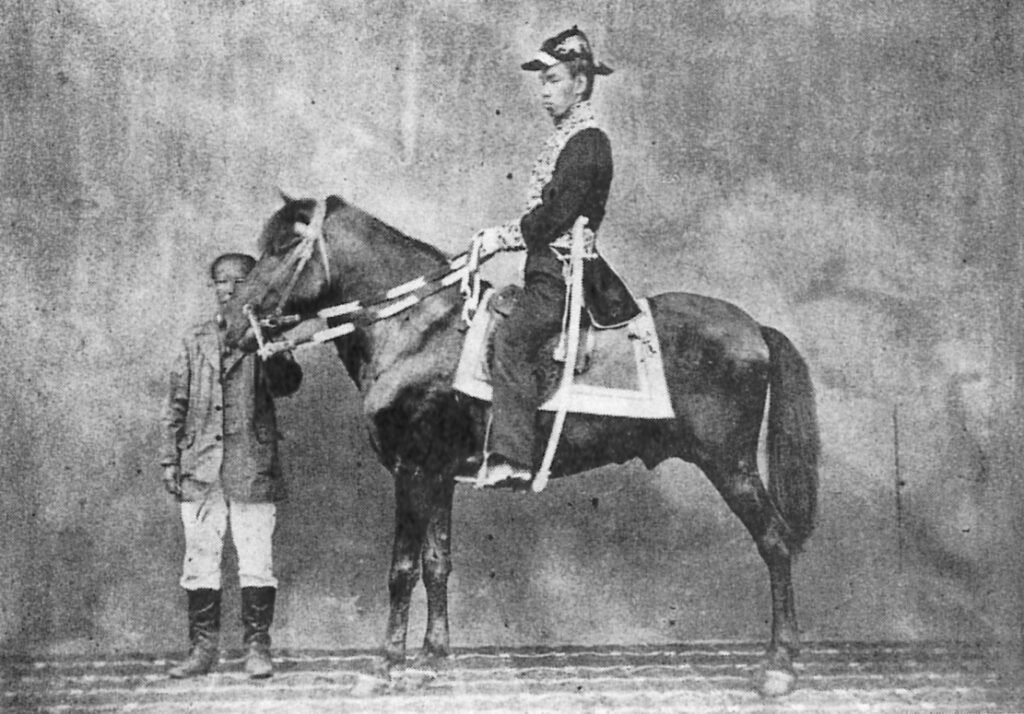
The Meiji Restoration was the political change in Japan in 1868 in which the Tokugawa shogun lost power and the emperor was restored to the head of the state. It led to the end of feudalism and to rapid modernization along Western lines. The emperor took the reign name Meiji, which means enlightened rule. Background
Meiji Restoration Read More »
The 1868 political change in Japan in which the Tokugawa shogun lost power and the emperor was restored, launching rapid modernization.
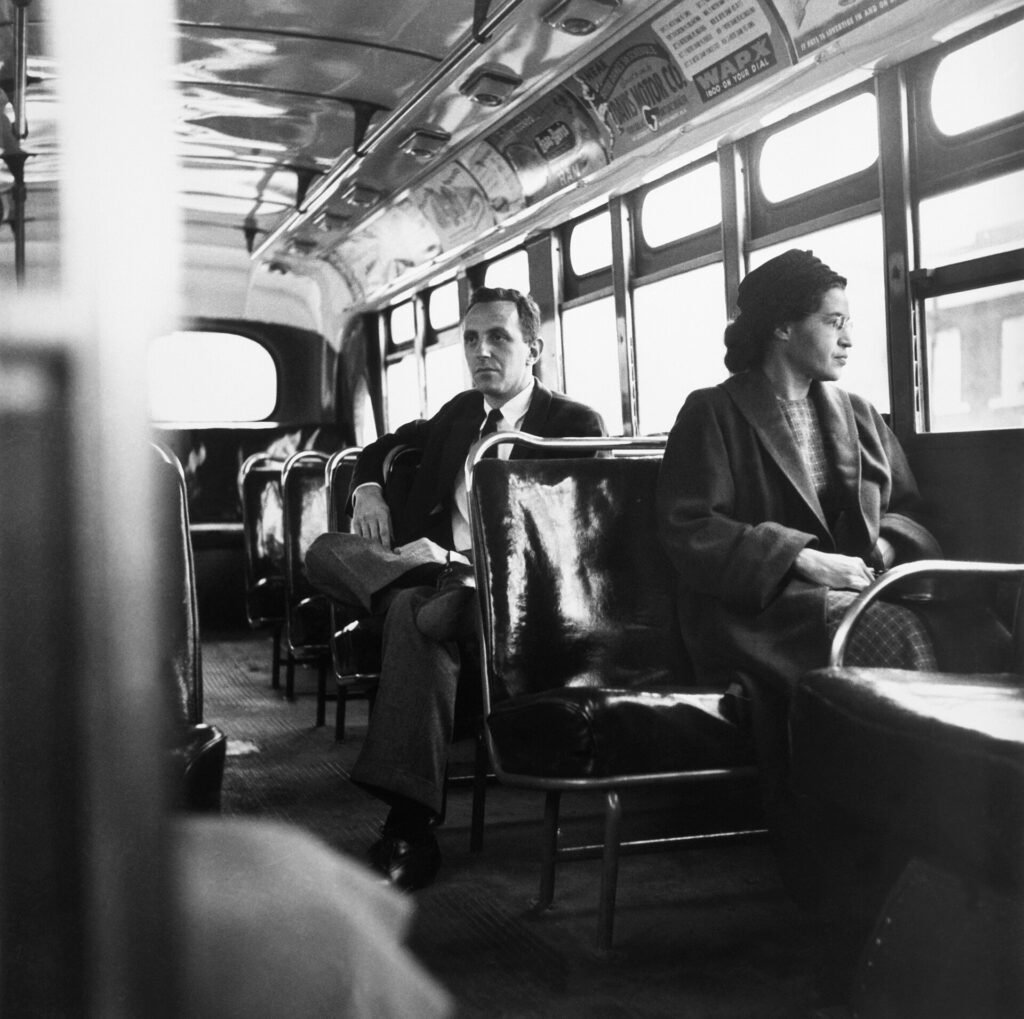
The Montgomery bus boycott was a mass protest by Black residents of Montgomery, Alabama, in the United States against segregated city buses. It lasted for 13 months, from December 1955 to December 1956, and ended after the U.S. Supreme Court affirmed that segregated seating on public buses was unconstitutional. The campaign made Martin Luther King
Montgomery bus boycott Read More »
A 13-month protest by Black residents of Montgomery, Alabama, from 1955 to 1956 that ended segregated seating on city buses.
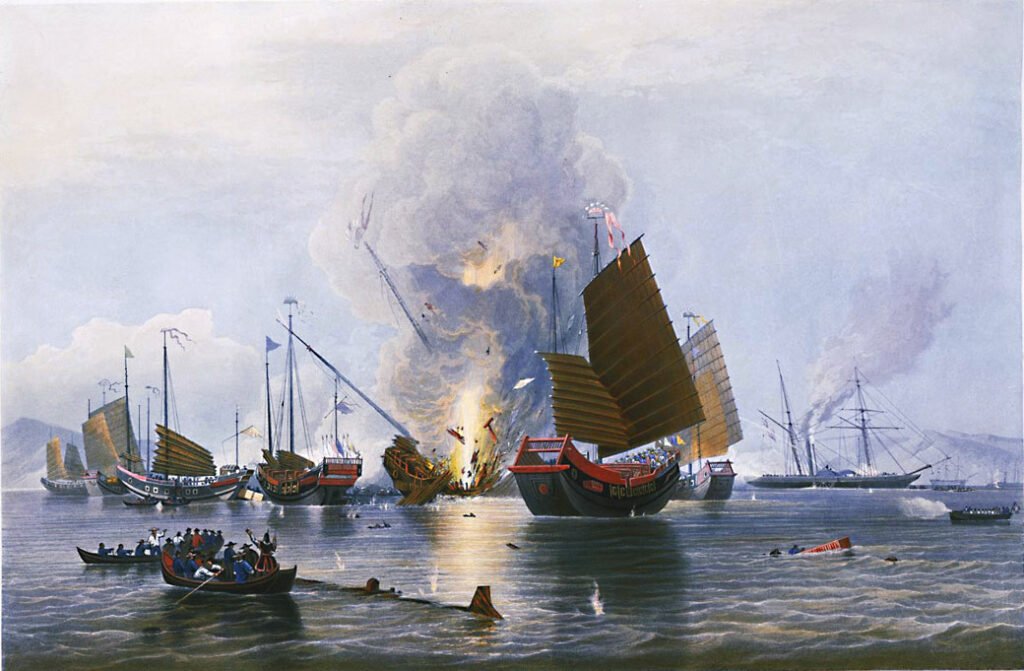
The Opium Wars were two conflicts in the nineteenth century in which Britain used military force against Qing China to open its markets to foreign trade. The first lasted from 1839 to 1842 and ended with the Treaty of Nanjing, signed in August 1842. The second was fought in the late 1850s and ended in
Opium Wars Read More »
Two nineteenth-century wars in which Britain forced Qing China to open its markets, starting with the Treaty of Nanjing in 1842.
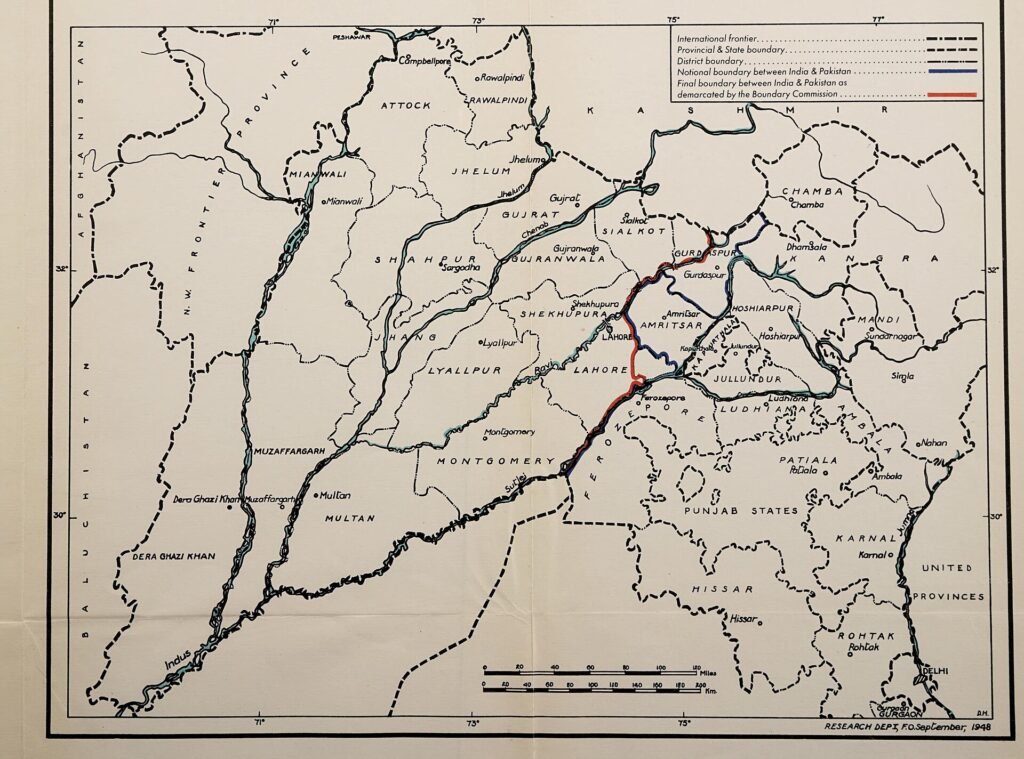
The Partition of India was the division of British India into two independent dominions, India and Pakistan, on 15 August 1947. It ended British rule in South Asia and drew a new border through the provinces of Punjab and Bengal. The division was followed by violence and one of the largest mass migrations in human
Partition of India Read More »
The 1947 division of British India into the independent dominions of India and Pakistan, followed by violence and mass migration.
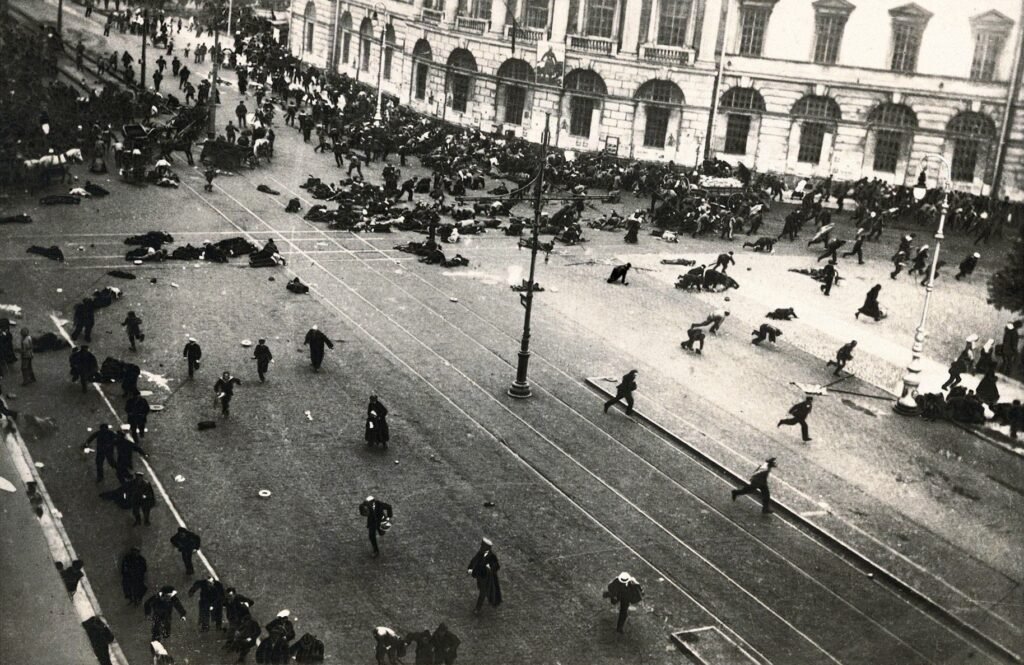
The Russian Revolution was the series of upheavals in 1917 that ended the rule of the tsars in Russia and brought the Bolsheviks, led by Vladimir Lenin, to power. It began with strikes and riots in Petrograd in March 1917, led to the abdication of Tsar Nicholas II, and reached its turning point on 7
Russian Revolution Read More »
The Russian Revolution was the 1917 overthrow of the tsarist state, followed by Bolshevik rule, a civil war and the founding of the USSR in 1922.
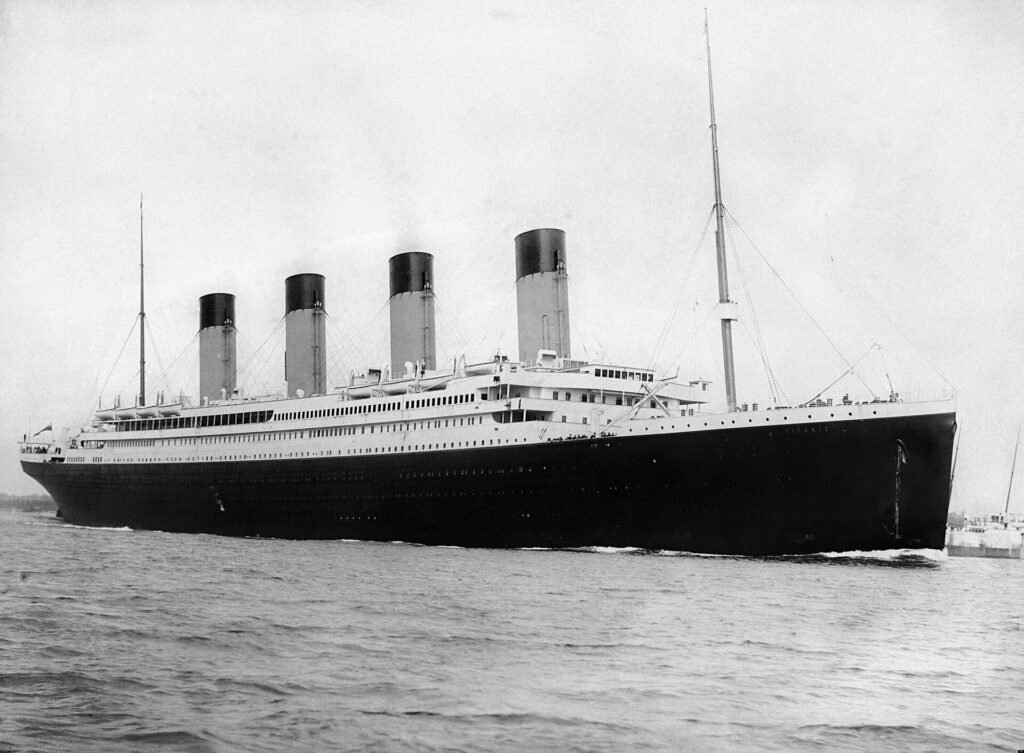
The sinking of the Titanic was a maritime disaster in the North Atlantic on 15 April 1912. The British passenger liner RMS Titanic struck an iceberg late on 14 April, on its maiden voyage from Southampton, England, to New York City, and sank in the early hours of the next morning. More than 1,500 people
Sinking of the Titanic Read More »
The loss of the British liner RMS Titanic in the North Atlantic on 15 April 1912 after hitting an iceberg, with more than 1,500 deaths.
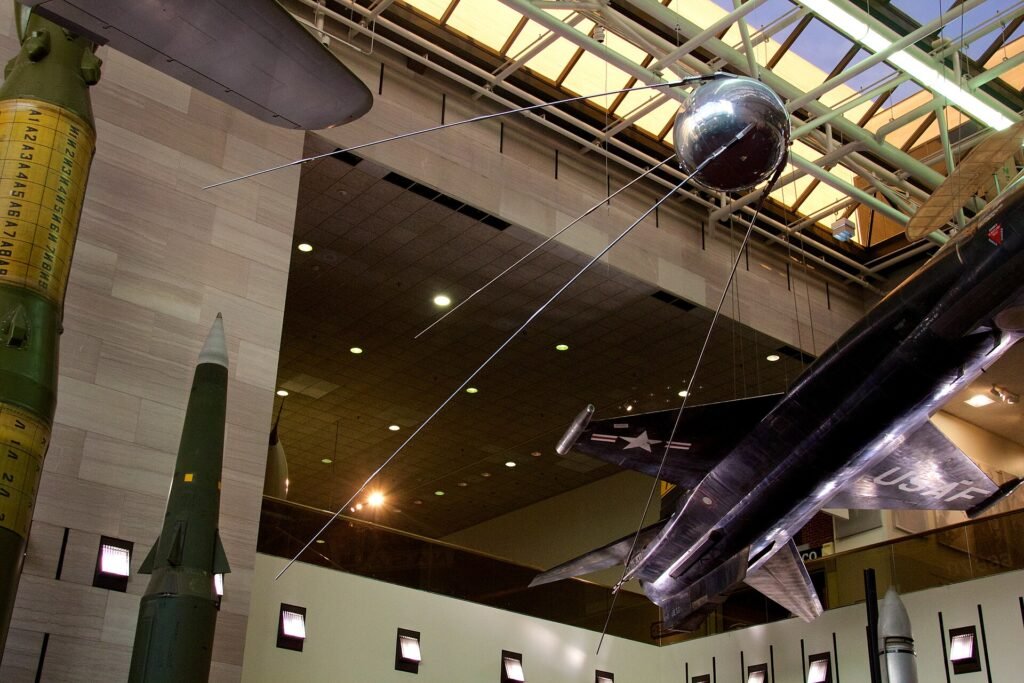
The Sputnik launch took place on 4 October 1957, when the Soviet Union sent Sputnik 1, the world’s first artificial Earth satellite, into orbit. The small metal sphere carried only a radio beacon, yet its success shocked the United States, intensified the Cold War and opened what became known as the Space Age. Background to
Sputnik launch Read More »
The Soviet Union's launch of Sputnik 1 on 4 October 1957, the first artificial Earth satellite, which began the Space Age and the space race.
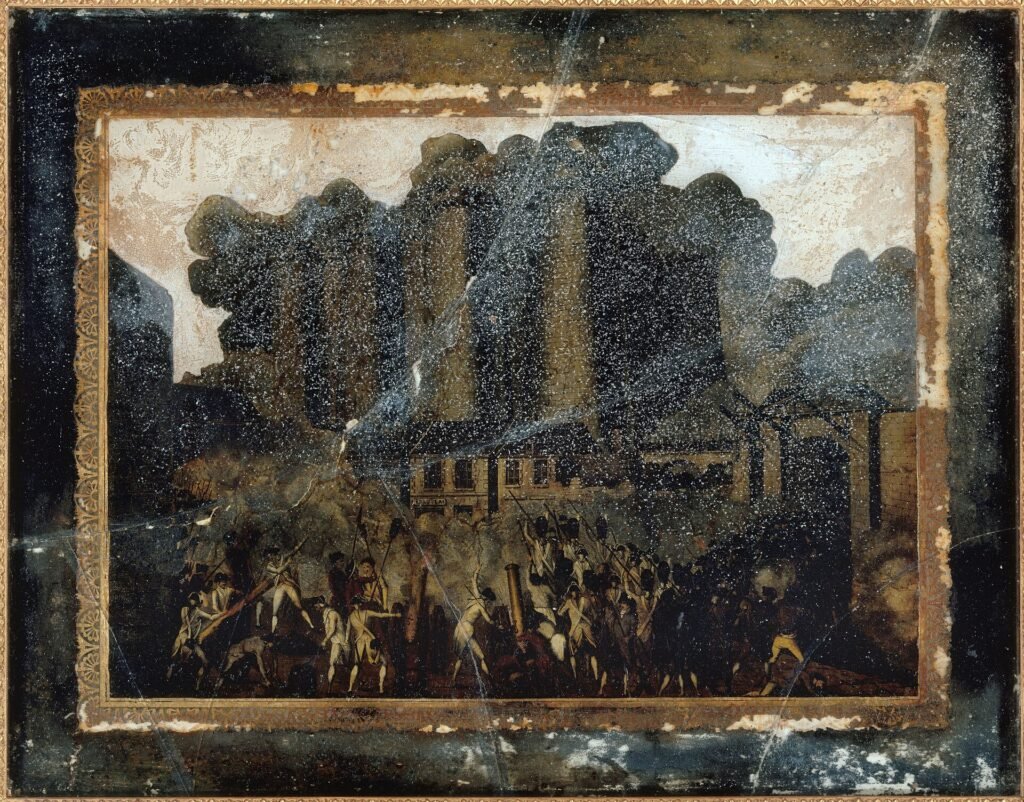
The storming of the Bastille took place in Paris on 14 July 1789, when a crowd attacked the Bastille, a royal fortress and state prison, seized its gunpowder and arrested its governor. Although the fortress held only seven prisoners, its fall became the best-known symbol of the early French Revolution and the end of royal
Storming of the Bastille Read More »
Attack by a Paris crowd on 14 July 1789 on the Bastille fortress and prison, a symbolic turning point in the early French Revolution.