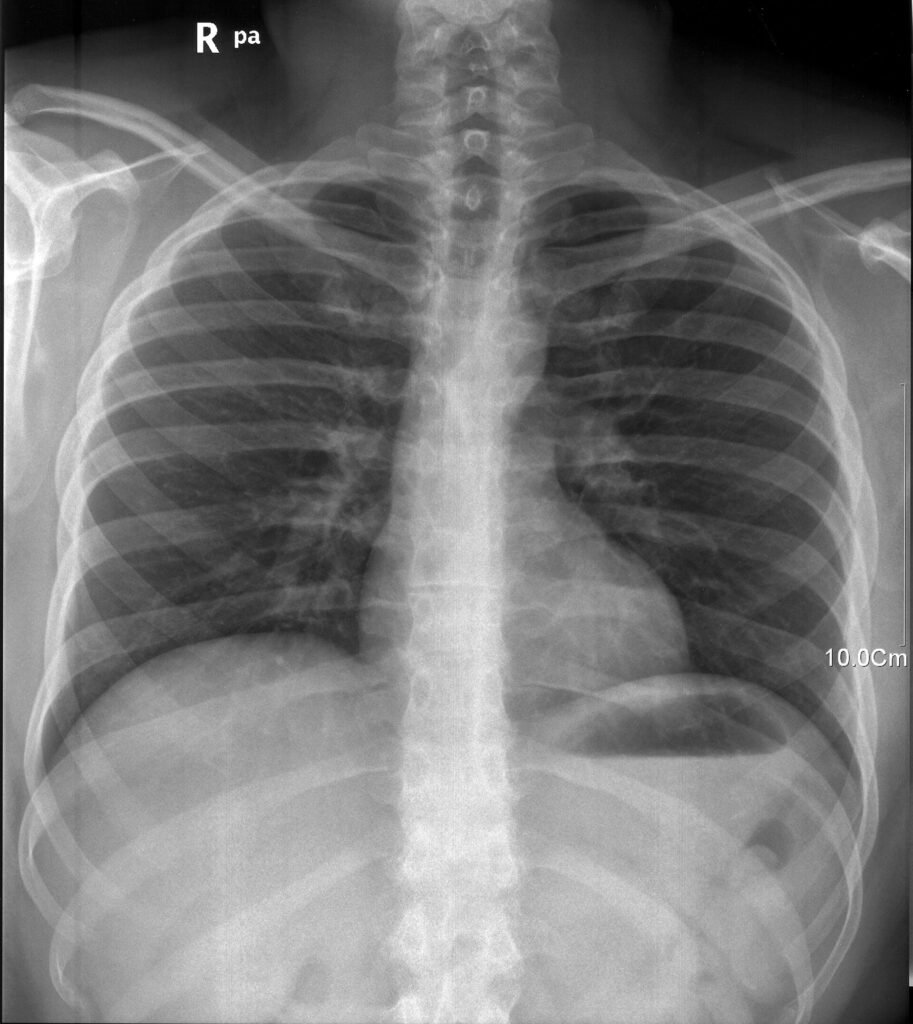
The World Health Organization (WHO) estimated that 10.7 million people fell ill with tuberculosis (TB) in 2024 and that the disease caused about 1.23 million deaths. Those figures come from the Global Tuberculosis Report 2025, the most recent edition we could confirm. This article on tuberculosis in 2024 summarizes WHO’s information sheet, shows how the numbers fit together and explains how far the world is from its End TB targets.
How many people got TB in 2024?
WHO estimates 10.7 million people fell ill with TB in 2024. Of these, 5.8 million were men, 3.7 million were women and 1.2 million were children and young adolescents. By our own arithmetic, those three groups add up to the stated total. WHO reports that TB incidence, the rate of new cases, fell 1.7% from 2023 to 2024. Our entry on tuberculosis describes the disease in general terms.
How many people died?
TB caused an estimated 1.23 million deaths in 2024, including about 150,000 among people with HIV. That is down from 1.25 million in 2023. By our own arithmetic, the fall is about 20,000 deaths, or roughly 1.6%. WHO’s sheet is a summary, so it does not break the deaths down by country in the text we used.
Is the world on track for the End TB targets?
No, according to WHO. The net reduction in the TB incidence rate from 2015 to 2024 was 12%, far from the End TB Strategy milestone of a 50% reduction by 2025. About half of TB patients and their households face catastrophic costs, defined by the strategy, and the target is zero. WHO describes both gaps as far from the targets.
Which countries have the most cases?
Eight countries account for two thirds of people who fell ill: India, Indonesia, the Philippines, China, Pakistan, Nigeria, the Democratic Republic of the Congo and Bangladesh. The top five of them account for 55%. Our entries on India, Indonesia and the Philippines cover three of the countries. The share reflects both the size of populations and the burden of disease, and WHO’s sheet does not rank countries by rate.
What about drug-resistant TB?
About 390,000 people developed multidrug-resistant or rifampicin-resistant TB (MDR/RR-TB) in 2024, and 164,545 were treated. By our own arithmetic, that is about 42% of cases, which matches WHO’s figure. Treatment success was 88% for drug-susceptible TB and 71% for rifampicin-resistant TB. Our entry on antibiotic resistance explains the wider problem of drugs losing effect.
What does funding look like?
WHO reports that available funding for TB services was US$5.9 billion in 2024, which it calls only 27% of the global target of US$22 billion. By our own arithmetic, that leaves a gap of about US$16.1 billion. Research funding was US$1.2 billion in 2023, far short of the global target of US$5 billion per year. WHO’s information sheet presents these as indicators of the shortfall and does not forecast what funding will be in later years.
What do the sex and age splits show?
WHO’s breakdown puts 5.8 million men, 3.7 million women and 1.2 million children and young adolescents among the people who fell ill in 2024. By our own arithmetic, men were about 54% of the total, women about 35% and children and young adolescents about 11%. The sheet does not explain why the shares differ, so we avoid guessing at reasons. It does show that the burden includes a large number of young people, which is why child-focused reporting is part of WHO’s monitoring.
How successful is treatment?
WHO reports treatment success of 88% for drug-susceptible TB and 71% for rifampicin-resistant TB. These are shares of people who started treatment, not of everyone who had TB, because many cases are not diagnosed or treated. By our own arithmetic, the 17-point gap between the two rates shows why drug-resistant forms are a specific concern. The sheet does not give the share of all cases that were diagnosed, so we do not state one.
How to read the numbers
Several points help. First, the figures are estimates because many cases are never diagnosed or reported, so the real numbers are uncertain. Second, incidence is a rate, while the 10.7 million figure is a count, so the count can stay high while the rate falls if the population grows. Third, 2024 figures were published in the 2025 report, so they are more than a year old. WHO’s reporting cycle means a newer edition may follow soon. These reading points are general and are not statements from WHO.
Why does TB still matter?
TB is both preventable and curable in most cases, according to the general public health consensus, yet it remains among the leading infectious causes of death. The sheet shows that the main gaps are in funding, access and drug-resistant disease. This article reports population-level figures and is not medical advice. A person with symptoms should speak with a clinician or a local health service.
Related reading: Global Hunger in 2025: FAO Estimates 645 Million People Faced Hunger and 2.7 Billion Cannot Afford a Healthy Diet.
Glossary
- Incidence: the number of new cases in a period, or the rate per population
- MDR/RR-TB: multidrug-resistant or rifampicin-resistant tuberculosis
- Catastrophic costs: health-related spending that WHO’s strategy defines as too heavy for a household
- End TB Strategy: WHO’s strategy with milestones for reducing TB cases and deaths
- Drug-susceptible TB: TB that responds to standard first-line drugs
These definitions are general explanations and are not quoted from WHO.
What is not covered here?
The information sheet we used does not give country-level death counts, prevention figures or the share of cases diagnosed. We have not added them. Readers who need those details should open the full WHO report.
Key facts at a glance
- New TB cases in 2024: 10.7 million
- Deaths in 2024: about 1.23 million
- Incidence change 2023 to 2024: down 1.7%
- Net incidence reduction 2015 to 2024: 12%, against a 50% milestone for 2025
- Funding in 2024: US$5.9 billion, 27% of the US$22 billion target
Frequently asked questions
How many people got TB in 2024?
WHO estimates 10.7 million.
Are TB deaths falling?
WHO reports 1.23 million deaths in 2024, down from 1.25 million in 2023.
Which countries have the most cases?
India, Indonesia, the Philippines, China, Pakistan, Nigeria, the DRC and Bangladesh, together about two thirds of cases.
Is this medical advice?
No. It summarizes a WHO report.
More in Health
- Childhood Immunization in 2025: UNICEF and WHO Report 85% DTP3 Coverage and 13.5 Million Zero-Dose Children
- Global Hunger in 2025: FAO Estimates 645 Million People Faced Hunger and 2.7 Billion Cannot Afford a Healthy Diet
- World Health Statistics 2026: WHO Says Progress Is Slowing and the World Is Off Track for 2030
- The Hidden Cost of Health Systems That Wait for People to Get Sick