Volunteer management is the set of practices nonprofit and community organizations use to recruit, train, support, and retain unpaid volunteers who extend an organizations capacity well beyond what paid staff alone could accomplish. Effective volunteer management treats volunteers as a managed resource requiring deliberate investment, rather than simply accepting whoever shows up. Core Functions Volunteer
Volunteer Management Read More »
The practices nonprofit and community organizations use to recruit, train, support, and retain unpaid volunteers.
Walkability is a measure of how friendly an area is to walking, based on factors such as the presence and quality of sidewalks, the distance between destinations, street connectivity, safety from traffic, and the overall experience of moving through a place on foot rather than by car. Planners treat walkability as both a desirable urban
Walkability Read More »
A measure of how friendly an area is to walking, based on sidewalks, destination distance, connectivity, and safety.
Core Warehouse Processes Warehouse management covers everything that happens inside a warehouse between the arrival of goods and their departure. The main process steps are receiving incoming shipments, put-away into storage locations, order picking, packing, and shipping. Each step must be coordinated so that inventory is accurately tracked throughout. Warehouse Management Systems A warehouse management
Warehouse Management Read More »
Warehouse management is the set of processes and systems used to control the day-to-day operations of a warehouse, including receiving, storage, picking, and shipping.
In simple terms The water cycle is the constant movement of water around the planet: where it is stored, and how it travels between those stores. The US Geological Survey calls it the hydrologic cycle and defines it as describing where water is stored on Earth and how it moves. Energy from the sun and
Water cycle Read More »
The water cycle is the continuous movement of Earth's water between the ocean, the atmosphere, the land surface and underground stores.
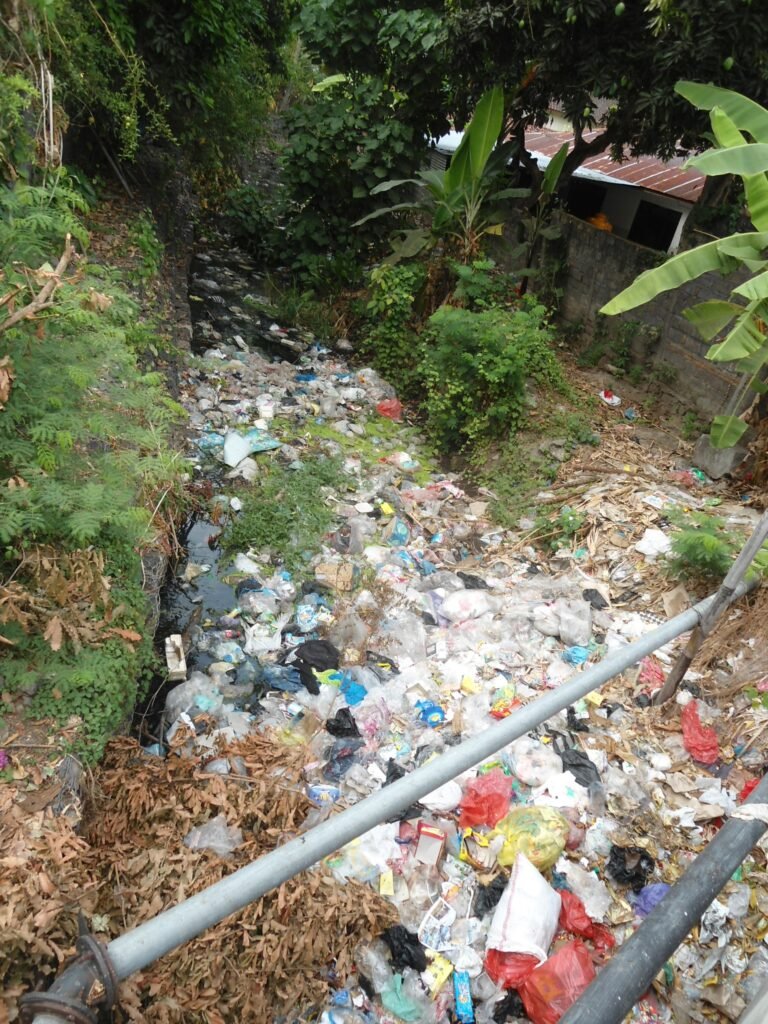
Water pollution is the contamination of groundwater, lakes, rivers, estuaries, or oceans by substances, or by energy such as heat, to a degree that interferes with the water’s beneficial uses or disrupts the natural functioning of the ecosystems that depend on it. It is one of the oldest recognized forms of environmental damage, since contaminated
Water pollution Read More »
Water pollution is the contamination of water by substances or heat to a degree that harms its beneficial uses or the ecosystems that depend on it.
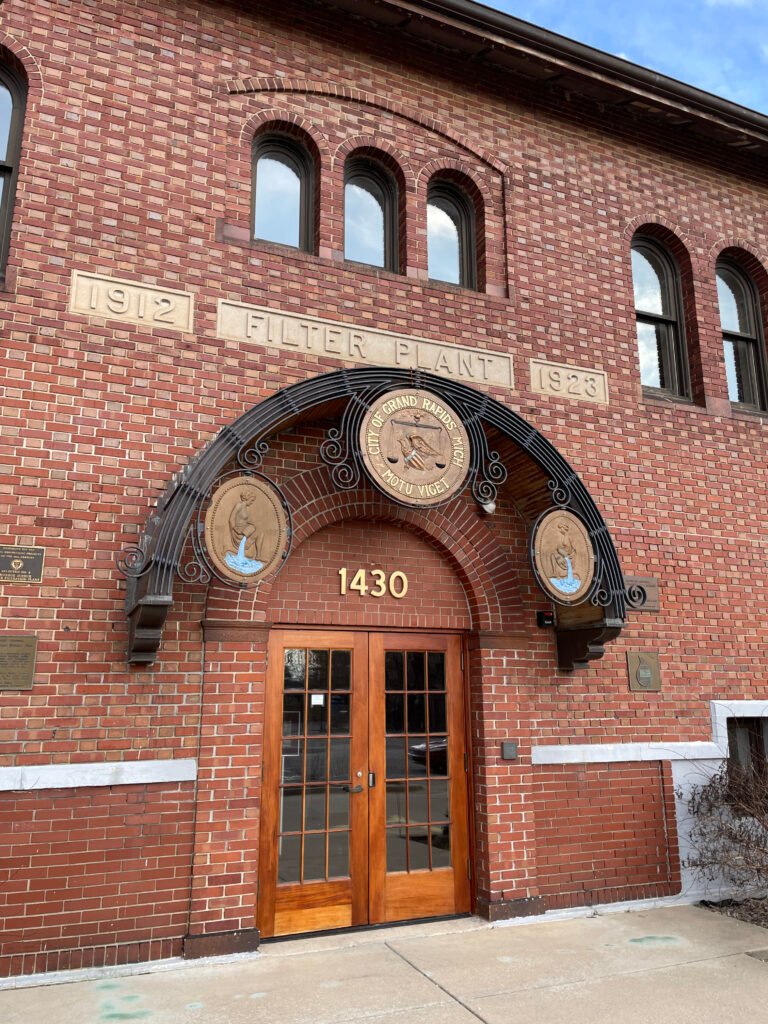
Water treatment is the set of physical, chemical, and biological processes used to make water safe to drink, safe to discharge into the environment, or suitable for industrial use. Civil and environmental engineers design water treatment systems for two broad purposes: drinking water treatment, which removes pathogens, chemicals, and particles from a raw water source
Water treatment Read More »
The physical, chemical, and biological processes used to make water safe to drink or safe to return to the environment.
Waterproofing is the application of materials and systems designed to prevent water from penetrating a building structure, protecting foundations, roofs, walls, and other building elements from moisture intrusion that can cause structural damage, mold growth, and deterioration of finishes over time. Waterproofing differs from water-resistant construction in that it aims to create a continuous, impermeable
Waterproofing Read More »
The application of materials and systems designed to prevent water penetration into a building structure.
In simple terms Wavelength is the distance from one crest of a wave to the next. It is a length, measured in meters, and for light it is what separates a radio broadcast from a sunbeam. The range is enormous. The shortest wavelengths scientists study are a fraction of the size of an atom. The
Wavelength Read More »
Wavelength is the distance from one wave crest to the next, and it decides whether light is a radio wave, visible color or gamma ray.
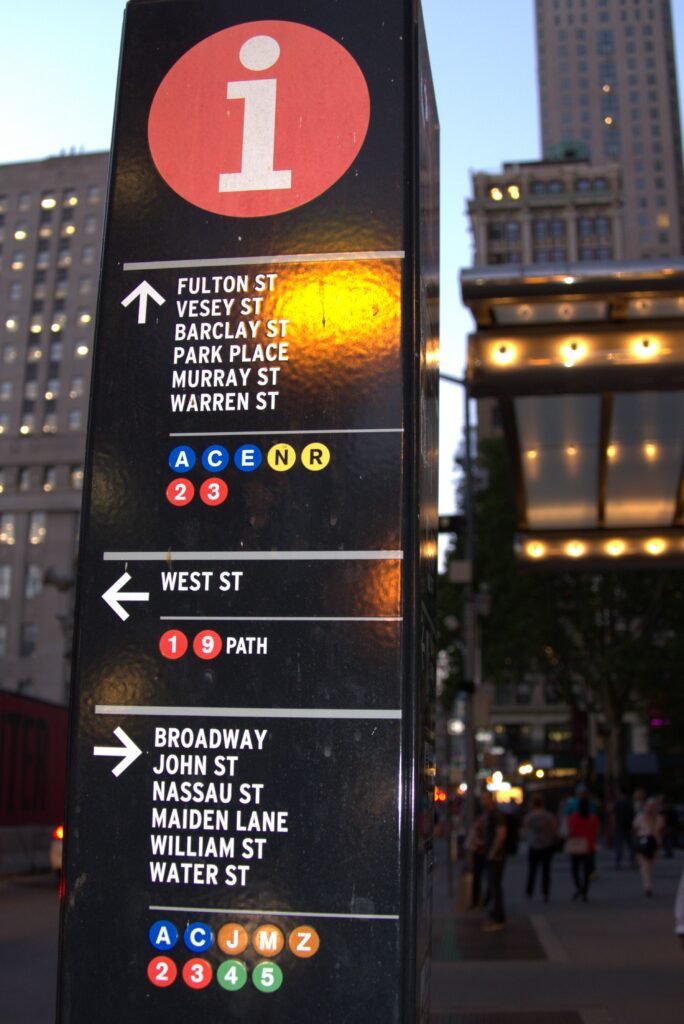
Wayfinding refers to how people orient themselves and find their way through physical space, as well as to the signs, maps, and other design elements created specifically to help them do so, a field that sits at the intersection of graphic design, architecture, and cognitive science. Origins of the term Urban planner Kevin Lynch introduced
Wayfinding Read More »
How people orient and navigate through physical space, and the signage and design that helps them do so.
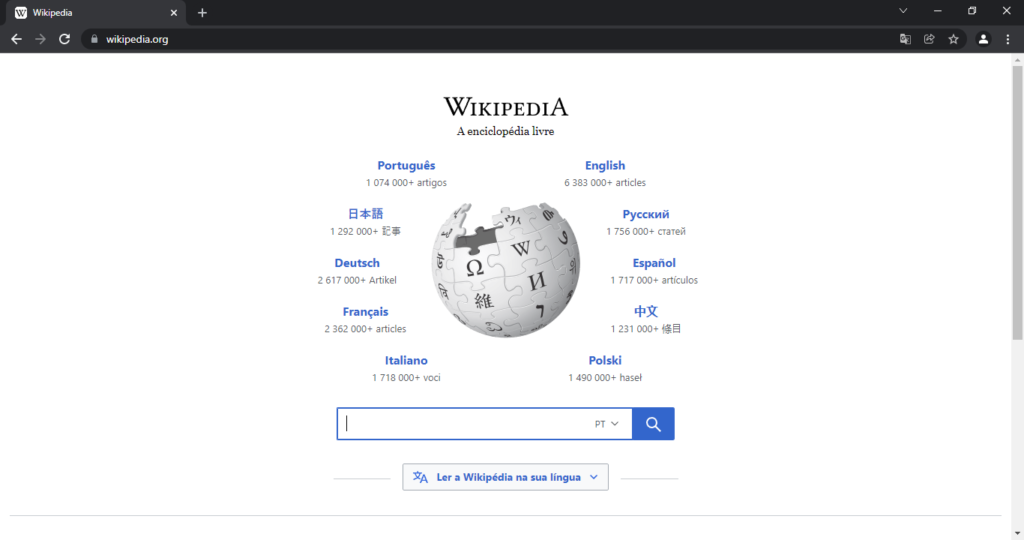
A web browser is software that lets a person access, navigate, and interact with content on the web, retrieving pages written in HTML and related technologies from remote servers and rendering them into the visual, interactive pages people see and use every day. Chrome, Safari, Firefox, and Edge are among the most widely used web
Web Browser Read More »
Software that retrieves, renders, and lets a person interact with content on the web, such as pages written in HTML.