Welding is a fabrication process that joins two or more pieces of material, almost always metal, by using heat, pressure, or both to cause the materials to fuse together at a molecular level, often with an added filler material that becomes part of the permanent joint. Unlike mechanical fasteners such as bolts or rivets, which
Welding Read More »
A fabrication process that fuses materials together using heat, pressure, or both, often with added filler metal.
Overview Welfare reform refers to legislative and administrative changes intended to alter the structure, eligibility requirements, or underlying goals of government assistance programs. Reform efforts are typically motivated by concerns about program cost, long-term dependency, or perceived gaps between program design and intended outcomes, and can expand, restrict, or fundamentally restructure existing benefits. The 1996
Welfare Reform Read More »
Legislative and policy changes aimed at altering the structure, eligibility rules, or goals of government assistance programs.
Overview A welfare state is a model of government in which the state accepts responsibility for the economic and social wellbeing of its citizens. This responsibility is generally expressed through a range of public programs, including healthcare, education, unemployment benefits, pensions, and housing assistance, all funded primarily through taxation and redistributed according to need or
Welfare State Read More »
A system in which government takes primary responsibility for the economic and social wellbeing of its citizens through public programs and services.
Overview Welfare-to-work programs, sometimes referred to as workfare, require or strongly encourage recipients of cash assistance to participate in employment-related activities as a condition of continuing to receive benefits. These activities may include active job search, vocational training, subsidized employment placements, or community service work, and they became a central feature of American welfare policy
Welfare-to-Work Programs Read More »
Government initiatives that require or encourage welfare recipients to participate in employment, job training, or related activities as a condition of receiving benefits.
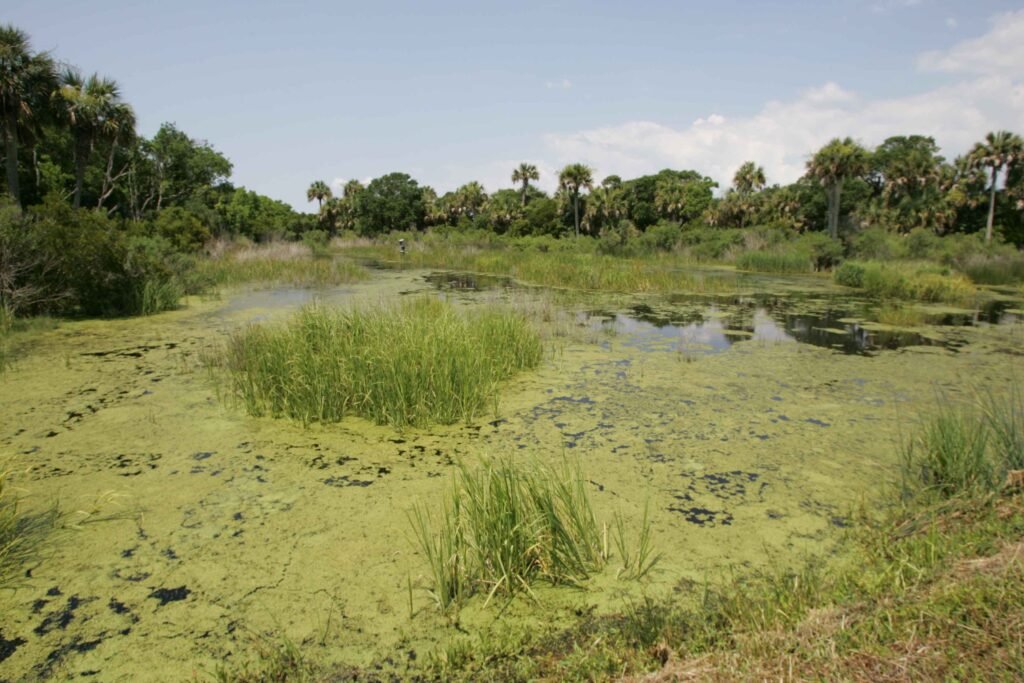
A wetland is land where water covers the soil, or saturates it close to the surface, for all or part of the year, creating conditions distinct enough from both dry land and open water to support their own characteristic plants, soils, and animal life. Marshes, swamps, bogs, fens, and many floodplains and river deltas all
Wetland Read More »
A wetland is land covered or saturated by water for all or part of the year, supporting ecosystems distinct from both dry land and open water.
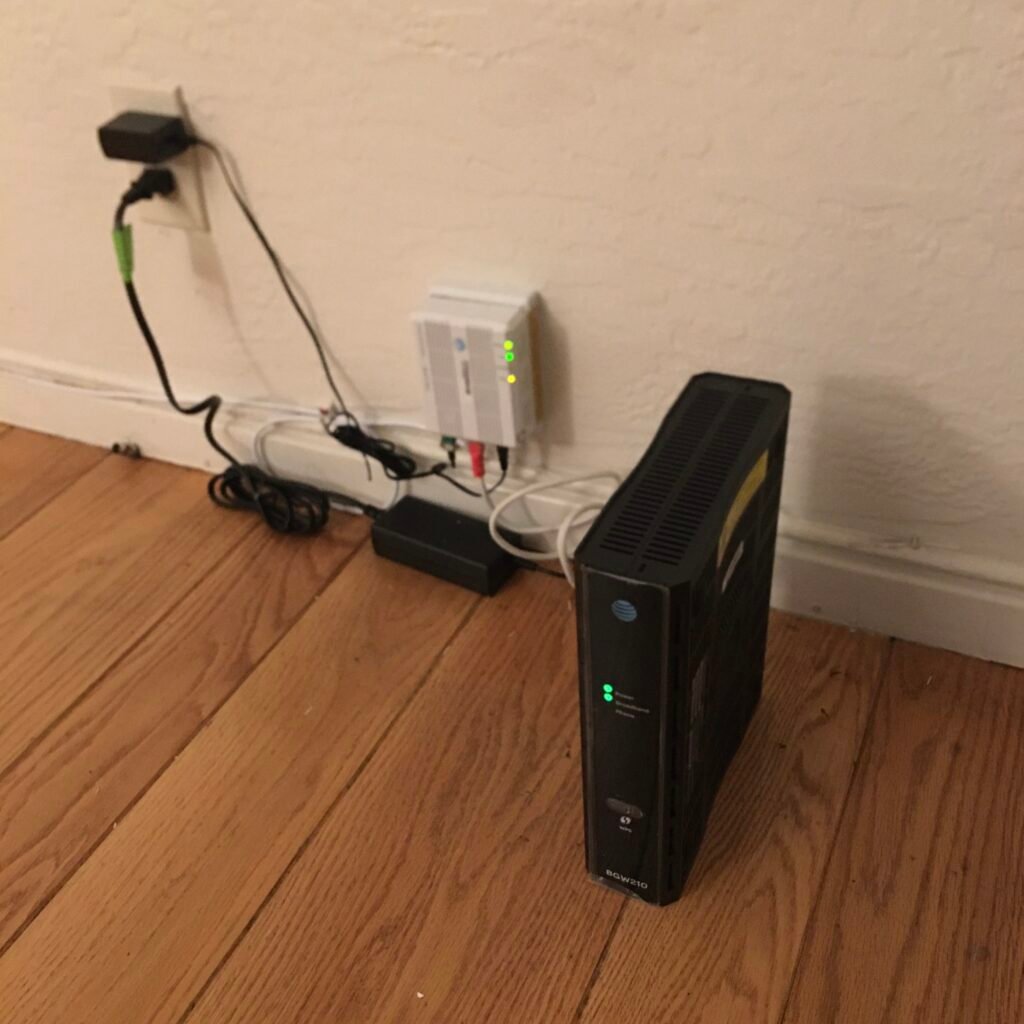
Wi-Fi is a wireless networking technology that lets devices such as laptops, phones, and smart home gadgets connect to a local network and the internet without a physical cable, using radio waves to transmit data over short to moderate distances. Named as a catchy, marketable alternative to its more technical formal name, Wi-Fi is built
Wi-Fi Read More »
A wireless networking technology that uses radio waves to connect devices to a local network and the internet without cables.
Scope and Goals of Wildlife Conservation Wildlife conservation encompasses the scientific study, policy development, and on-the-ground management practices aimed at maintaining viable populations of wild species and the ecosystems that support them. The field has evolved considerably from early twentieth-century efforts focused narrowly on game species management toward a broader ecosystem-based approach that recognizes the
Wildlife Conservation Read More »
The practice and policy of protecting wild animal species and their habitats from decline, extinction, and the pressures of human activity.
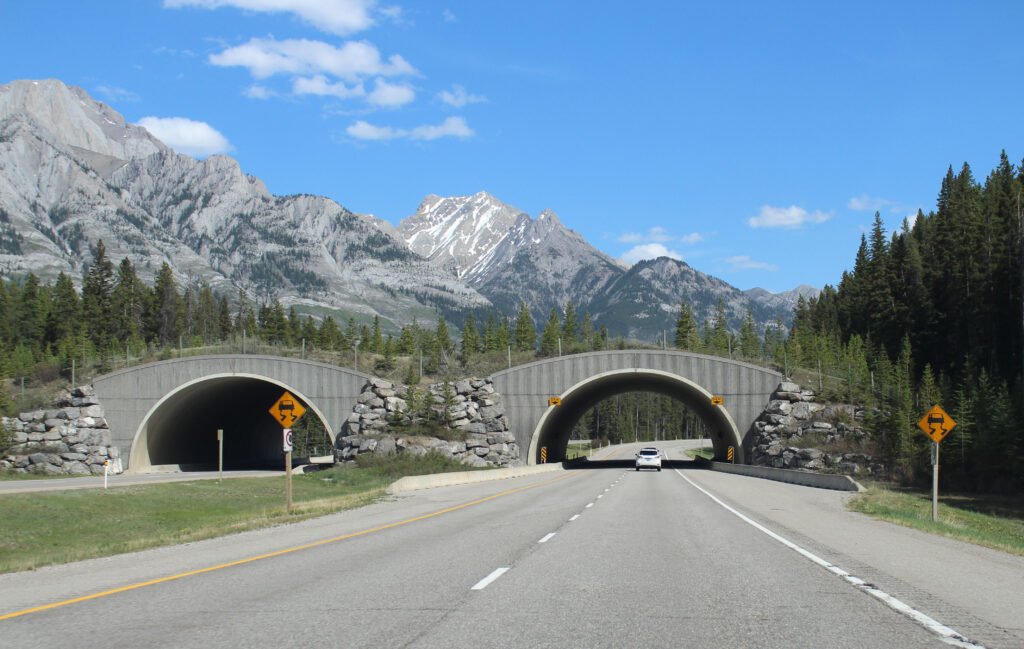
A wildlife corridor is a strip or network of natural habitat that connects otherwise isolated patches of larger habitat, allowing animals to move safely between them for feeding, breeding, seasonal migration, and the exchange of genetic material between separated populations. Corridors have become one of the most widely implemented tools for countering the harmful effects
Wildlife Corridor Read More »
A wildlife corridor is a strip of connected habitat that lets animals move safely between isolated patches to feed, breed, and migrate.
Purpose and Scope of Wildlife Disease Surveillance Wildlife disease surveillance involves systematic monitoring of wild animal populations to detect disease occurrence, track outbreak patterns, and assess broader ecological and public health risks. This work has grown significantly in importance as researchers have documented the substantial role wildlife plays as a reservoir for pathogens capable of
Wildlife Disease Surveillance Read More »
The systematic monitoring and investigation of disease occurrence in wild animal populations to detect outbreaks and assess risks to wildlife, livestock, and human health.
Fundamentals of Population Dynamics Wildlife population ecology examines how population size and structure change over time as a function of birth rates, death rates, immigration, and emigration, collectively determining whether a population grows, declines, or remains stable. Understanding these dynamics requires tracking not just total population size but also age and sex structure, since a
Wildlife Population Ecology Read More »
The scientific study of how wildlife population size, density, and structure change over time in response to birth, death, migration, and environmental factors.