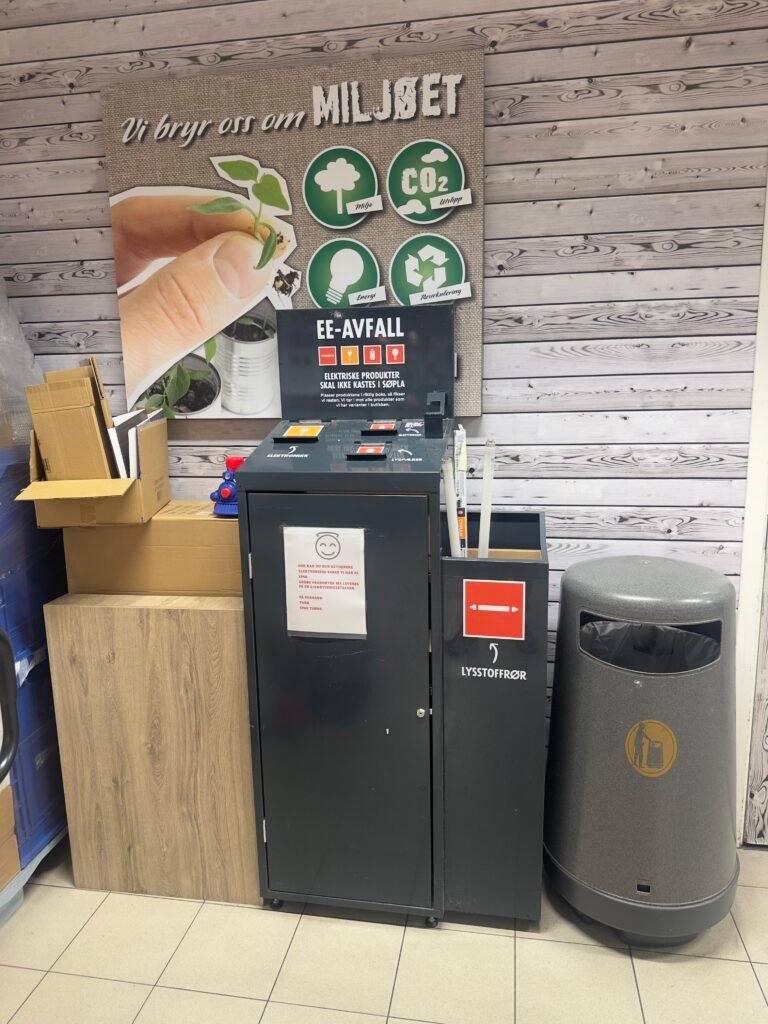
What Reverse Logistics Covers Reverse logistics manages the flow of goods moving backward through the supply chain, from the customer back toward the manufacturer or a disposal point. This includes product returns, warranty repairs, recalls, recycling, and end-of-life disposal. It is the mirror image of traditional forward logistics, which moves goods toward the customer. Why
Reverse Logistics Read More »
Reverse logistics is the process of moving goods from their final destination back through the supply chain for returns, repair, recycling, or disposal.
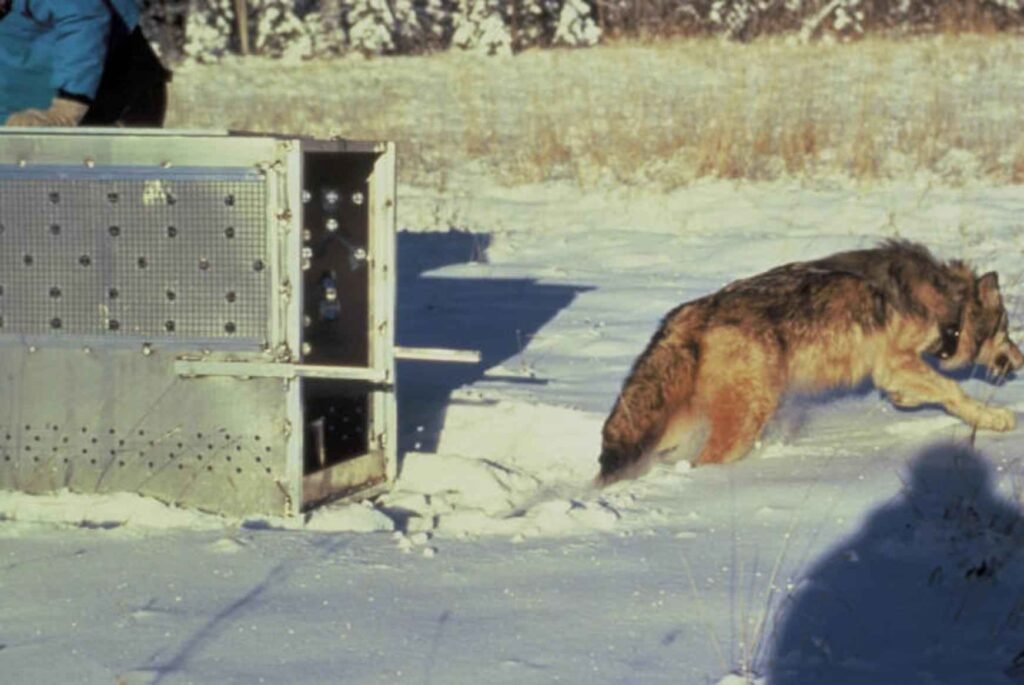
Rewilding is an approach to large-scale nature restoration that aims to let natural processes, rather than ongoing human management, shape a landscape or seascape over time. It can range from simply stepping back and letting vegetation regenerate on its own to actively reintroducing species that once performed key ecological roles in an area, with the
Rewilding Read More »
Rewilding is a conservation approach that restores landscapes by letting natural processes, and sometimes reintroduced species, take the lead over active human management.
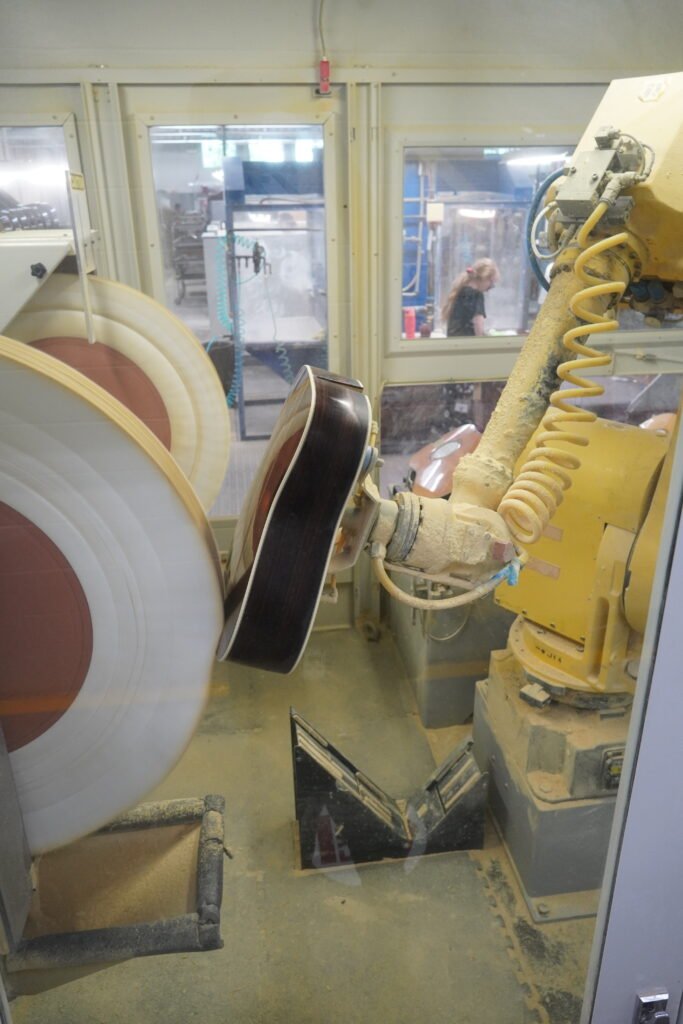
Robotics is the branch of mechanical and electrical engineering, combined with computer science, concerned with designing, building, and programming machines that can sense their environment and perform physical tasks, often with some degree of autonomy. Robots range from industrial arms that repeat the same precise motion thousands of times a day on a factory floor
Robotics Read More »
The branch of engineering and computer science concerned with designing, building, and programming machines that sense and act in the physical world.
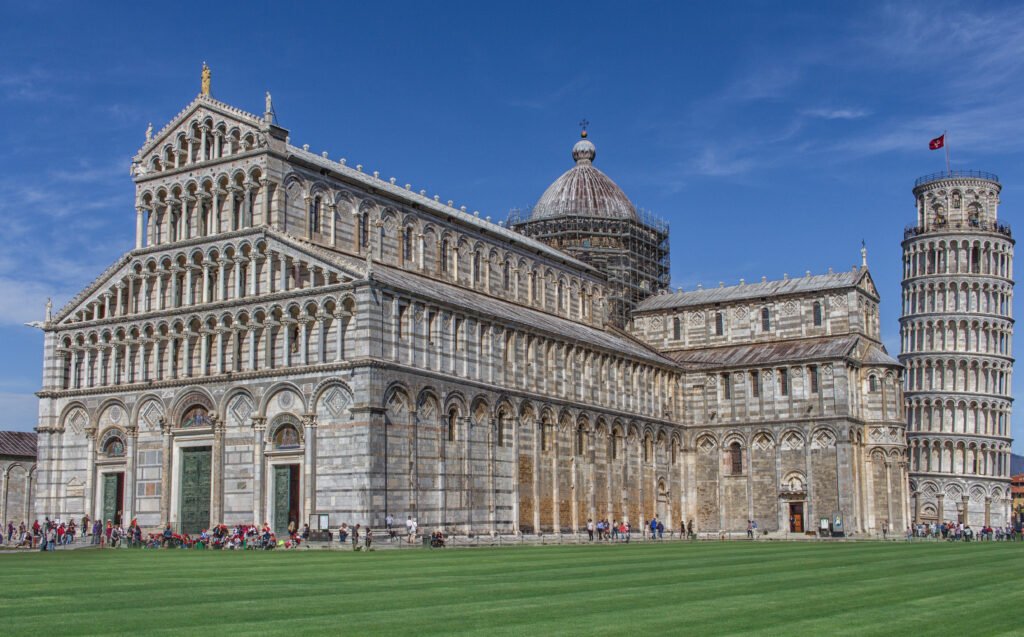
A medieval European architectural style characterized by massive walls, rounded arches, and barrel vaults, producing a fortress-like structural solidity.
Rotational grazing is a way of managing livestock pasture in which animals are moved through a series of smaller, fenced sections, called paddocks, on a planned schedule, rather than being left to graze one large pasture continuously all season. Each paddock gets a rest period after animals move on, giving the grazed plants time to
Rotational Grazing Read More »
Rotational grazing is a livestock management method that moves animals between separate pasture sections on a planned schedule, rather than letting them graze one large area continuously.
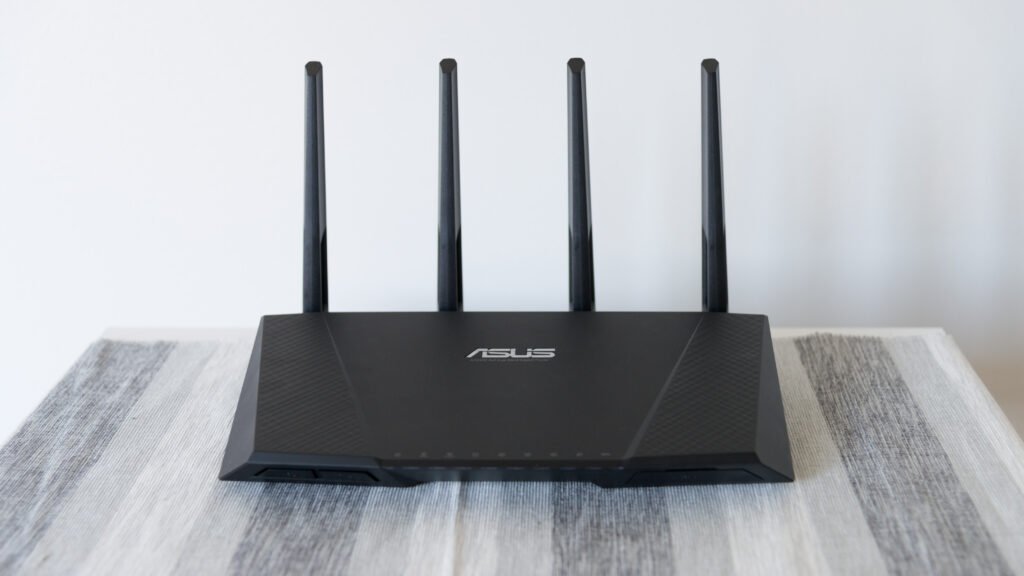
A router is a networking device that forwards data packets between different computer networks, deciding the best path for each packet to reach its destination. In a typical home, a router sits between a local network of devices, such as laptops, phones, and smart speakers, and the wider internet, managing traffic in both directions: carrying
Router Read More »
A networking device that forwards data packets between different networks, deciding the best path toward each packet's destination.
A rubric is a scoring tool that lays out specific criteria for an assignment alongside clearly defined performance levels for each criterion, allowing teachers to evaluate student work consistently and allowing students to understand expectations before they begin. Analytic versus holistic rubrics Rubrics generally take one of two forms. An analytic rubric breaks an assignment
Rubric (education) Read More »
A scoring tool that lays out specific criteria and performance levels for evaluating student work consistently.