Helium in 2025 was produced at an estimated 190 million cubic meters worldwide, up from about 183 million in 2024, according to the U.S. Geological Survey’s Mineral Commodity Summaries 2026. The United States and Qatar supplied most of it. The USGS chapter also covers neon, argon, krypton and xenon. This article summarizes the chapter, explains the main numbers and flags what it does not say.
Who produces helium?
The USGS lists estimated 2025 helium production, in million cubic meters:
- United States: 81
- Qatar: 63
- Russia: 18
- Algeria: 11
- Canada: 6
- China: 3
- Poland: 3
By our own arithmetic, the United States supplies about 43% of the world total and Qatar about 33%. The U.S. row was printed with merged footnote marks, and we read 81 because it matches the USGS text on domestic sales. South Africa is listed with output below half a unit, and the chapter notes new facilities there and in Canada.
How much is U.S. helium worth?
The USGS estimates that 81 million cubic meters of Grade-A and gaseous helium, or 2.9 billion cubic feet, were sold or used in the United States in 2025, valued at about $970 million. The base price was about $12 per cubic meter, or $330 per thousand cubic feet, with producer surcharges on top. Grade-A means 99.997% helium or purer. The chapter reports 9 crude helium plants, 11 gaseous helium plants, 5 Grade-A plants and 4 purifying plants, and says three Texas sites store helium in underground caverns.
What is helium used for?
The USGS gives these shares of helium use:
- Analytical, engineering, laboratory, science and specialty gases: 22%
- Controlled atmospheres, fiber optics and semiconductors: 17%
- Lifting gas: 17%
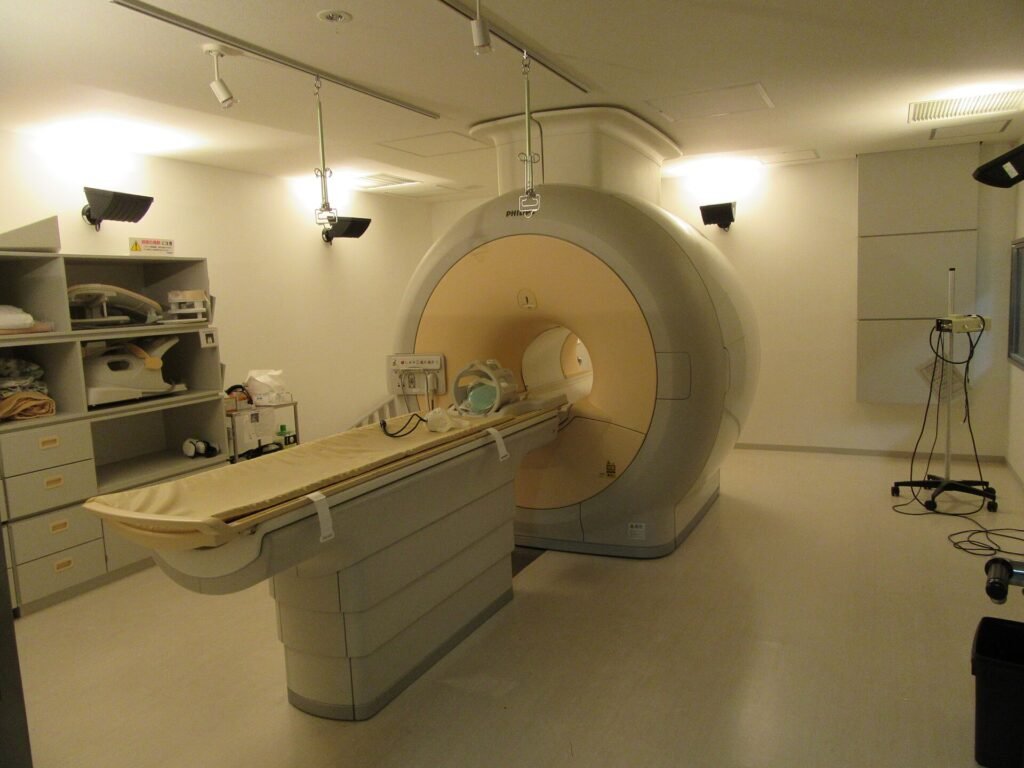
- Magnetic resonance imaging: 15%
- Aerospace: 9%
- Welding: 8%
- Diving and leak detection: 5% each
- Other: 2%
The chapter says nothing substitutes for helium in cryogenic uses that need temperatures below minus 429 degrees Fahrenheit. That is why medical scanners and research magnets depend on it.
How much helium is left?
The USGS lists U.S. reserves of 8,500 million cubic meters, Algeria at an estimated 1,800, Russia at an estimated 1,700 and South Africa at 400, with Qatar described as large. Identified resources are 8.49 billion cubic meters in the United States, mean recoverable and excluding storage, and 31.3 billion elsewhere. The largest deposits outside the United States, in billion cubic meters, are Qatar at 10.1, Algeria at 8.2, Russia at 6.8, Canada at 2.0 and China at 1.1. By our arithmetic, U.S. reserves equal over 100 years of current U.S. output, a rough guide only.
Is the United States a net importer?
No. The USGS marks the United States as a net exporter of helium in every year from 2021 to 2025. Exports were 38 million cubic meters in 2025 against imports of 8, and apparent consumption was 51. For the other gases the picture differs. Net import reliance was 52% for neon, 93% for krypton and 98% for xenon in 2025, and argon is also a net exporter. The chapter attributes continued limits on rare gas supply from Russia and Ukraine to the conflict there.
What happened in 2025?
Six new U.S. helium operations began, three in New Mexico and one each in Colorado, Kansas and Montana. A storage cavern in Beaumont, Texas, came online to hold excess production. The chapter says sanctions by the European Union and the United States on helium imports from Russia continued, and that some companies explored for helium in deposits not tied to hydrocarbons. Four air separation units able to make argon opened in Louisiana, Ohio, Tennessee and Texas. World helium-3 production was estimated at 40,000 liters in both 2024 and 2025.
What about the other rare gases?
World neon production was about 800 million liters in 2025, with 110 million in the United States. Krypton was about 110 million liters worldwide and xenon about 12 million. The USGS lists neon mostly for lamps (53%) and semiconductors (32%), and krypton mostly for semiconductors (67%). Xenon goes to lamps (37%), semiconductors (36%) and lasers (13%). Argon goes mainly to welding (66%) and steelmaking (20%).
How steady is U.S. helium supply?
The salient statistics show a stable pattern. Sales of Grade-A and gaseous helium were 76, 77, 81, 80 and 81 million cubic meters from 2021 to 2025, a rise of about 7% over the period by our own arithmetic. Apparent consumption stayed between 50 and 56, ending at 51. Exports ranged from 33 to 41 and were 38 in 2025. The steady line suggests a mature market in which new fields mainly add storage and spare capacity, though the chapter draws no such conclusion.
How to read the numbers
Helium is measured at standard conditions, and the USGS gives conversions between cubic meters and cubic feet. Some table entries carry merged footnote marks, so a few 2024 values for the rare gases were hard to read and we leave them out. Figures marked estimated are first reads that the USGS may revise.
How does helium connect to other coverage?
Helium is a scarce resource for science and medicine. See our reports on the Large Hadron Collider final run, lithium in 2025 and rare earth elements, and the USGS summary of U.S. mineral production.
What should readers watch for next?
Readers can watch new fields in New Mexico and Canada, the status of Russian supply and the next USGS edition, which replaces estimates with reported data.
Glossary
- Grade-A helium: helium that is at least 99.997% pure
- Cryogenic: involving very low temperatures
- Air separation unit: a plant that splits air into its gases
- Net exporter: a country that sells more than it buys
- Helium-3: a light form of helium used in detectors
These definitions are general explanations and are not quoted from the USGS.
What is not covered here?
We omit the 2024 rare gas figures that were hard to read, the tariff schedule and any price forecast.
Key facts at a glance
- World helium production, 2025: about 190 million cubic meters
- United States: 81 million; Qatar: 63 million
- U.S. helium sales: about $970 million
- MRI: 15% of helium use
- Six new U.S. helium operations began
Frequently asked questions
Which country produces the most helium?
The United States, at an estimated 81 million cubic meters in 2025.
What is helium used for?
Science, semiconductors, lifting gas and MRI are the biggest uses.
Is the United States a helium importer?
No. The USGS lists it as a net exporter.
More in Business
- Iron Ore in 2025: USGS Shows Australia Mines 980 Million Tons as U.S. Output Falls
- Potash in 2025: USGS Shows Canada Makes 31 Percent as U.S. Imports 92 Percent
- Phosphate Rock in 2025: USGS Shows China Mines 44 Percent and Morocco Holds 68 Percent
- Titanium Minerals in 2025: USGS Shows China Mines a Third of Ilmenite