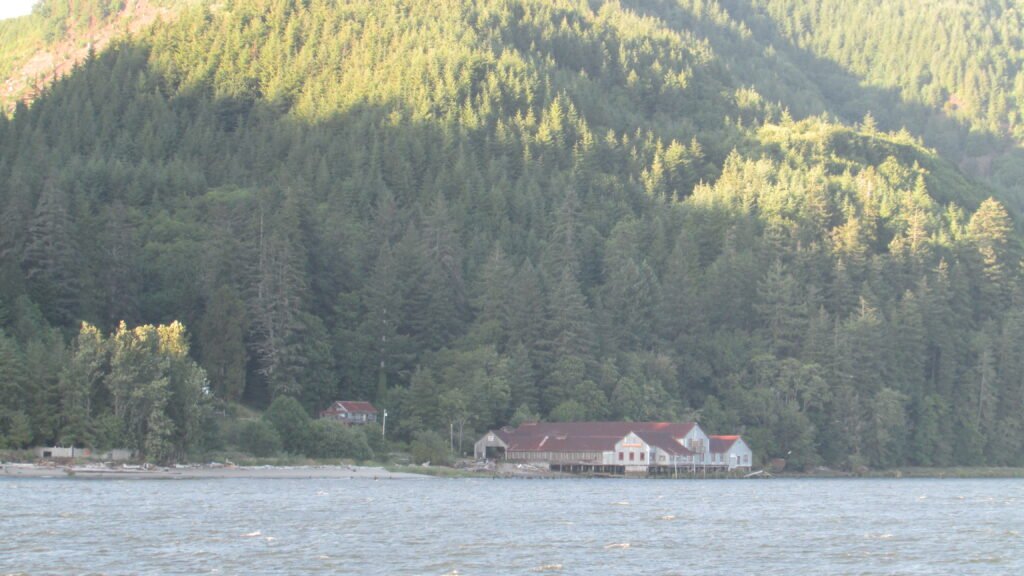
William Clark Mistakes the Columbia for the Pacific
Eighteen months into an overland crossing of the continent, William Clark writes “Ocian in view! O! the joy” in his journal, though the Lewis and Clark Expedition is still miles from the open Pacific.
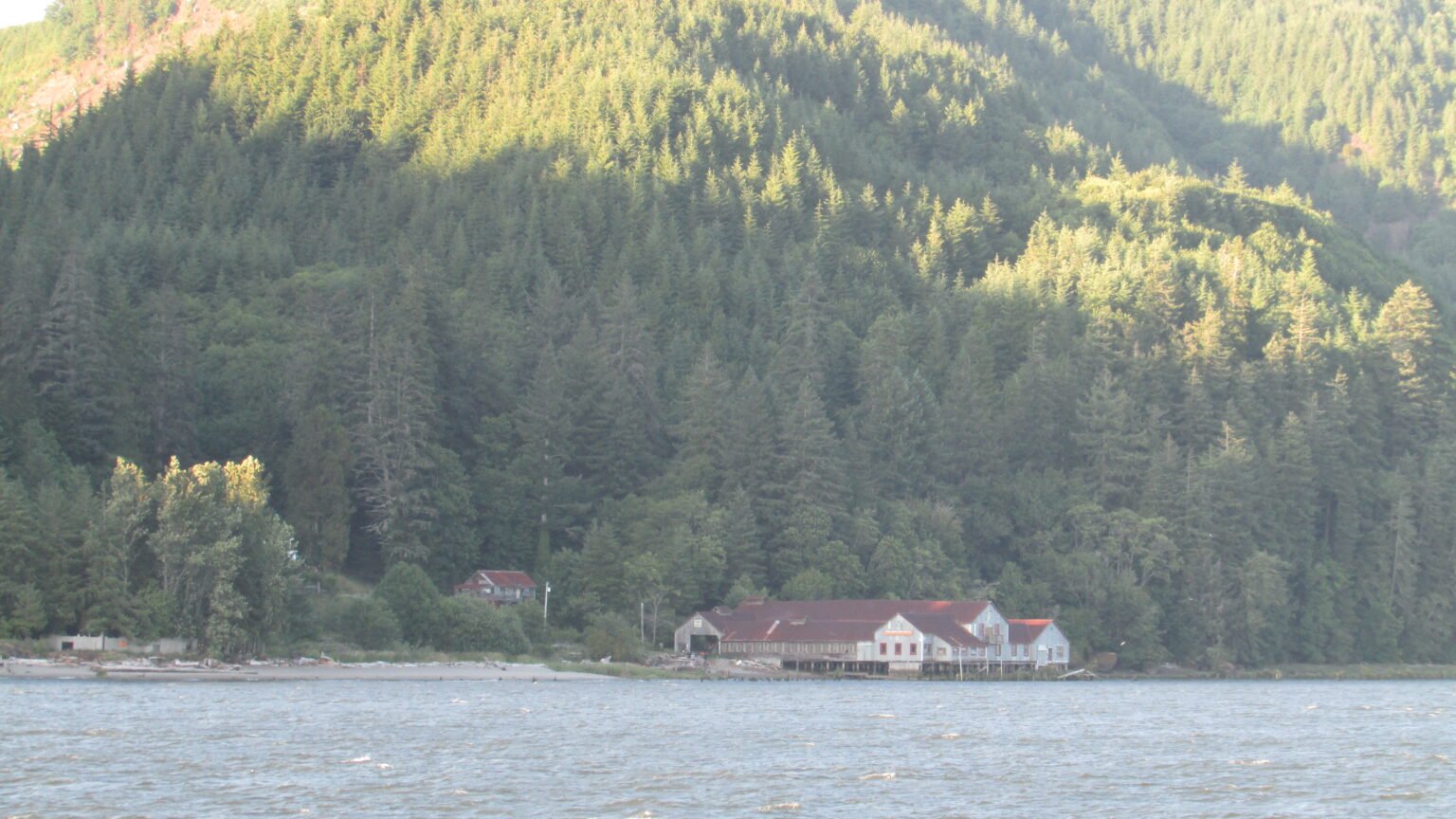
On November 7, 1805, William Clark wrote in his journal, “Ocian in view! O! the joy,” convinced his exhausted party had finally reached the Pacific. The Lewis and Clark Expedition had actually camped near Pillar Rock, on a wide tidal stretch of the Columbia River still some 20 miles from the open sea.
The tidal swells the Corps of Discovery mistook for ocean waves marked the near end of roughly 4,000 miles of travel from the Missouri River, the first transcontinental crossing by a United States-sponsored expedition to reach the Pacific overland.
Hope and exhaustion can make explorers see the thing they are searching for before it is actually there. Clark’s premature celebration is a reminder that an early, longed-for signal is not always the finish line it feels like.
People Behind the Story
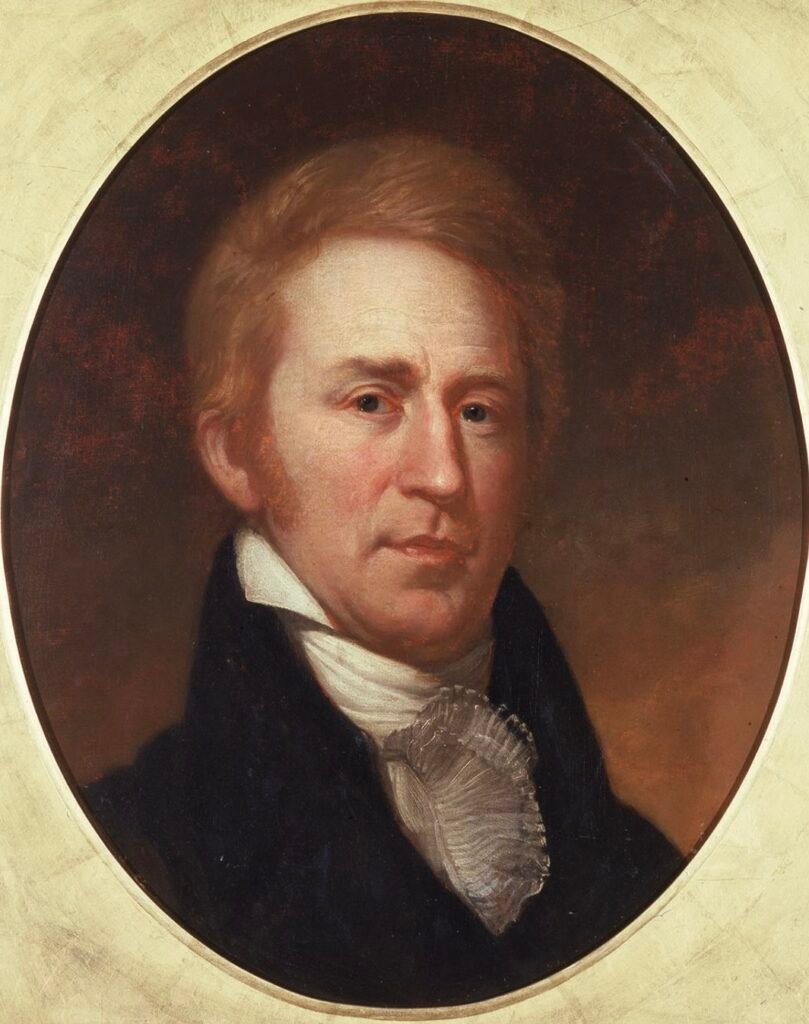
Co-commanded the expedition with Meriwether Lewis and kept its most detailed journal, including the famous, premature “Ocian in view” entry of November 7, 1805.
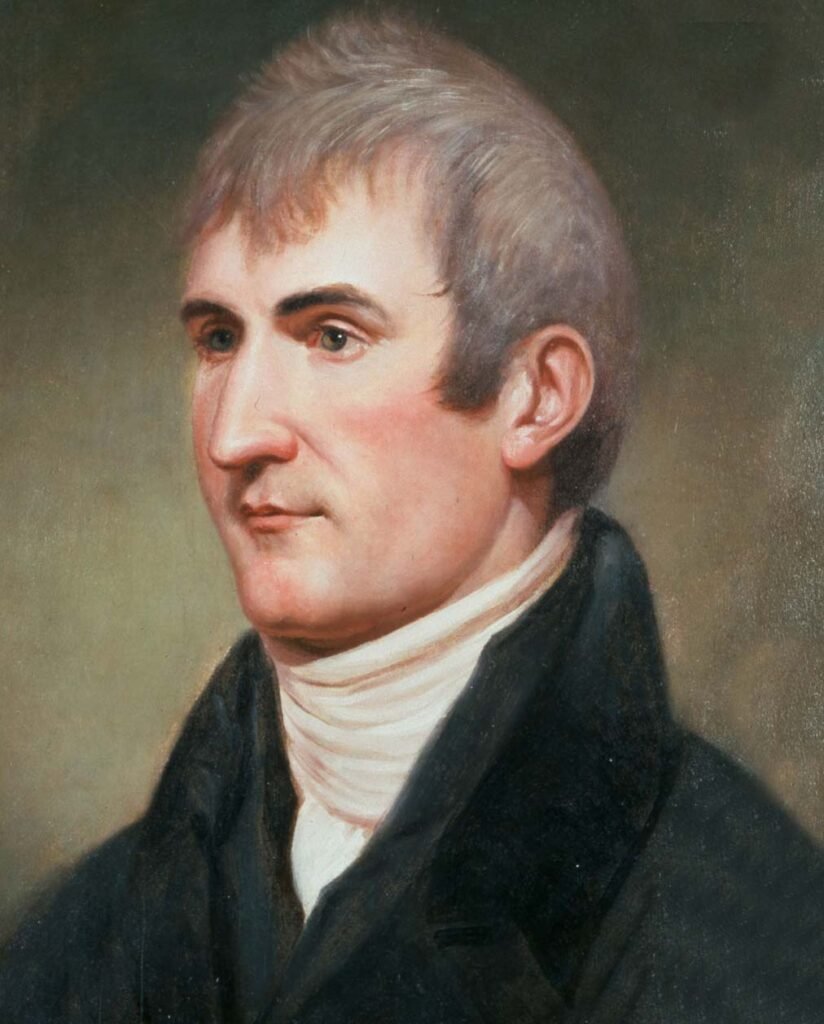
Chosen by President Thomas Jefferson to help lead the young United States’ first government-sponsored expedition to the Pacific, Lewis reached the lower Columbia beside Clark after eighteen months on the trail.
Key Moments Timeline
The Corps of Discovery departs St. Louis, launching an expedition President Thomas Jefferson commissioned to find a practical route to the Pacific.
Near Pillar Rock on the lower Columbia, Clark writes “Ocian in view! O! the joy,” believing the expedition has reached the ocean.
After days pinned down by storms at a camp later named Dismal Nitch, the party finally reaches the open Pacific shore near the river’s mouth.
The Corps builds Fort Clatsop on the south side of the Columbia’s mouth and winters there before starting the journey home in the spring.
The expedition returns to St. Louis after two years, four months, and ten days on the trail.
Did you know? That same night, Clark tallied the expedition’s full distance from the mouth of the Missouri River at 4,142 miles, carefully computed even though he was still more than a week from the coastline he believed he had already reached.
This edition continues Specialty Digest’s daily walk through explorers pushing toward the edge of the known world: from Howard Carter’s dig toward Tutankhamun’s hidden tomb, to the Erie Canal opening America’s interior two decades later, to Laika’s one-way flight into orbit a century and a half after that. Knowing exactly where you are has never been simple, as the sonar engineers who later mapped an ocean floor they could not see would also discover.
- Cassandra Tate, “Lewis and Clark Prematurely Celebrate Their Arrival at the Pacific Ocean on November 7, 1805,” HistoryLink.org
- “Journal Entry by William Clark (November 7, 1805),” Encyclopedia Virginia
- “Clark Knew They Were Near Pacific,” National Park Service
- “Home! September 23, 1806,” National Park Service
- “Day by Day: November 7, 1805,” Discovering Lewis & Clark
More in History