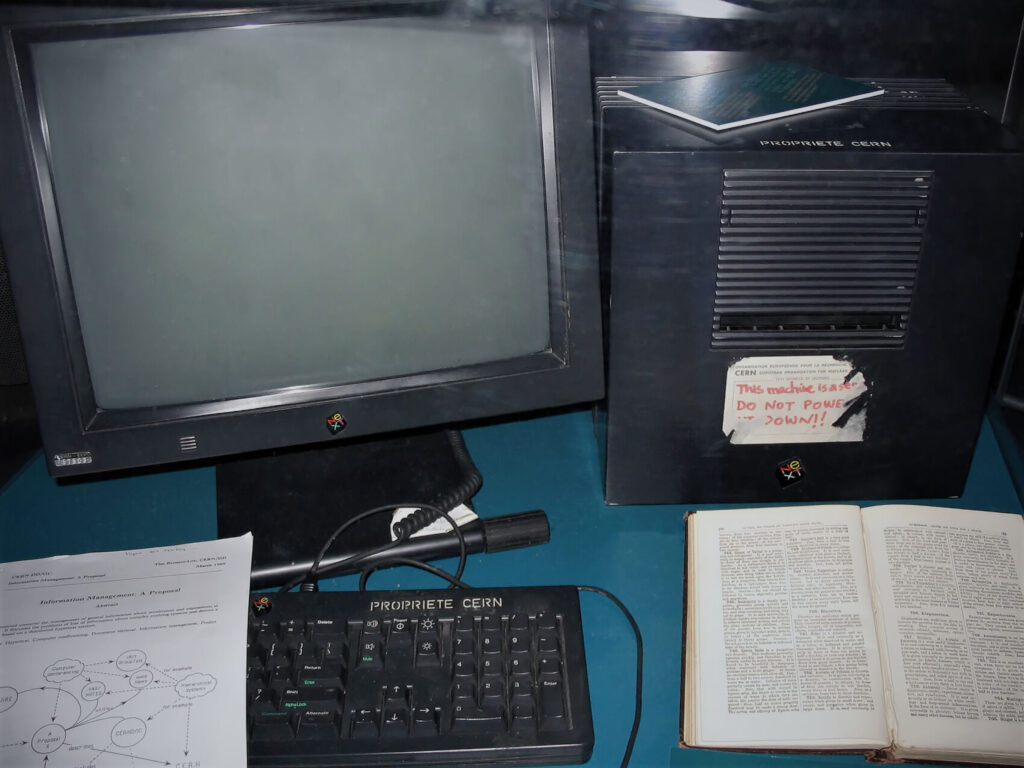
Berners-Lee and Cailliau Propose the World Wide Web
A physicist’s year-old idea for linking CERN’s scattered files finally got a budget and a deadline once a colleague rewrote it into the document that named, and soon launched, the World Wide Web.
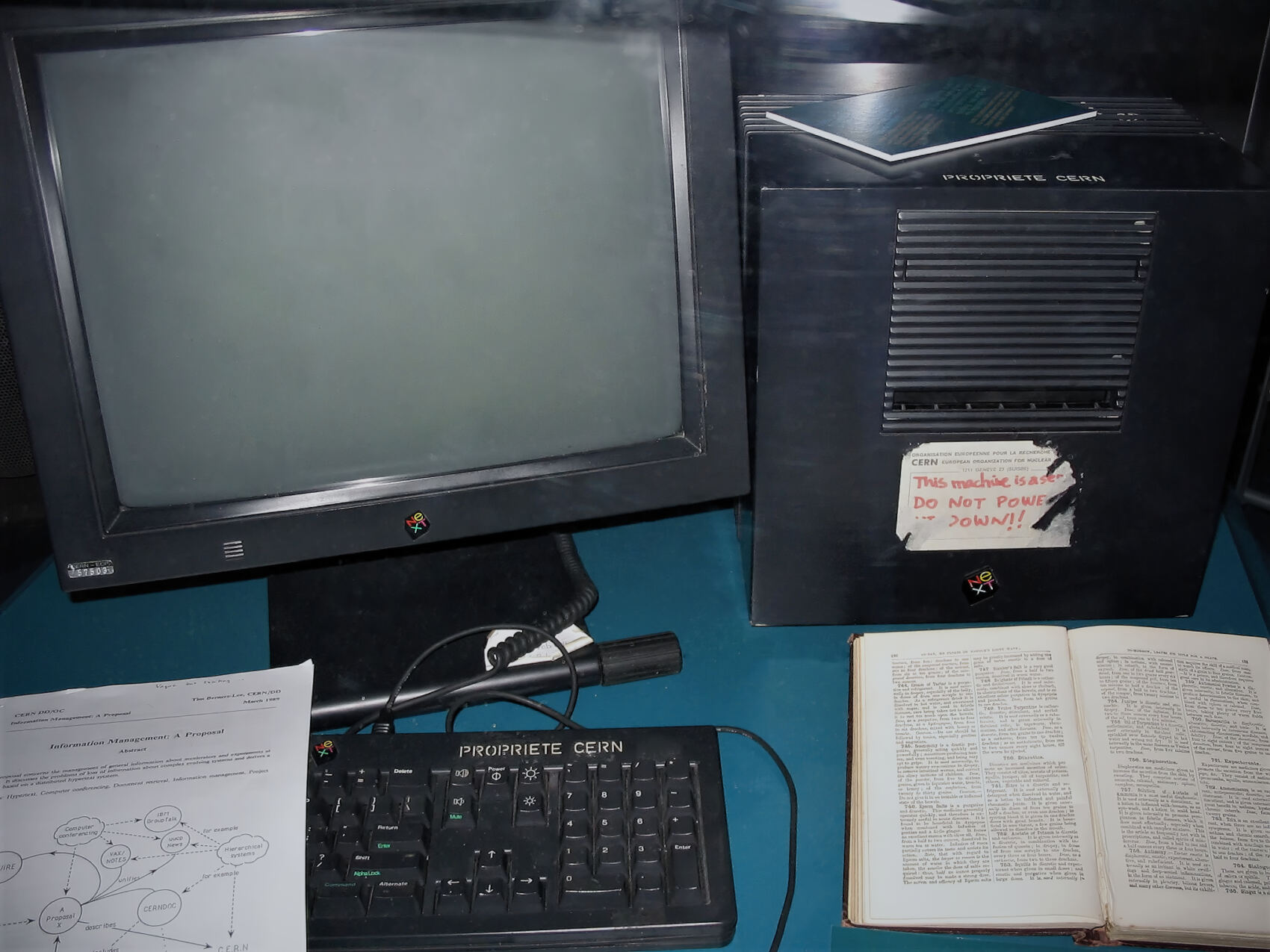
On November 12, 1990, CERN engineers Tim Berners-Lee and Robert Cailliau sent lab managers Peter Innocenti, Gerard Kellner and David Williams an eleven-page document titled “WorldWideWeb: Proposal for a HyperText Project.” It rewrote Berners-Lee’s vaguer 1989 memo into a concrete plan: hire staff, buy NeXT workstations, and build a working hypertext system linking CERN’s documents within six months.
The proposal is what turned a “vague but exciting” idea, as Berners-Lee’s supervisor Mike Sendall had called it the year before, into funded work. Within weeks Berners-Lee had built the first browser, server and web address scheme on a single NeXT computer, the direct ancestor of an internet that now reaches most of the globe, though a stubborn digital divide still leaves billions offline.
Berners-Lee’s plan treated information as a web of links anyone could follow in any direction, not a filing cabinet with one correct path to each drawer. That same idea, connection without a fixed hierarchy, now carries the cloud computing traffic, Wi-Fi signals and artificial intelligence tools people use every day.
People Behind the Story

Wrote the original 1989 hypertext memo, then built the Web’s first browser, server and page language on a NeXT computer within weeks of the November proposal.
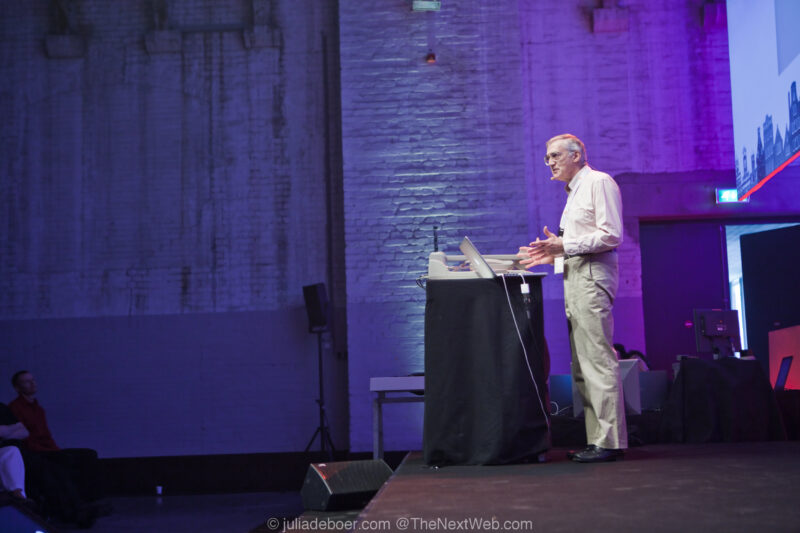
Rewrote Berners-Lee’s proposal into the sharper November 1990 pitch, then spent roughly eighteen months persuading CERN management to release the Web’s software without royalties.
Key Moments
Berners-Lee circulates “Information Management: A Proposal.” His supervisor, Mike Sendall, scrawls “Vague, but exciting” across the cover page and quietly lets him keep working on it.
Berners-Lee and Cailliau submit the revised “WorldWideWeb: Proposal for a HyperText Project,” the document this page marks today.
Berners-Lee builds the first browser-editor and server on a NeXT computer, defining the Web’s first addresses, transfer protocol and markup language in a matter of weeks.
The first web server outside Europe comes online at the Stanford Linear Accelerator Center in California.
CERN places the Web’s underlying software in the public domain, free for anyone to build on without paying royalties.
Did you know? The November 1990 proposal already floated a name for the project: “WorldWideWeb, or W3,” beating out rival suggestions like The Mesh and The Information Mine.
- “WorldWideWeb: Proposal for a HyperText Project,” T. Berners-Lee & R. Cailliau, CERN / W3C archive
- “History,” CERN WorldWideWeb project
- “Robert Cailliau,” EBSCO Research Starters
- “The First-Ever Proposal for the Web Was Judged ‘Vague, But Exciting,’” Gizmodo
- “12 November 1990: Tim Berners-Lee Sets Out to Build the World Wide Web,” MoneyWeek
More in History