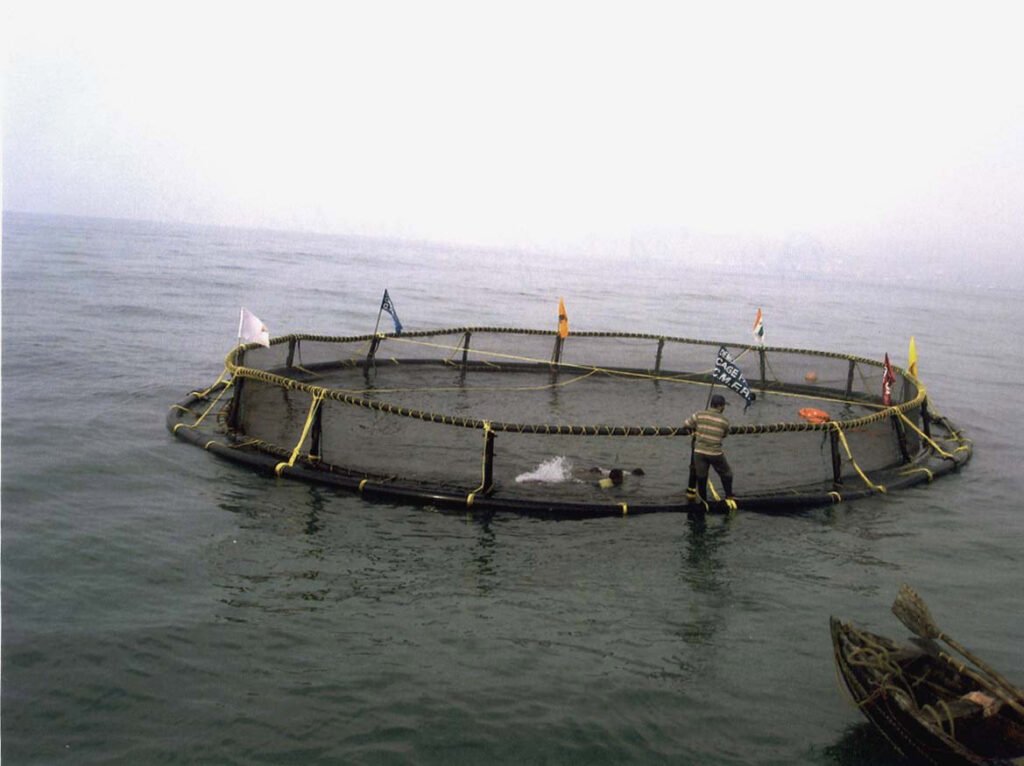
Aquaculture is the farming of fish, shellfish, and aquatic plants under controlled conditions, as distinct from capture fisheries, which harvest wild populations from oceans, rivers, and lakes. It ranges from small freshwater fish ponds and coastal shrimp farms to large offshore cages holding hundreds of thousands of salmon, and it has grown from a relatively
Aquaculture Read More »
The farming of fish, shellfish and aquatic plants, which in 2022 overtook wild-catch fisheries as the main source of aquatic animal production.
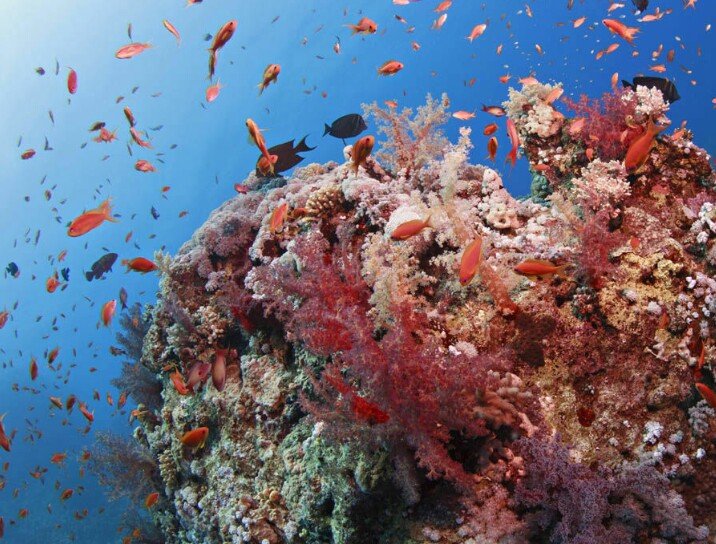
A coral reef is an underwater structure built up over long periods by colonies of hard, reef-building corals that secrete a calcium carbonate skeleton. Although corals are animals, most reef-building species host tiny symbiotic algae called zooxanthellae, which use sunlight to generate energy that the coral shares, which is why healthy reefs are concentrated in
Coral reef Read More »
A coral reef is an underwater structure built over long periods by colonies of hard corals, concentrated in shallow, clear, tropical waters.
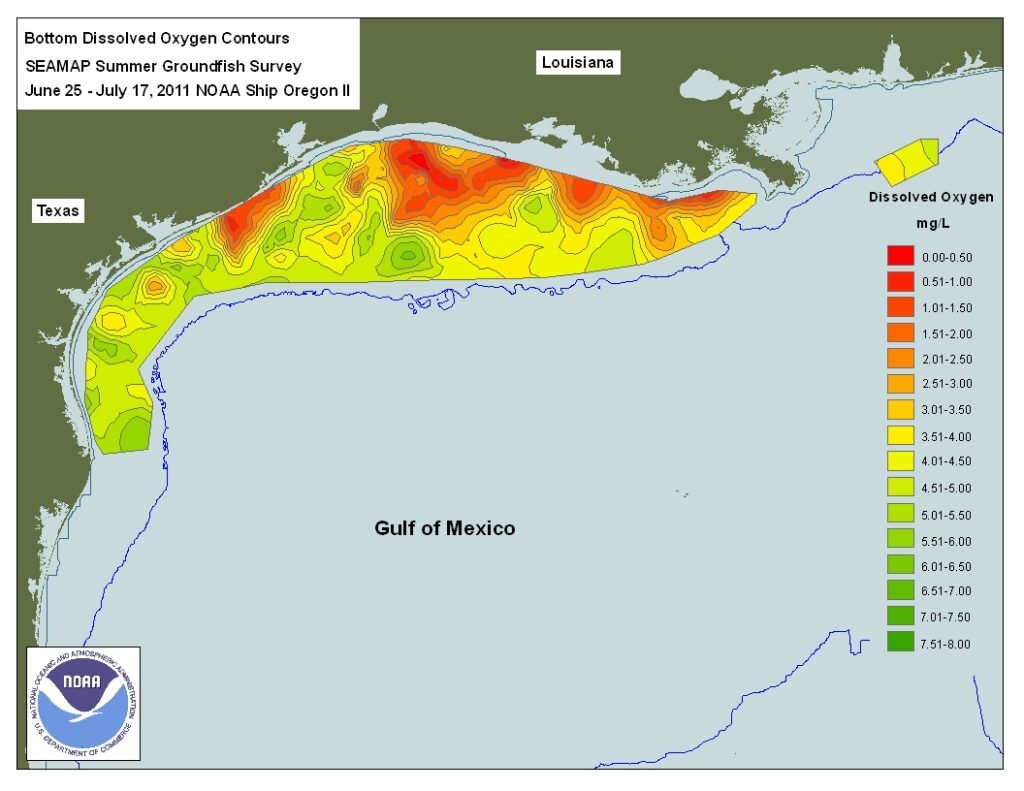
In simple terms A dead zone is a stretch of water where oxygen has dropped so low that fish and other animals cannot live in it. The scientific name is hypoxia, which means low or depleted oxygen in a water body. [1] Dead zones form in the ocean and in fresh water alike. Nothing is
Dead zone (water) Read More »
A dead zone is an area of water where oxygen has fallen so low that fish and other animals cannot survive there.
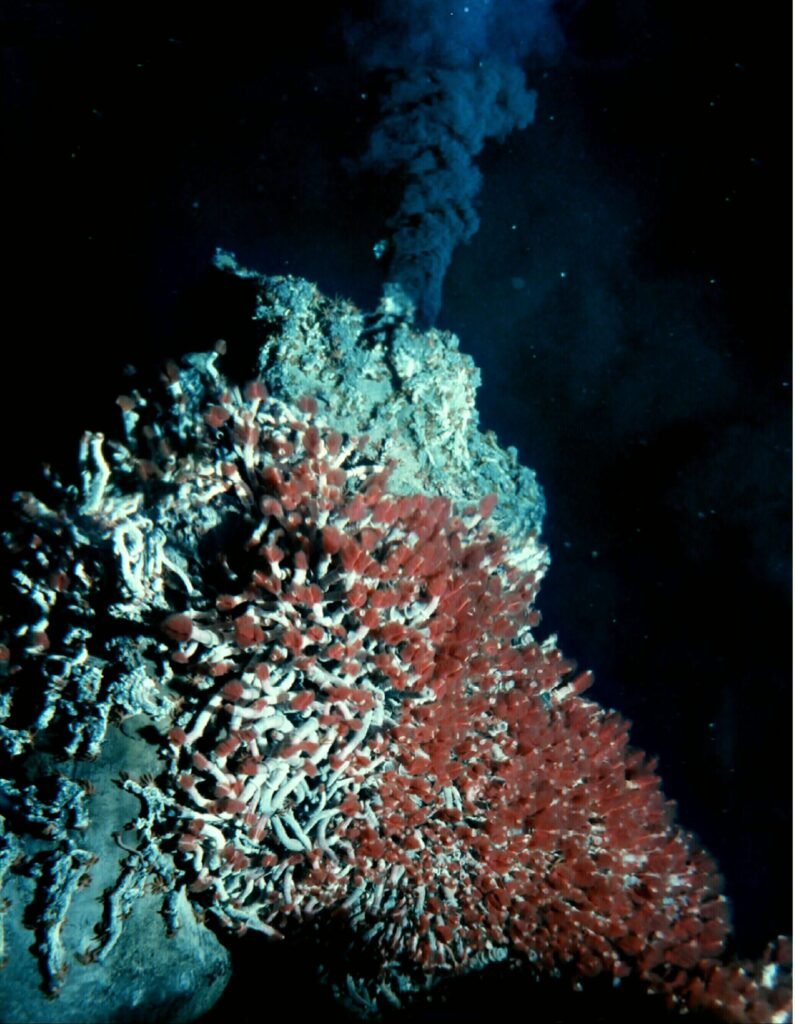
A seafloor fissure that releases geothermally heated, mineral-rich water, supporting unique deep-sea ecosystems that rely on chemosynthesis instead of sunlight.
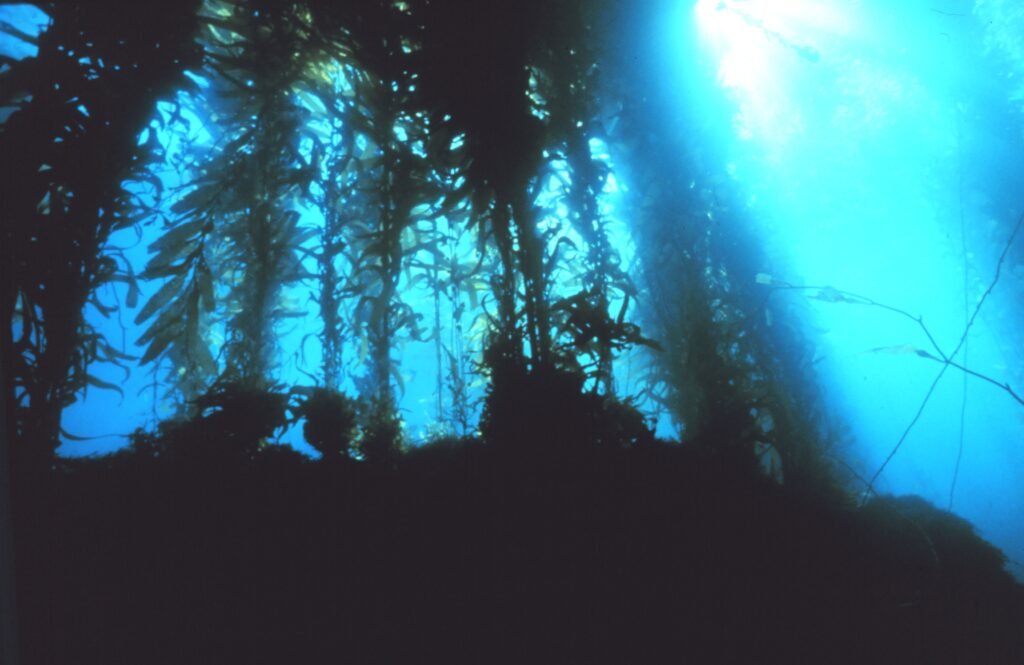
Image: Kelp forest, Channel Islands National Marine Sanctuary, NOAA Photo Library, public domain, via Wikimedia Commons
Kelp Forest Read More »
A dense underwater stand of large brown algae that forms a highly productive, three-dimensional habitat supporting rich marine biodiversity along cold temperate coastlines.
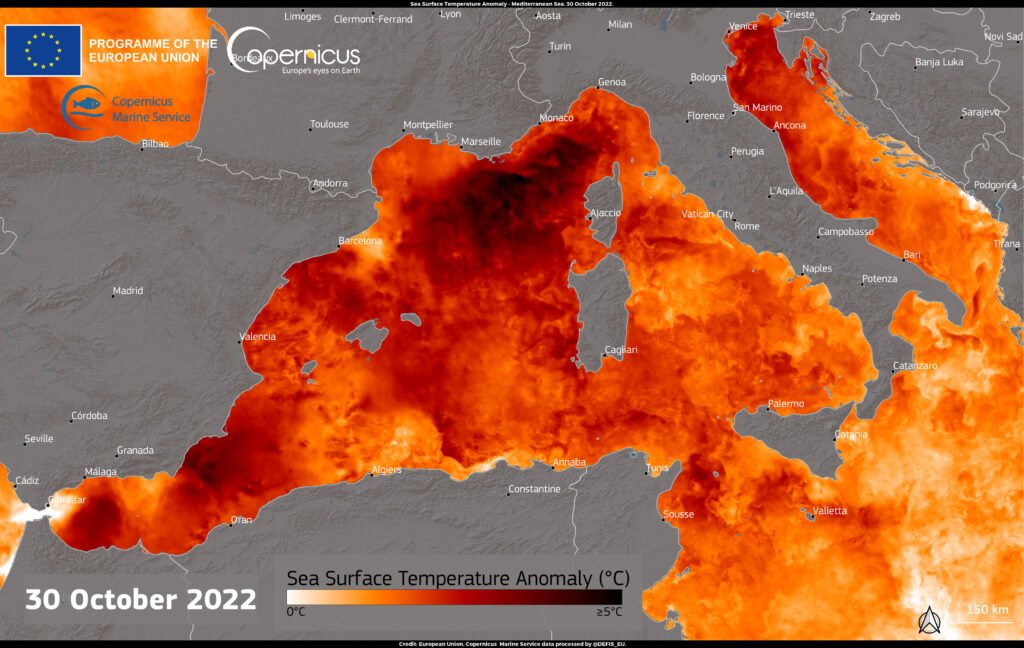
Image: Sea surface temperature anomaly in the Mediterranean, Copernicus Marine Service / European Union, via Wikimedia Commons
Marine Heatwave Read More »
A prolonged period of abnormally high ocean temperatures that can trigger coral bleaching, kelp forest collapse, and major disruptions to fisheries and marine ecosystems.
In simple terms Ocean acidification is the ongoing decrease in the pH of the ocean, meaning the water is becoming gradually more acidic, caused mainly by seawater absorbing carbon dioxide from the atmosphere. [1] It is a direct chemical consequence of rising carbon dioxide levels, separate from the warming that the same gas also causes.
Ocean acidification Read More »
Ocean acidification is the ongoing decrease in the pH of the ocean, caused mainly by seawater absorbing carbon dioxide from the atmosphere.
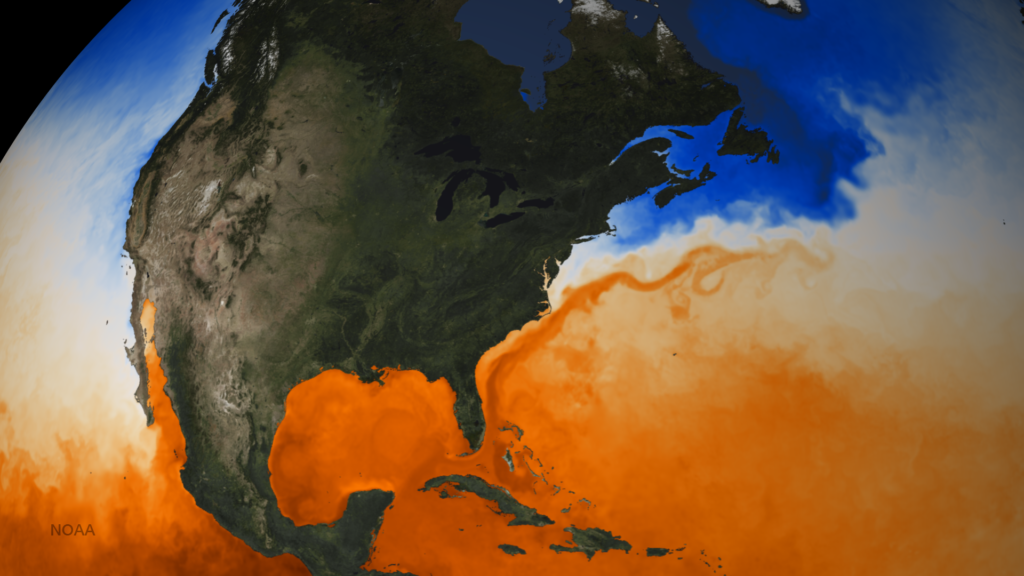
Image: The Gulf Stream seen through sea surface temperature, NOAA, public domain, via Wikimedia Commons
Ocean Current Read More »
A continuous, directed movement of seawater driven by wind, density differences, and the rotation of the earth, which redistributes heat and nutrients across the globe.
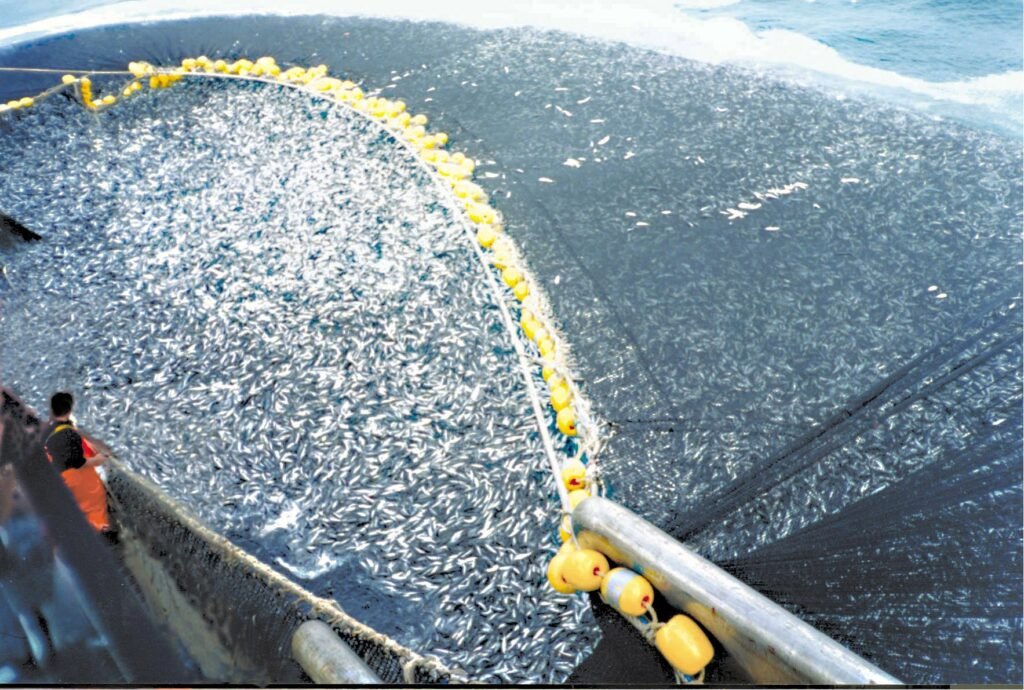
Overfishing is the harvesting of fish or other seafood from a body of water faster than the population can reproduce and replenish itself, so that the stock’s size and productivity decline over time. It is one of the most direct ways human activity can reshape an entire marine or freshwater ecosystem, since removing large numbers
Overfishing Read More »
Overfishing is harvesting fish faster than a stock can reproduce, causing its population and productivity to decline over time.
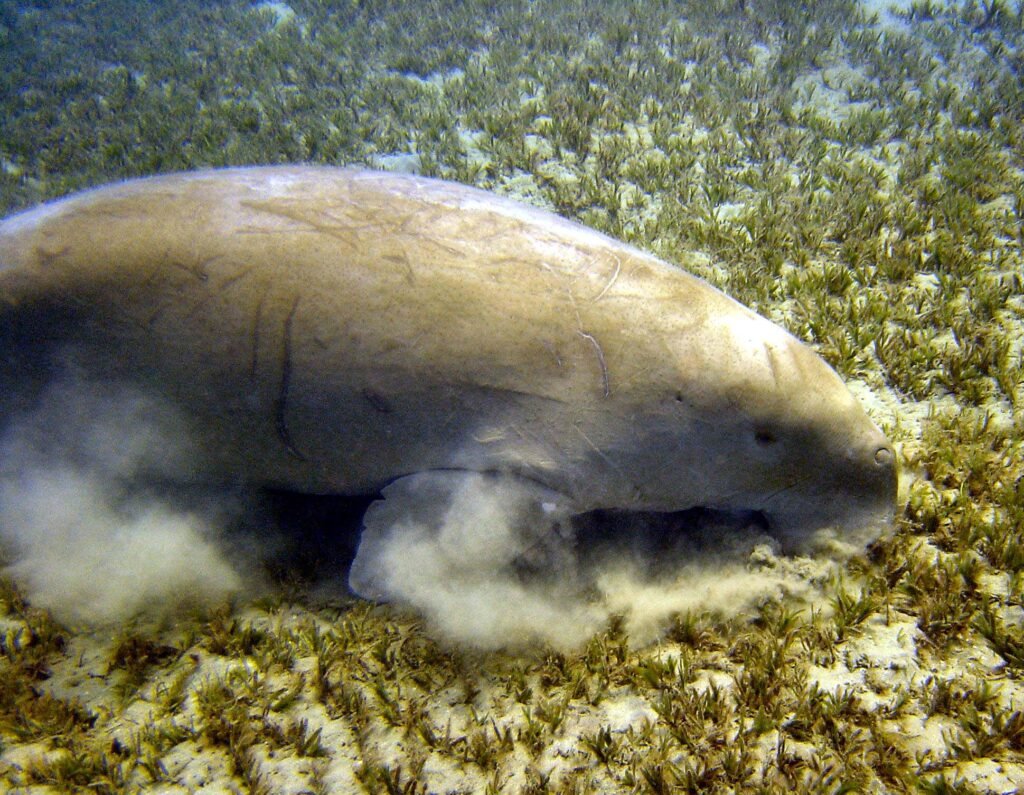
A dense underwater grassland of flowering marine plants that provides nursery habitat, stabilizes sediment, and stores carbon along shallow coastlines worldwide.