Overview Executive protection refers to the specialized security discipline focused on safeguarding specific high-value individuals, typically corporate executives, celebrities, or visiting dignitaries, from physical harm, harassment, or kidnapping. It is often associated in popular imagination with a single bodyguard trailing a client, but professional executive protection actually involves extensive planning work that happens well before
Executive Protection Read More »
Executive protection is the practice of safeguarding high-profile individuals, such as corporate executives or public figures, from physical harm and related threats.
Overview Forensic science applies methods from biology, chemistry, physics, and other scientific disciplines to questions arising in criminal and civil legal proceedings, most commonly the analysis of physical evidence collected from crime scenes. It plays a central role in modern criminal investigation, helping to establish facts such as the identity of a perpetrator, the cause
Forensic Science Read More »
Forensic science is the application of scientific methods and techniques to the investigation of crime, including the analysis of physical evidence such as DNA, fingerprints, and trace materials.
Overview Geopolitical risk analysis is the discipline of assessing how political instability, conflict, and shifting alliances abroad might affect the interests of a government, military, or company. It blends regional expertise with economic and military data to produce forward-looking judgments rather than simple historical accounts of what has already happened. Applications National security planners use
Geopolitical Risk Analysis Read More »
Geopolitical risk analysis is the systematic assessment of how political, military, and economic developments abroad could affect a nation, company, or investment.
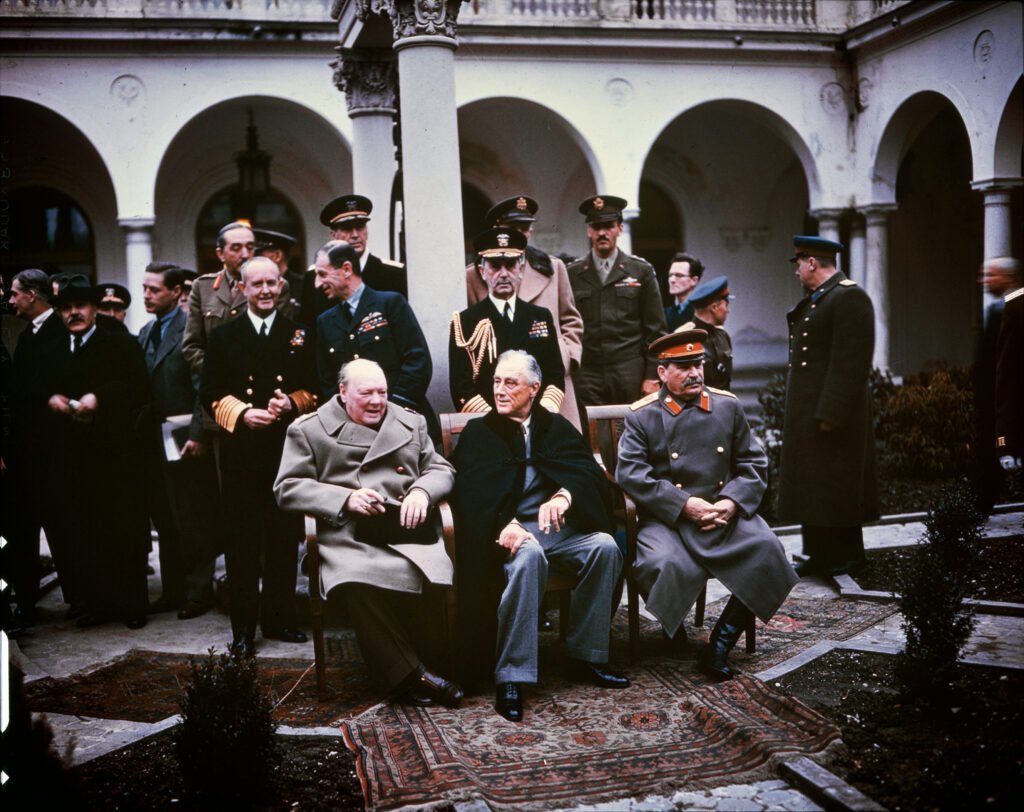
Overview Grand strategy refers to the long term, integrated use of all the instruments of national power, including military force, economic policy, diplomacy, and information, in pursuit of a states most fundamental interests and security. It operates at a higher level than military strategy alone, treating armed force as one tool among several rather than
Grand Strategy Read More »
Grand strategy is the long term coordination of a states military, economic, diplomatic, and informational resources in pursuit of its most fundamental national interests and security goals.
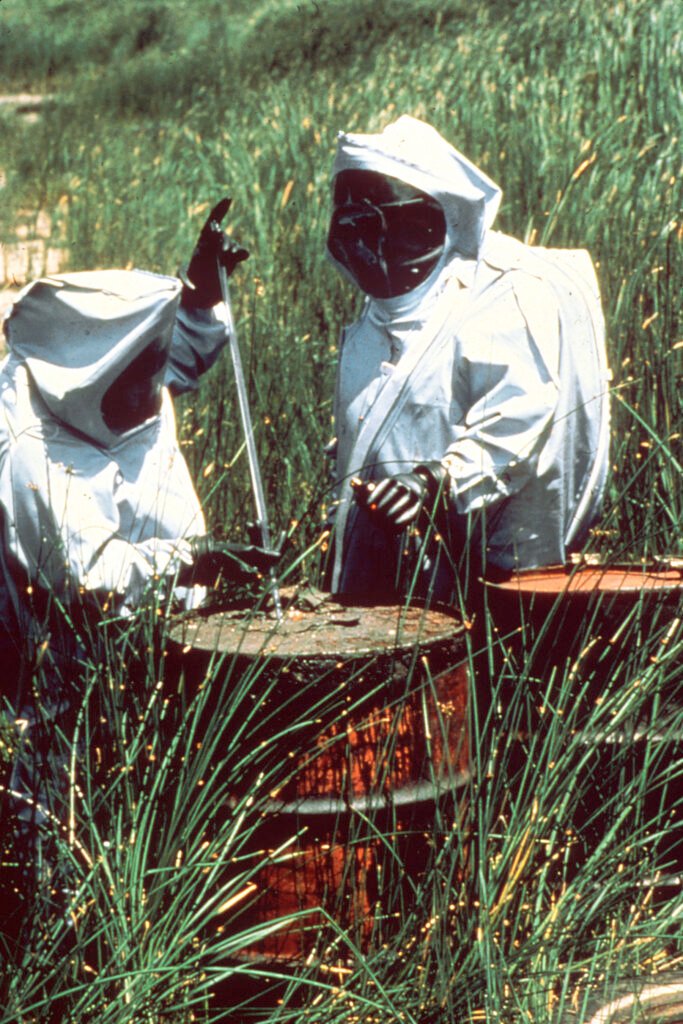
Scope of Hazardous Materials Security Hazardous materials security addresses a wide range of substances that pose risks if stolen, sabotaged, or accidentally released, including industrial chemicals used in manufacturing, radioactive materials used in medical treatment and research, biological agents studied in laboratories, and explosive materials used in construction and mining. Security requirements vary considerably depending
Hazardous Materials Security Read More »
Hazardous materials security involves protecting dangerous chemical, biological, radiological, and other hazardous substances from theft, sabotage, or accidental release that could harm public safety.
Overview Homeland security refers to the range of government efforts aimed at protecting a nations own territory and population, as distinct from traditional national security, which focuses on projecting power and deterring threats abroad. The modern concept took on its current shape in the United States after the September 11, 2001 attacks exposed gaps between
Homeland Security Read More »
Homeland security is the national effort to prevent terrorist attacks, secure borders, and prepare for and respond to disasters within a countrys own territory.
Overview Human intelligence, abbreviated HUMINT, refers to information obtained directly from people rather than from machines or intercepted signals. It is among the oldest forms of intelligence collection, practiced by rulers and generals long before any electronic sensor existed, and it remains central to modern espionage because some secrets are never written down or transmitted
Human Intelligence Read More »
Human intelligence, or HUMINT, is information collected from human sources through direct contact, such as espionage, interviews, and liaison relationships.
Overview The intelligence cycle describes the repeating process through which national security organizations turn raw data into usable knowledge. It begins when policymakers identify gaps in their understanding and ends when finished analysis reaches those same decision-makers, who then raise new questions that restart the cycle. Stages of the Cycle Analysts commonly describe five linked
Intelligence Cycle Read More »
The intelligence cycle is the process by which raw information is collected, processed, analyzed, and turned into finished intelligence for decision-makers.
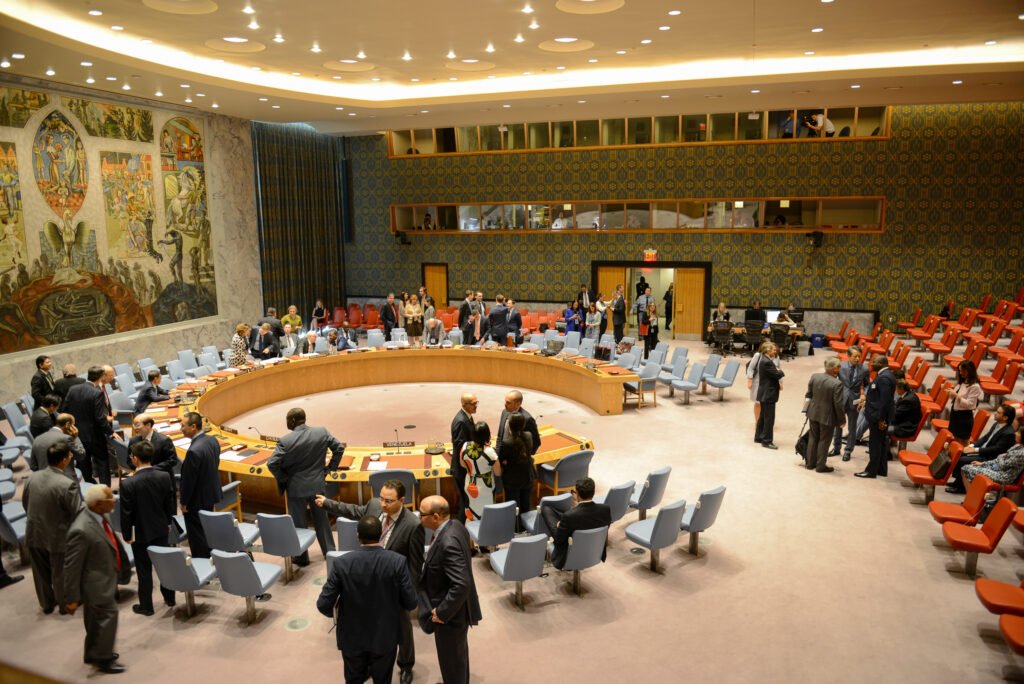
INTERPOL, formally the International Criminal Police Organization, is an intergovernmental organization that helps the police of its 196 member countries work together. Its headquarters are in Lyon, France, and it provides secure communications, shared police databases and operational support. It does not run its own arrests: each member country decides how to act on its
INTERPOL Read More »
INTERPOL is the International Criminal Police Organization, an intergovernmental body of 196 member countries that shares police data and supports cross-border investigations.
Overview Just war theory is a framework within moral philosophy and international law that asks two related questions: when, if ever, is it permissible for a state or group to resort to armed force, and once a conflict is underway, what methods of fighting remain morally acceptable. The tradition does not treat all warfare as
Just War Theory Read More »
Just war theory is a body of ethical and legal thought that sets out the conditions under which going to war can be morally justified and the conduct that is permissible within it.