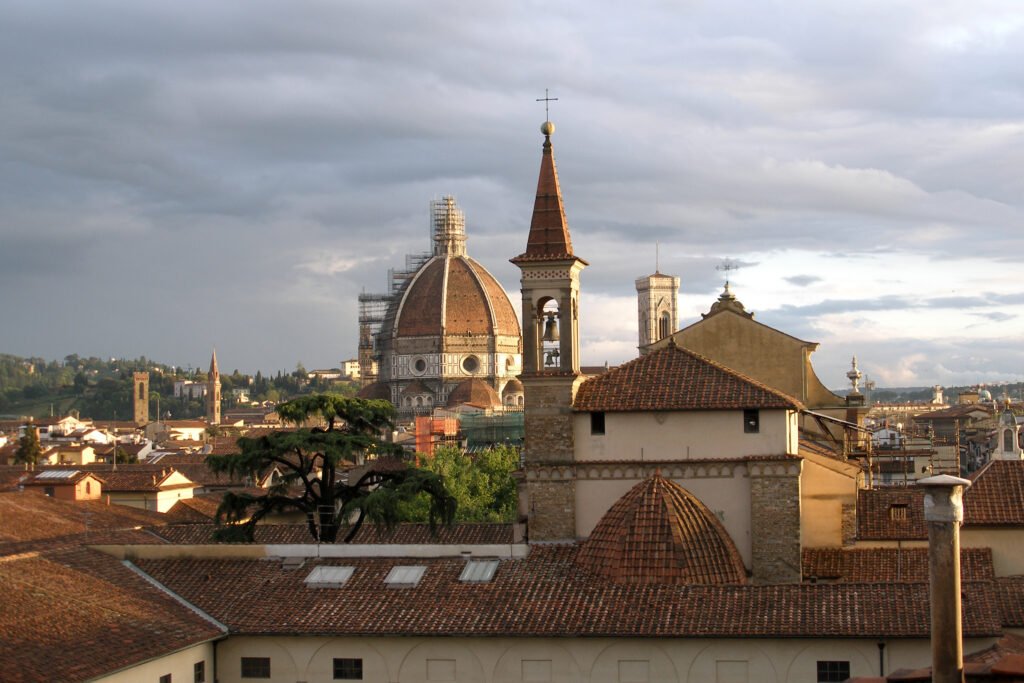
Florence is a city in the Tuscany region of central Italy, built along the Arno River. It rose from a Roman military colony into the city where the Renaissance began, and its historic center still holds one of the densest concentrations of Renaissance art and architecture anywhere in the world. Where Is Florence Located? Florence
Florence: Birthplace of the Renaissance Read More »
Florence is a city in Tuscany, Italy, on the Arno River, widely regarded as the birthplace of the Renaissance.
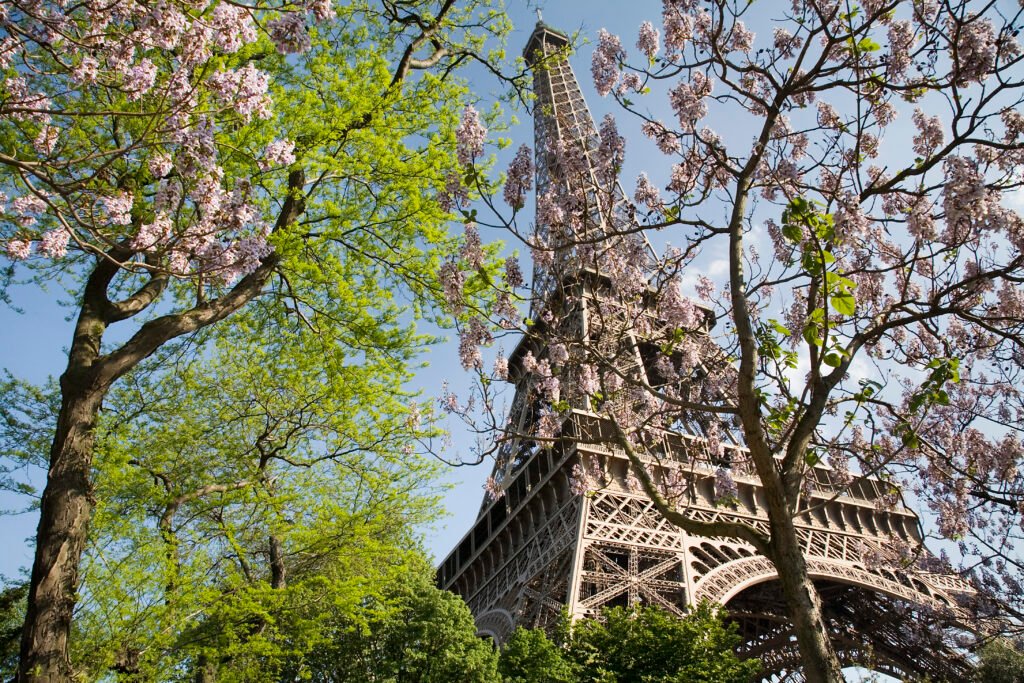
France is a Western European nation whose capital, Paris, is home to the Eiffel Tower, arguably the single most recognizable structure in the world and the enduring symbol of the country itself. Beyond Paris, France ranges from Atlantic and Mediterranean coastlines to the Alps and Pyrenees, and its language, cuisine, and art have shaped global
France: Geography, History, Government and Key Facts Read More »
France is a major Western European power whose capital, Paris, is home to the Eiffel Tower.
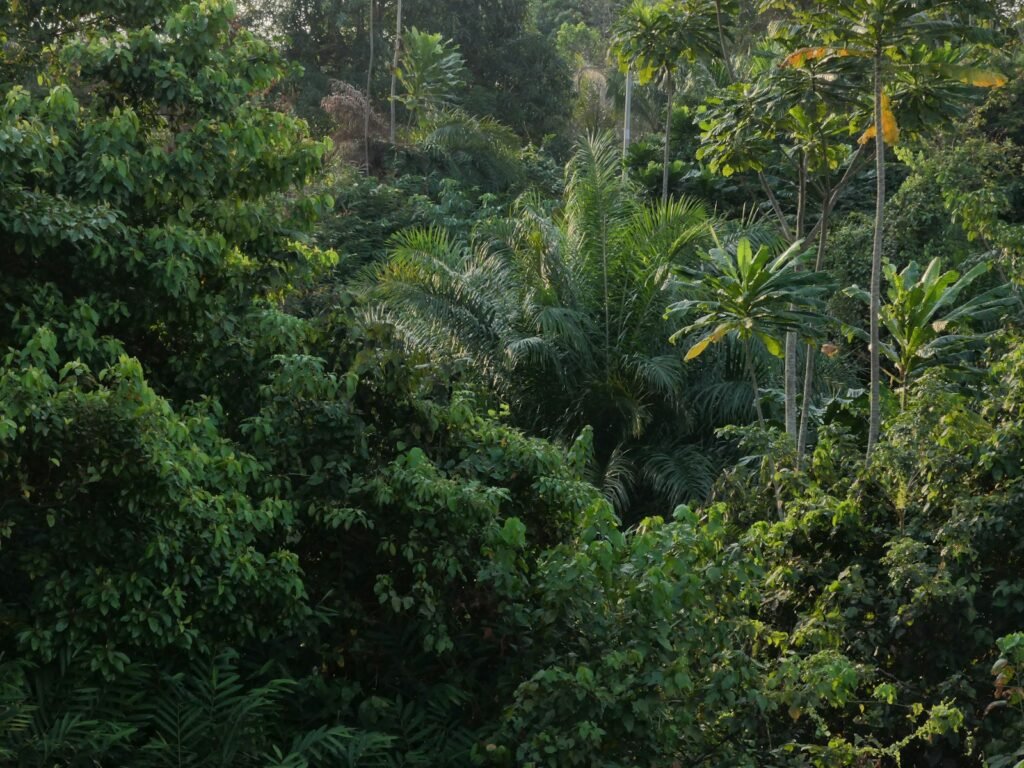
Gabon is a rainforest-covered nation on Central Africa’s Atlantic coast, straddling the equator between Cameroon, Equatorial Guinea, and the Republic of the Congo. Sparsely populated relative to its land area, it is known internationally for its dense biodiversity, its oil-dependent economy, and a 2023 military coup that ended 56 years of rule by the Bongo
Gabon: Geography, History, Government and Key Facts Read More »
Gabon is a rainforest-covered Central African nation on the equator, known for its biodiversity and a 2023 military coup that ended Bongo family rule.
What and Where Is Geneva? Geneva is Switzerland‘s second-largest city and the capital of the Canton of Geneva, sitting at the southwestern tip of Lake Geneva at the point where the Rhone River flows out toward France. It is the principal city of Romandy, the French-speaking part of Switzerland, and lies closer to Paris and
Geneva: Switzerland’s Diplomatic Hub Read More »
Geneva is a Swiss city on Lake Geneva that serves as a major global center for international diplomacy, finance, and humanitarian organizations.
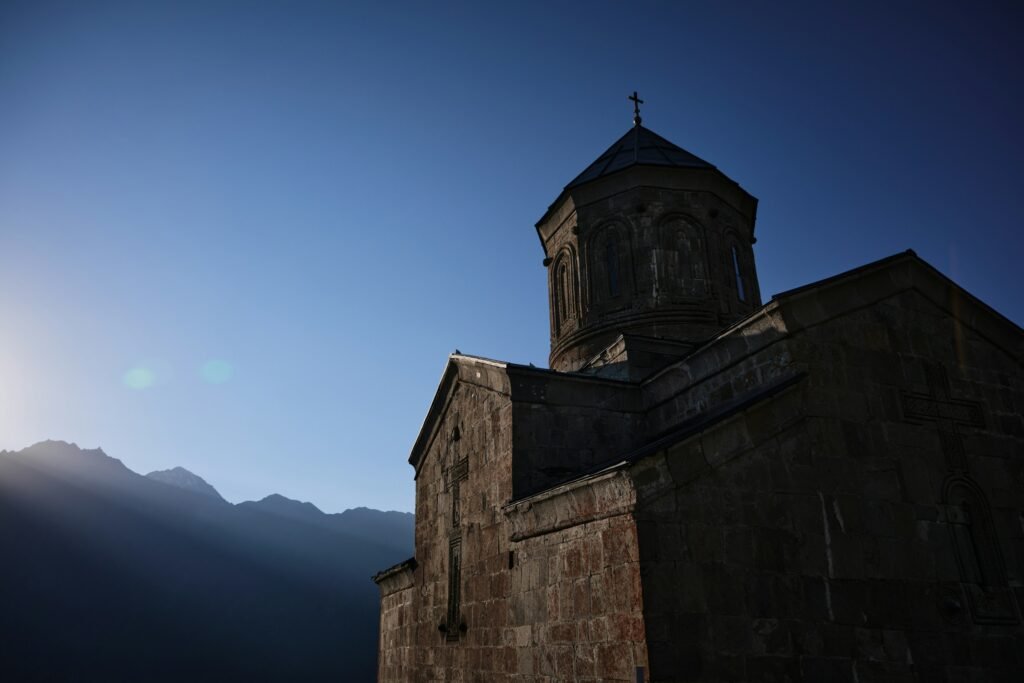
Georgia is a small nation in the South Caucasus, wedged between the Black Sea and the Greater Caucasus Mountains, where Eastern Europe meets Western Asia. Its capital, Tbilisi, sits on the Mtkvari River, but the country’s single most recognized image is Gergeti Trinity Church, a fourteenth century stone church set beneath the glaciated summit of
Georgia: Geography, History, Government and Key Facts Read More »
Georgia is a South Caucasus nation between the Black Sea and Russia, known for ancient Christian heritage and one of the world's oldest wine traditions.
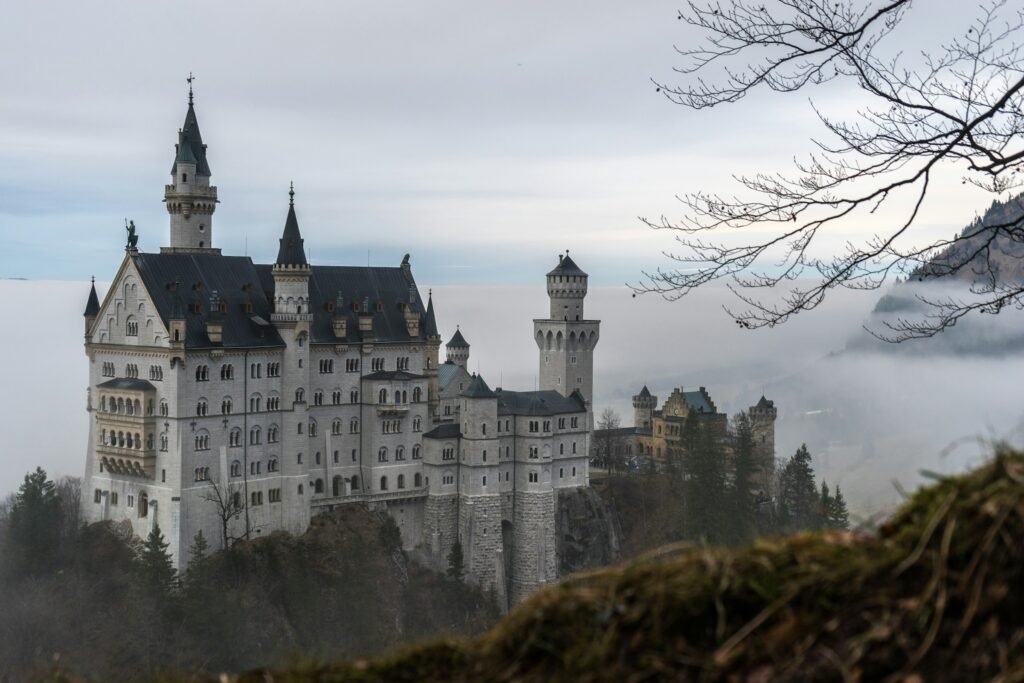
Germany is Central Europe’s most populous country and its largest economy, a federal republic whose 1990 reunification ended more than four decades of Cold War division. Its capital, Berlin, still carries the physical and symbolic marks of that division, but the country’s single most recognized image is Neuschwanstein Castle, the nineteenth century Bavarian palace whose
Germany: Geography, History, Government and Key Facts Read More »
Germany is Central Europe's largest economy and most populous nation, reunified in 1990 after four decades of Cold War division.
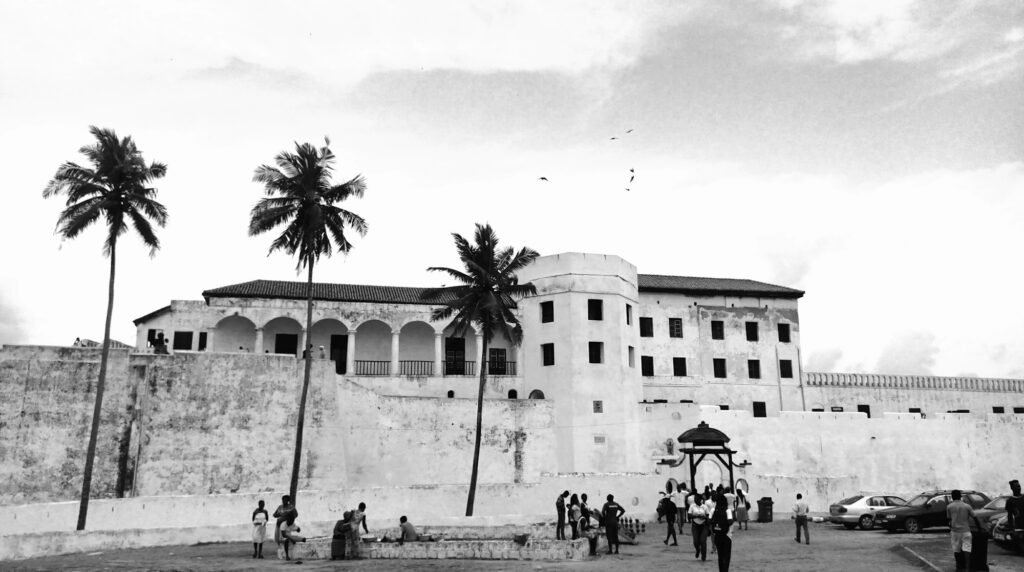
Ghana is a West African country on the Gulf of Guinea, bordered by Cote d’Ivoire, Burkina Faso, and Togo. Formerly the British colony of the Gold Coast, it became independent in 1957, the first country in sub-Saharan Africa to break from European colonial rule, and its capital, Accra, sits on the Atlantic coast.1 Geography Ghana
Ghana: Geography, History, Government and Key Facts Read More »
Ghana is a West African nation and the first sub-Saharan African country to gain independence, known for its UNESCO-listed coastal forts and kente cloth.
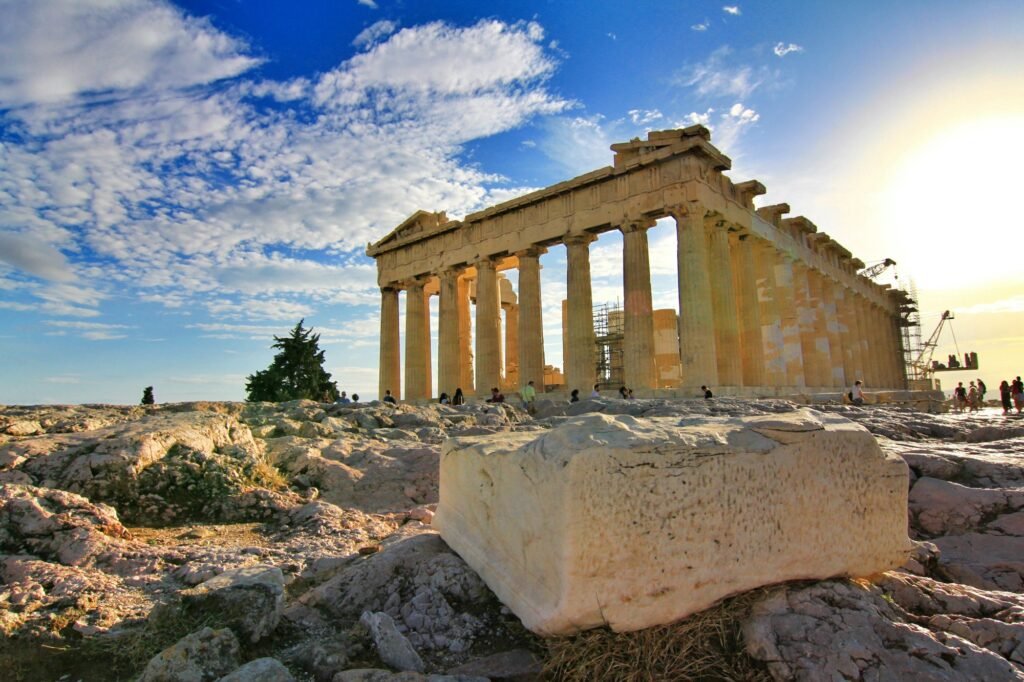
Greece is the southernmost country of the Balkan Peninsula in southeastern Europe, a nation whose Classical Athenian civilization laid foundations for Western philosophy, democracy, and science that are still felt worldwide. Its capital, Athens, is home to the Acropolis and the Parthenon, the temple that remains the single most recognizable symbol of ancient Greek achievement.1
Greece: Geography, History, Government and Key Facts Read More »
Greece is the birthplace of Western democracy and philosophy, home to the Acropolis and the ancient and modern Olympic Games.
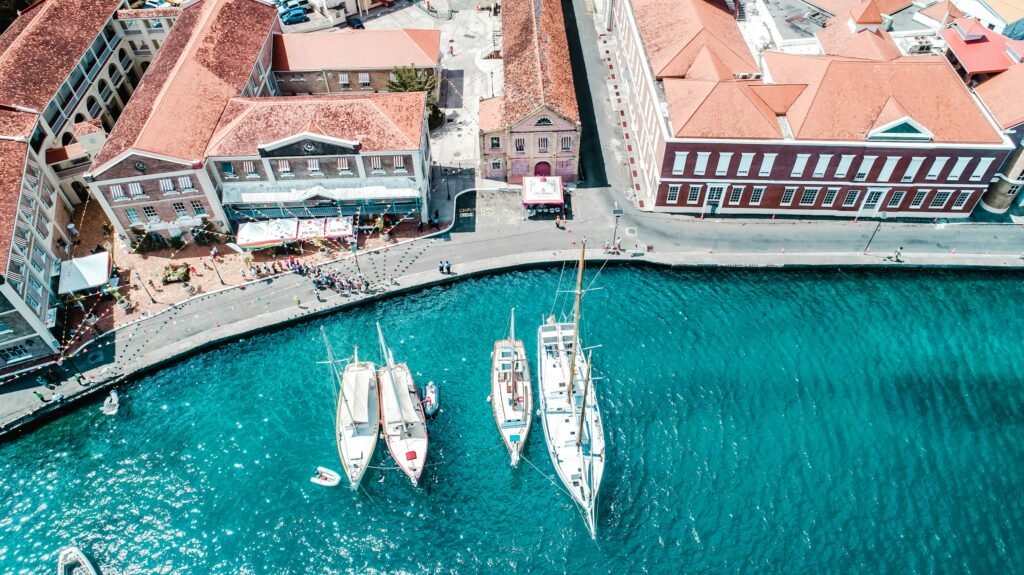
Grenada is a small island nation in the southeastern Caribbean best known as the “Spice Isle,” the world’s second-largest producer of nutmeg after Indonesia. Its capital, St. George’s, wraps around a horseshoe-shaped harbor called the Carenage, overlooked by the eighteenth-century Fort George, one of the most photographed views in the Eastern Caribbean. Beyond its spice
Grenada: Geography, History, Government and Key Facts Read More »
Grenada is a small Eastern Caribbean island nation known as the Spice Isle for its nutmeg production and its 1979-1983 political upheaval.
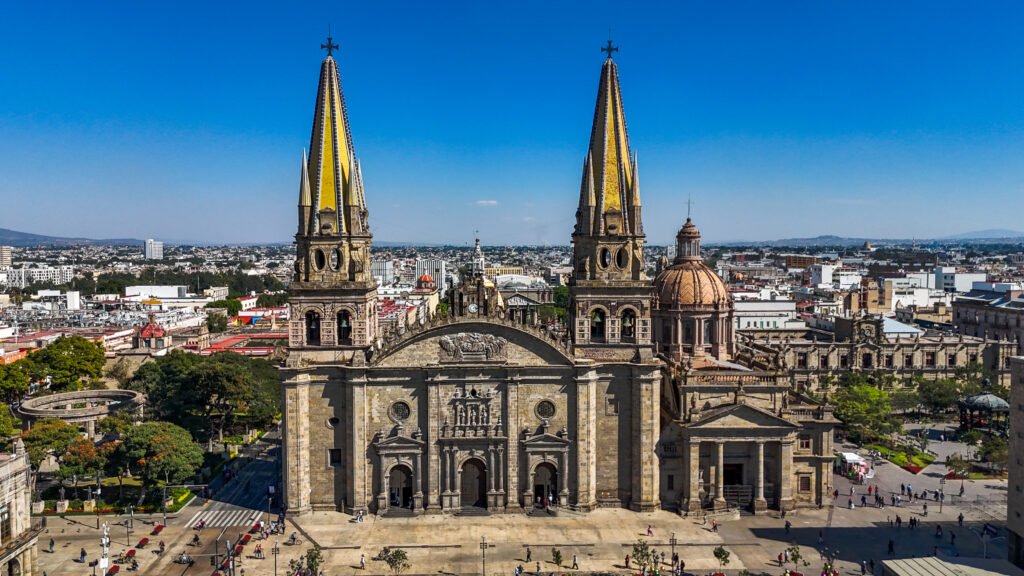
Guadalajara is the capital of the Mexican state of Jalisco and one of the country’s largest cities. Founded by Spanish colonists in the 16th century, it is widely regarded as the birthplace of mariachi music and is home to two distinct UNESCO-recognized landmarks within its historic center. Where Is Guadalajara Located? Guadalajara sits on a
Guadalajara: Jalisco’s Cultural Capital Read More »
Guadalajara is the capital of the Mexican state of Jalisco, founded in 1542 and home to the UNESCO-listed Hospicio Cabanas.