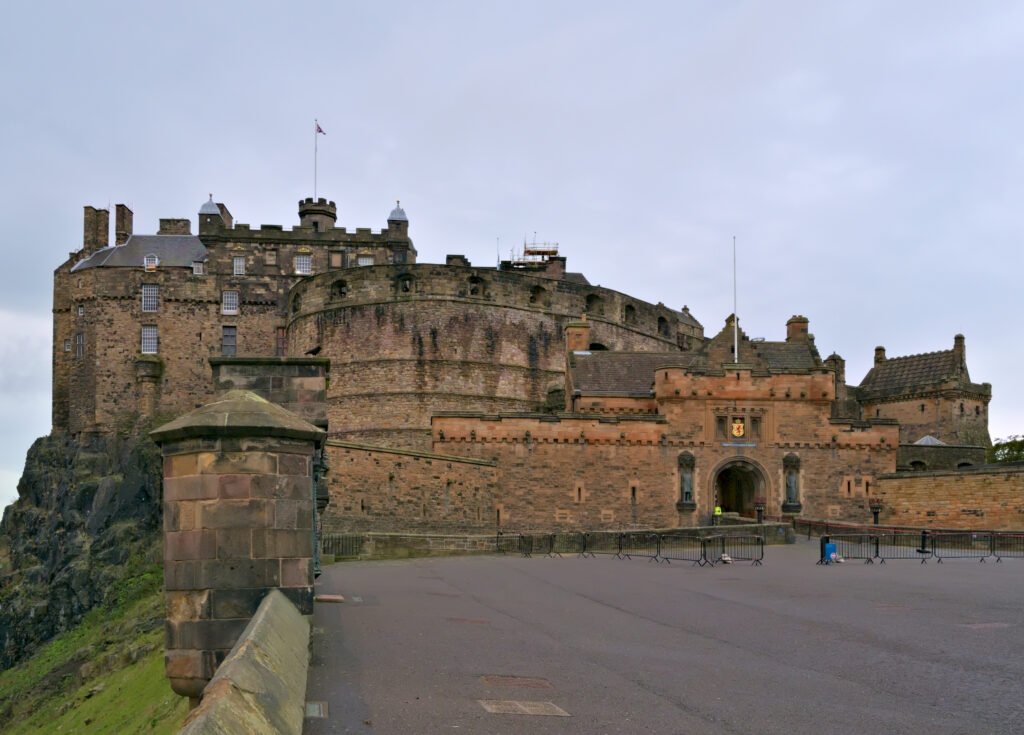
Edinburgh is the capital of Scotland, built around a volcanic rock formation that has supported a fortress since at least the Iron Age. It is best known for Edinburgh Castle, for the contrasting medieval Old Town and Georgian New Town that together form a UNESCO World Heritage Site, and for the Edinburgh Festival Fringe, the
Edinburgh: Scotland’s Historic Capital Read More »
Edinburgh is the capital of Scotland, built around the volcanic Castle Rock, known for its castle, Old and New Towns, and arts festivals.
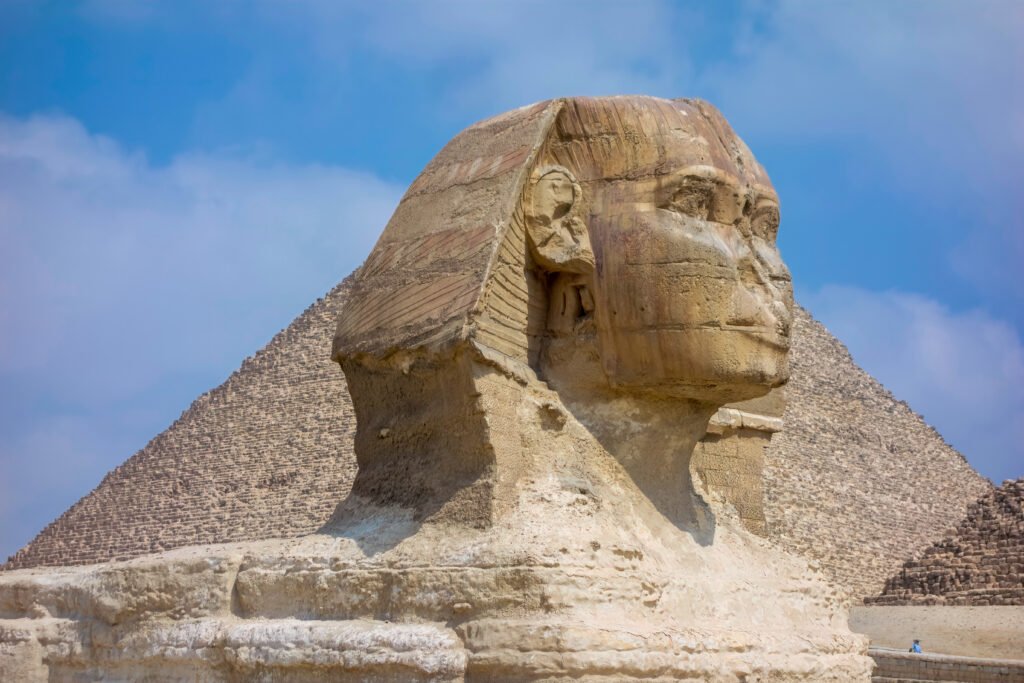
Egypt sits in the northeastern corner of Africa, with the Sinai Peninsula extending into Asia, making it one of the few countries spanning two continents. It is bordered by the Mediterranean Sea to the north, the Red Sea to the east, Libya to the west, and Sudan to the south. Almost the entire population lives
Egypt: Geography, History, Government and Key Facts Read More »
Egypt is a northeastern African nation along the Nile, home to the pyramids of Giza and the Suez Canal.
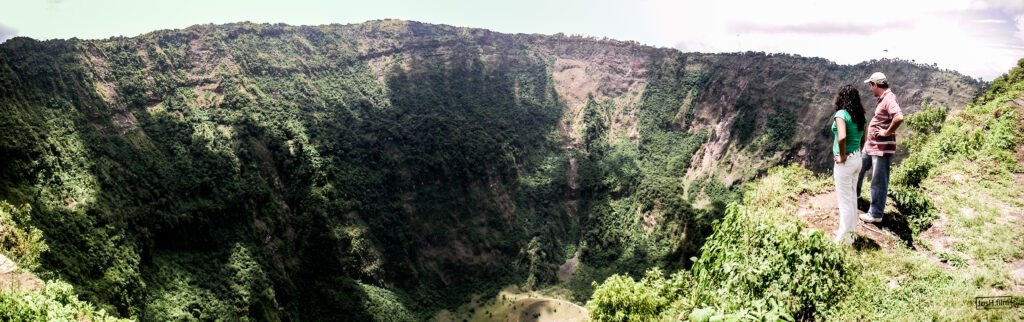
El Salvador is the smallest country in Central America and the only one without a Caribbean coastline, facing the Pacific Ocean along its entire southern border. Despite its size, it is the most densely populated country on the Central American mainland, with a landscape dominated by volcanoes that has earned it the nickname “the Land
El Salvador: Geography, History, Government and Key Facts Read More »
El Salvador is the smallest, most densely populated country in mainland Central America, known for its volcanoes and Pacific coast.
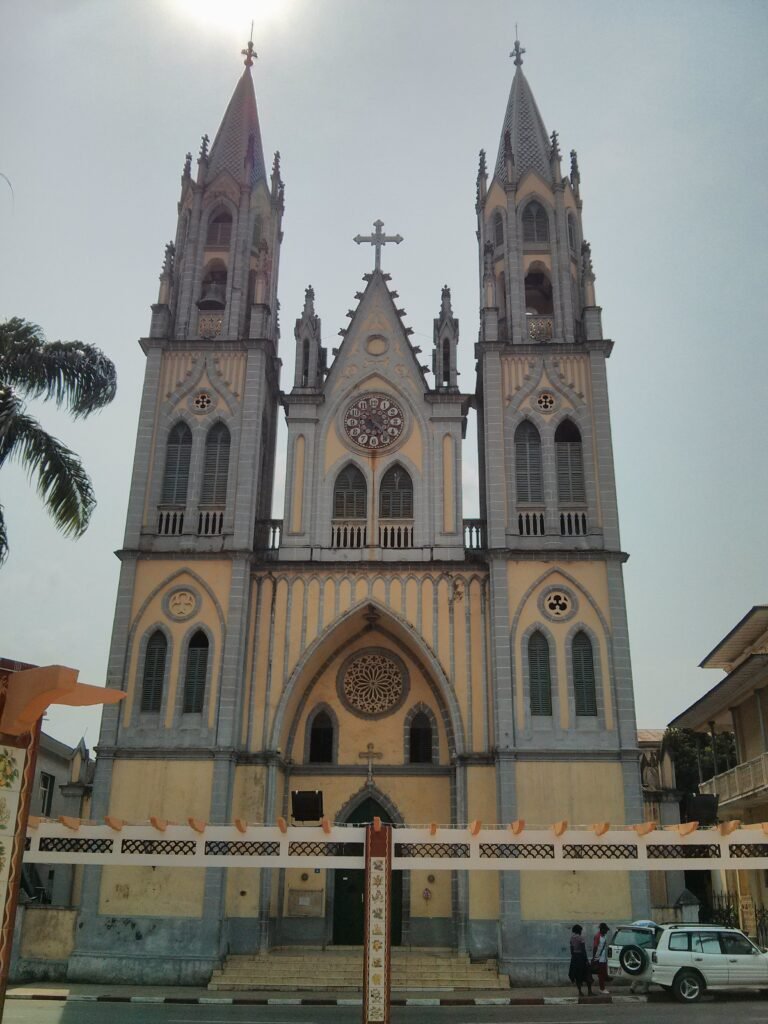
Equatorial Guinea is a small Central African nation made up of a mainland region and several islands, and it is the only country in Africa where Spanish is an official language, a legacy of nearly two centuries of Spanish colonial rule. Since the 1990s it has become one of Sub-Saharan Africa’s largest oil producers, transforming
Equatorial Guinea: Geography, History, Government and Key Facts Read More »
Equatorial Guinea is a small, oil-rich Central African nation and the only African country with Spanish as an official language.
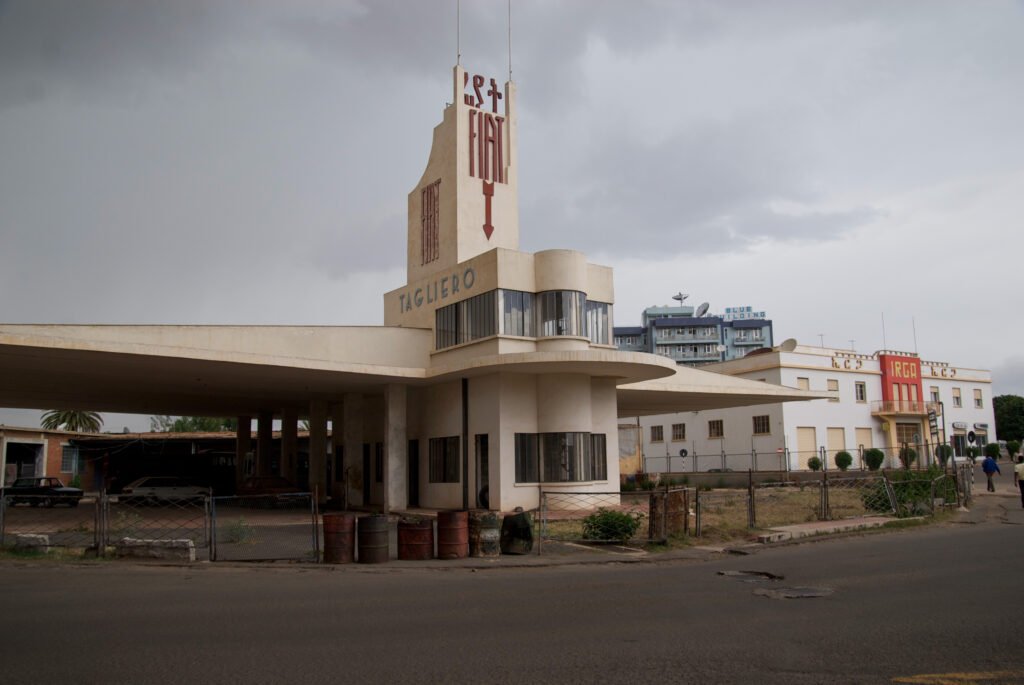
Eritrea occupies a long stretch of the Red Sea coast in the Horn of Africa. Its capital, Asmara, sits on a highland plateau and preserves one of the world’s largest and best-preserved collections of early twentieth-century Italian modernist architecture, a legacy of Italian colonial rule that earned the city UNESCO World Heritage status in 2017.
Eritrea: Geography, History, Government and Key Facts Read More »
Eritrea is a Red Sea nation in the Horn of Africa whose capital, Asmara, is a UNESCO-listed showcase of Italian modernist architecture.
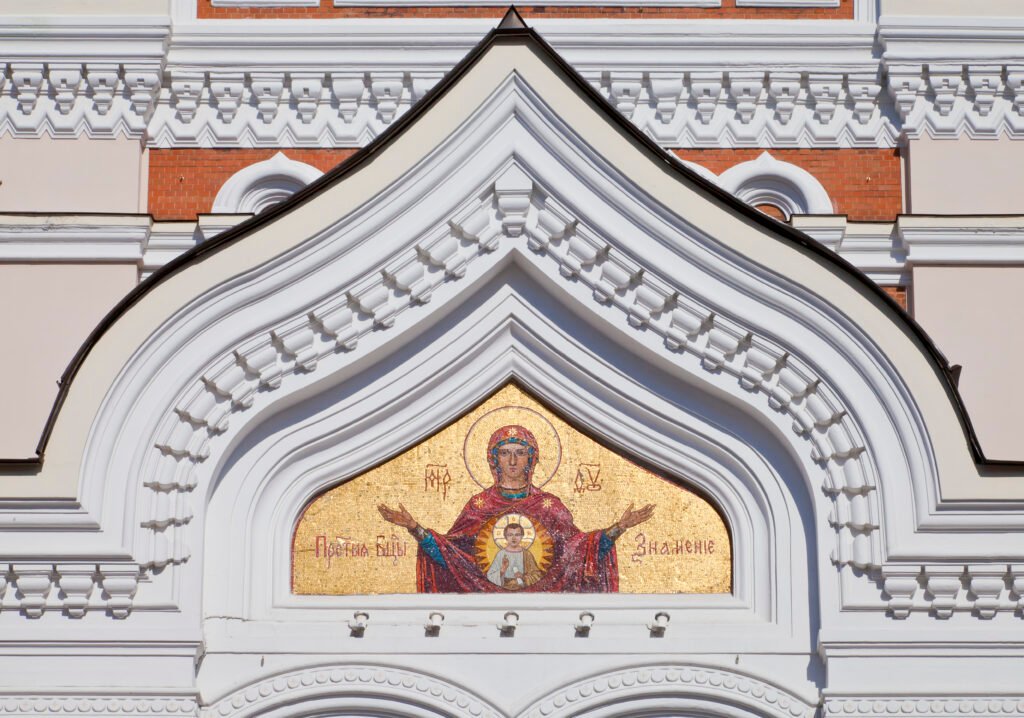
Estonia is the northernmost of the three Baltic states, facing the Gulf of Finland and the Baltic Sea. Its capital, Tallinn, preserves one of Europe’s best-maintained medieval old towns, a UNESCO World Heritage Site whose skyline is dominated by the onion domes of the Alexander Nevsky Cathedral rising above the surrounding city walls and spires.
Estonia: Geography, History, Government and Key Facts Read More »
Estonia is the northernmost Baltic state, known for Tallinn's medieval Old Town and its leadership in digital government.
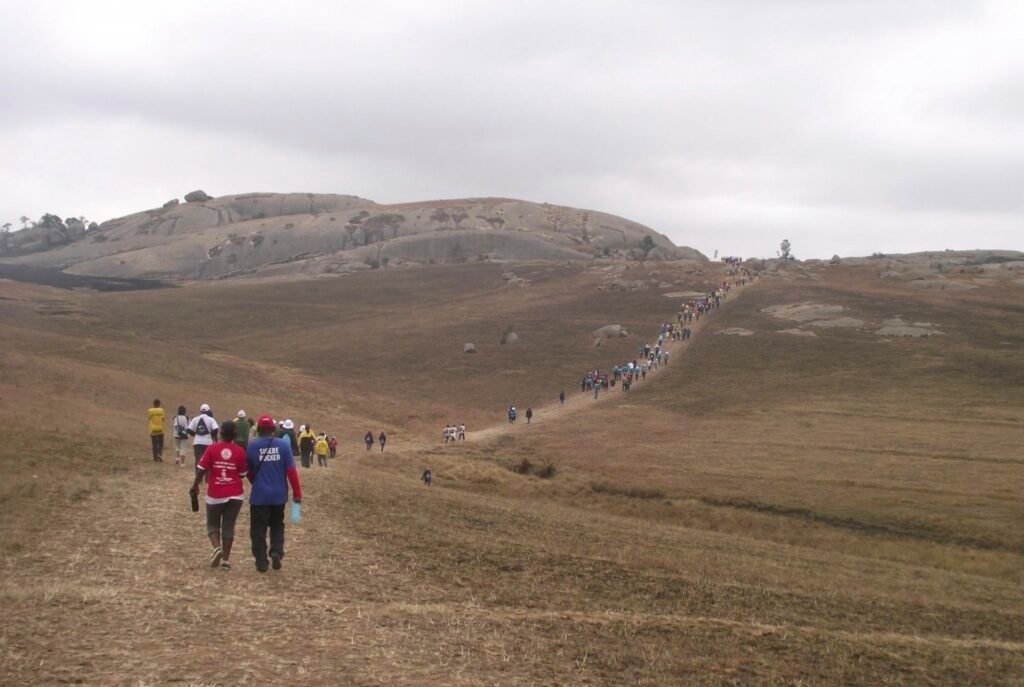
Eswatini is a small, landlocked kingdom in Southern Africa and one of the last remaining absolute monarchies in the world. Renamed from Swaziland to Eswatini by royal decree in 2018, it remains one of the least internationally visited African countries, despite natural landmarks such as Sibebe Rock, one of the largest exposed granite domes on
Eswatini: Geography, History, Government and Key Facts Read More »
Eswatini is a small, landlocked Southern African kingdom, one of the world's last absolute monarchies, renamed from Swaziland in 2018.
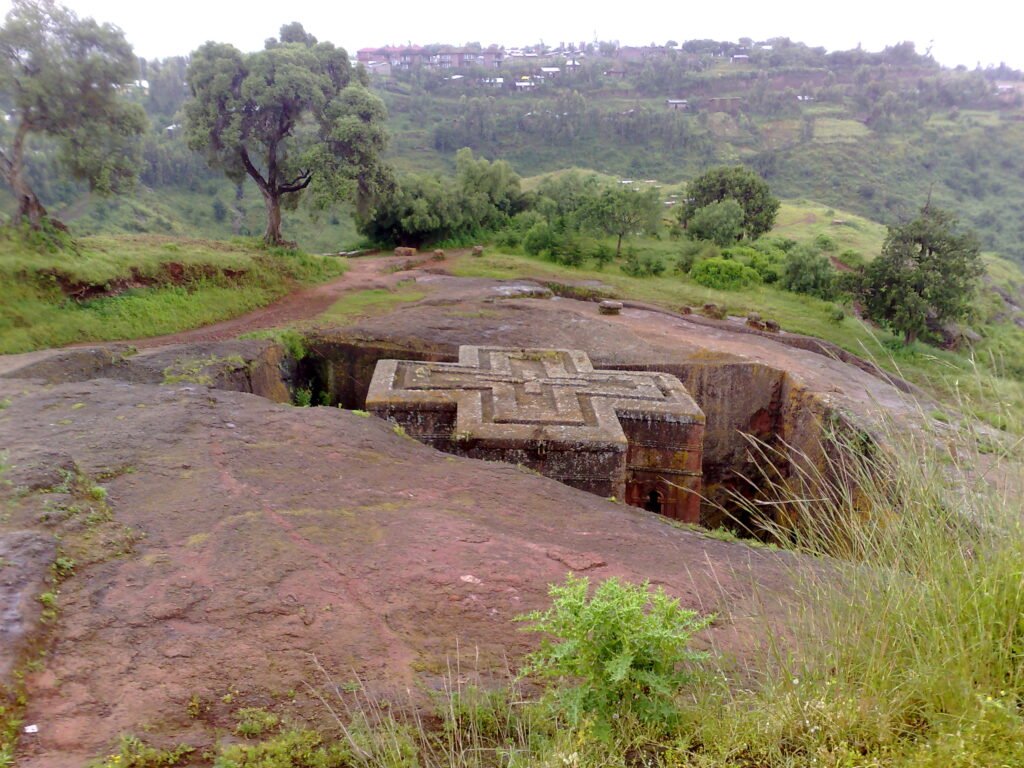
Ethiopia is a landlocked country in the Horn of Africa and the only African nation, along with Liberia, that was never formally colonized by a European power during the nineteenth-century Scramble for Africa. Its rugged highlands are home to Lalibela, a complex of eleven medieval churches carved directly out of solid rock, whose cross-shaped Church
Ethiopia: Geography, History, Government and Key Facts Read More »
Ethiopia is a Horn of Africa nation never colonized by Europe, home to the rock-hewn churches of Lalibela.
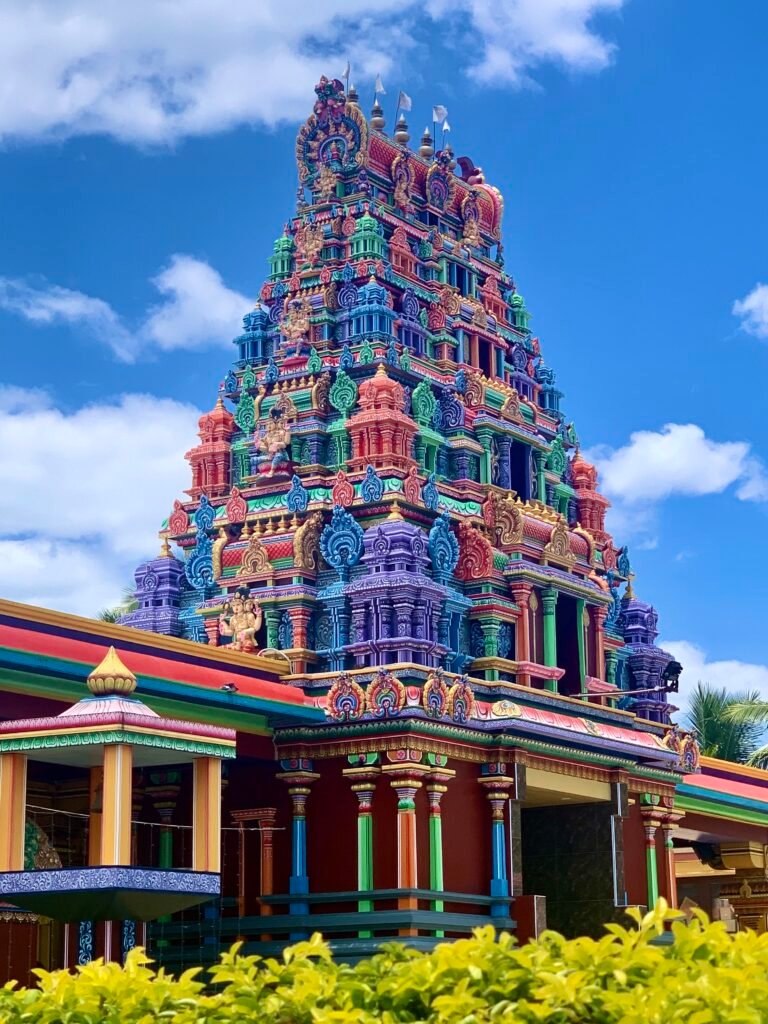
Fiji is a South Pacific archipelago of more than 300 islands, roughly a third of them inhabited, built on a cultural mix of Indigenous Melanesian and Polynesian heritage and a large population descended from Indian indentured laborers brought by British colonizers in the late nineteenth century. That mix is on vivid display in Nadi, where
Fiji: Geography, History, Government and Key Facts Read More »
Fiji is a South Pacific archipelago blending Indigenous Melanesian-Polynesian and Indo-Fijian heritage.
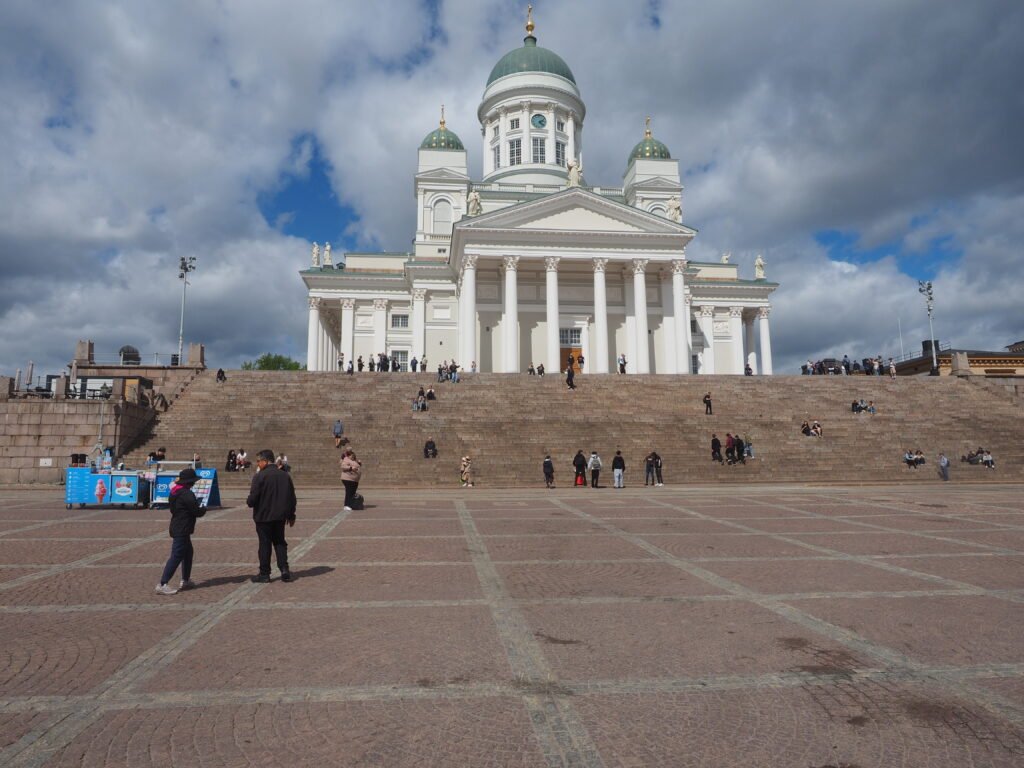
Finland is a Nordic country in Northern Europe known for its tens of thousands of lakes, extensive forests, and a distinctive neoclassical skyline in its capital, Helsinki, where the white-domed Helsinki Cathedral overlooks Senate Square as the city’s most recognizable landmark. Where Is Finland Located? Finland lies in Northern Europe, bordered by Sweden to the
Finland: Geography, History, Government and Key Facts Read More »
Finland is a Nordic nation of tens of thousands of lakes, known for its education system, design, and Helsinki's neoclassical cathedral.