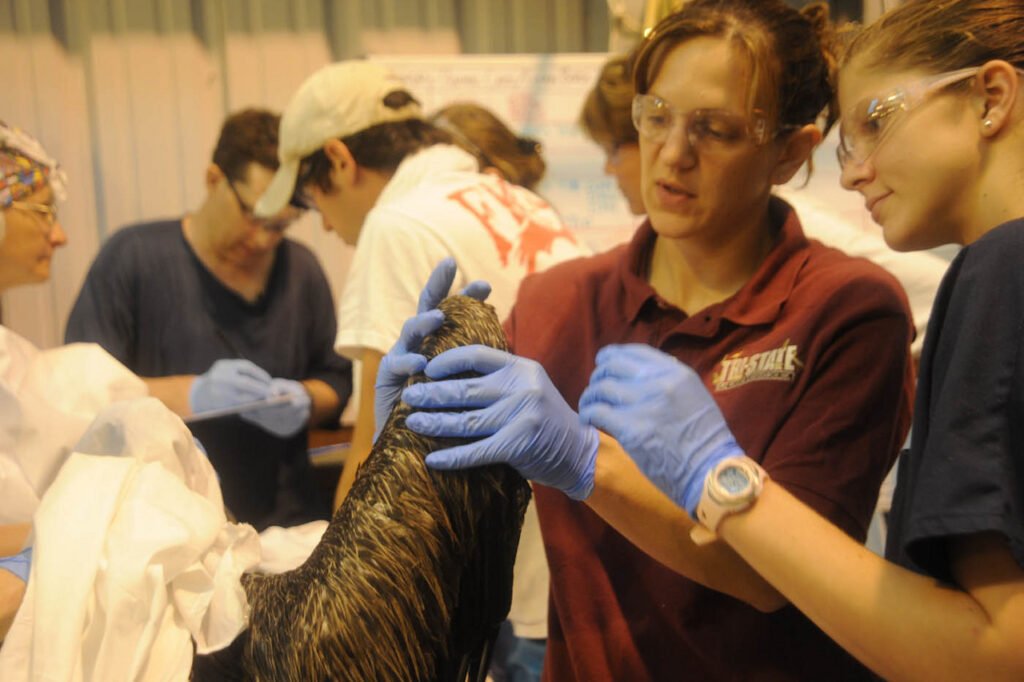
Scope of Wildlife Rehabilitation Practice Wildlife rehabilitation addresses the short-term medical and husbandry needs of injured, orphaned, or displaced wild animals with the explicit goal of eventual release back into their natural habitat, distinguishing it from permanent captive care facilities such as zoos. Rehabilitators handle an enormous diversity of species, from songbirds and small mammals
Wildlife Rehabilitation Read More »
The veterinary and husbandry care of injured, orphaned, or displaced wild animals with the goal of returning them to their natural habitat.
Wildlife trafficking is the illegal trade in animals, plants, and their derived products, encompassing everything from live animals captured for the exotic pet trade to processed goods such as ivory carvings, traditional medicine ingredients, and exotic leather products made from protected species. It operates as a sophisticated global criminal enterprise, often overlapping with other forms
Wildlife Trafficking Read More »
Wildlife trafficking is the illegal global trade in animals, plants, and their products, generating billions of dollars through organized crime networks.
A wind turbine is a machine that converts the kinetic energy of moving air into electricity, using large rotating blades connected to an electrical generator housed at the top of a tall tower. Modern wind turbines range from small units that power a single farm or remote cabin to massive offshore machines with blades longer
Wind turbine Read More »
A machine that converts the kinetic energy of wind into electricity using large rotating blades connected to a generator.
Wine tasting is the systematic sensory evaluation of wine, assessing its appearance, aroma, taste, and finish to judge quality, identify grape variety and origin, and determine readiness for drinking. Professional tasting follows a structured method, while casual tasting borrows the same basic steps in simplified form. The Systematic Approach Wine tasting typically follows a sequence
Wine Tasting Read More »
The systematic sensory evaluation of wine assessing appearance, aroma, taste, and finish.
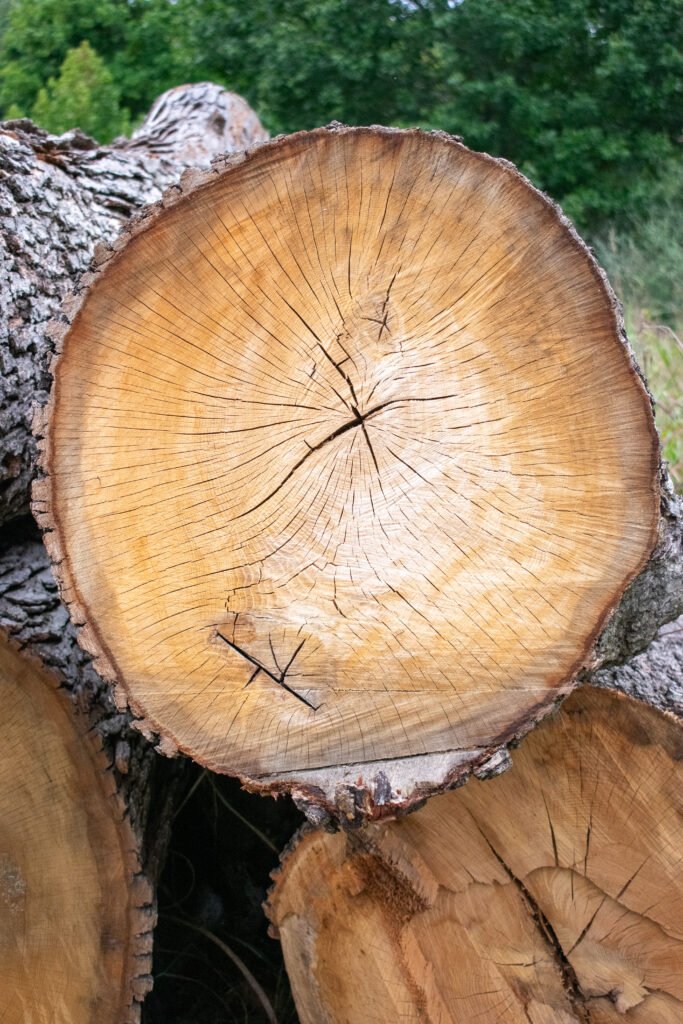
Wood density is a measure of how much mass a given volume of wood contains, usually expressed as mass per unit volume, and it is one of the most important physical properties influencing how a species of wood performs structurally, how it burns, and how it machines or finishes. Denser woods generally offer greater strength
Wood Density Read More »
A measure of the mass of wood per unit volume, influencing its strength, workability, and fuel value.
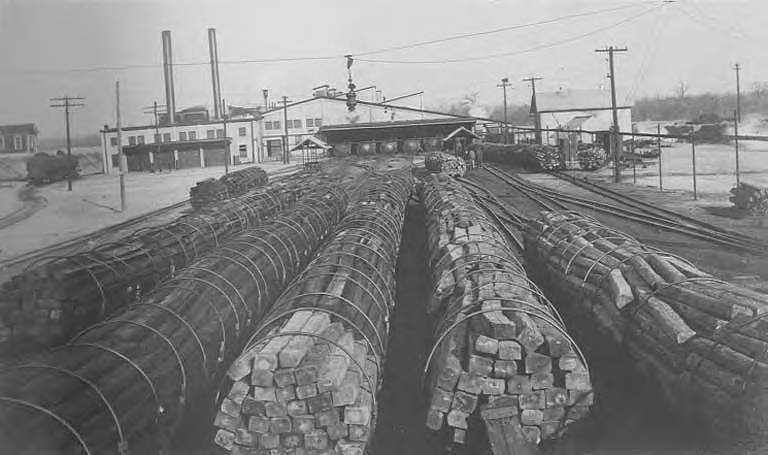
Wood preservation refers to the range of treatments applied to timber to protect it from decay-causing fungi, wood-boring insects, and marine borers, extending the usable life of wood products that would otherwise degrade rapidly when exposed to moisture, soil contact, or pest-prone environments. Preservation treatments are especially important for structural and outdoor uses, such as
Wood Preservation Read More »
Treating timber to resist decay, insects, and marine borers and extend its service life.
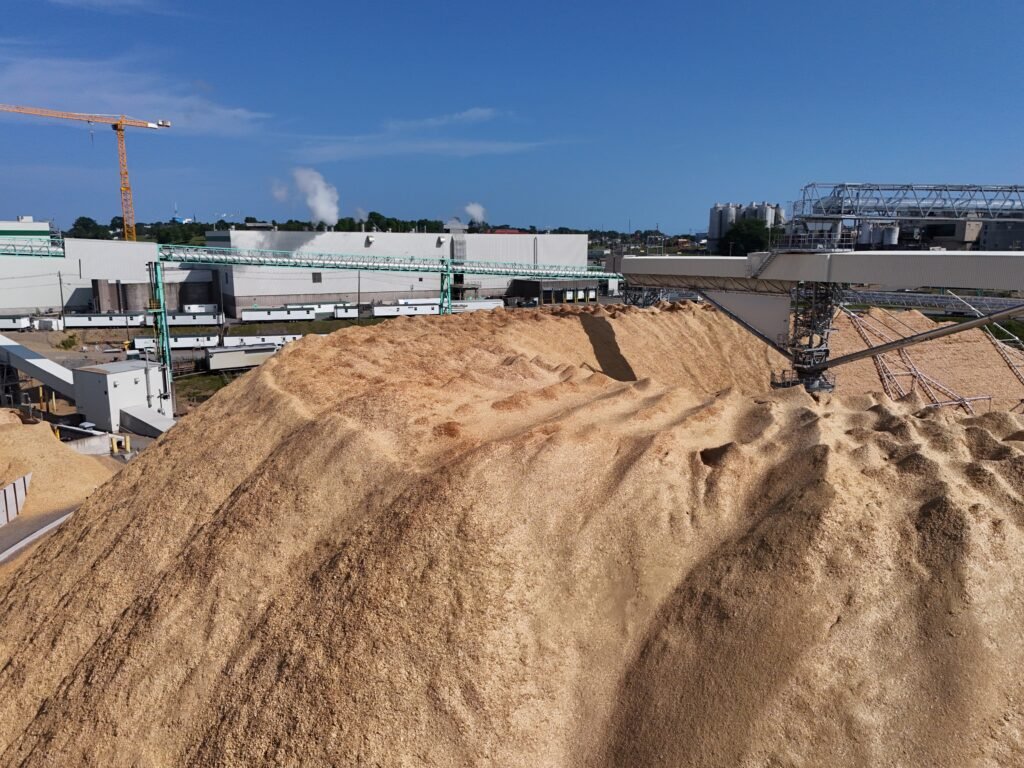
Wood pulp is a fibrous material produced by mechanically or chemically breaking down wood into its cellulose fibers, forming the primary raw material used to manufacture paper, cardboard, and a range of other cellulose-based products. Producing pulp separates the useful cellulose fibers from lignin and other wood components that would otherwise weaken paper or cause
Wood Pulp Read More »
Fibrous cellulose material extracted from wood for making paper and related products.
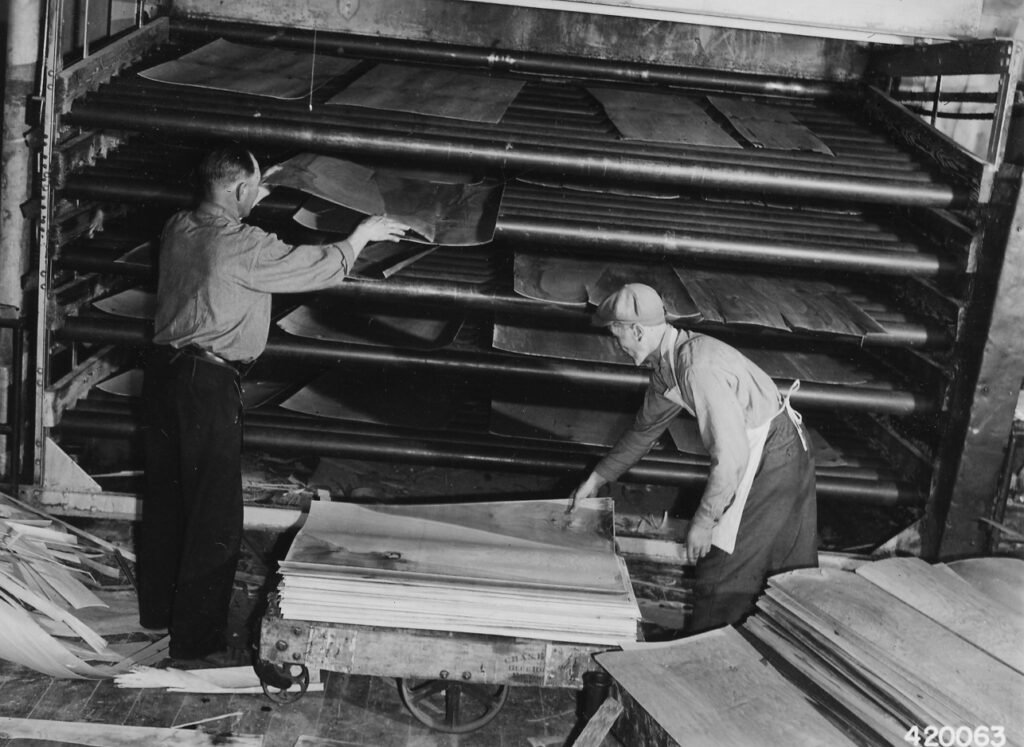
Wood veneer is a thin sheet of wood, typically less than three millimeters thick, sliced or peeled from a log and used as a decorative or functional surface layer on furniture, cabinetry, doors, and engineered wood panels. Veneer allows manufacturers to achieve the appearance of expensive or rare wood species while using far less raw
Wood Veneer Read More »
A thin sliced or peeled sheet of wood used as a decorative or functional surface layer.
Working memory is the cognitive system responsible for temporarily holding and actively manipulating a small amount of information in the mind, such as the numbers needed for mental arithmetic or the beginning of a sentence while reading its end. The Baddeley and Hitch model Psychologists Alan Baddeley and Graham Hitch proposed an influential multi-component model
Working memory Read More »
The cognitive system that temporarily holds and actively manipulates a small amount of information in the mind.