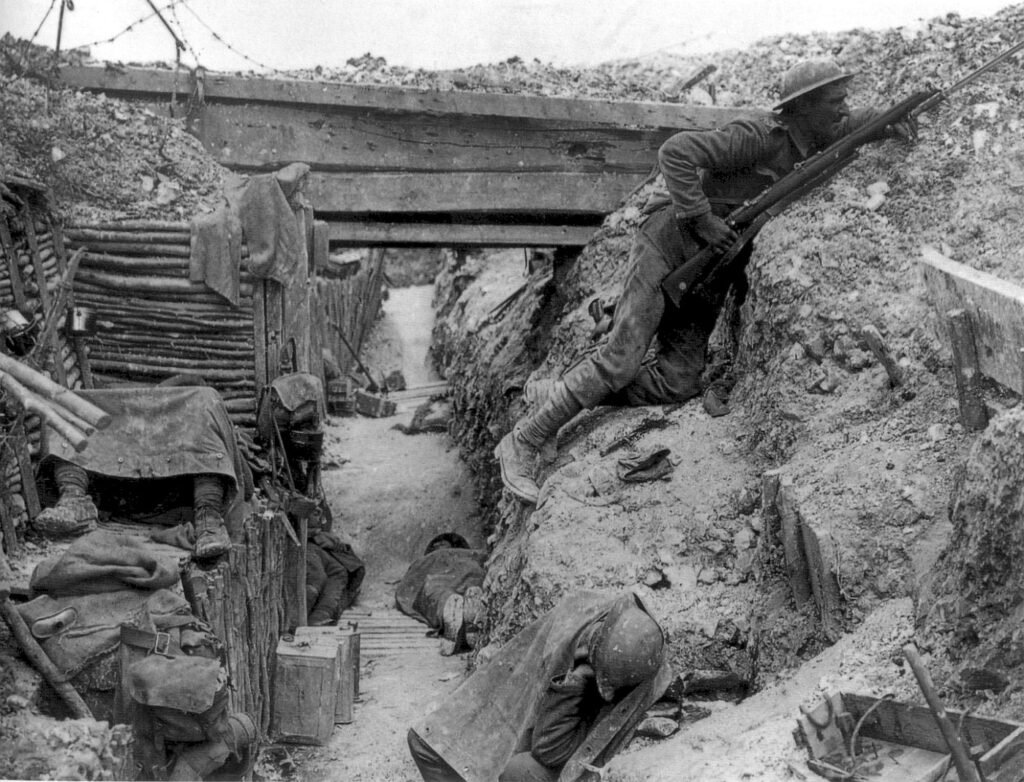
World War I was a global conflict fought from 1914 to 1918, primarily centered in Europe but drawing in colonies and allies from across the world, that pitted the Allied Powers, principally France, the British Empire, Russia, and later the United States and Italy, against the Central Powers, principally Germany, Austria-Hungary, and the Ottoman Empire.
World War I Read More »
A global conflict fought from 1914 to 1918 between the Allied and Central Powers, triggered by the assassination of Archduke Franz Ferdinand.
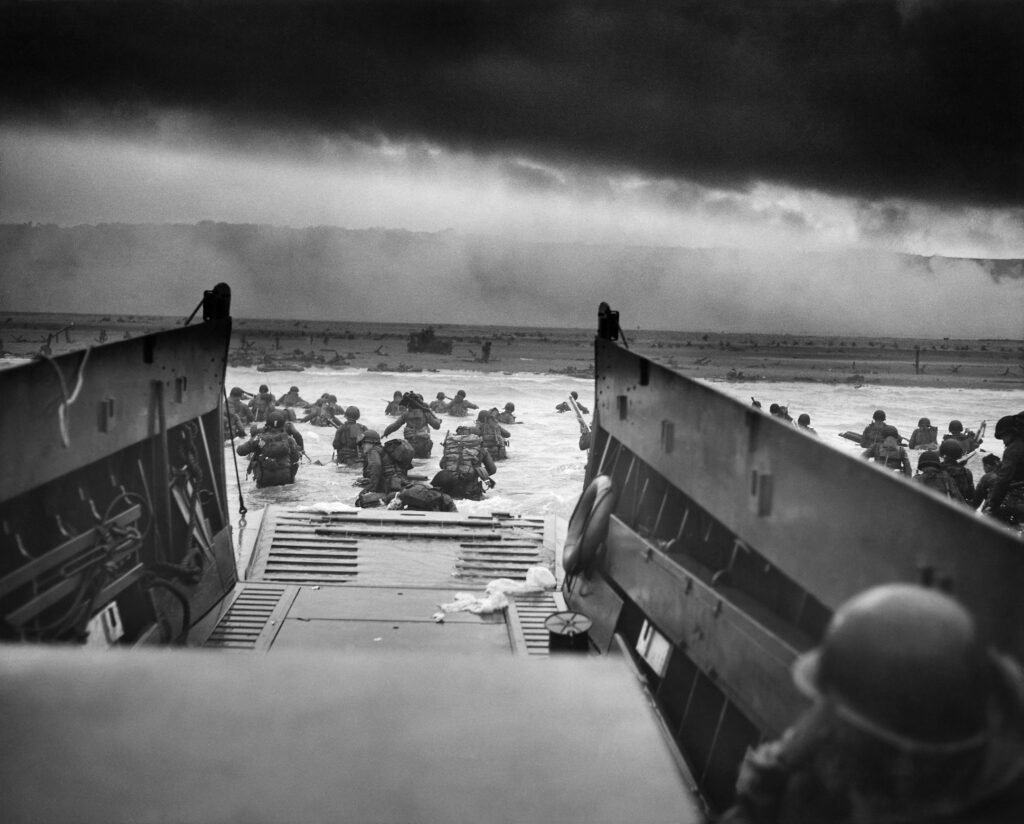
World War II was a global military conflict fought between 1939 and 1945, pitting the Allied powers, principally Britain, the Soviet Union, the United States, and China, against the Axis powers, principally Germany, Italy, and Japan. It remains the deadliest conflict in human history, drawing in more than thirty countries and touching nearly every inhabited
World War II Read More »
The global conflict from 1939 to 1945 between the Allied and Axis powers, the deadliest war in recorded history.
In simple terms A yield curve shows what it costs a government to borrow for different lengths of time, all on one line. Time to maturity runs along the bottom, the interest rate up the side. Curves are usually drawn from government bonds, because those are the benchmark that other borrowing is priced against. How
Yield curve Read More »
A yield curve is a line plotting the interest rates paid on one issuer government bonds across every maturity, from weeks to decades.
Techniques and Mechanics Yield management refers to a specific set of techniques within the broader revenue management discipline, focused particularly on segmenting customers into distinct groups based on their price sensitivity and booking behavior, then applying differentiated pricing and availability rules across these segments to extract more total revenue than a single uniform price could
Yield Management Read More »
Yield management is a specific pricing and inventory control technique within revenue management that segments customers by willingness to pay and adjusts prices and availability across those segments to maximize total revenue.
How Sport Shapes Social Development Youth sport socialization refers to the process by which children and adolescents absorb values, social skills, and behavioral expectations through their participation in organized athletics, a process researchers distinguish from socialization into sport, which concerns how a child becomes involved in a particular activity in the first place, often through
Youth Sport Socialization Read More »
Youth sport socialization is the process through which children and adolescents learn values, social roles, teamwork, and behavioral norms through participation in organized sport.
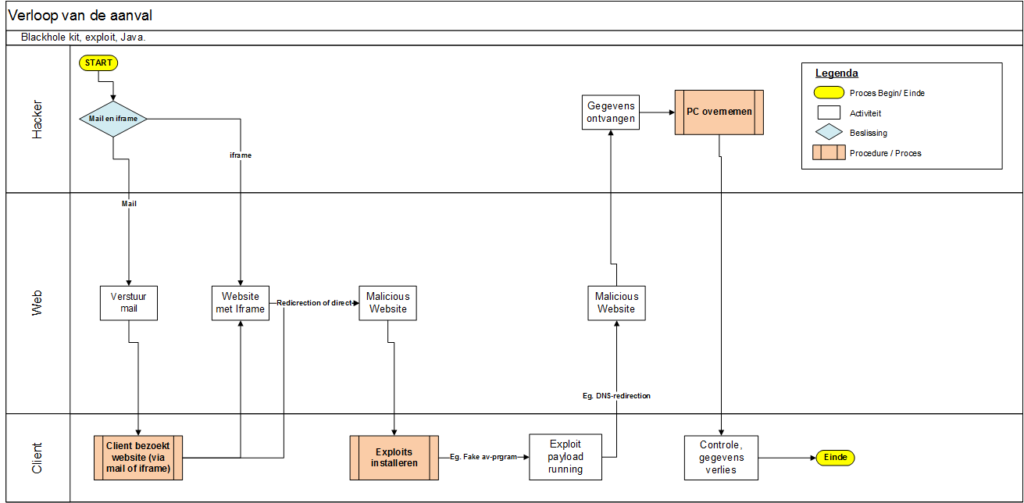
A zero-day vulnerability is a previously unknown flaw in software or hardware that attackers can exploit before the organization responsible for maintaining that product has had any opportunity to identify, acknowledge, or fix it. The name refers to the fact that defenders have had zero days to prepare a patch or defense by the time
Zero-Day Vulnerability Read More »
A previously unknown software or hardware flaw that attackers can exploit before a fix has been developed or released.
The zone of proximal development is a concept from developmental psychology describing the gap between what a learner can accomplish independently and what that same learner can accomplish with guidance from a more knowledgeable other, such as a teacher, parent, or peer. Vygotsky’s sociocultural theory The concept originates with Soviet psychologist Lev Vygotsky, who developed
Zone of proximal development Read More »
The gap between what a learner can do independently and what they can do with guidance from a more knowledgeable other.
Zoning is the legal mechanism by which local governments divide land into designated districts and regulate what can be built or operated within each one, controlling factors such as permitted land use, building height, density, setbacks from property lines, and parking requirements. It is the single most consequential tool in the urban planner’s toolkit because
Zoning Read More »
The legal mechanism by which local governments divide land into districts and regulate permitted use, height, and density within each.
Evolution of Zoo and Aquarium Practice Modern zoo and aquarium management has shifted substantially from earlier models emphasizing display and entertainment toward an integrated mission combining animal welfare, conservation, education, and scientific research. This evolution reflects both advancing scientific understanding of animal cognition and welfare needs and growing public expectation that these institutions justify their
Zoo and Aquarium Management Read More »
The professional operation of zoological and aquatic facilities, encompassing animal welfare, conservation breeding, visitor education, and scientific research.
A zoonotic disease is an infectious disease caused by a pathogen that has jumped from an animal host to a human, either through direct contact, contaminated food or water, or an intermediate carrier such as a mosquito or tick. Zoonotic diseases make up a substantial majority of newly emerging infectious diseases identified in recent decades,
Zoonotic disease Read More »
An infectious disease caused by a pathogen that has jumped from an animal host to a human.