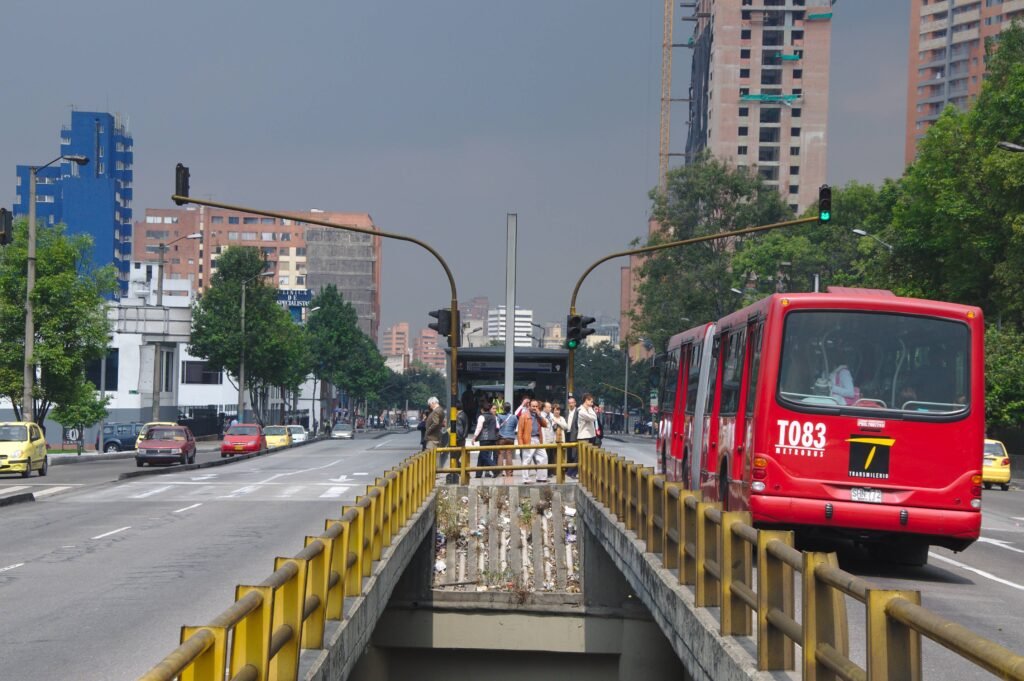
Origins in Curitiba Bus rapid transit traces its modern form to Curitiba, Brazil, where city planners in the 1970s built a network of dedicated busways, tube-shaped boarding stations with pre-paid fare collection, and articulated buses to move large passenger volumes without the capital cost of building a subway or light rail line. The Curitiba model
Bus Rapid Transit Read More »
Bus rapid transit is a high-capacity bus system using dedicated lanes, stations, and priority signaling to approximate the speed and reliability of rail transit at lower cost.
A business plan is a formal document that describes a company’s objectives, the strategy for reaching them, and the operational and financial details investors or lenders need to evaluate the venture. Business plans are used both internally, to align founders and employees around a shared direction, and externally, to secure funding from banks, venture capitalists,
Business plan Read More »
A formal document describing a company’s objectives, strategy, and financial details, used internally and to secure funding.
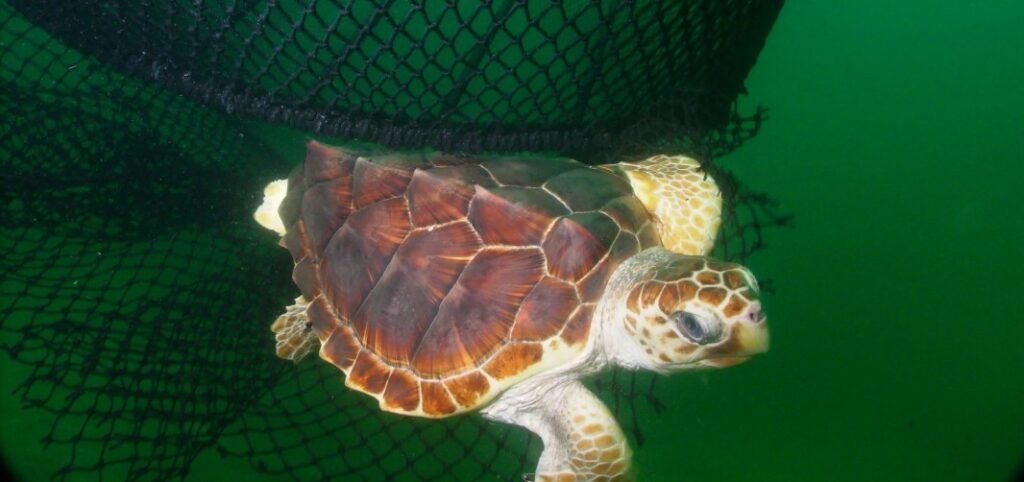
Bycatch is the unintentional capture of non-target marine species during commercial or recreational fishing operations aimed at a different species. It includes fish that are the wrong size or species, as well as sea turtles, marine mammals, seabirds, and sharks caught incidentally in gear set for another target. Why Bycatch Happens Most fishing gear cannot
Bycatch Read More »
The unintentional capture of non-target species, like turtles or seabirds, during fishing.
The building traditions of the Byzantine Empire, distinguished by masterful dome engineering, rich mosaic decoration, and centralized church planning.
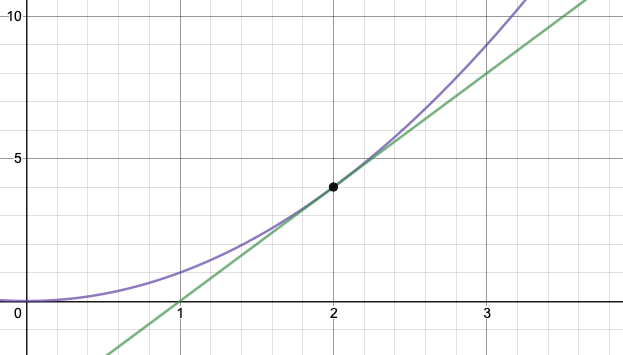
Calculus is the branch of mathematics that studies continuous change, built around two complementary operations called differentiation and integration. Differentiation measures how quickly a quantity changes at a given instant, producing what is called a derivative, while integration accumulates quantities over an interval to find totals such as area, volume, or distance traveled. Developed independently
Calculus Read More »
The branch of mathematics that studies continuous change through differentiation and integration.
A call number is the unique alphanumeric code assigned to a library item that indicates its subject classification and determines its specific physical location on the shelf, functioning as the practical address a patron or staff member uses to locate the item among a library entire collection. A call number typically combines two elements: a
Call Number Read More »
A call number is the unique alphanumeric code assigned to a library item that indicates its subject classification and determines its specific physical location on the shelf.
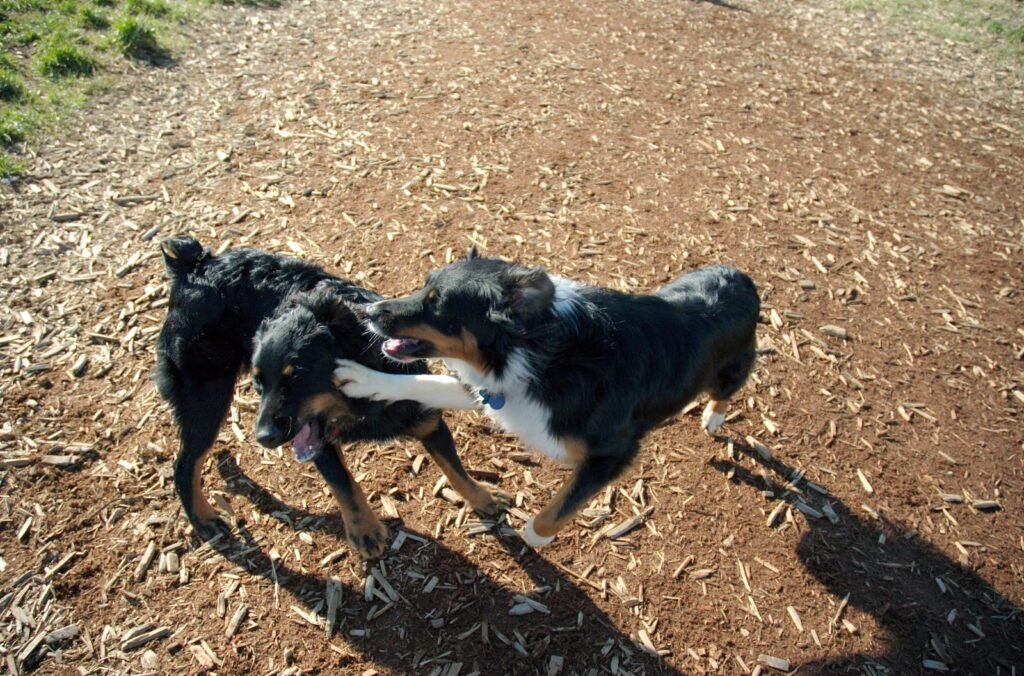
Domestication and Social Evolution Dogs share ancestry with wolves but diverged through a domestication process spanning thousands of years, during which selection favored individuals tolerant of human proximity and cooperative in shared environments. This history produced an animal uniquely attuned to human social cues, including the ability to follow pointing gestures and read human facial
Canine Behavior Read More »
The study of domestic dog behavior patterns, including social structure, communication, and the cooperative instincts shaped by a long history of co-evolution with humans.
A capacitor is an electronic component that stores electrical energy in an electric field created between two conductive plates separated by an insulating material called a dielectric. Capacitors are among the most common components in electronic circuits, used to smooth out voltage fluctuations, store energy for quick release, filter unwanted signal frequencies, and time circuit
Capacitor Read More »
An electronic component that stores electrical energy in an electric field between two conductive plates separated by an insulator.
Captive breeding is the practice of breeding animals in controlled environments such as zoos, aquariums, and dedicated conservation breeding centers, most often as part of an effort to prevent a species from going extinct or to build up a population large enough to reintroduce individuals into the wild. The practice has become an established, if
Captive Breeding Read More »
Captive breeding is the practice of breeding endangered animals in controlled settings to prevent extinction and support future reintroduction.