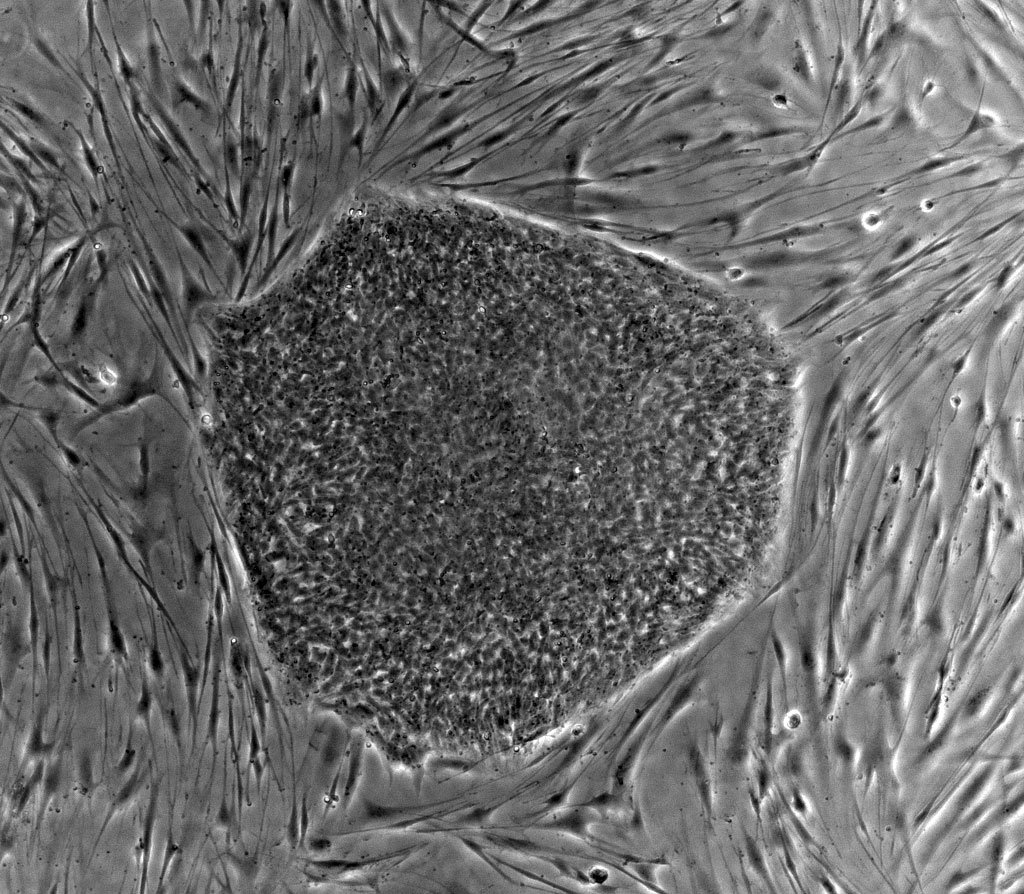
The discovery of stem cells was a series of findings between the early 1900s and the 2000s showing that some cells can renew themselves and give rise to specialized cell types. The key steps were the identification of blood-forming stem cells by James Till and Ernest McCulloch in the early 1960s, the culture of mouse
Discovery of stem cells Read More »
The finding, from the early 1960s to 2006, that some cells renew themselves and form specialized cells, led by Till, McCulloch, Evans, Thomson and Yamanaka.
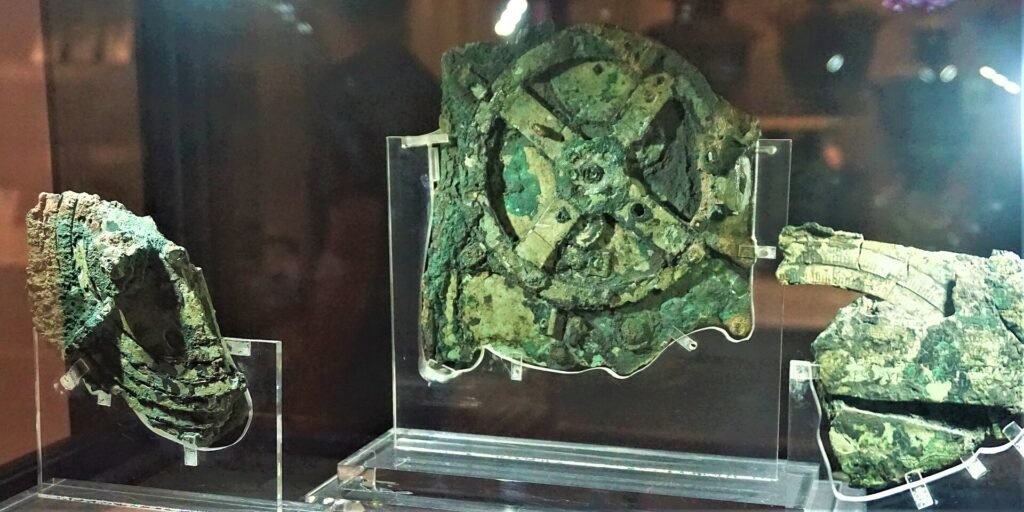
The discovery of the Antikythera mechanism was the recovery of a corroded bronze geared device from a Roman-era shipwreck off the Greek island of Antikythera, found in 1900 and recognized as a calculating instrument in the years that followed. The device was built around the end of the second century BC and calculated and displayed
Discovery of the Antikythera Mechanism Read More »
The 1900 recovery of a geared bronze astronomical calculator from a Roman-era shipwreck off the Greek island of Antikythera.
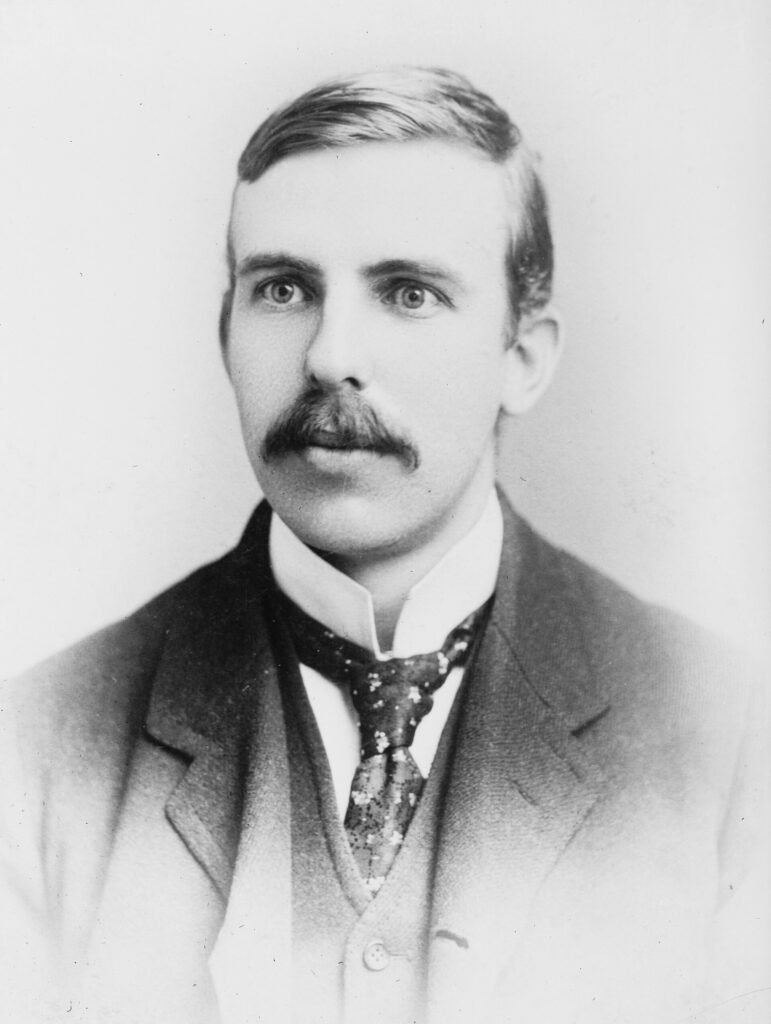
The discovery of the atomic nucleus was the conclusion, published by Ernest Rutherford in 1911, that nearly all of an atom’s mass and its positive charge are concentrated in a tiny, dense core. The finding grew out of alpha-particle scattering experiments carried out by Hans Geiger and Ernest Marsden at the University of Manchester, and
Discovery of the atomic nucleus Read More »
The atomic nucleus was discovered by Ernest Rutherford, who concluded in 1911 that an atom's mass and positive charge sit in a tiny dense core.
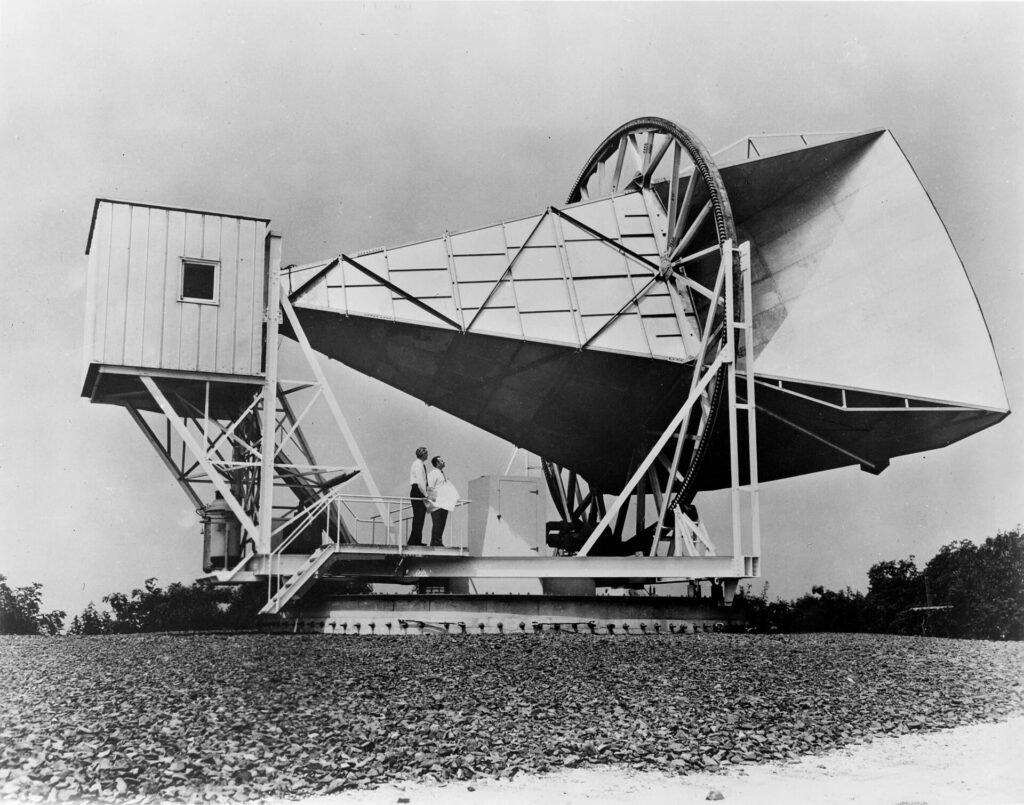
The discovery of the cosmic microwave background was the 1960s detection of a faint, uniform glow of microwave radiation coming from every direction in the sky. Arno Penzias and Robert Wilson found it at Bell Telephone Laboratories in New Jersey, and it is now understood as leftover light from the early, hot universe. They shared
Discovery of the Cosmic Microwave Background Read More »
The 1960s detection by Arno Penzias and Robert Wilson of faint microwave radiation from all directions, now understood as the afterglow of the early universe.
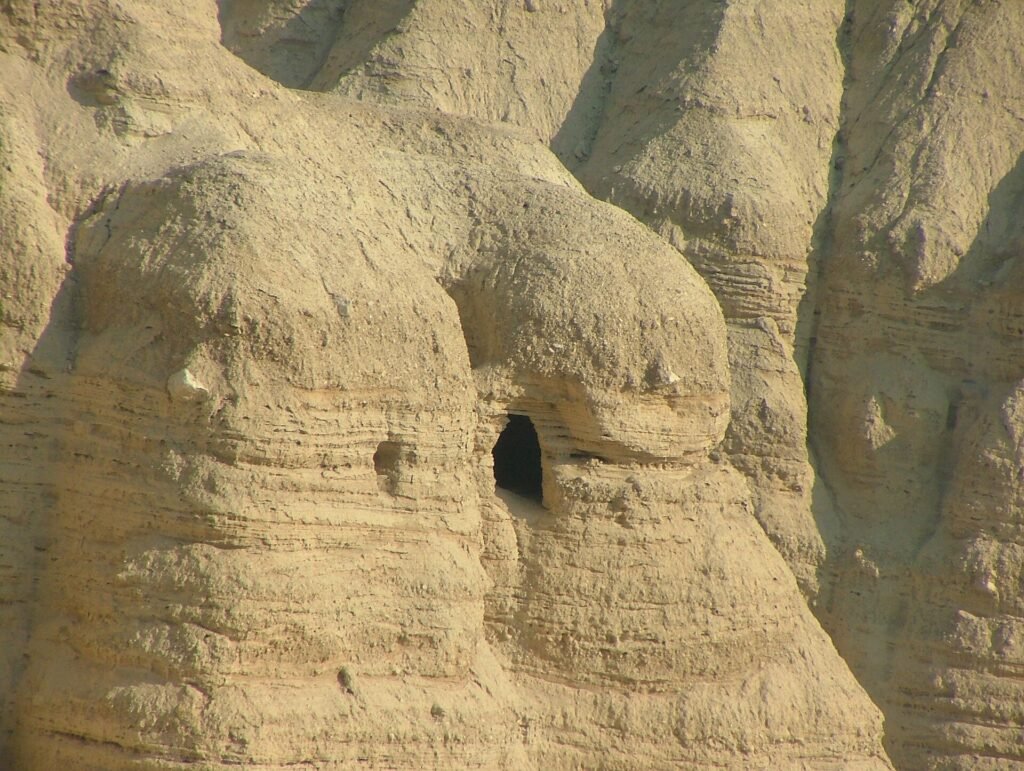
The discovery of the Dead Sea Scrolls began in 1947, when a young Bedouin shepherd of the Ta’amireh tribe found ancient manuscripts in a cave near Qumran, on the northwestern shore of the Dead Sea. Over the next decade Bedouin searchers and archaeologists recovered the remains of more than 900 texts from eleven caves. The
Discovery of the Dead Sea Scrolls Read More »
The 1947 finding of ancient Hebrew, Aramaic and Greek manuscripts in caves near Qumran by Bedouin shepherds, followed by excavations through 1956.
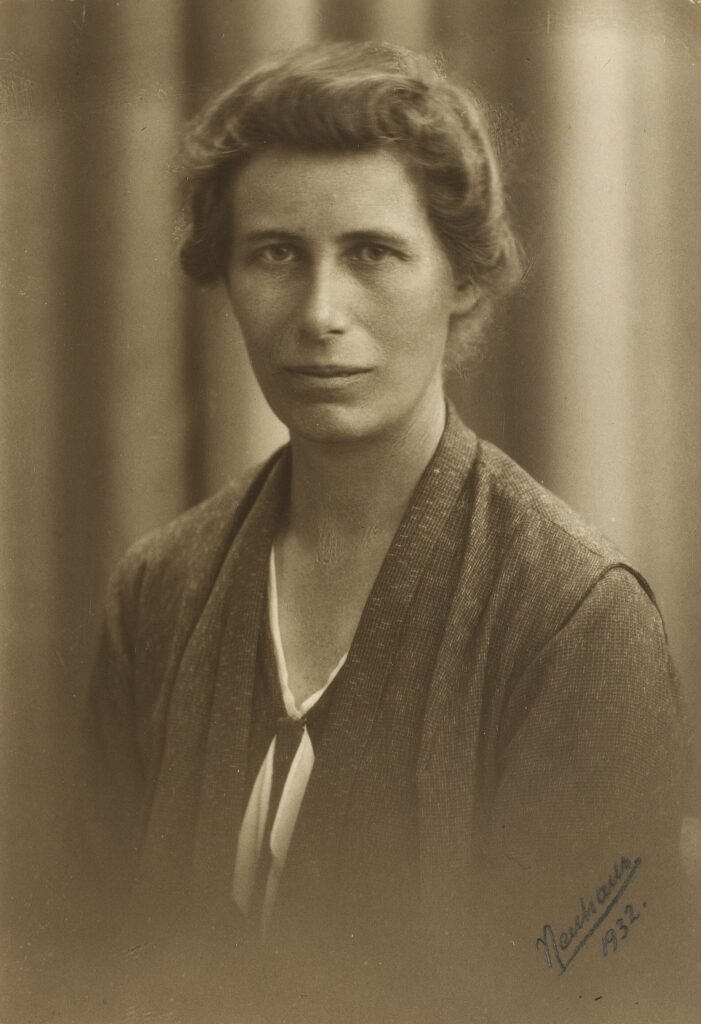
The discovery of the Earth’s core was a series of findings made with earthquake waves in the late nineteenth and early twentieth centuries. Richard Oldham established in 1906 that the planet has a distinct central core, Beno Gutenberg located its boundary in 1912, Harold Jeffreys showed in 1926 that the outer core is liquid, and
Discovery of the Earth’s core Read More »
Seismologists showed between 1906 and the 1930s that Earth has a dense iron core with a liquid outer part and a solid inner part.
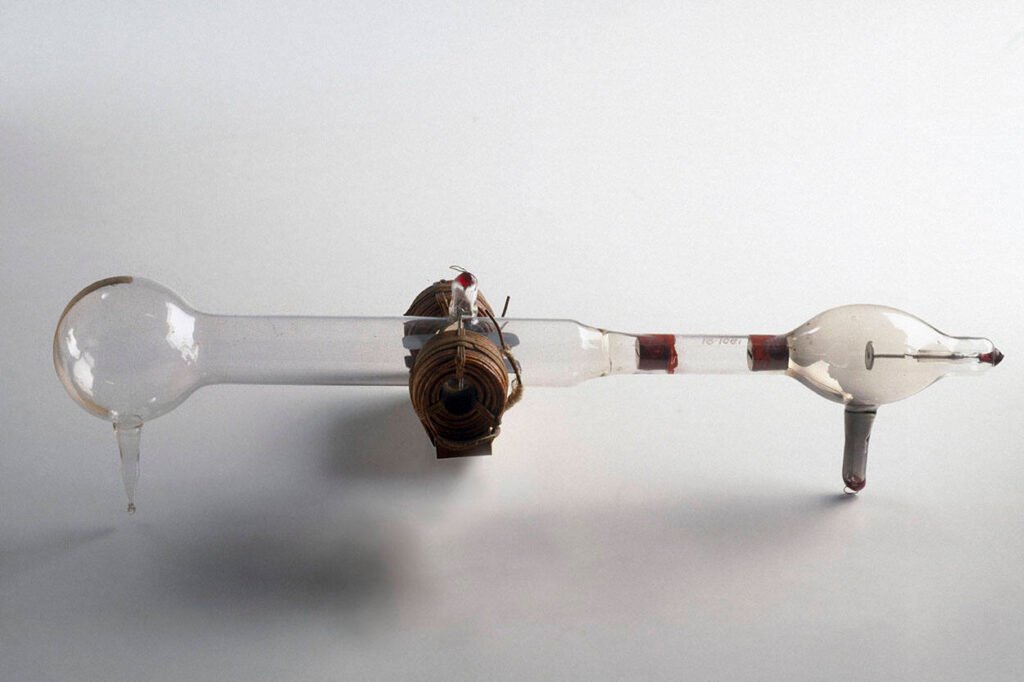
The discovery of the electron was the 1897 finding by the British physicist J. J. Thomson that cathode rays are streams of tiny negatively charged particles, far lighter than any atom. It was the first evidence that atoms have parts. Thomson announced it at the Royal Institution in London on April 30, 1897, and the
Discovery of the Electron Read More »
The 1897 finding by J. J. Thomson that cathode rays are streams of tiny, negatively charged particles smaller than atoms.
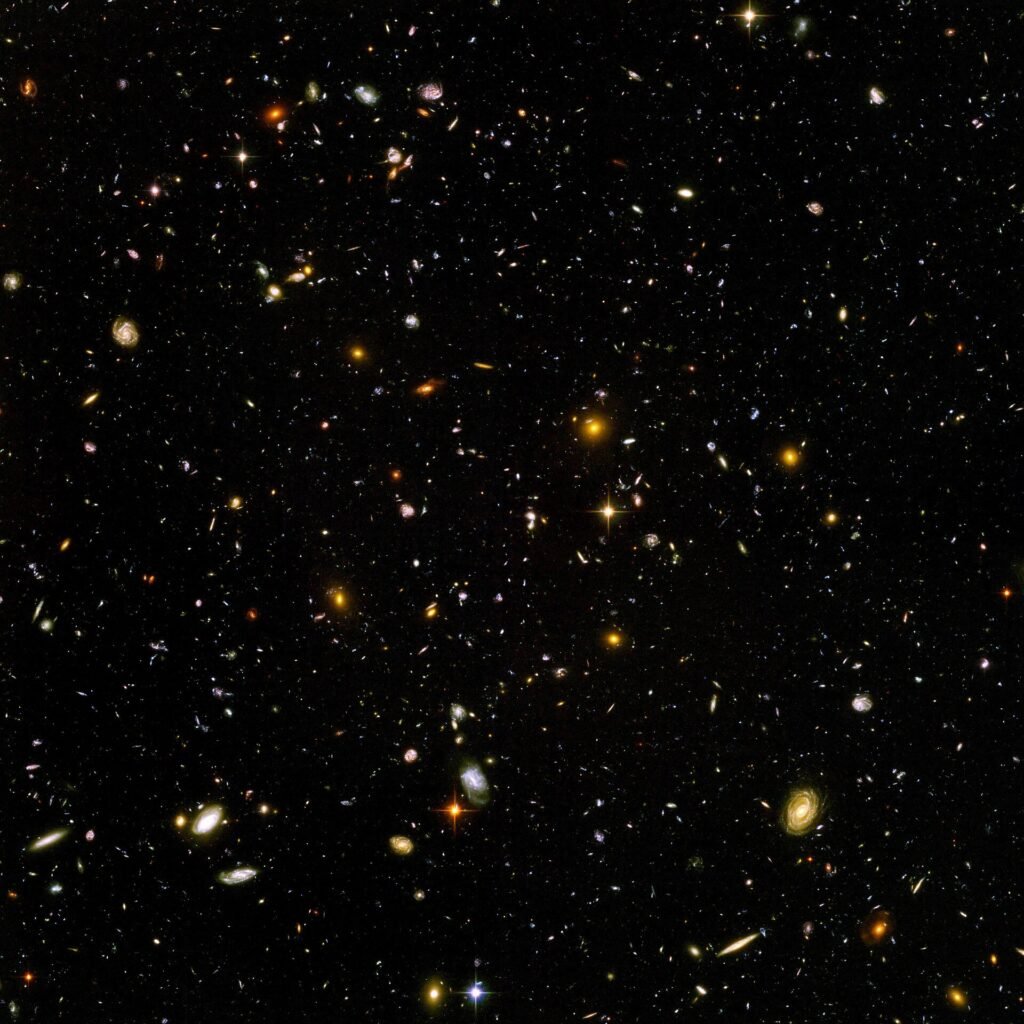
The discovery of the expansion of the universe was the finding, established in the late 1920s, that distant galaxies are receding from us, and the farther away they are, the faster they move. Georges Lemaître derived the effect in 1927, and Edwin Hubble published supporting measurements in 1929. In 2018 the International Astronomical Union recommended
Discovery of the Expansion of the Universe Read More »
The 1920s finding that galaxies recede faster the farther they are, derived by Lemaître in 1927 and measured by Hubble in 1929.
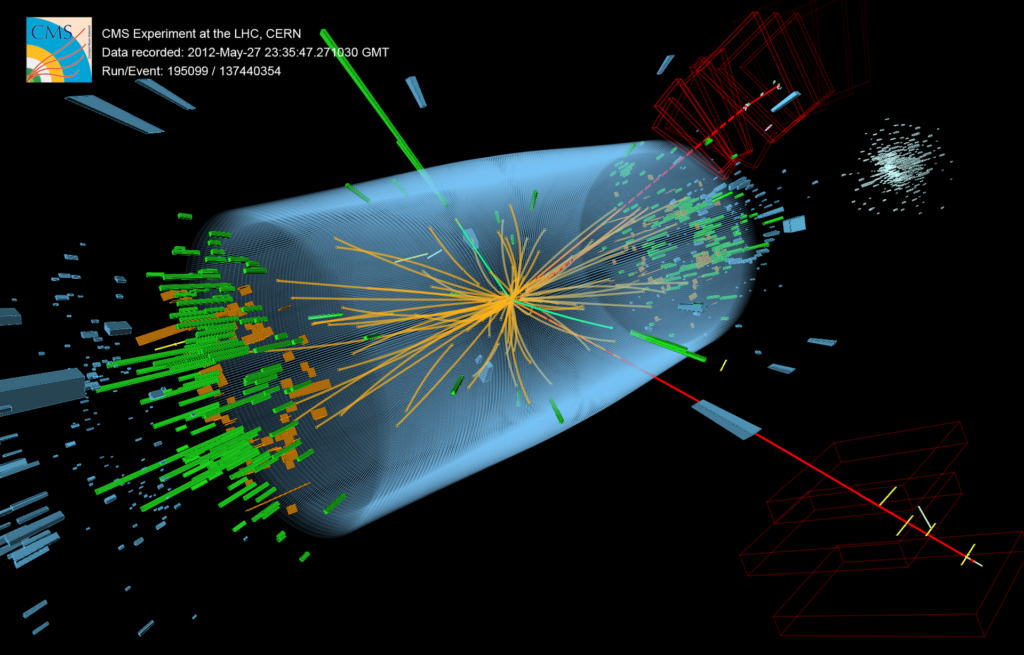
The discovery of the Higgs boson was announced on 4 July 2012 at CERN near Geneva, when the ATLAS and CMS experiments at the Large Hadron Collider reported a new particle with a mass of about 125 billion electron volts and the properties expected of the Higgs boson. The particle is a vibration of the
Discovery of the Higgs boson Read More »
The Higgs boson was discovered at CERN, announced on 4 July 2012 by the ATLAS and CMS experiments, confirming the field that gives particles mass.
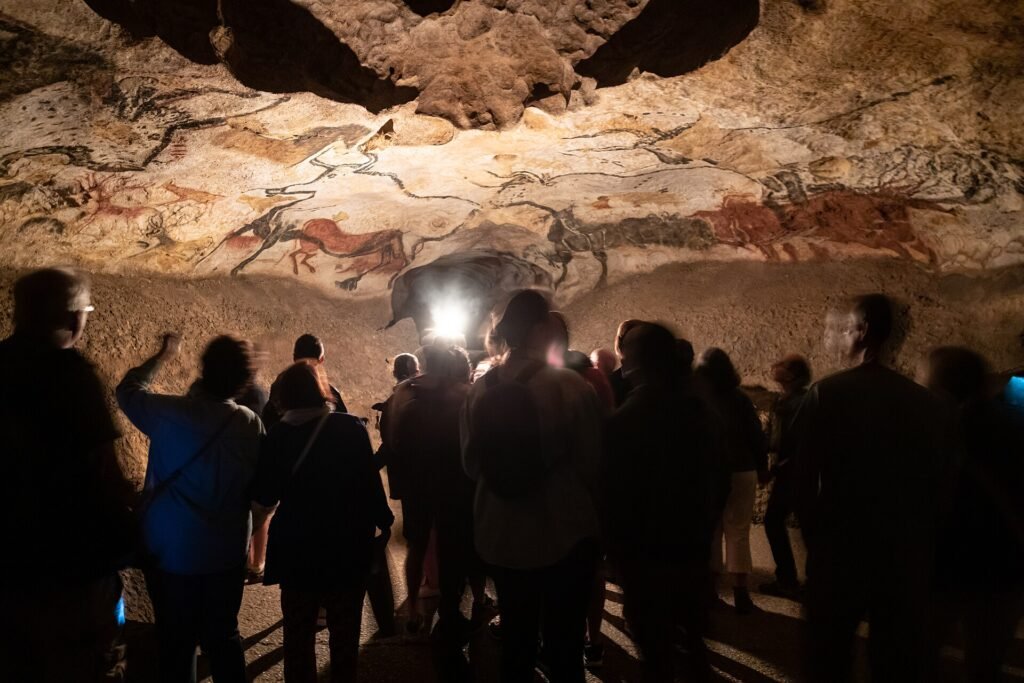
The discovery of the Lascaux cave paintings took place on 12 September 1940, when four boys from the village of Montignac in the Dordogne region of France climbed down a hole on a hillside and found walls covered with painted animals. The cave’s art is among the best-known examples of Paleolithic painting in the world.
Discovery of the Lascaux Cave Paintings Read More »
The finding of the Paleolithic painted cave of Lascaux in France by four boys on 12 September 1940.