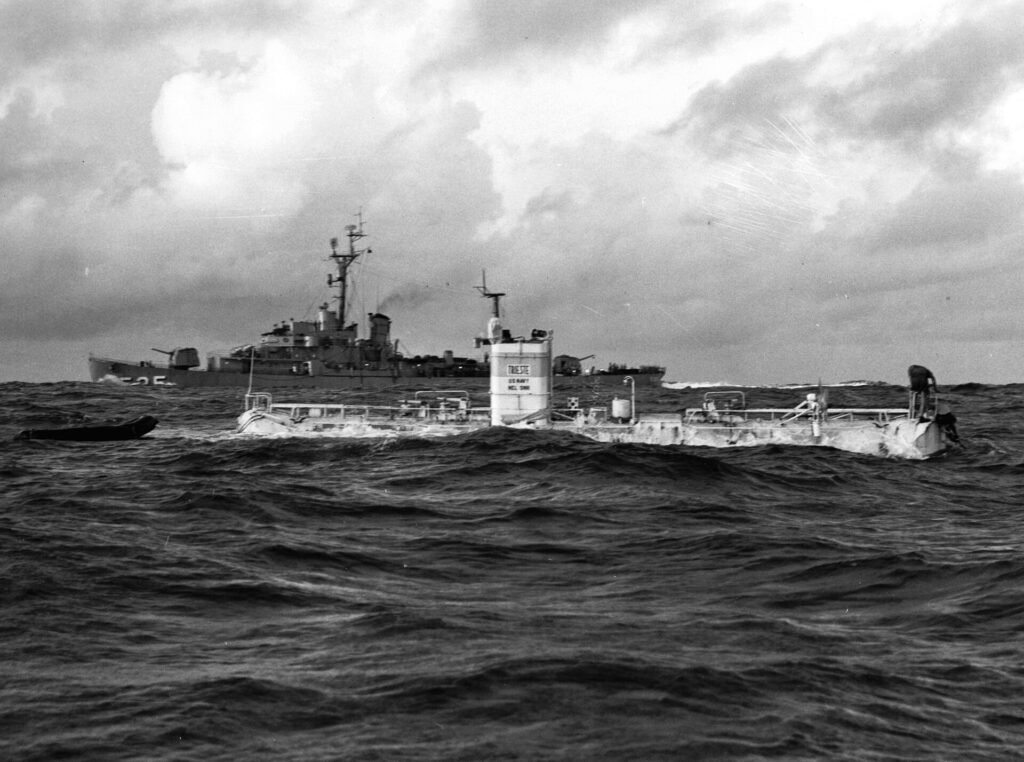
The Mariana Trench is the deepest known part of the ocean, an arc-shaped trough in the western Pacific Ocean. HMS Challenger first sounded the trench in 1875, and in 1960 the bathyscaphe Trieste carried two men to the bottom of its deepest spot, Challenger Deep. Background The trench stretches about 2,500 kilometers in an arc
Discovery of the Mariana Trench Read More »
HMS Challenger sounded the Mariana Trench in 1875, and in 1960 the Trieste reached Challenger Deep, its deepest point, at about 10,900 meters.
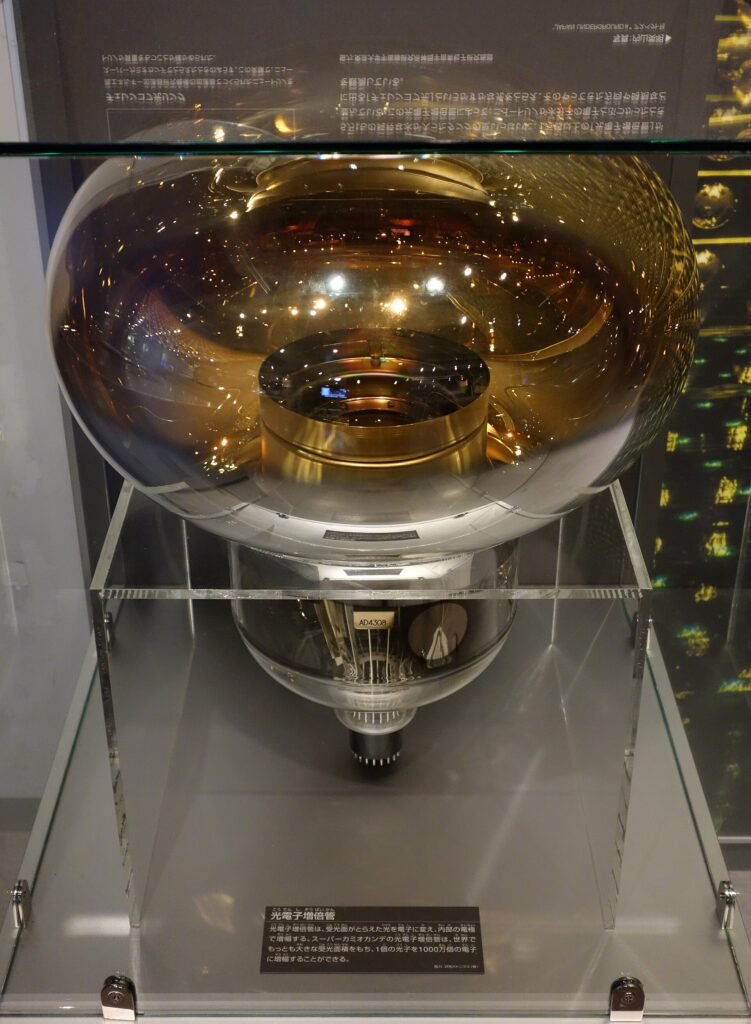
The discovery of the neutrino took place in two steps. The Austrian physicist Wolfgang Pauli proposed the particle in December 1930 to account for energy that seemed to go missing in radioactive beta decay, and Frederick Reines and Clyde Cowan detected it in 1956 with a detector placed beside a nuclear reactor. The neutrino is
Discovery of the neutrino Read More »
The neutrino was proposed by Wolfgang Pauli in 1930 and detected by Frederick Reines and Clyde Cowan in 1956 beside a nuclear reactor.
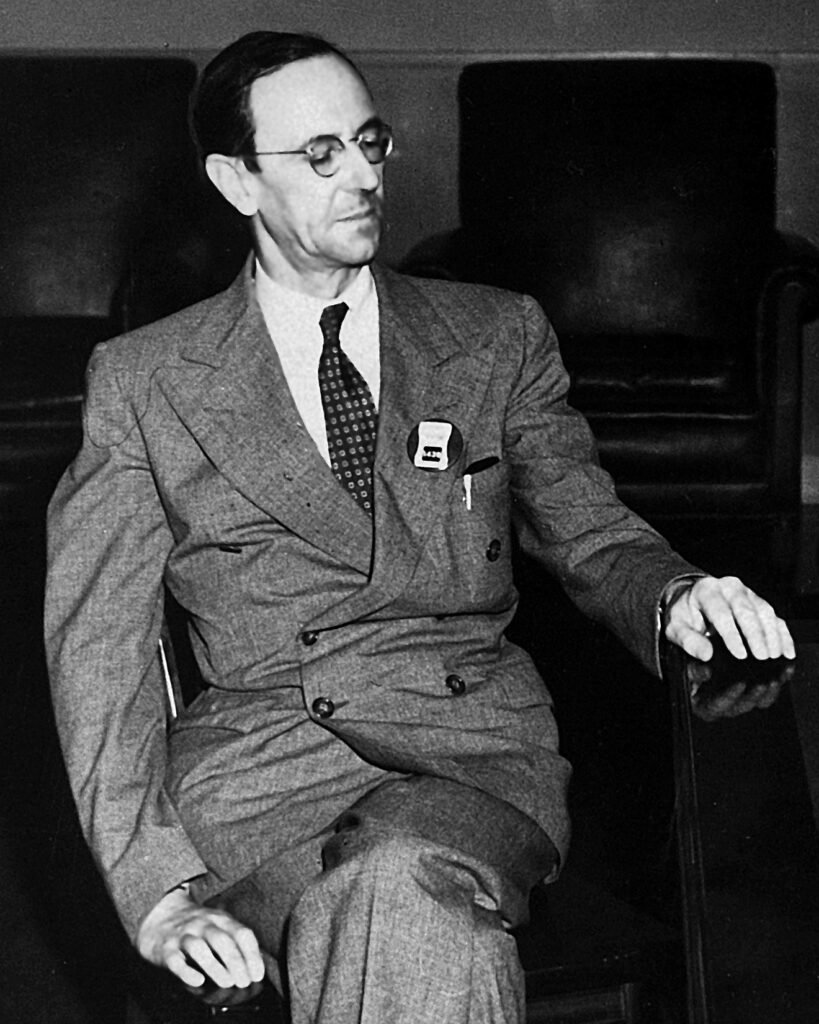
The discovery of the neutron was the demonstration, by the British physicist James Chadwick in February 1932, that the atomic nucleus contains an electrically neutral particle with about the same mass as a proton. It completed the basic picture of what nuclei are made of and gave scientists a powerful new tool for probing and
Discovery of the neutron Read More »
The neutron was discovered in 1932 by James Chadwick, who showed that atomic nuclei contain a neutral particle with about the mass of a proton.
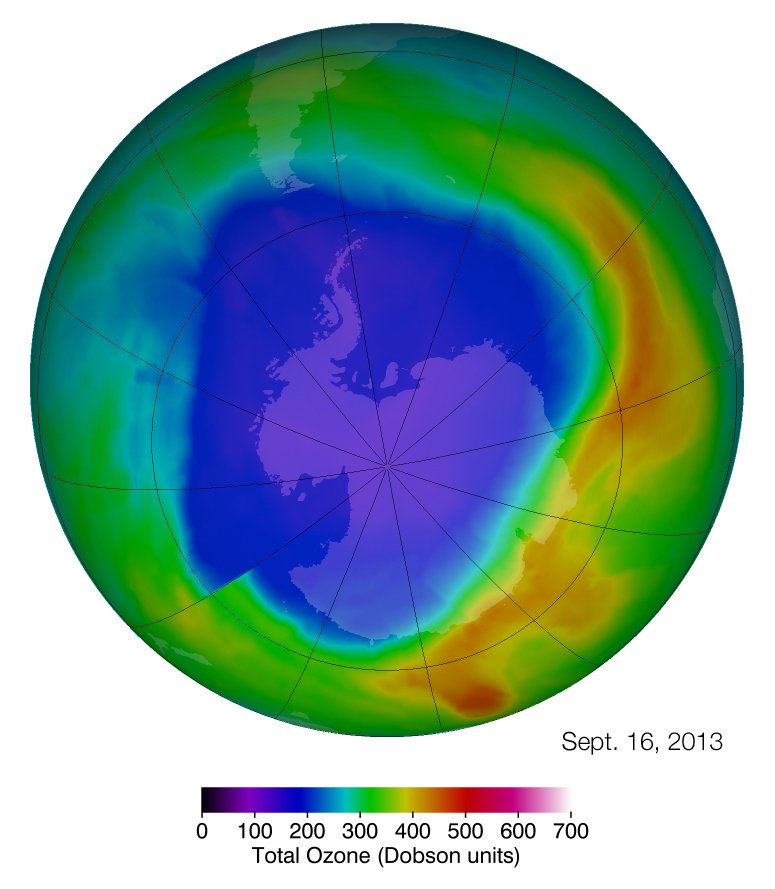
The Antarctic ozone hole is a large area of severely thinned ozone over Antarctica that appears every spring in the Southern Hemisphere. Scientists Joe Farman, Brian Gardiner and Jonathan Shanklin of the British Antarctic Survey reported it in the journal Nature in May 1985, and follow-up research linked it to human-made chemicals containing chlorine and
Discovery of the ozone hole Read More »
In May 1985, British Antarctic Survey scientists reported that ozone over Antarctica was disappearing each spring, later traced to CFCs.
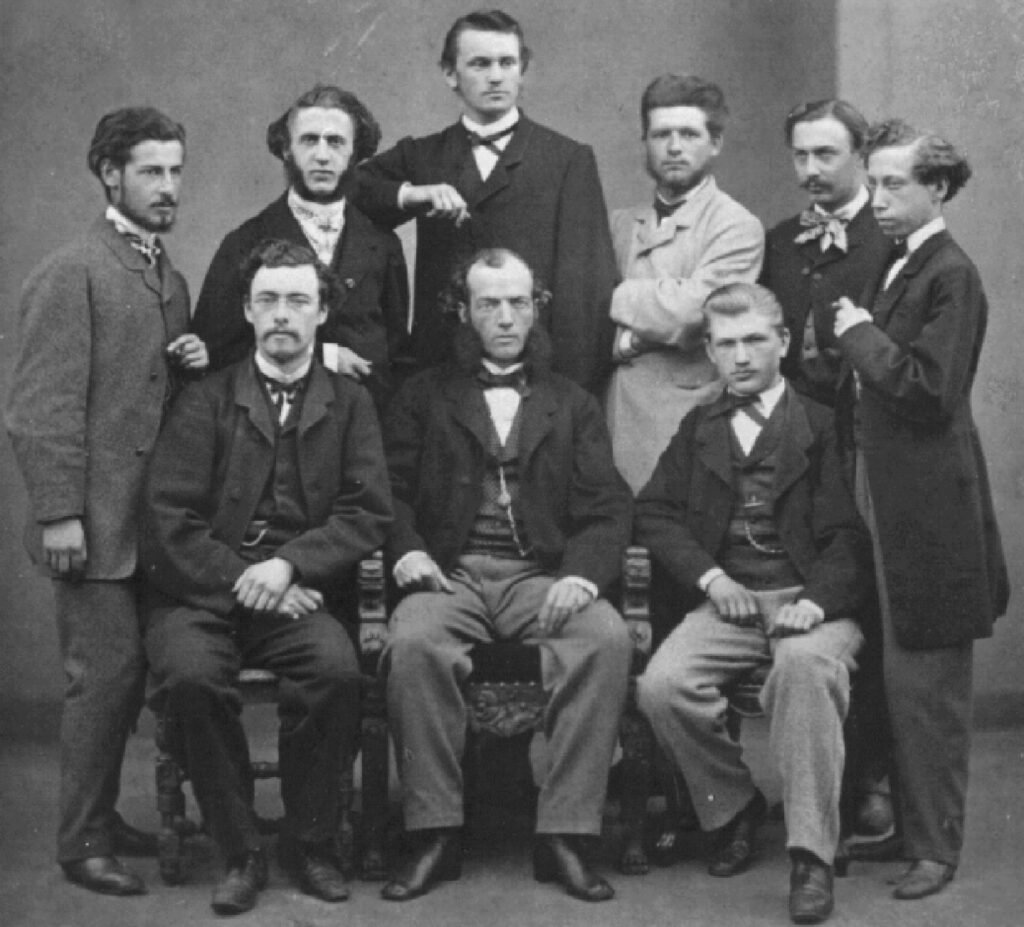
The periodic table is an arrangement of the chemical elements by increasing atomic number, laid out so that elements with similar chemical behavior line up in columns. The Russian chemist Dmitri Mendeleev published the first widely influential version in 1869, and he used the gaps in it to predict elements that nobody had yet found.
Discovery of the periodic table Read More »
Dmitri Mendeleev’s 1869 arrangement of the elements by weight and chemical behavior, which predicted undiscovered elements and became the periodic table.
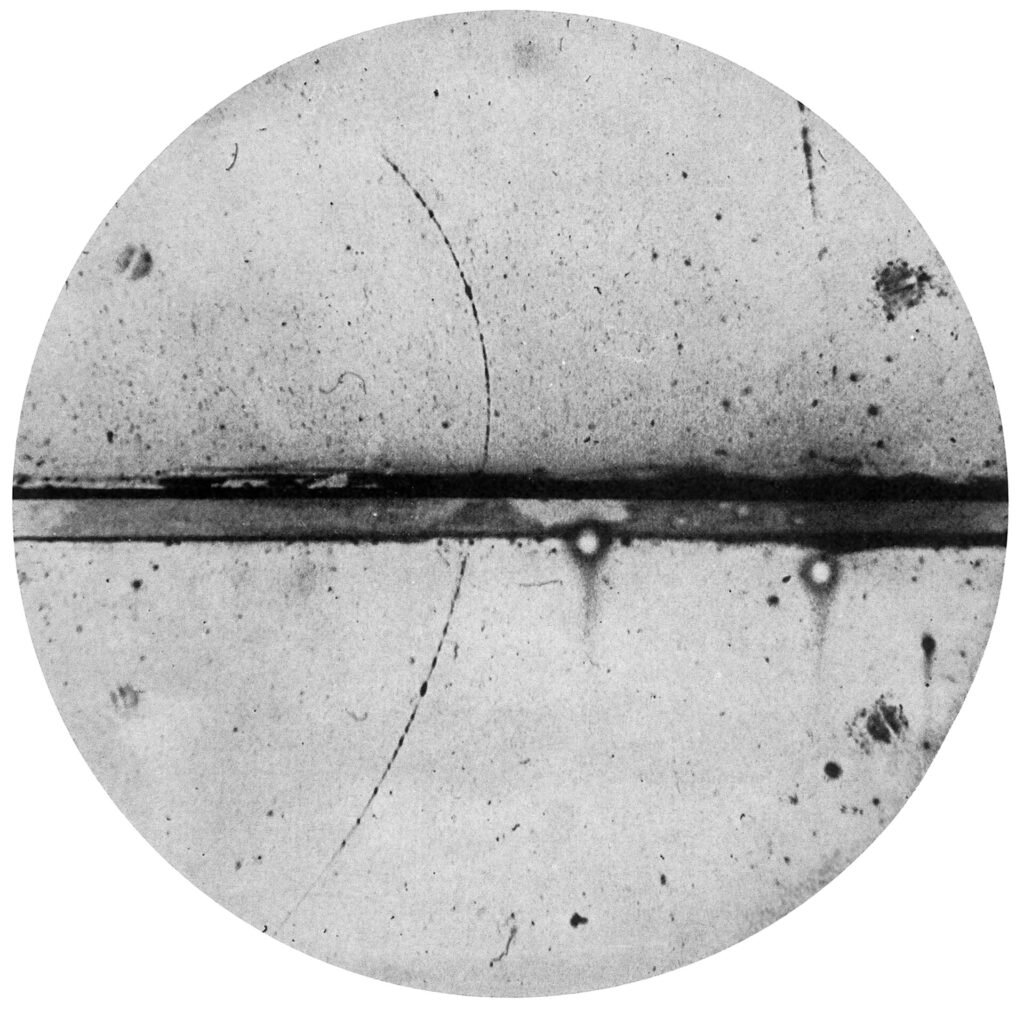
The discovery of the positron was the observation, in 1932 by the American physicist Carl D. Anderson at the California Institute of Technology, of a particle with the mass of an electron but a positive electric charge. It was the first antiparticle shown to exist by experiment, and it confirmed a prediction that had been
Discovery of the positron Read More »
The positron, the first antiparticle found by experiment, was discovered in 1932 by Carl Anderson in a cloud chamber photograph of cosmic rays.
The structure of benzene, a ring of six carbon atoms, was worked out over more than a century. Michael Faraday first isolated the substance in 1825, August Kekulé proposed the ring in 1865, and X-ray crystallography in the late 1920s showed that the ring is flat and symmetrical. Background In the early nineteenth century London
Discovery of the structure of benzene Read More »
Faraday isolated benzene in 1825, Kekulé proposed its ring in 1865, and Lonsdale’s 1929 crystallography showed a flat hexagon of equal bonds.
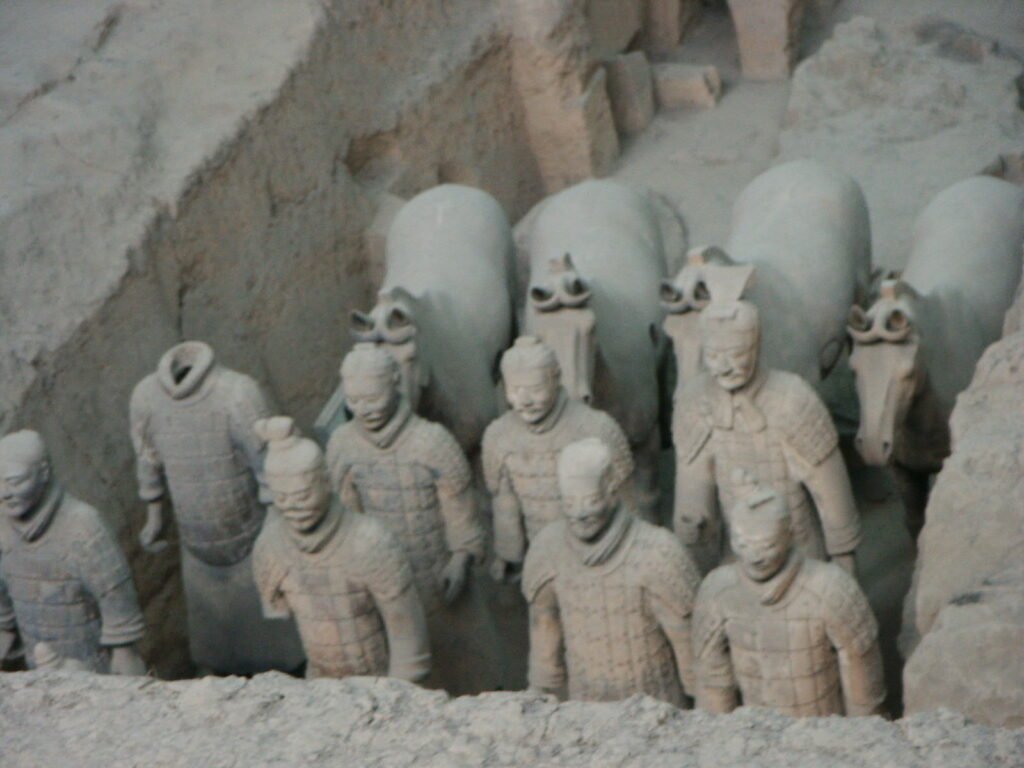
The discovery of the Terracotta Army happened on 29 March 1974, when farmers digging a well near Xi’an in Shaanxi Province, China, struck buried clay figures of soldiers. The figures guarded the tomb of Qin Shi Huang, the first emperor of a unified China, who died in 210 BCE. Archaeologists have since uncovered thousands of
Discovery of the Terracotta Army Read More »
The finding of the clay army guarding the tomb of Qin Shi Huang near Xi'an, China, by farmers digging a well on 29 March 1974.
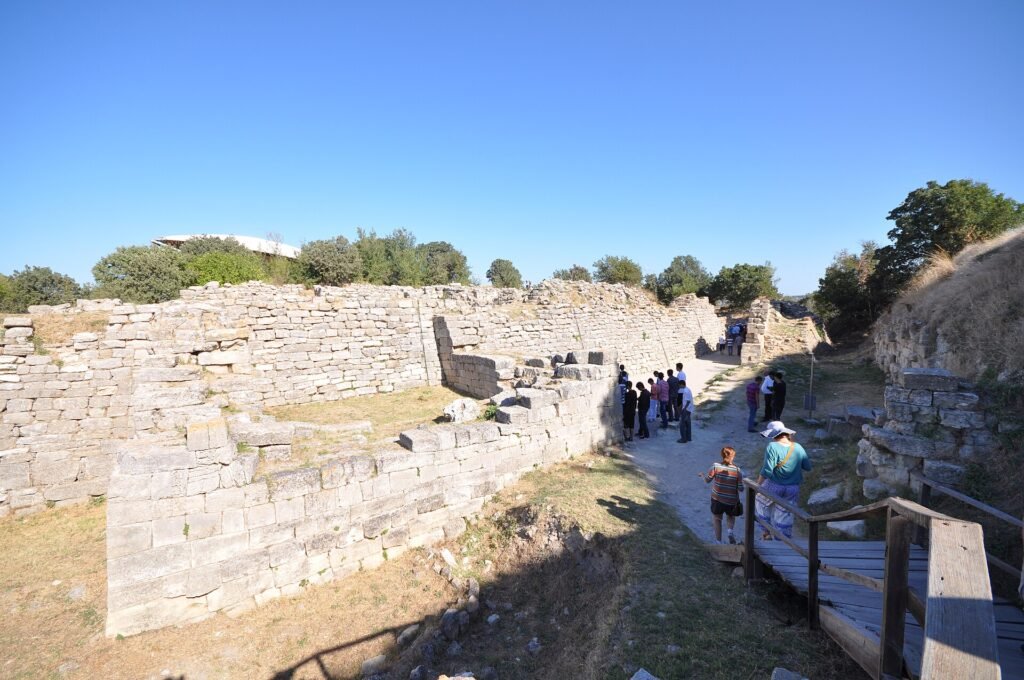
The discovery of Troy was the identification of the ancient city of Homer’s Iliad with the mound of Hisarlık in northwestern Turkey. Frank Calvert dug there in 1863, and Heinrich Schliemann began large excavations in 1870 that exposed a city with about 4,000 years of history. The site holds nine successive settlements, labeled Troy I
Discovery of Troy Read More »
The identification of Hisarlık in Turkey as ancient Troy through excavations begun by Frank Calvert in 1863 and Heinrich Schliemann from 1870.
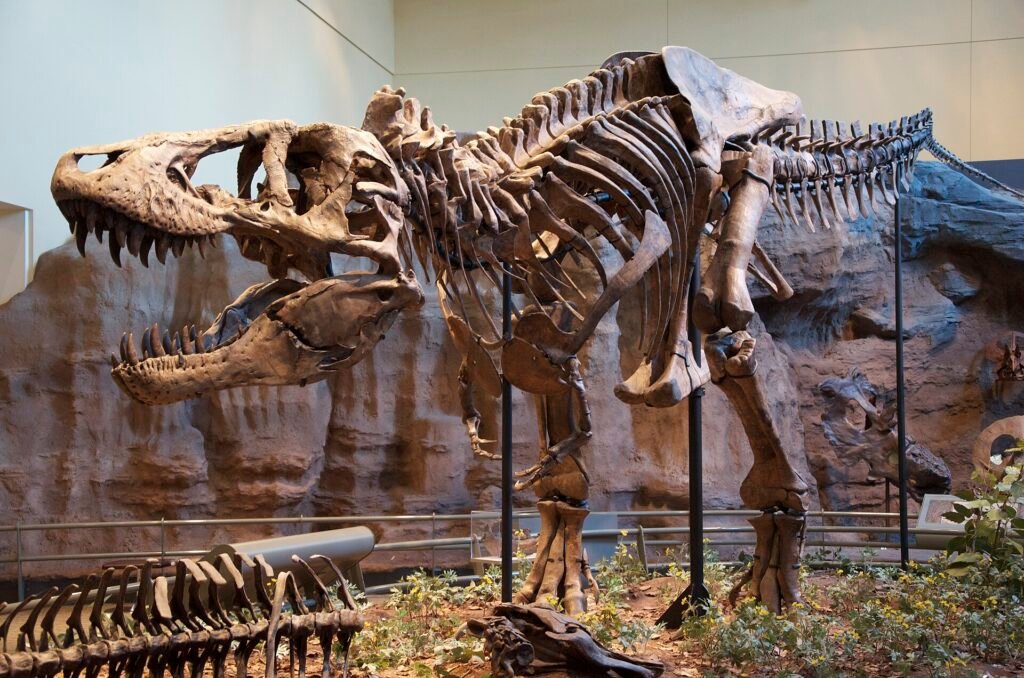
Tyrannosaurus rex, a name meaning tyrant lizard king, is a large meat-eating dinosaur that lived in western North America about 68 to 66 million years ago. The first skeletons were found by the fossil collector Barnum Brown in 1900 and 1902, and Henry Fairfield Osborn named the species in 1905. Background The story of the
Discovery of Tyrannosaurus rex Read More »
Barnum Brown found the first Tyrannosaurus skeletons in 1900 and 1902, and Henry Fairfield Osborn named the species in 1905.