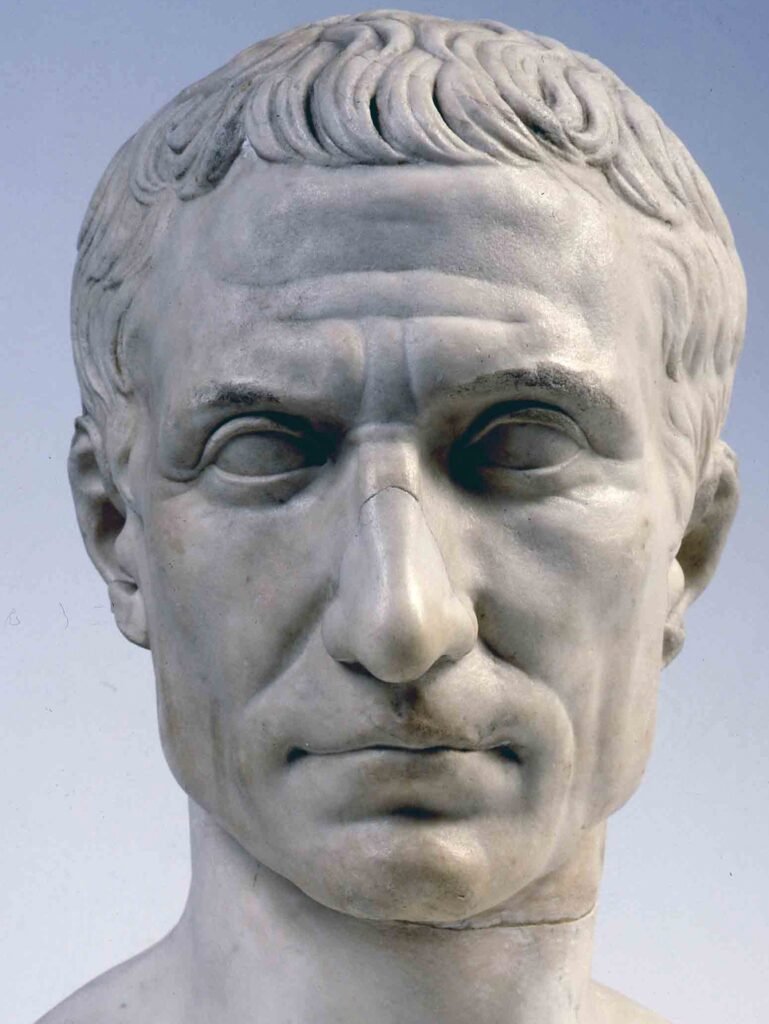
Gaius Julius Caesar was a Roman general, statesman and writer who lived from 100 BCE to 44 BCE. He conquered Gaul, won a civil war against his rival Pompey and became dictator of Rome. A group of senators assassinated him on 15 March 44 BCE, and the civil wars that followed ended the Roman Republic.
Julius Caesar Read More »
Roman general and statesman (100 to 44 BCE) who conquered Gaul, won a civil war against Pompey and was assassinated as dictator.
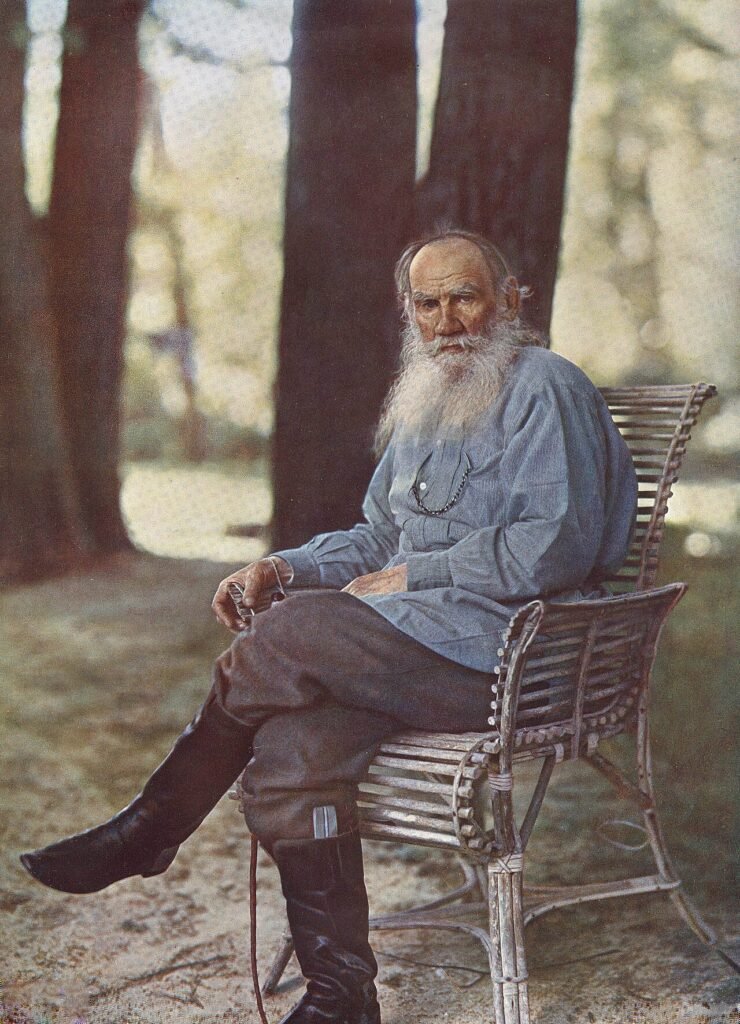
Leo Tolstoy (1828 to 1910) was a Russian novelist and moral thinker, the author of War and Peace and Anna Karenina, two of the best-known novels in world literature. He was born into the landed nobility, wrote about war, family and faith, and in later life became a widely known critic of violence and of
Leo Tolstoy Read More »
Leo Tolstoy (1828 to 1910) was a Russian novelist and moral thinker who wrote War and Peace and Anna Karenina.
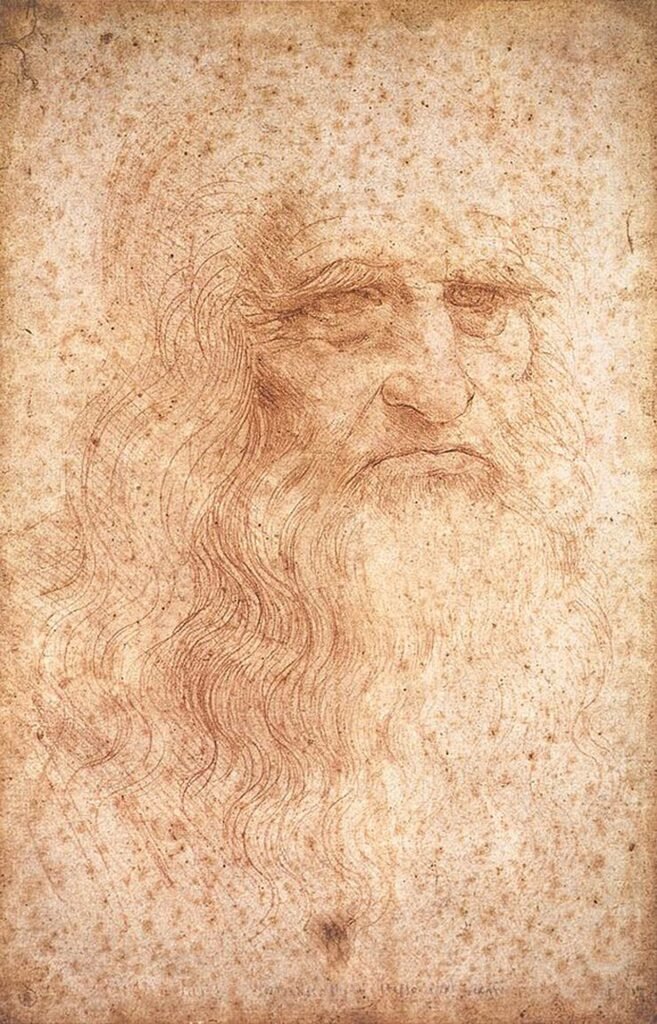
Leonardo da Vinci (1452 to 1519) was an Italian painter, draftsman, engineer and scientific observer of the Renaissance, best known for the Mona Lisa and The Last Supper. He worked in Florence, Milan, Rome and France, and his notebooks record studies of anatomy, geometry, engineering and flight. Few of his paintings survive, and fewer still
Leonardo da Vinci Read More »
Leonardo da Vinci (1452 to 1519) was an Italian Renaissance painter, engineer and scientific observer, famous for the Mona Lisa and The Last Supper.
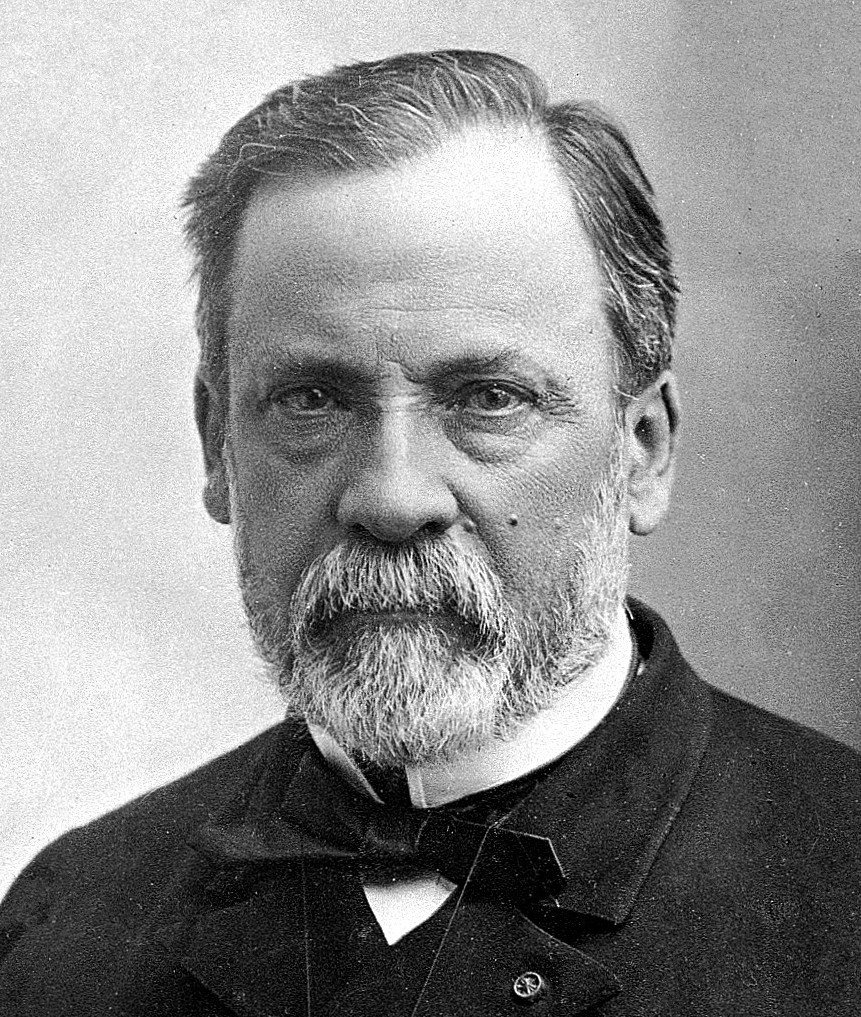
Louis Pasteur (1822 to 1895) was a French chemist and microbiologist whose experiments helped establish the germ theory of disease. He showed that microbes cause fermentation and spoilage, developed early vaccines against anthrax and rabies, and founded the research institute that bears his name. The heating process called pasteurization is named after him. Early life
Louis Pasteur Read More »
Louis Pasteur was a French chemist and microbiologist whose work on fermentation and vaccines helped establish the germ theory of disease.
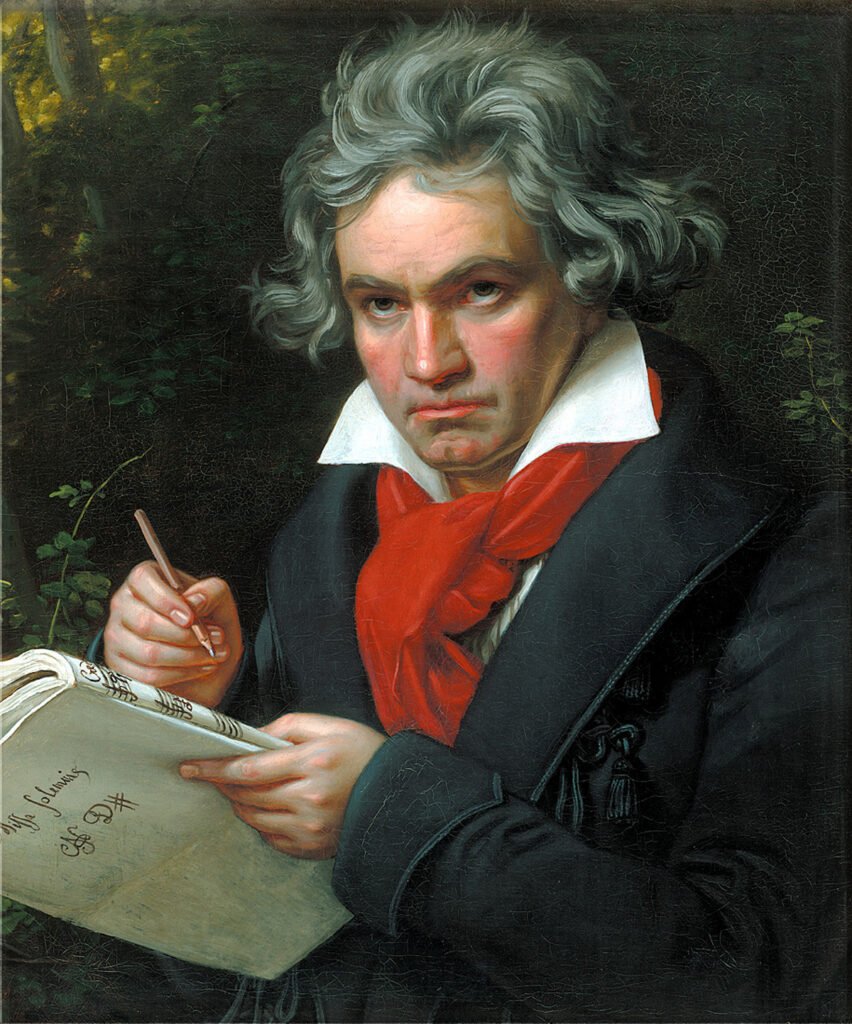
Ludwig van Beethoven (1770 to 1827) was a German composer and pianist who bridged the Classical and Romantic periods in Western music. Born in Bonn and active in Vienna for most of his adult life, he wrote nine symphonies, five piano concertos, sixteen string quartets and thirty-two piano sonatas. He continued composing as he lost
Ludwig van Beethoven Read More »
Ludwig van Beethoven (1770 to 1827) was a German composer and pianist who bridged the Classical and Romantic periods and kept composing after going deaf.
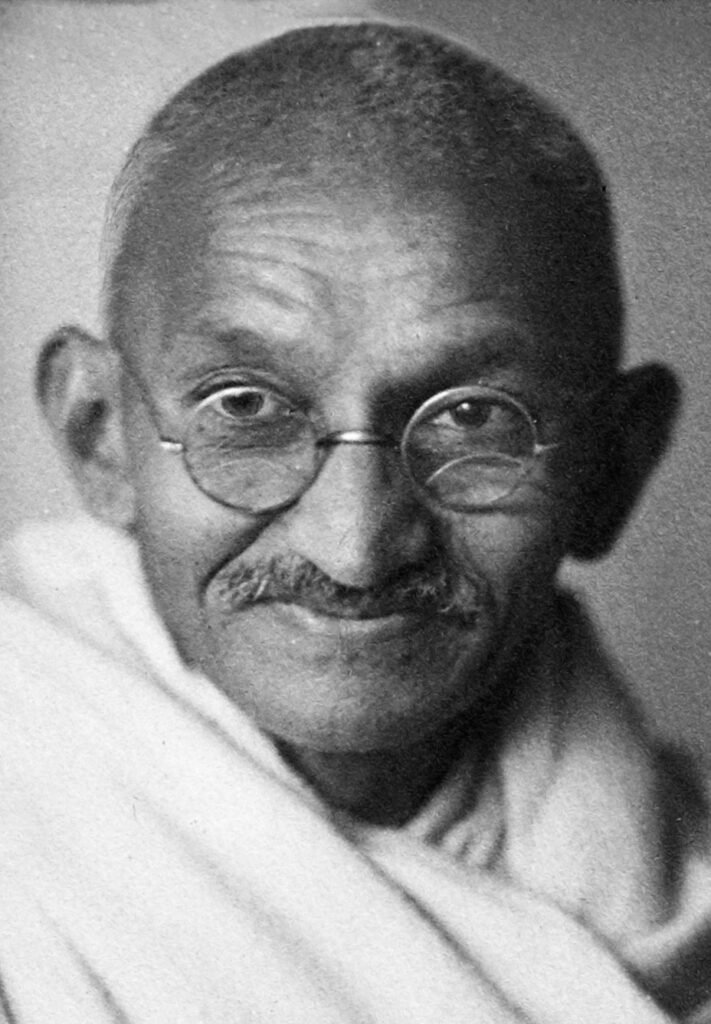
Mahatma Gandhi (1869 to 1948) was an Indian lawyer and political leader who developed satyagraha, a method of nonviolent resistance to unjust laws, and became the best-known figure of India’s movement for independence from British rule. Born Mohandas Karamchand Gandhi, he was given the title Mahatma, which means Great-Souled. He was assassinated on 30 January
Mahatma Gandhi Read More »
Indian lawyer and independence leader who developed satyagraha, a method of nonviolent resistance, and inspired civil rights movements worldwide.
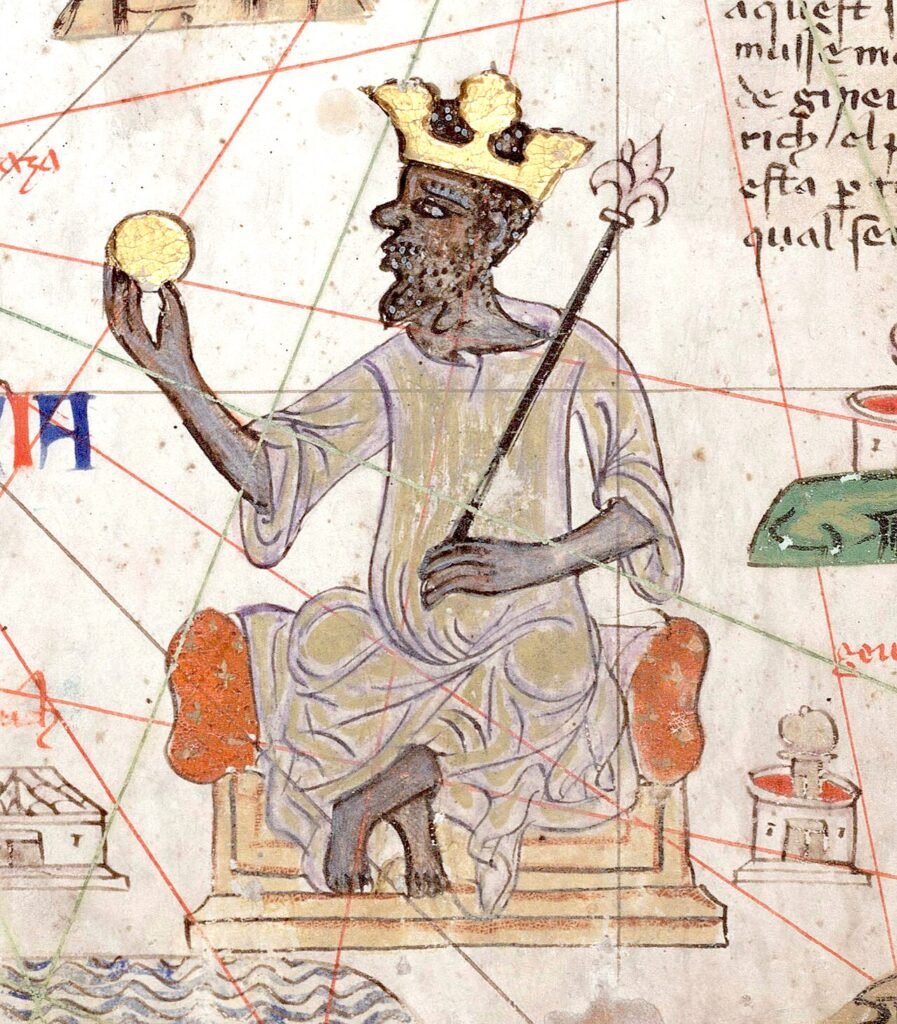
Mansa Musa, also called Musa I of Mali, was the ruler of the Mali Empire in West Africa from 1312 to about 1337. He is best known for his pilgrimage to Mecca in 1324, when his caravan and his gifts of gold made a lasting impression on the Middle East and, later, on Europe. Early
Mansa Musa Read More »
Mansa Musa was the king of the Mali Empire from 1312 to about 1337, famed for his 1324 pilgrimage to Mecca and his gold.
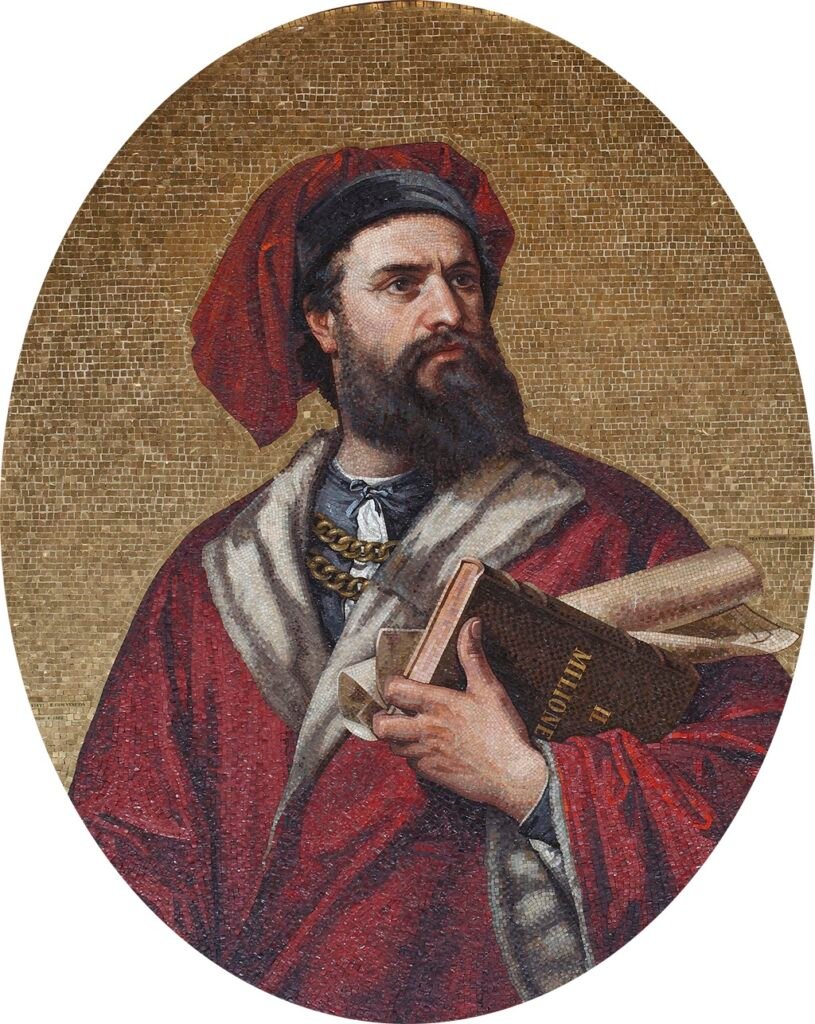
Marco Polo (c. 1254 to 1324) was a Venetian merchant and traveler who spent about 24 years away from Italy, most of them in Asia under Mongol rule. His book about those years, known as The Travels of Marco Polo or Il Milione, gave medieval Europeans their fullest early picture of China, Persia and India.
Marco Polo Read More »
Marco Polo was a Venetian merchant whose book about his 24 years in Asia gave medieval Europe its fullest early picture of China.
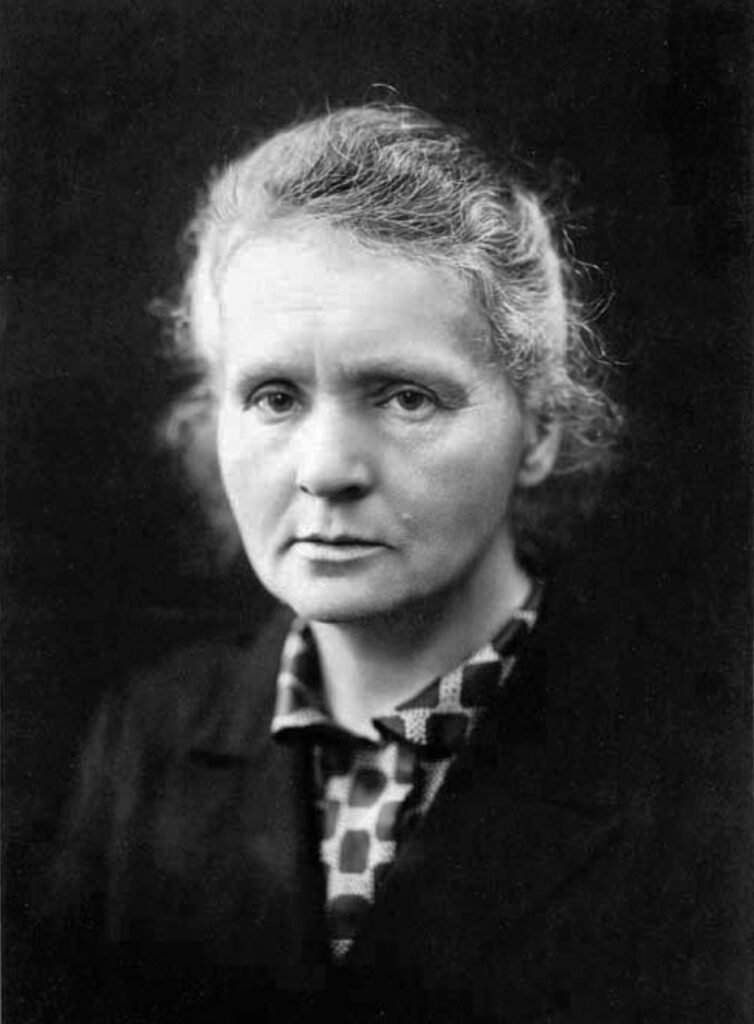
Marie Curie (1867 to 1934) was a Polish-born physicist and chemist who did her major work in France and became the first person to win Nobel Prizes in two scientific fields. With her husband Pierre she identified the elements polonium and radium, and she introduced the word radioactivity for the property they shared. She died
Marie Curie Read More »
Marie Curie was a Polish-born physicist and chemist who discovered polonium and radium and won Nobel Prizes in physics and chemistry.
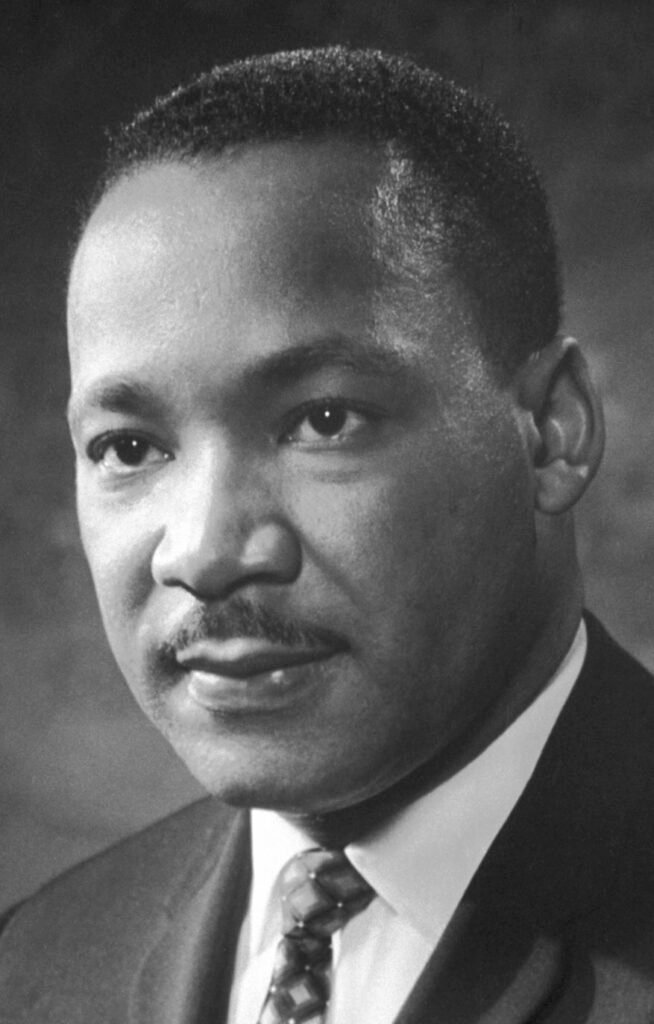
Martin Luther King Jr. (1929 to 1968) was an American Baptist minister and the most prominent leader of the nonviolent civil rights movement in the United States. He led the Montgomery bus boycott, helped direct the 1963 March on Washington, and received the Nobel Peace Prize in 1964. He was assassinated in Memphis, Tennessee, on
Martin Luther King Jr. Read More »
American Baptist minister who led the nonviolent civil rights movement and won the 1964 Nobel Peace Prize.