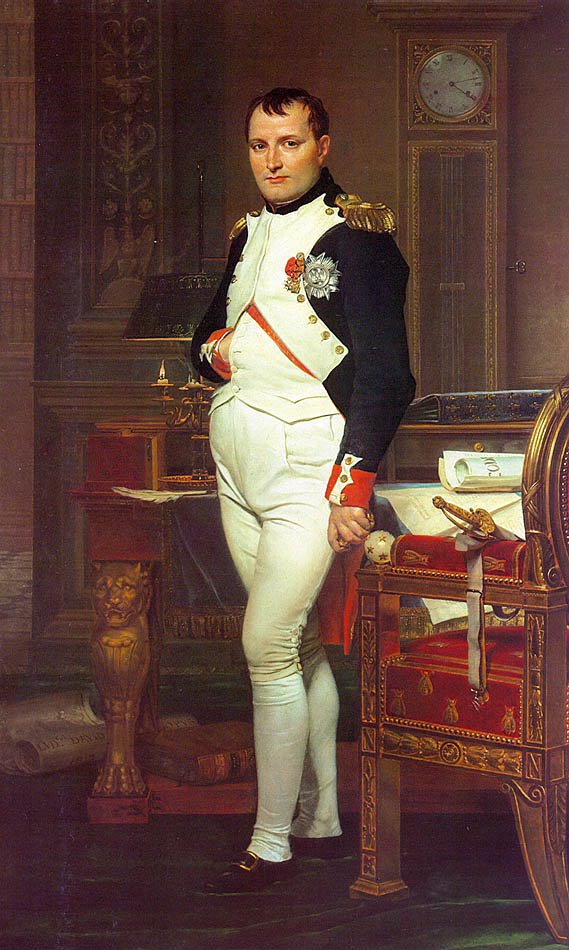
Napoleon Bonaparte (1769 to 1821) was a French military leader who seized power in 1799 and reigned as Emperor of the French from 1804 to 1814 and briefly again in 1815. He built the largest European empire since Charlemagne, issued a civil code that shaped legal systems far beyond France, and was finally defeated at
Napoleon Bonaparte Read More »
French general who seized power in 1799, ruled as Emperor of the French from 1804 and was defeated at Waterloo in 1815.
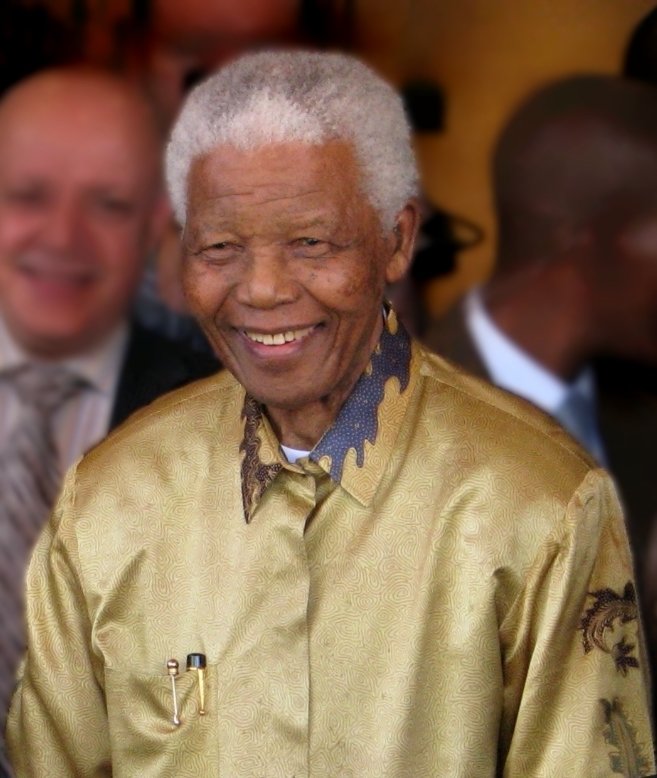
Nelson Mandela (1918 to 2013) was a South African lawyer and anti-apartheid leader who spent 27 years in prison and then became the first president of a democratic South Africa, serving from 1994 to 1999. He shared the 1993 Nobel Peace Prize with the president who released him, F. W. de Klerk. He died in
Nelson Mandela Read More »
South African anti-apartheid leader who spent 27 years in prison and became the first president of democratic South Africa in 1994.
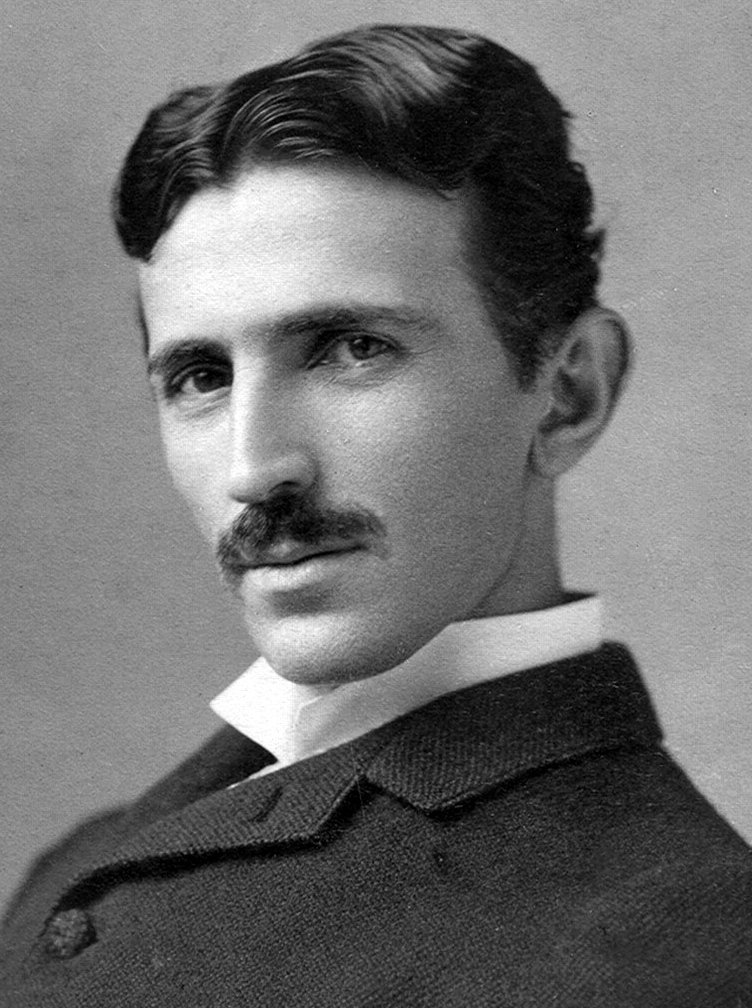
Nikola Tesla (1856 to 1943) was a Serbian-American inventor and electrical engineer best known for the alternating current (AC) induction motor and for polyphase AC power systems. He was born in what is now Croatia, worked in Europe and the United States, and received about 300 patents. His ideas helped make AC the standard way
Nikola Tesla Read More »
Nikola Tesla was a Serbian-American inventor and electrical engineer who developed the alternating current induction motor and polyphase power systems.
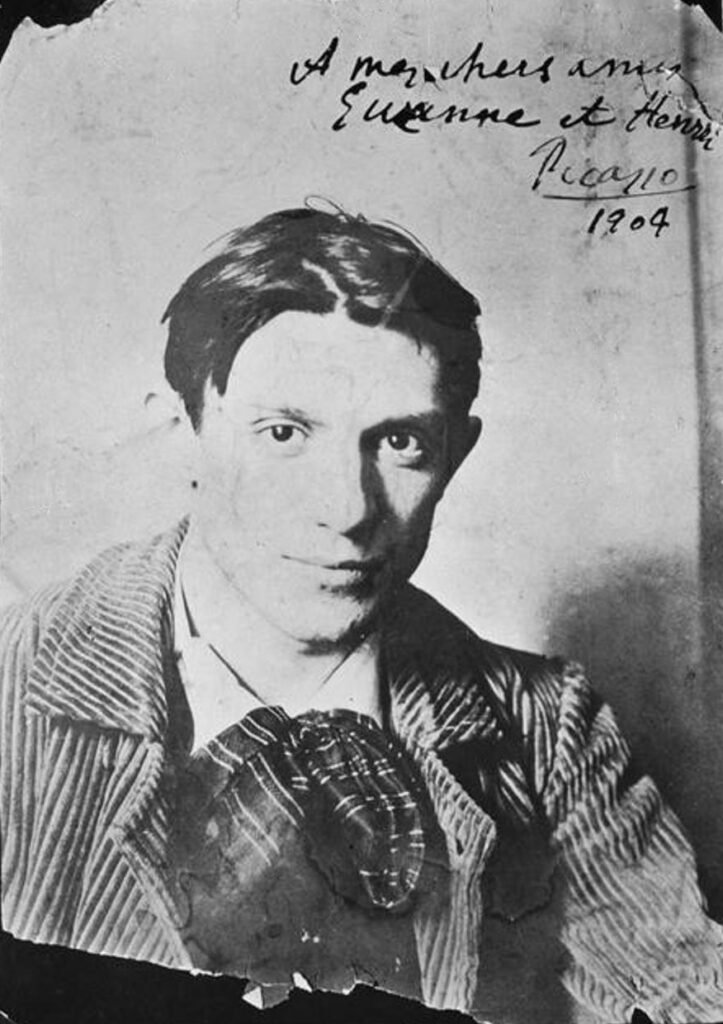
Pablo Picasso (1881 to 1973) was a Spanish painter, sculptor and printmaker who spent most of his working life in France and is best known as a founder of Cubism. He worked in a wide range of styles and materials over seven decades, from the blue-toned paintings of his early twenties to ceramics and large
Pablo Picasso Read More »
Pablo Picasso (1881 to 1973) was a Spanish painter and sculptor who co-founded Cubism and painted Guernica.
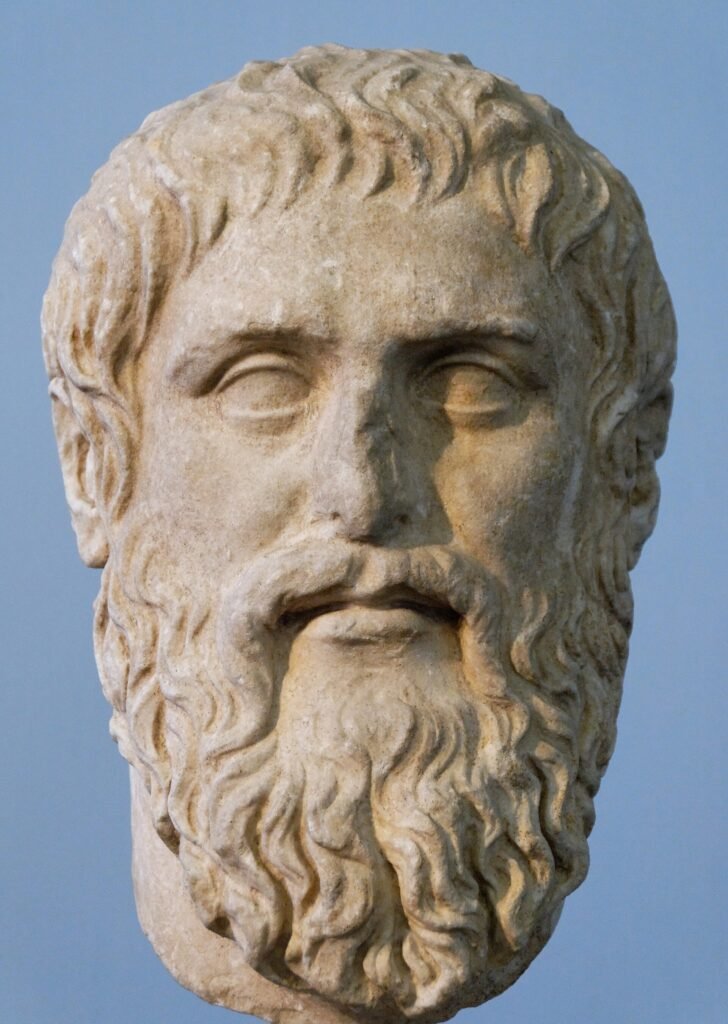
Plato was an Athenian philosopher who lived from about 428 or 427 BCE to about 348 or 347 BCE. He studied under Socrates, taught Aristotle, and wrote dialogues such as the Republic that shaped Western thought. He also founded the Academy, a school outside Athens that is traditionally regarded as the first university in the
Plato Read More »
Athenian philosopher (about 428 to 348 BCE) who wrote dialogues such as the Republic, taught Aristotle and founded the Academy.
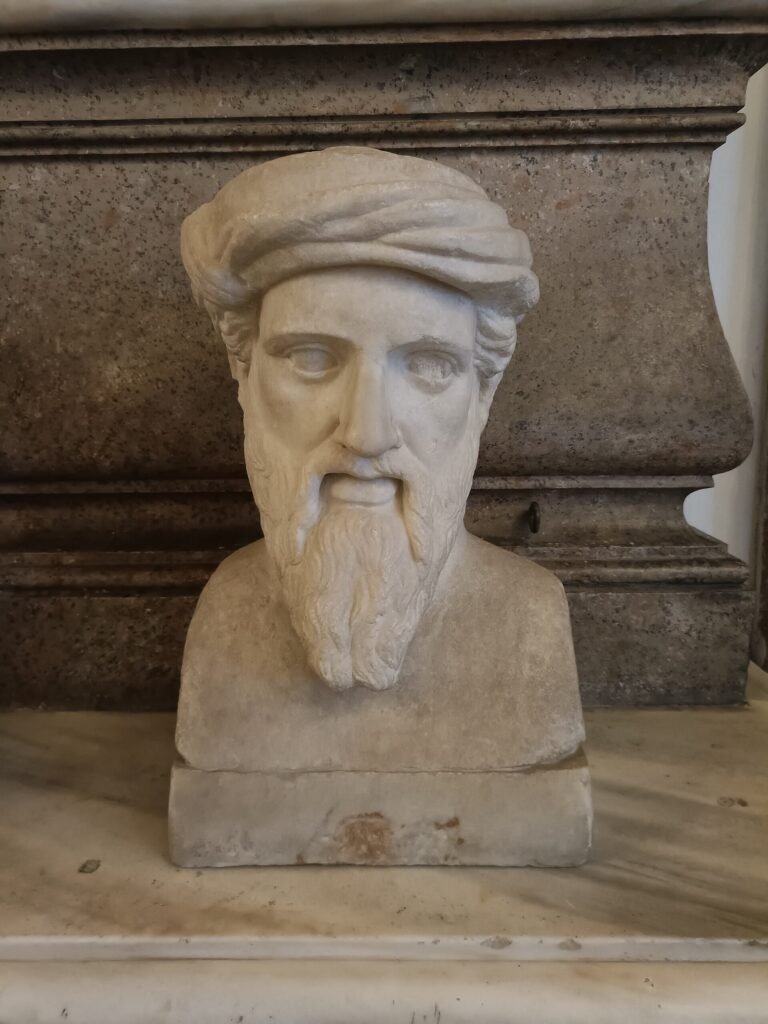
Pythagoras was a Greek philosopher from the island of Samos who lived from about 570 BCE to about 490 BCE and founded a religious and philosophical community at Croton in southern Italy. He wrote nothing himself, and nearly everything said about him was recorded long after his death. He is remembered for the theorem that
Pythagoras Read More »
Greek philosopher from Samos (about 570 to 490 BCE) who led a community at Croton and is linked to music ratios and a famous theorem.
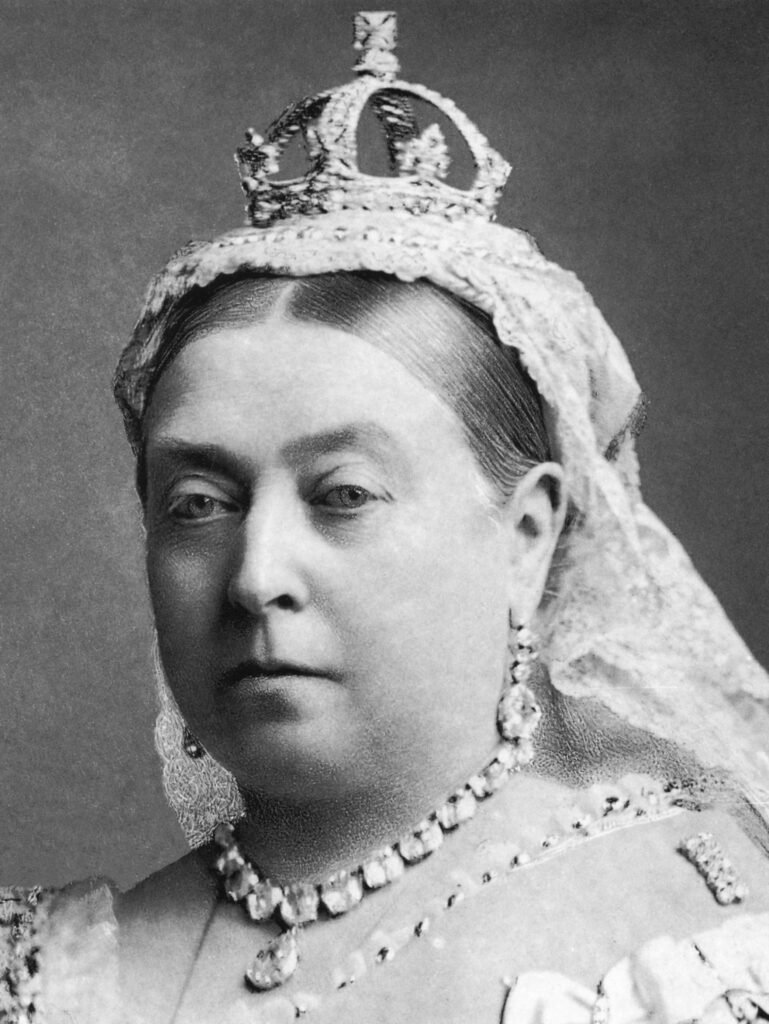
Queen Victoria (1819 to 1901) was the monarch of the United Kingdom of Great Britain and Ireland from 1837 until her death and, from 1877, Empress of India. Her reign of almost 64 years was the longest in British history up to that time, and it gave its name to an era of industrial growth
Queen Victoria Read More »
British monarch from 1837 to 1901 whose reign of almost 64 years gave its name to the Victorian era.
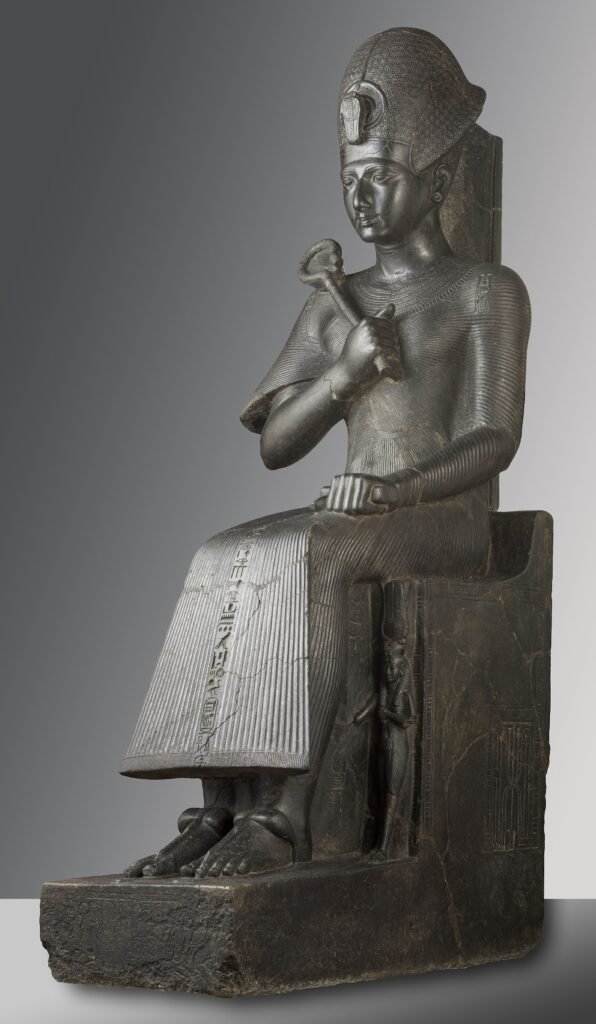
Ramesses II, also known as Ramesses the Great, was a pharaoh of ancient Egypt in the 19th Dynasty who reigned from about 1279 to 1213 BCE. His reign of roughly 66 years was among the longest in Egyptian history. He is remembered for the Battle of Kadesh, an early peace treaty with the Hittites, and
Ramesses II Read More »
Egyptian pharaoh of the 19th Dynasty (reigned about 1279 to 1213 BCE) known for the Battle of Kadesh, a Hittite peace treaty and Abu Simbel.
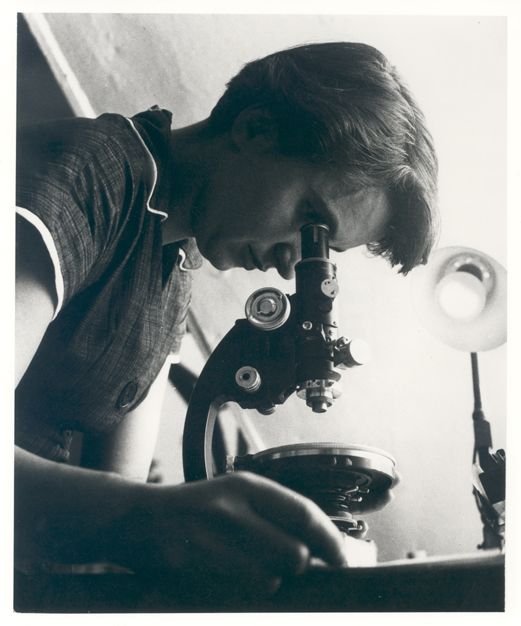
Rosalind Franklin (1920 to 1958) was an English chemist and X-ray crystallographer. Her X-ray diffraction work at King’s College London produced key evidence for the double helix structure of DNA, and she also made important studies of coal, graphite and the tobacco mosaic virus. She died of cancer at age 37. Early life of Rosalind
Rosalind Franklin Read More »
Rosalind Franklin was an English chemist and X-ray crystallographer whose diffraction images gave key evidence for the double helix structure of DNA.
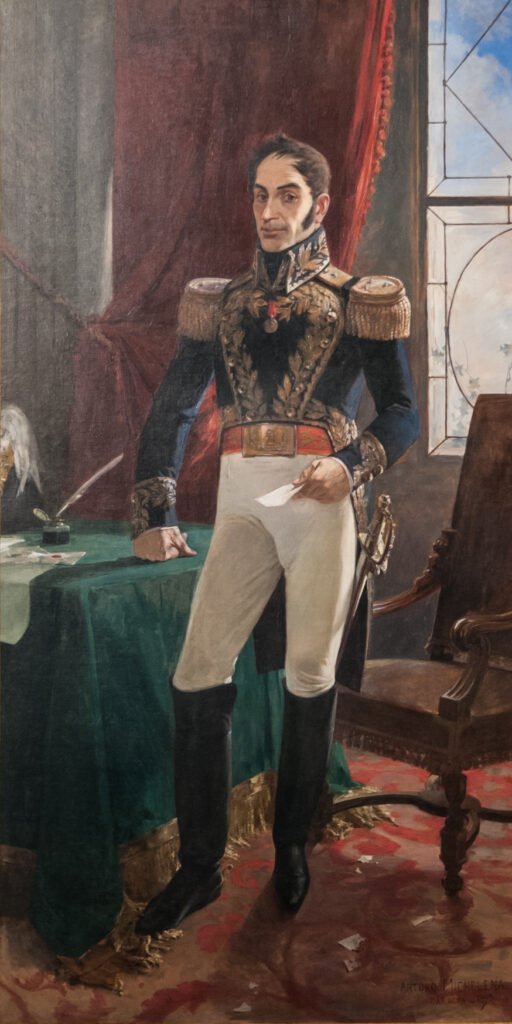
Simón Bolívar (1783 to 1830), known as El Libertador, was a Venezuelan military and political leader who led the independence of much of northern South America from Spain. He helped create the state of Gran Colombia, which covered what are now Colombia, Venezuela, Ecuador and Panama, and the country of Bolivia took its name from
Simón Bolívar Read More »
Venezuelan general known as El Libertador who led independence from Spain across northern South America and founded Gran Colombia.