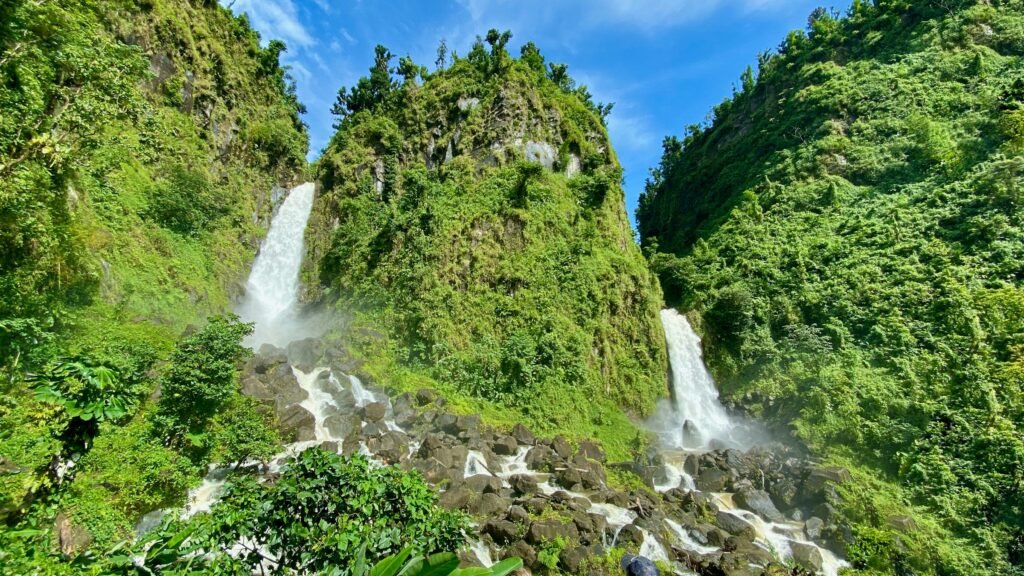
Dominica, officially the Commonwealth of Dominica, is a mountainous island nation in the Eastern Caribbean’s Lesser Antilles, situated between the French territories of Guadeloupe and Martinique. It is frequently confused with the much larger Dominican Republic, which shares the island of Hispaniola with Haiti more than 500 miles to the northwest, but the two countries
Dominica: Geography, History, Government, and Key Facts Read More »
Dominica is a small volcanic island nation in the Eastern Caribbean, known as the Nature Island and distinct from the Dominican Republic.
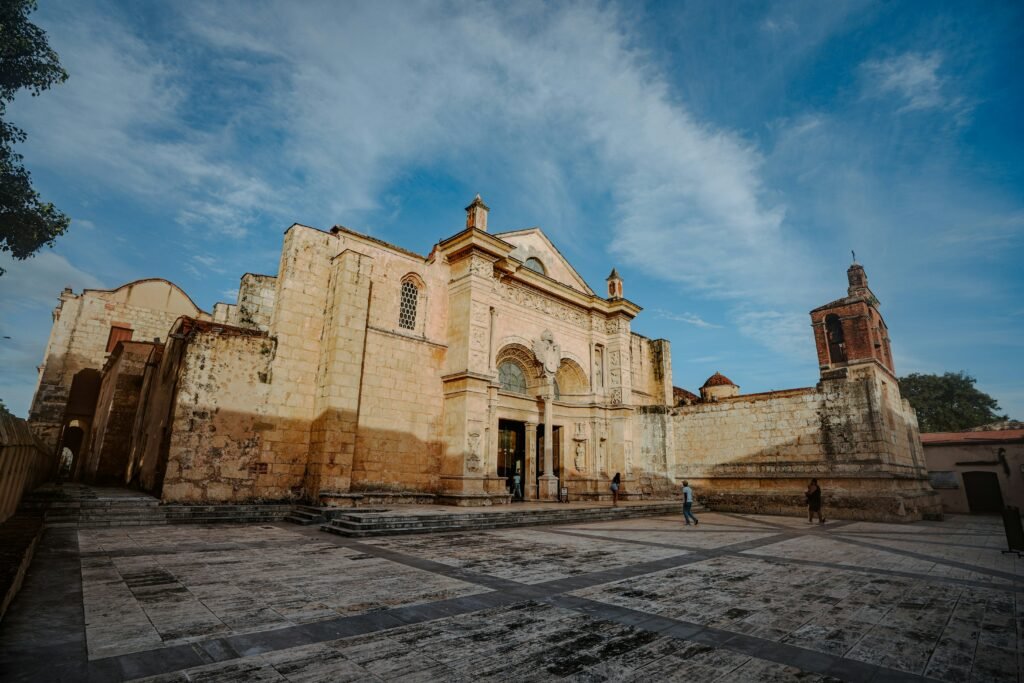
What Is the Dominican Republic? The Dominican Republic is a sovereign nation in the Caribbean that occupies the eastern two-thirds of the island of Hispaniola, which it shares with Haiti to the west. It is not the same country as Dominica, a much smaller island nation roughly 400 miles to the southeast in the Lesser
Dominican Republic: Geography, History, Government and Key Facts Read More »
A Caribbean nation sharing Hispaniola with Haiti, home to Santo Domingo, the first permanent European settlement in the Americas.
Dubai is the second-largest of the United Arab Emirates’ seven emirates, on the Arabian Peninsula’s eastern coast along the Arabian Gulf. Once a creek-side port built on fishing, pearling and trade, it is now known worldwide for the Burj Khalifa, the tallest building ever constructed. Where Is Dubai Located? Dubai covers about 4,114 square kilometers,
Dubai: Geography, History, Culture and Key Facts Read More »
Dubai is a trade and tourism hub in the United Arab Emirates, home to the Burj Khalifa, the world's tallest building.
Where Is Dublin Located? Dublin is the capital of Ireland, located on the country’s east coast where the River Liffey meets Dublin Bay on the Irish Sea. It is Ireland’s largest city and the seat of the national government, and together with its surrounding county, it forms the most populous part of the country. A
Dublin: History, Geography, Culture and Key Facts Read More »
Dublin is the capital of Ireland on the River Liffey, home to Trinity College, the Book of Kells, and a major tech and finance hub.
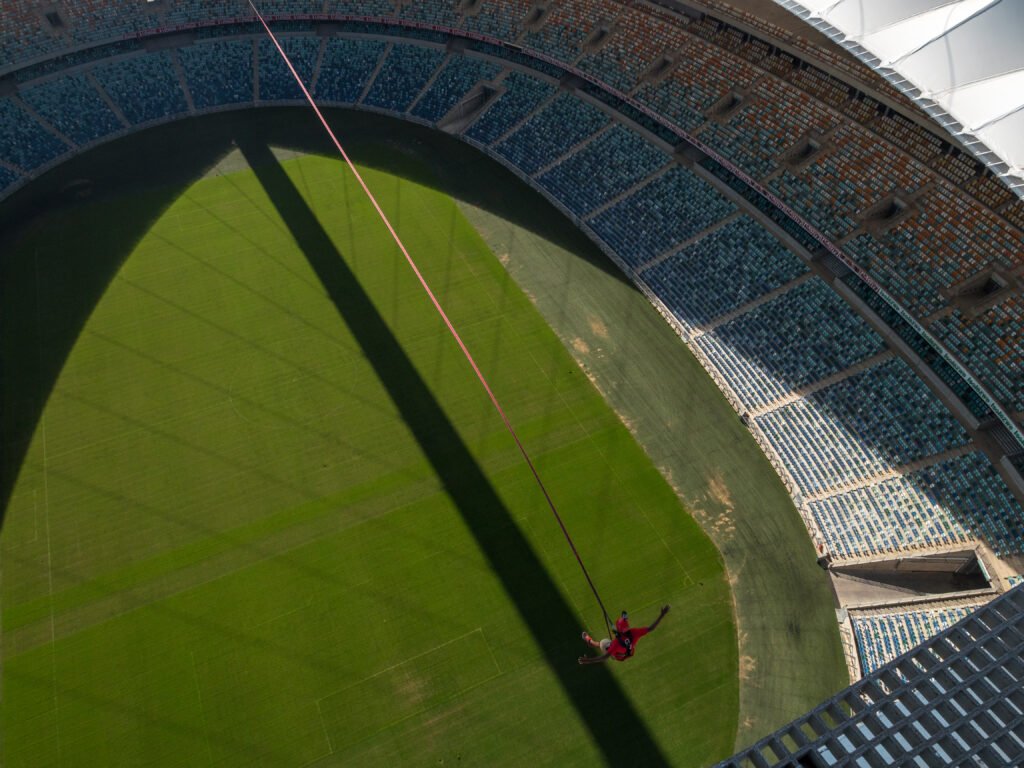
Durban is South Africa's busiest port city, settled in 1824 on the Indian Ocean coast of KwaZulu-Natal.
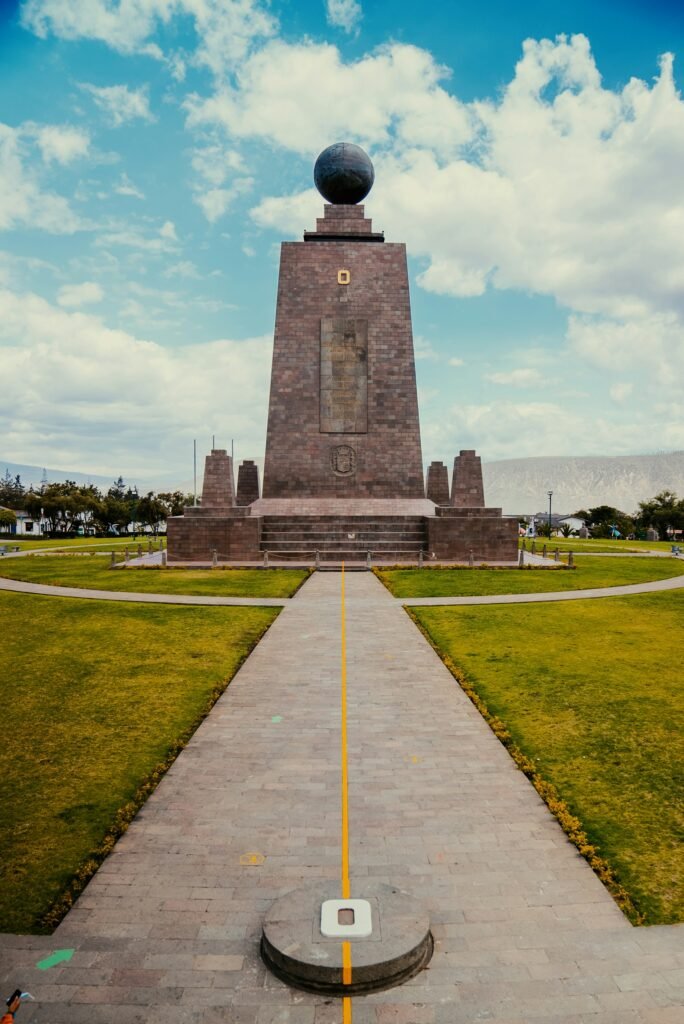
Ecuador is a South American country that straddles the equator on the Pacific coast, giving the nation its name (Spanish for “equator”). Its territory spans four distinct regions: a Pacific coastal lowland, the Andean highlands, the Amazon basin to the east, and the volcanic Galapagos Islands roughly 1,000 kilometers offshore, together covering about 256,850 square
Ecuador: Geography, History, Government and Key Facts Read More »
Ecuador is an equator-straddling South American nation of Andean peaks, Amazon rainforest, Pacific coast, and the Galapagos Islands, birthplace of Darwin's theory of evolution.
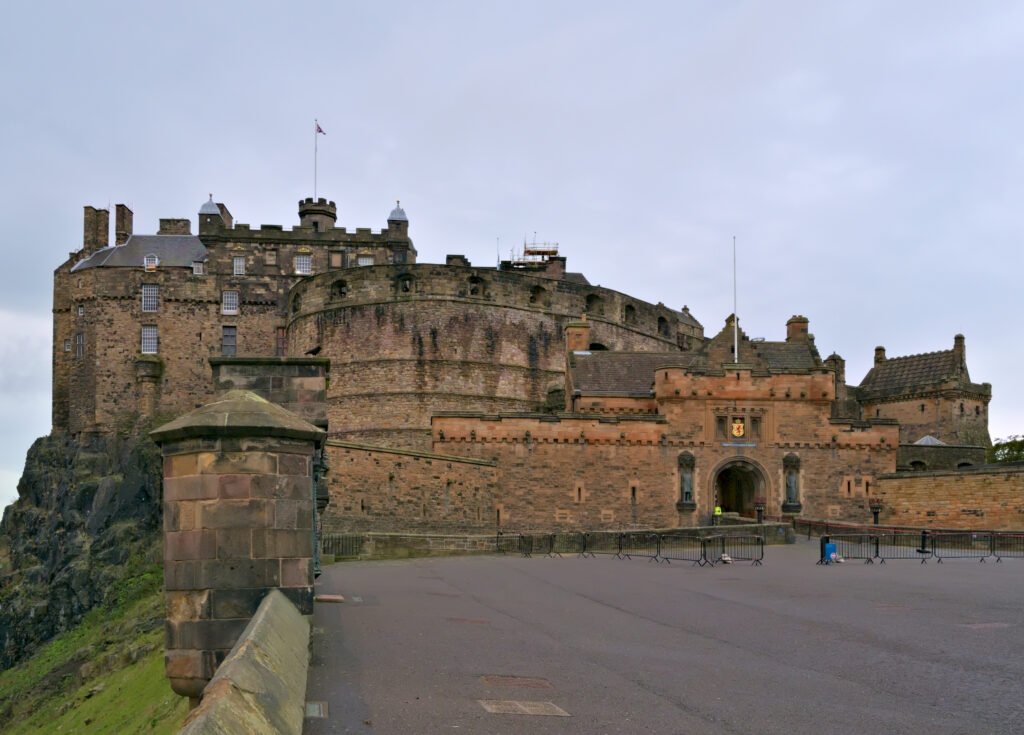
Edinburgh is the capital of Scotland, built around a volcanic rock formation that has supported a fortress since at least the Iron Age. It is best known for Edinburgh Castle, for the contrasting medieval Old Town and Georgian New Town that together form a UNESCO World Heritage Site, and for the Edinburgh Festival Fringe, the
Edinburgh: Scotland’s Historic Capital Read More »
Edinburgh is the capital of Scotland, built around the volcanic Castle Rock, known for its castle, Old and New Towns, and arts festivals.
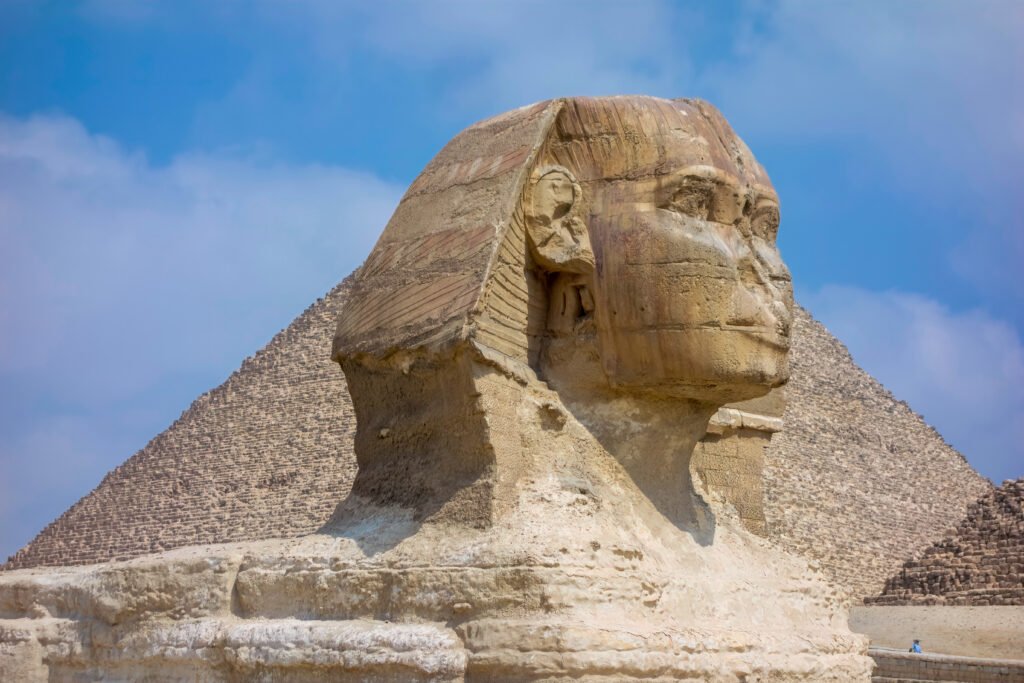
Egypt sits in the northeastern corner of Africa, with the Sinai Peninsula extending into Asia, making it one of the few countries spanning two continents. It is bordered by the Mediterranean Sea to the north, the Red Sea to the east, Libya to the west, and Sudan to the south. Almost the entire population lives
Egypt: Geography, History, Government and Key Facts Read More »
Egypt is a northeastern African nation along the Nile, home to the pyramids of Giza and the Suez Canal.
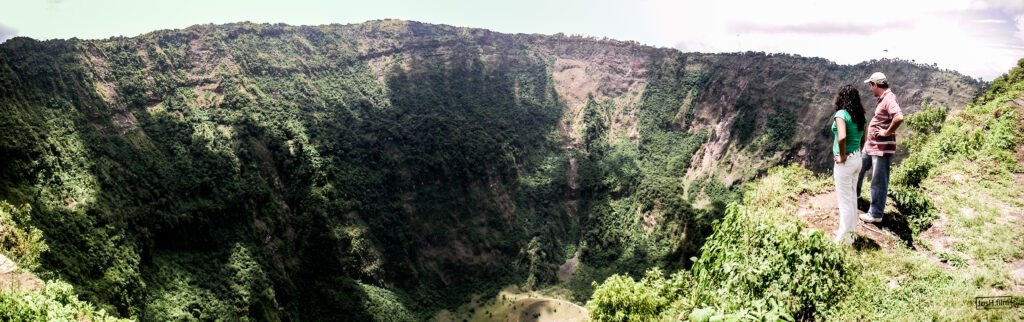
El Salvador is the smallest country in Central America and the only one without a Caribbean coastline, facing the Pacific Ocean along its entire southern border. Despite its size, it is the most densely populated country on the Central American mainland, with a landscape dominated by volcanoes that has earned it the nickname “the Land
El Salvador: Geography, History, Government and Key Facts Read More »
El Salvador is the smallest, most densely populated country in mainland Central America, known for its volcanoes and Pacific coast.
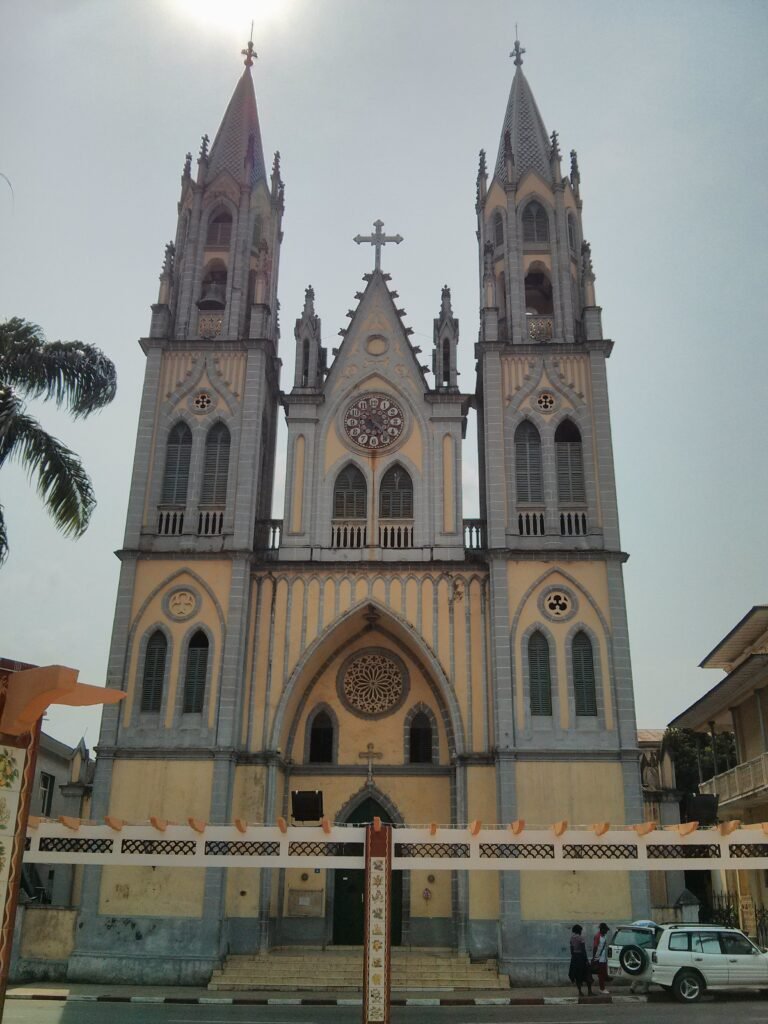
Equatorial Guinea is a small Central African nation made up of a mainland region and several islands, and it is the only country in Africa where Spanish is an official language, a legacy of nearly two centuries of Spanish colonial rule. Since the 1990s it has become one of Sub-Saharan Africa’s largest oil producers, transforming
Equatorial Guinea: Geography, History, Government and Key Facts Read More »
Equatorial Guinea is a small, oil-rich Central African nation and the only African country with Spanish as an official language.