Categories of Veterinary Parasites
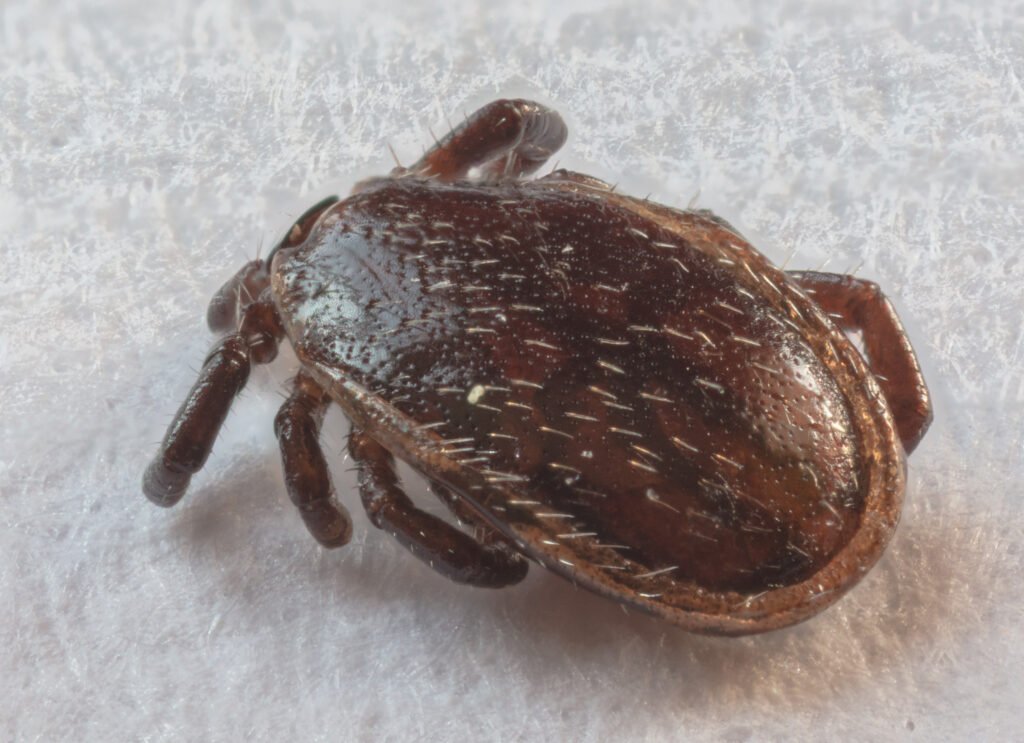
Veterinary parasitology covers a wide range of organisms broadly divided into internal parasites, such as roundworms, tapeworms, heartworms, and protozoa, and external parasites, including fleas, ticks, and mites, each requiring different diagnostic approaches and treatment strategies. Internal parasites are typically identified through fecal examination or, for heartworm, a blood test, while external parasites are usually diagnosed through direct visual inspection or skin scraping, with treatment protocols varying considerably depending on the specific parasite species and the animal’s life stage and health status.
Zoonotic Transmission Concerns
A significant subset of veterinary parasites can transmit between animals and humans, making parasite control a public health concern as well as an animal health one, with examples including certain roundworm species that can cause serious illness in children who ingest contaminated soil, and tick-borne pathogens that can infect both pets and their owners through the same tick bite. This zoonotic potential has driven public health agencies and veterinary organizations to jointly promote routine parasite prevention in companion animals as a measure protecting human as well as animal health.
Growing Resistance Concerns
Similar to antibiotic resistance in bacteria, growing resistance to certain anti-parasitic drugs has emerged in some parasite populations, particularly among gastrointestinal worms in livestock that have faced sustained, sometimes improperly dosed, drug pressure over many years. Veterinary parasitologists increasingly recommend strategic deworming protocols, which target treatment based on monitoring and need rather than blanket routine dosing of entire herds, as a way to slow further resistance development while still maintaining effective parasite control.
Heartworm Prevention in Dogs
Heartworm disease, caused by a parasite transmitted through mosquito bites that matures into worms living in the heart and blood vessels of dogs, illustrates the serious consequences possible from parasitic infection, since established heartworm infection is far more difficult, risky, and costly to treat than preventing it through regular preventive medication. This stark contrast between prevention and treatment difficulty has made monthly heartworm preventive medication a near-universal recommendation for dogs in regions where the mosquito vector is present, with annual testing recommended even for dogs on consistent preventive medication to catch any breakthrough infections early.
Climate change and shifting mosquito ranges have expanded the geographic areas where heartworm transmission risk exists, prompting veterinary parasitology organizations to periodically update regional risk maps and preventive recommendations.
Livestock Parasite Management at Scale
Parasite control in livestock operations differs substantially from companion animal practice, requiring management strategies that address entire herds or flocks rather than individual patients, often incorporating pasture rotation, strategic treatment timing tied to parasite life cycles, and selective breeding for parasite resistance alongside direct anti-parasitic drug use. These herd-level approaches have grown more sophisticated as resistance concerns have mounted, with veterinary parasitologists increasingly advising producers to combine multiple complementary strategies rather than relying on anti-parasitic drugs as the sole control measure.
Diagnostic techniques for detecting parasites have also advanced considerably, with molecular testing methods such as PCR increasingly supplementing traditional microscopic fecal examination, offering greater sensitivity for detecting low-level infections that older methods might miss entirely.
Tick-Borne Disease Complexity
Ticks transmit a particularly diverse array of pathogens beyond simple external irritation, including bacteria causing Lyme disease and ehrlichiosis and protozoa causing babesiosis, meaning tick exposure can result in several distinct and sometimes co-occurring infections from a single bite, complicating diagnosis when multiple tick-borne pathogens present with overlapping, nonspecific symptoms such as lethargy and fever.
Environmental and lifestyle factors, including indoor versus outdoor living and geographic region, significantly influence an individual animal’s parasite risk profile, leading veterinarians to tailor prevention recommendations based on a pet’s specific circumstances rather than applying one uniform protocol to every patient regardless of lifestyle.
Veterinary parasitology education increasingly emphasizes client communication skills, since effective long-term parasite prevention depends heavily on owner compliance with recommended preventive medication schedules rather than veterinary knowledge alone.
Seasonal patterns in parasite prevalence, varying by regional climate, inform veterinary recommendations about year-round versus seasonal preventive medication use depending on local flea, tick, and mosquito activity patterns throughout the year.
Resistance surveillance programs tracking anti-parasitic drug effectiveness across different geographic regions help identify emerging problem areas before resistance becomes widespread enough to significantly undermine standard prevention protocols.
Combination preventive products addressing multiple parasite categories simultaneously, such as a single medication covering heartworm, fleas, and certain intestinal worms together, have simplified prevention regimens for pet owners managing multiple parasite risks at once.
Public health departments and veterinary parasitologists increasingly collaborate on community-level surveillance of zoonotic parasite risk, particularly in urban areas with dense populations of both pets and wildlife carrying shared parasite species.
Owner education materials explaining parasite life cycles in accessible terms have proven effective at improving long-term compliance with recommended prevention schedules across veterinary client populations.
Wildlife Parasite Dynamics
Parasite dynamics in wild animal populations differ from domestic settings, since natural selection pressures and lack of treatment access shape different equilibrium relationships between host and parasite over evolutionary time.
Spring and fall seasonal transitions often prompt renewed public awareness campaigns about flea and tick prevention timing in regions with pronounced seasonal parasite activity patterns.
Breeders of certain livestock species increasingly incorporate fecal egg count monitoring into routine herd management rather than treating only after visible symptoms appear.
Cross-contamination prevention between patients at boarding and grooming facilities has become a growing focus of external parasite control recommendations.
Veterinary parasitology textbooks are revised periodically to reflect newly described parasite species and updated treatment recommendations.
Co-infection screening panels test for several common parasites simultaneously from a single sample, improving diagnostic efficiency for suspected multi-parasite cases.
More in Veterinary Medicine and Clinical Practice
Key facts
- Includes internal parasites like worms and external parasites like fleas and ticks
- Many parasites can be transmitted between animals and humans
- Preventive medication has become standard for companion animals
- Resistance to some anti-parasitic drugs is a growing concern
Related concepts
Quick checkWhy has preventive anti-parasitic medication become standard practice for companion animals?Show answer
Regular preventive medication is generally more effective and less costly than treating an established infestation, and it reduces the risk of parasites spreading to other animals or, for some species, to humans.
Sources
- American Association of Veterinary Parasitologists
- Veterinary Parasitology journal
Editorially reviewed by Specialty Digest Editorial TeamLast reviewed November 4, 2026Researched and drafted with AI assistanceReport an issue