An ecological niche is the specific role a species plays within its ecosystem, encompassing the full range of environmental conditions it can tolerate, the resources it uses, and its relationships with other species, including what it eats, what eats it, and how it interacts with competitors. The concept extends well beyond simply where a species lives, which ecologists call its habitat, to describe the complete set of functional requirements and interactions that define how a species fits into its ecological community.
The niche concept helps explain a foundational principle in ecology known as the competitive exclusion principle, which holds that two species cannot indefinitely occupy exactly the same niche in the same location, since one will eventually outcompete the other for shared, limited resources, leading either to the exclusion of one species, a shift in habitat use, or the evolution of some difference that allows the two species to coexist by using resources in slightly different ways.
Fundamental Versus Realized Niche
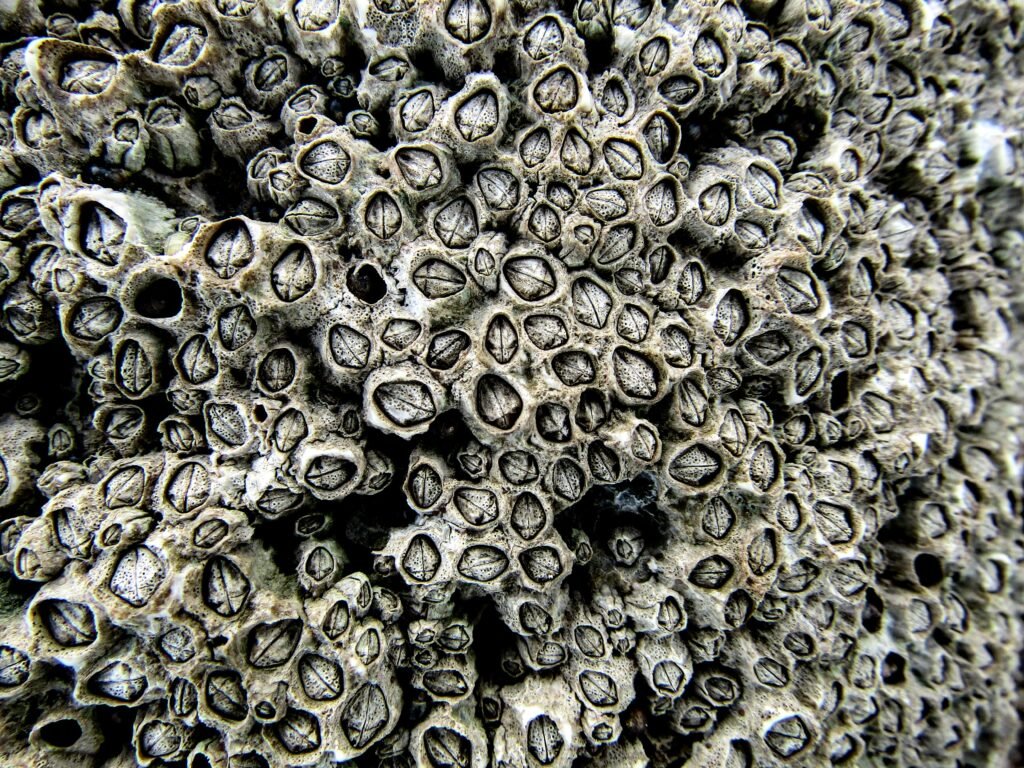
Ecologists distinguish between a species’ fundamental niche, the full range of conditions and resources it could theoretically use in the absence of competitors or predators, and its realized niche, the narrower set of conditions and resources it actually uses once the influence of competition, predation, and other biological interactions is taken into account. A classic illustration involves barnacle species that can each survive across a wide range of tidal zones in isolation but are restricted to narrower, non-overlapping zones when competing species are present together.
This distinction matters significantly for conservation planning, since protecting only the conditions matching a species’ realized niche in one location may fail to account for a broader range of habitat the species could use elsewhere if competitors or other limiting factors were different, a consideration increasingly important as conservationists plan for species potentially shifting their ranges due to climate change.
Niche Partitioning
When closely related or ecologically similar species coexist in the same area, they often divide available resources through a process called niche partitioning, reducing direct competition by specializing in slightly different food sources, foraging times, or habitat microstructures. A frequently cited example involves several warbler species that forage in the same forest trees but concentrate their feeding activity in different parts of the tree canopy, reducing the degree to which they directly compete for the same insects.
Niche partitioning can develop through evolutionary adaptation over many generations or can simply reflect existing behavioral flexibility among species that are capable of using a range of resources but settle into different patterns when forced to coexist, and distinguishing between these two explanations remains an active area of ecological research.
Niche Construction
Some species actively modify their environment in ways that change their own niche as well as the niches available to other species, a phenomenon ecologists call niche construction. Beavers provide one of the best-known examples, since their dam-building behavior transforms flowing streams into ponds and wetlands, fundamentally altering the available habitat not just for themselves but for an entire community of other species that depend on the wetland conditions beavers create.
Niche construction theory has become increasingly influential in evolutionary biology, since it highlights how organisms are not simply passive occupants of a fixed environmental niche but can actively reshape the selective pressures acting on themselves and other species through their own behavior and activity over time.
Invasive Species and Empty Niches
Invasive species often succeed in new environments partly because they can occupy a niche that is either unfilled by native species or only weakly defended by native competitors, allowing the invader to establish and expand without facing the same level of competitive pressure it might encounter in its native range, where competitors and predators have had much longer to evolve alongside it.
Understanding the specific niche an invasive species occupies has become an important tool for predicting which ecosystems are most vulnerable to a given invader and for designing management strategies that either strengthen native competitors occupying a similar niche or directly target the resources the invasive species depends on.
Niche Concept in Conservation Planning
Modern conservation biology increasingly uses detailed niche modeling, which combines data on a species’ known environmental tolerances and resource needs with geographic and climate data, to predict where a species could potentially survive, including areas it does not currently occupy. These models have become valuable tools for identifying potential habitat for reintroduction programs, anticipating how species ranges might shift under climate change, and flagging areas at risk of future invasive species establishment.
While niche models have proven useful, ecologists caution that they work best when combined with direct field data and an understanding of species interactions, since a location that appears climatically suitable on a model alone may still be unsuitable in practice due to competition, predation, or other biological factors not captured by climate data alone.
FAQ
What is the difference between a species’ habitat and its ecological niche?
Habitat refers to where a species lives, while its ecological niche describes its complete functional role, including what resources it uses, how it interacts with other species, and the environmental conditions it can tolerate.
What is niche partitioning?
Niche partitioning is when closely related or ecologically similar species divide available resources, such as food or foraging time, to reduce direct competition and allow them to coexist in the same area.
What is niche construction?
Niche construction is when organisms actively modify their environment in ways that change their own ecological niche and the niches available to other species, as beavers do by building dams that create wetland habitat.
More in Ecology
Editorially reviewed by Specialty Digest Editorial TeamLast reviewed November 4, 2026Researched and drafted with AI assistanceReport an issue