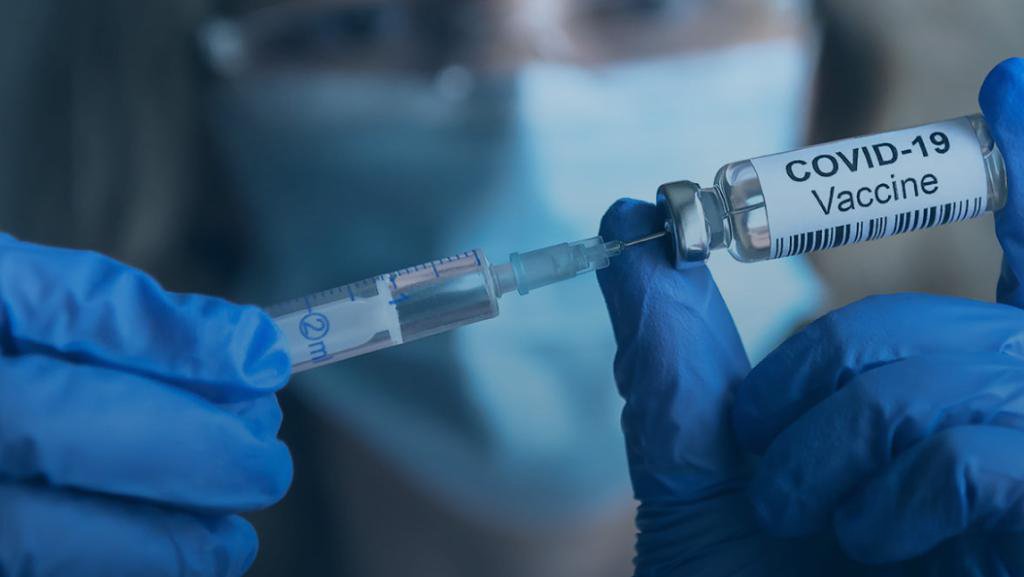
mRNA vaccine technology uses a laboratory-made copy of messenger RNA to instruct a person’s own cells to produce a harmless piece of a germ’s protein, which trains the immune system to recognize that germ. The vaccine contains no live virus, and the cell breaks down the mRNA after it has done its job. The approach became widely known through the mRNA vaccines developed against COVID-19 beginning in 2020.
History of mRNA vaccine technology
Inside cells, genetic information stored in DNA is copied into messenger RNA (mRNA), which serves as the template for making proteins. In the 1980s researchers introduced efficient methods for making mRNA in the laboratory without cell culture, a process called in vitro transcription. That step opened the way to using mRNA for vaccines and therapies, but obstacles remained. The Nobel Committee notes that laboratory-made mRNA was considered unstable and hard to deliver, needed carrier lipid systems to encapsulate it, and caused inflammatory reactions.
The Hungarian biochemist Katalin Karikó, working at the University of Pennsylvania from the early 1990s, kept pursuing mRNA as a therapy even though she struggled to convince funders of its importance. With the immunologist Drew Weissman she studied how different types of RNA interact with the immune system. They found that immune cells called dendritic cells treated laboratory-made mRNA as foreign and released inflammatory signals, while mRNA from mammalian cells, whose bases are often chemically modified, did not cause the same reaction.
When they made mRNA with modified bases, the inflammatory response was almost abolished. They published these results in 2005, fifteen years before the COVID-19 pandemic, and showed in studies published in 2008 and 2010 that base-modified mRNA also raised protein production. By 2010 several companies were developing the method, and vaccines against Zika virus and MERS-CoV were being pursued. After the pandemic began, two base-modified mRNA vaccines encoding the surface protein of SARS-CoV-2 were developed at record speed, and protective effects of around 95% were reported. Karikó and Weissman received the 2023 Nobel Prize in Physiology or Medicine for these discoveries.
How mRNA vaccines work
The U.S. Centers for Disease Control and Prevention (CDC) explains that an mRNA COVID-19 vaccine is given in the upper arm muscle or upper thigh, depending on the age of the person. The mRNA enters muscle cells and uses the cells’ machinery to make a harmless piece of the spike protein found on the surface of the virus that causes COVID-19. Afterward the cells break down the mRNA and remove it from the body as waste.
The cells then display the spike protein piece on their surface. The immune system recognizes that the protein does not belong there and responds by producing antibodies and activating other immune cells, much as it would during an infection. The body is left with memory T lymphocytes and B lymphocytes that can recognize the virus later, a process that typically takes a few weeks. Symptoms such as fever can follow vaccination, and the CDC describes them as normal signs that the body is building immunity.
According to the CDC, these vaccines do not use live virus, cannot cause infection with the virus, and do not enter the nucleus of the cell where DNA is kept, so they cannot change or influence a person’s genes. Because bare mRNA is fragile, it is packaged in lipid carriers, which are small fat-based particles that protect it and help it reach cells.
Types of vaccine technology
The Nobel Committee describes several older approaches. Vaccines based on killed or weakened viruses have long been available, as with polio, measles and yellow fever. Later, vaccines based on individual viral components, usually proteins on the virus surface, were developed, such as those against hepatitis B and human papillomavirus. Vector vaccines move part of a viral genetic code into a harmless carrier virus, a method used against Ebola.
The CDC lists two types of COVID-19 vaccine currently in use in the United States: mRNA and protein subunit vaccines. What sets the mRNA approach apart is that the vaccine delivers the instructions for a protein rather than the protein itself, so the person’s cells manufacture the antigen. How such vaccines are tested is described under clinical trials.
Applications of mRNA vaccine technology
The best-documented application is protection against COVID-19. Researchers had also pursued vaccines against Zika virus and MERS-CoV, a coronavirus closely related to SARS-CoV-2, before the pandemic. The Nobel Committee notes that ideas about using mRNA for vaccine and therapeutic purposes took off after laboratory production methods improved, which is why interest extends beyond infectious disease.
The technology builds on knowledge from genes and protein production, and it sits alongside other biotechnology tools such as CRISPR, although the two work differently. mRNA is temporary and does not alter DNA, while CRISPR is designed to edit it.
Advantages and disadvantages of mRNA vaccine technology
A central advantage is speed of production. The Nobel Committee explains that whole-virus, protein and vector vaccines require large-scale cell culture, a resource-intensive process that limits how quickly vaccines can be made during outbreaks. Because mRNA is made without cell culture, production can be adapted more quickly to a new target once the genetic sequence is known.
The disadvantages are largely technical. Laboratory-made mRNA is fragile and needs protective packaging, and early versions provoked inflammatory reactions until the base-modification discovery reduced them. As with other vaccines, temporary symptoms such as fever can occur after vaccination.
This entry is general background. Decisions about vaccination belong to national health authorities and to individuals with their clinicians.
More in Infectious Diseases
Key facts
- The 2023 Nobel Prize in Physiology or Medicine went to Katalin Karikó and Drew Weissman for base-modification discoveries that enabled effective mRNA vaccines.1
- Their results showing that modified bases reduce inflammatory reactions to laboratory-made mRNA were published in 2005.1
- After vaccination, cells make a harmless piece of the spike protein and then break down the mRNA.2
- The CDC says mRNA vaccines do not use live virus and do not enter the cell nucleus, so they cannot change genes.2
This entry explains a medical term. It is not medical advice. If you are concerned about your health, speak with a qualified health professional.
Related concepts
Quick checkCan an mRNA vaccine change a person's DNA?Show answer
According to the CDC, no. The mRNA does not enter the nucleus where DNA is kept, so it cannot change or influence genes, and cells break the mRNA down after use.
Sources
- Nobel Prize Outreach, Press release: The Nobel Prize in Physiology or Medicine 2023, https://www.nobelprize.org/prizes/medicine/2023/press-release/
- U.S. Centers for Disease Control and Prevention, COVID-19 Vaccine Basics, https://www.cdc.gov/covid/vaccines/how-they-work.html
Editorially reviewed by Specialty Digest Editorial TeamLast reviewed November 4, 2026Researched and drafted with AI assistanceReport an issue