Amnesty International is a global human rights movement that researches abuses, campaigns for victims and presses governments and companies to respect people’s rights. It was founded in London in 1961 by the British lawyer Peter Benenson and received the Nobel Peace Prize in 1977. History of Amnesty International Amnesty International began in 1961 as a
Amnesty International Read More »
Amnesty International is a global human rights movement, founded in London in 1961, that researches abuses and campaigns to end them.
In simple terms Annexation is a state declaring that territory it holds by force is now legally its own. The claim is about sovereignty, the recognized legal title to land, not merely about who has troops on the ground. International law treats that claim as void. Force can change who controls territory; the modern rule
Annexation Read More »
Annexation is a state's claim to have taken legal sovereignty over territory seized by force, a claim international law treats as invalid.
In simple terms Antitrust law sets limits on how companies may compete. It targets conduct that protects a firm’s position by shutting rivals out, rather than by serving customers better. Outside the United States the same field is usually called competition law. The names differ; the core concerns are close. How it works Enforcement runs
Antitrust law Read More »
Antitrust law is the body of rules that stops firms from fixing prices, abusing a dominant position, or merging in ways that harm competition.
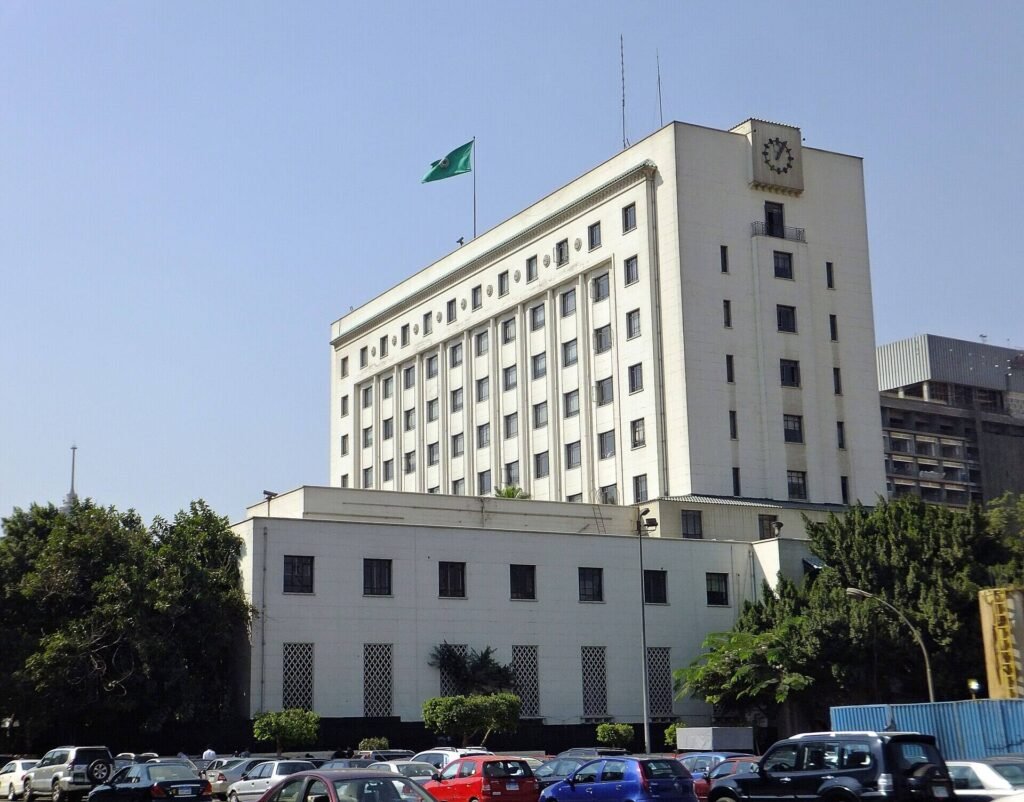
The League of Arab States, usually called the Arab League, is a regional organization of Arab countries founded in Cairo in 1945. Its founding Pact commits members to closer cooperation on political, economic, cultural and social matters while safeguarding each member’s independence and sovereignty. The organization has 22 members. History of the Arab League Arab
Arab League Read More »
The Arab League is a regional organization of 22 Arab states founded in Cairo in 1945 to coordinate political, economic and cultural cooperation.
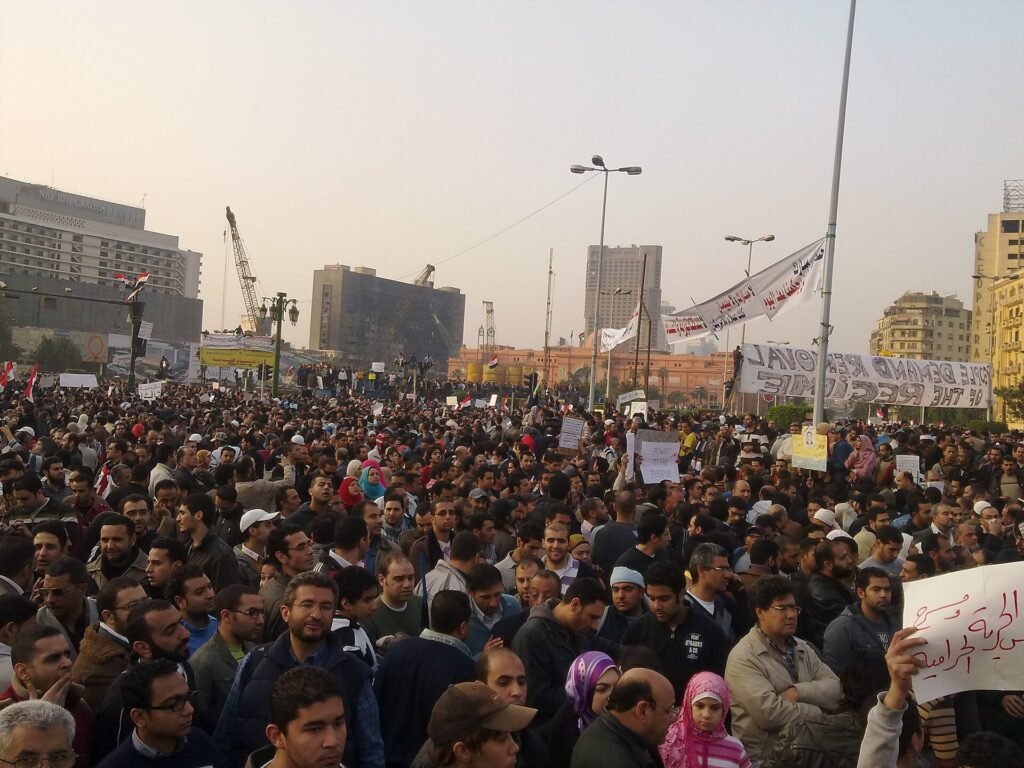
The Arab Spring was a wave of protests and uprisings against authoritarian governments that began in Tunisia in December 2010 and spread across the Middle East and North Africa in 2011. It removed long-serving rulers in Tunisia, Egypt, Libya and Yemen, and it led to civil wars in Libya, Yemen and Syria. Background to the
Arab Spring Read More »
A wave of protests and uprisings that began in Tunisia in December 2010 and toppled rulers in Tunisia, Egypt, Libya and Yemen in 2011.
Arms control is the use of diplomacy and formal international agreements to limit, reduce, or regulate weapons, ranging from small arms and conventional military equipment to nuclear, chemical, and biological weapons of mass destruction. Unlike full disarmament, which aims to eliminate a weapons category entirely, most arms control agreements accept that certain weapons will continue
Arms Control Read More »
The use of diplomacy and treaties to limit, reduce, or regulate weapons, including weapons of mass destruction.
In simple terms An arms embargo is a rule that stops weapons and other military goods from reaching a particular country, armed group or person. It is one type of sanction: a penalty that stops short of military force. The aim is to cut off the tools of violence and push the target to change
Arms embargo Read More »
An arms embargo bans supplying weapons, military equipment and related services to a country, group or person to promote peace and security.
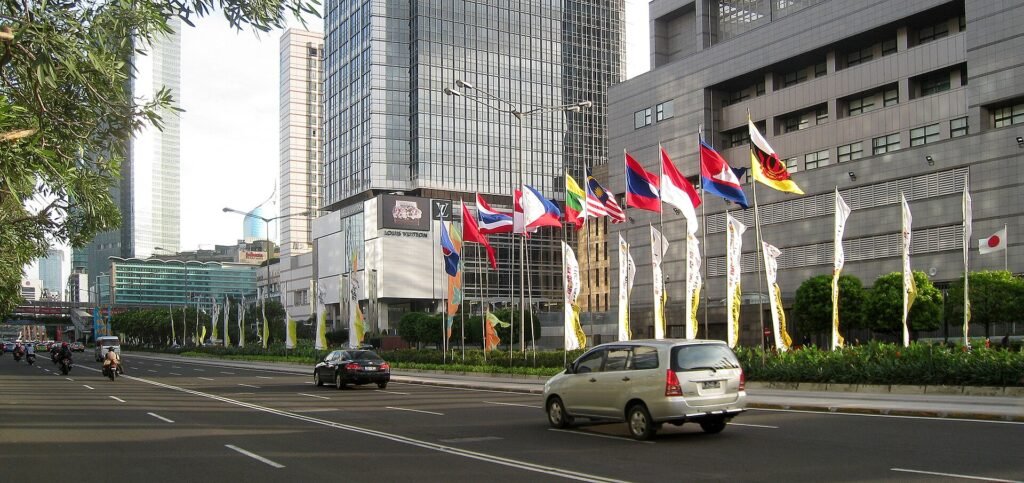
The Association of Southeast Asian Nations, or ASEAN, is a regional organization of 11 member states that promotes economic, political and security cooperation in Southeast Asia. It was established on 8 August 1967 in Bangkok, Thailand, and its secretariat is in Jakarta, Indonesia. Timor-Leste became the 11th member on 26 October 2025. History of ASEAN
ASEAN Read More »
ASEAN is a regional organization of 11 Southeast Asian countries, founded in Bangkok in 1967 to promote economic, political and security cooperation.
Balance of power is a theory of international relations holding that states can best secure their own survival by preventing any single state from accumulating so much military strength that it can dominate all the others. The core logic is that if one state grows significantly more powerful than its neighbors, those neighbors have a
Balance of Power Read More »
A theory holding that states secure their survival by preventing any one state from dominating the rest.
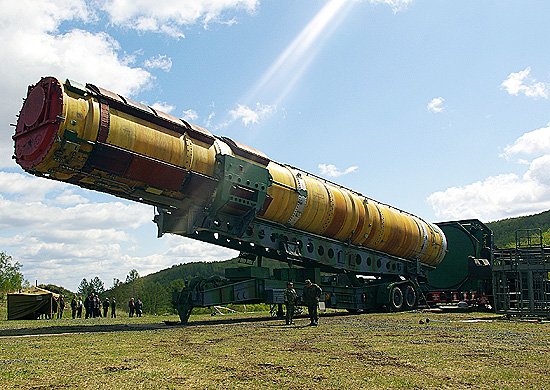
In simple terms A ballistic missile burns its rocket motor for only the first part of the journey. After that it is a thrown object, following the curve that gravity gives it. The Arms Control Association puts it plainly: ballistic missiles are powered by rockets initially but then follow an unpowered, free falling trajectory toward
Ballistic missile Read More »
A ballistic missile is rocket powered at launch, then coasts on an unpowered arc, falling under gravity onto its target.