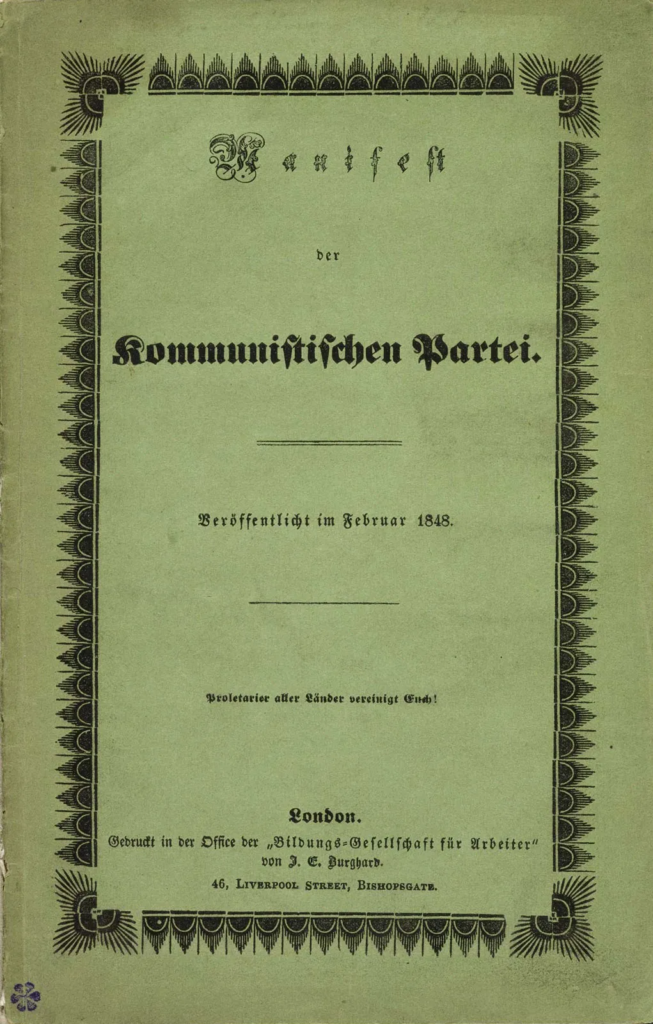
The Communist Manifesto is a political pamphlet by Karl Marx and Friedrich Engels, first published in London in February 1848, that presents history as a story of class struggle and states the aims of the Communist League. Its original German title was Manifest der Kommunistischen Partei, and English editions are often titled Manifesto of the
The Communist Manifesto Read More »
The Communist Manifesto is a pamphlet by Karl Marx and Friedrich Engels, published in London in February 1848, setting out class struggle and Communist League aims.
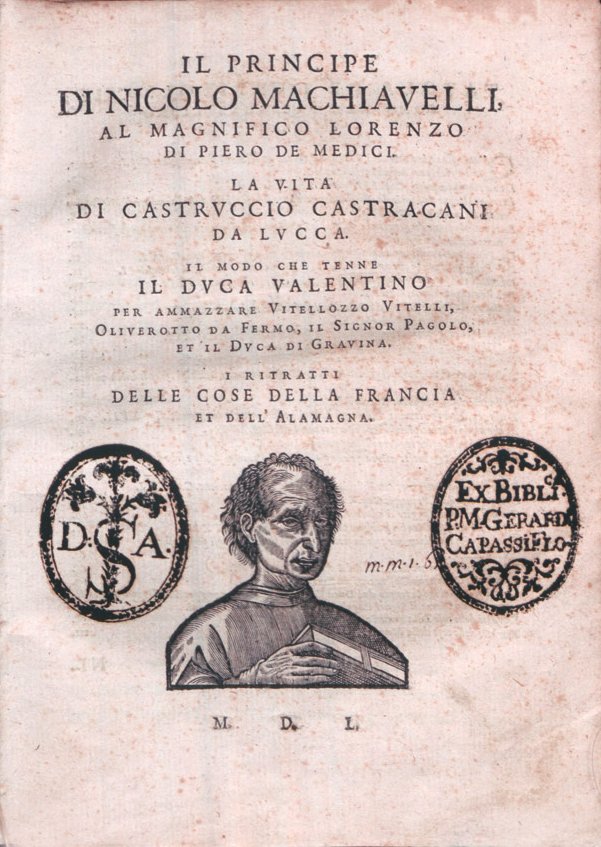
The Prince is a short work of political writing by the Florentine statesman Niccolò Machiavelli, written in 1513 and published after his death in 1532. It offers advice to a ruler on how to win, hold and expand power, and it is famous for treating political success as a practical problem rather than a moral
The Prince Read More »
Short political treatise by Niccolo Machiavelli, written in 1513 and published in 1532, advising rulers on how to gain and keep power.
A think tank is an organization that conducts research and advocacy on public policy questions, covering areas such as economics, social policy, foreign affairs, defense, and technology, with the goal of informing or influencing government decisions, media coverage, and public debate. Most think tanks are nongovernmental, though some operate as formal government agencies and others
Think Tank Read More »
An organization that conducts policy research and advocacy to influence government decisions and public debate.
Tort law is the branch of civil law that defines when one person can be held legally responsible for causing harm to another, outside of any contract between them. A tort is a civil wrong, and the harm it covers extends well beyond physical injury to include emotional, economic, and reputational damage, as well as
Tort Law Read More »
The branch of civil law governing when one party can be held liable for causing harm to another outside of any contract.
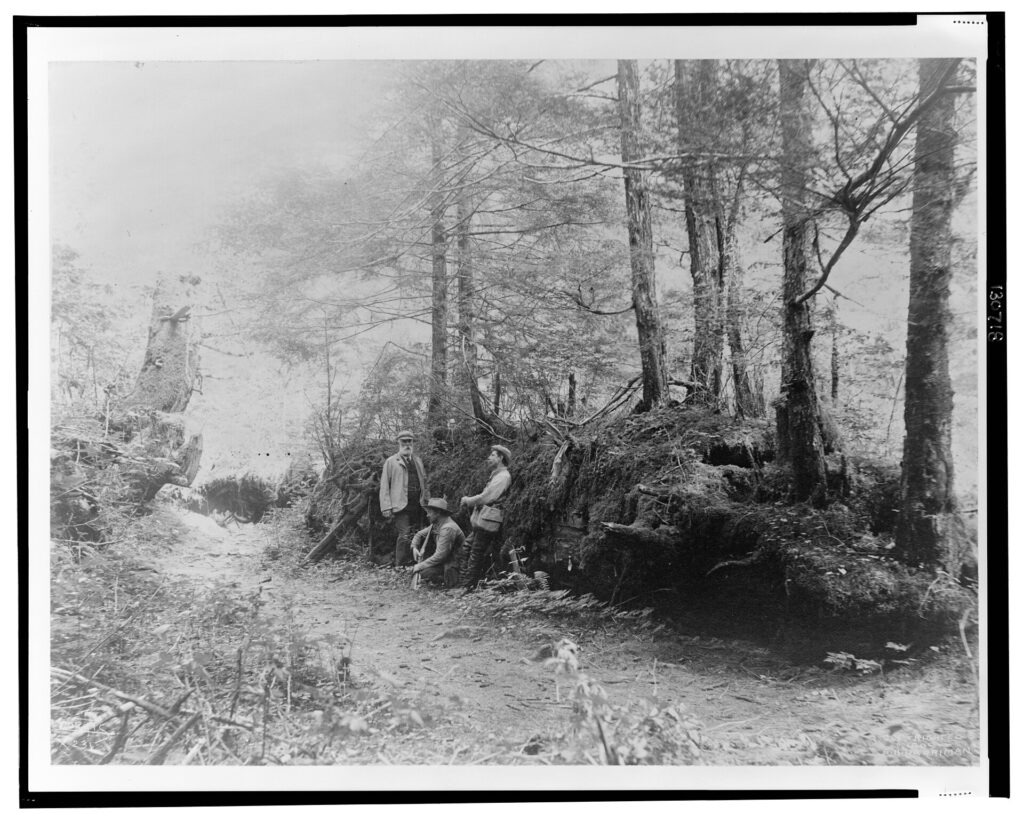
The Treaty of Cession of Alaska was the agreement of March 30, 1867, in which the Russian Empire ceded Alaska to the United States for $7.2 million. Negotiated by U.S. Secretary of State William H. Seward and the Russian diplomat Eduard de Stoeckl, it was ratified by the U.S. Senate on April 9, 1867, by
Treaty of Cession of Alaska (1867) Read More »
The Treaty of Cession of 1867 transferred Alaska from Russia to the United States for $7.2 million.
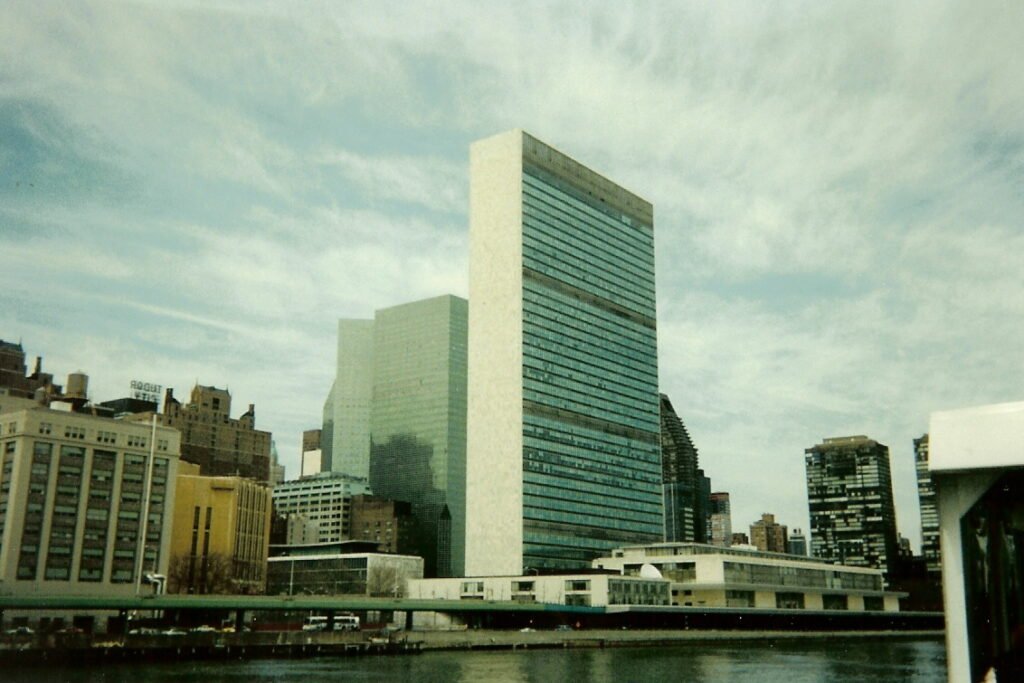
The United Nations (UN) is an international organization of 193 member states, founded in 1945 to maintain international peace and security, protect human rights and promote cooperation on economic, social and humanitarian problems. It is the one body in which almost every country has a seat and a vote, which gives its decisions unusual legitimacy
United Nations Read More »
The United Nations is an international organization of 193 member states, founded in 1945 to keep peace and foster global cooperation.
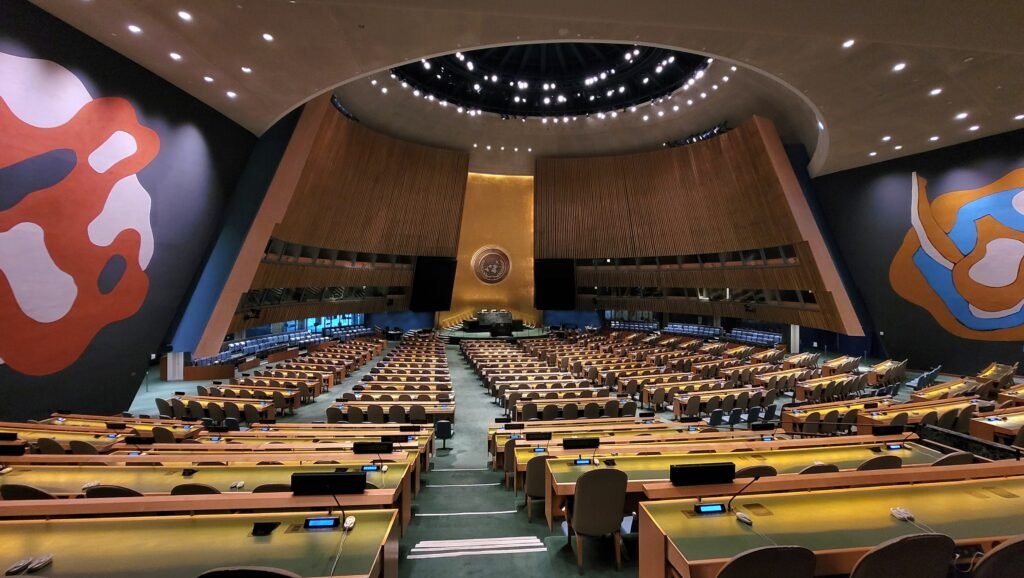
In simple terms The General Assembly is the meeting of every country in the United Nations. All 193 member states sit in it, and each one has a single vote. It was established in 1945 under the UN Charter as the organization chief deliberative, policymaking and representative organ. How it works The Assembly runs in
United Nations General Assembly Read More »
The UN General Assembly is the United Nations body where all 193 member states meet and each one holds a single equal vote.
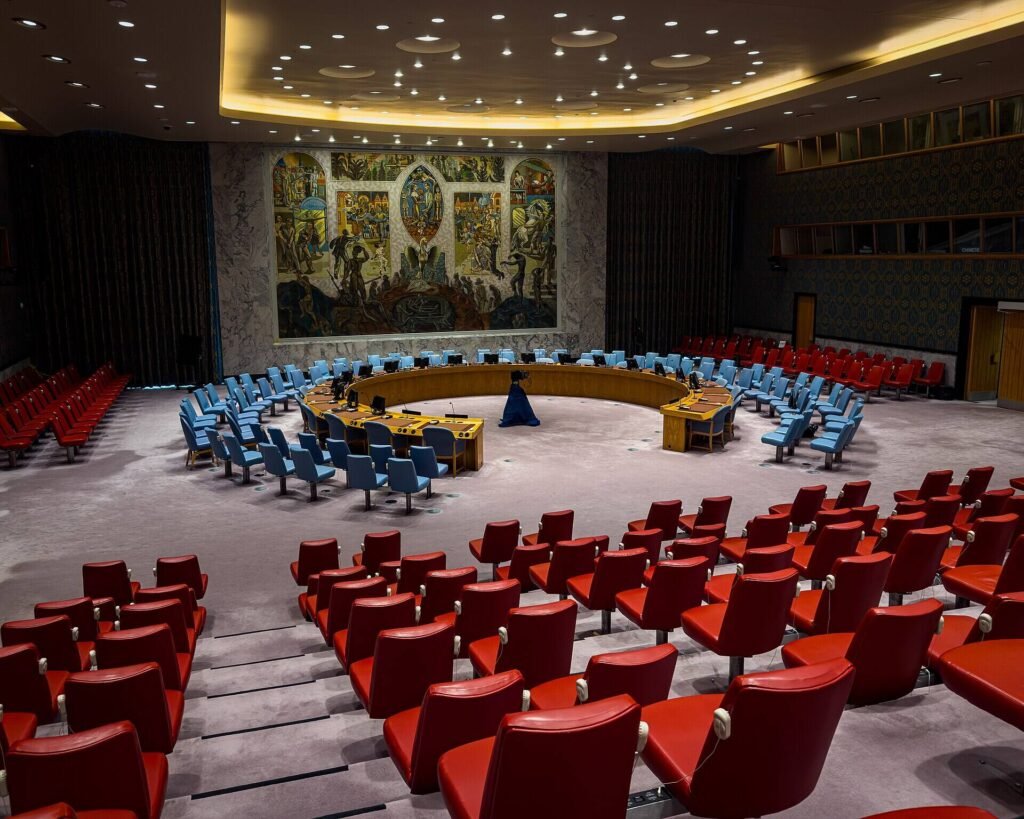
The United Nations Security Council is the organ of the United Nations with primary responsibility for maintaining international peace and security. It has 15 members, five of them permanent with veto power, and it is the only UN body whose decisions member states are obligated to carry out under the Charter. History of the Security
United Nations Security Council Read More »
The UN Security Council has 15 members, five with veto power, and holds primary responsibility for international peace and security.
Walter Joseph “Wally” Hickel (1919–2010) was an Alaska businessman and politician who served twice as governor of Alaska (1966–1969 and 1990–1994) and as U.S. Secretary of the Interior from 1969 to 1970. He built Anchorage’s Hotel Captain Cook and was governor when oil was discovered at Prudhoe Bay in 1968 [1]. Anchorage, where Hickel built
Walter J. Hickel Read More »
Walter J. Hickel was a two-term governor of Alaska and U.S. Secretary of the Interior from 1969 to 1970.
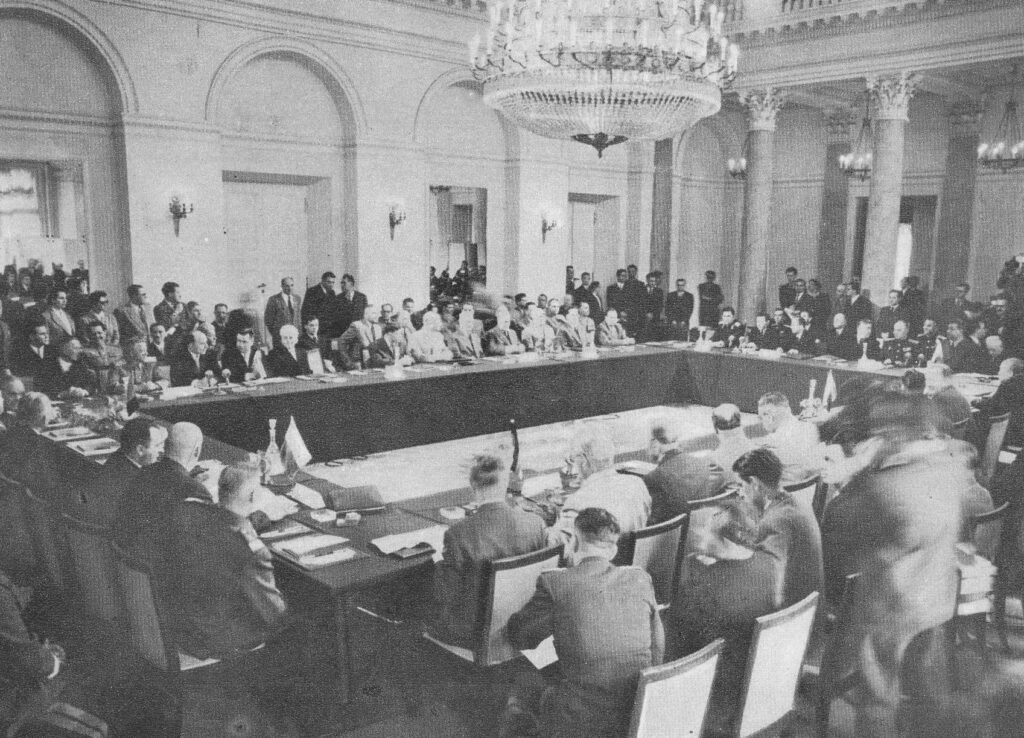
The Warsaw Pact, formally the Warsaw Treaty Organization, was a political and military alliance established on 14 May 1955 between the Soviet Union and several Eastern European countries. It was created as a counterweight to the North Atlantic Treaty Organization (NATO), and it was disbanded in 1991 near the end of the Cold War. History
Warsaw Pact Read More »
The Warsaw Pact was a Soviet-led military alliance of Eastern European states founded in 1955 as a counterweight to NATO and disbanded in 1991.