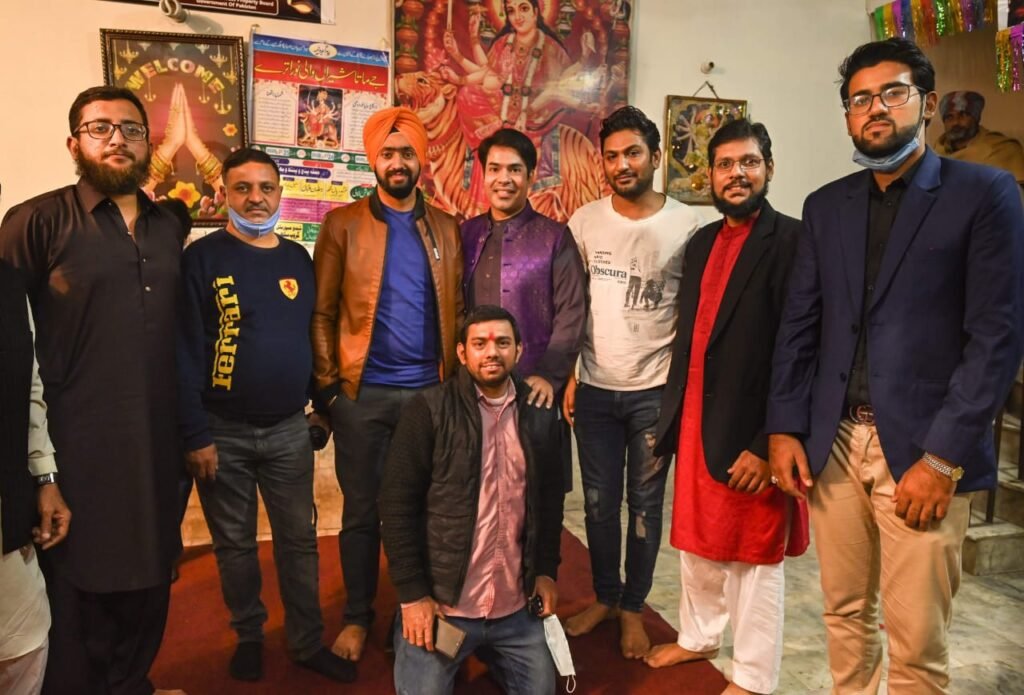
Overview Interfaith dialogue refers to structured conversation and cooperative engagement between adherents of different religious traditions, undertaken with the goal of building mutual understanding, respect, and often practical cooperation on shared concerns. It is explicitly distinguished from missionary activity, since its purpose is not to persuade participants to change their religious commitments. Historical Development While
Interfaith Dialogue Read More »
Interfaith dialogue is organized conversation and cooperation between people of different religious traditions aimed at mutual understanding and shared action.
Overview The Islamic Golden Age refers to a remarkable period of scientific, cultural, and economic flourishing across the Muslim world, generally dated from roughly the eighth through the thirteenth centuries, during which scholars working within Islamic civilization made substantial contributions across mathematics, medicine, astronomy, philosophy, and the arts. Centers of Learning Baghdad, capital of the
Islamic Golden Age Read More »
The Islamic Golden Age refers to a period of significant scientific, cultural, and economic flourishing across the Muslim world, roughly from the eighth through the thirteenth centuries.
Overview Jainism is an ancient religion originating in the Indian subcontinent that teaches liberation of the soul through strict ethical discipline, nonviolence, and the renunciation of material attachment. It is traditionally associated with a lineage of twenty-four enlightened teachers known as Tirthankaras, the most recent of whom, Mahavira, lived around the sixth century BCE. Core
Jainism Read More »
An ancient Indian religion emphasizing nonviolence, asceticism, and liberation of the soul through self-discipline and right conduct.
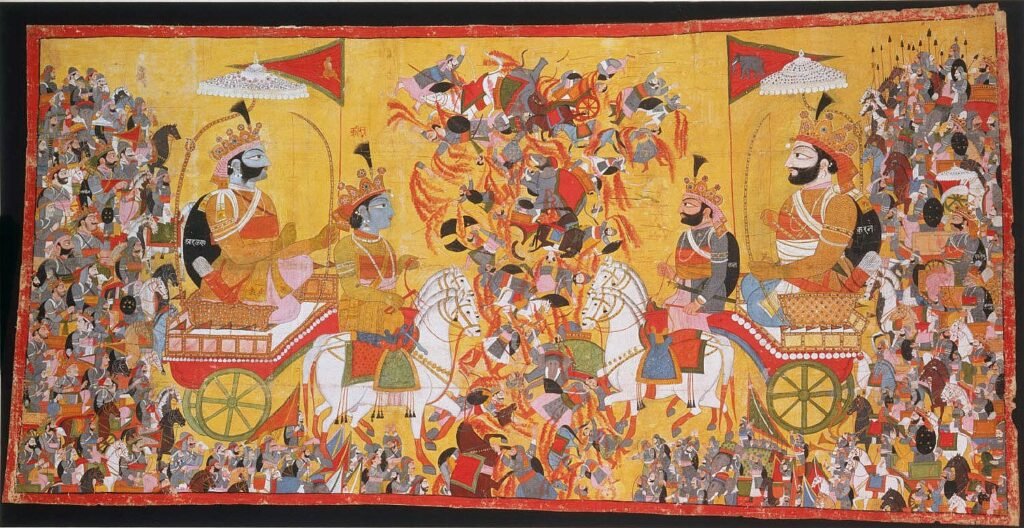
The Mahabharata is an ancient Sanskrit epic of India, traditionally credited to the sage Vyasa, that tells of the rivalry between two branches of a royal family, the Pandavas and the Kauravas, and of their war at Kurukshetra for the throne of Hastinapura. By the traditional count it has about 100,000 verses, which makes it
Mahabharata Read More »
The Mahabharata is an ancient Sanskrit epic of India about the rival Pandava and Kaurava families and the war at Kurukshetra.
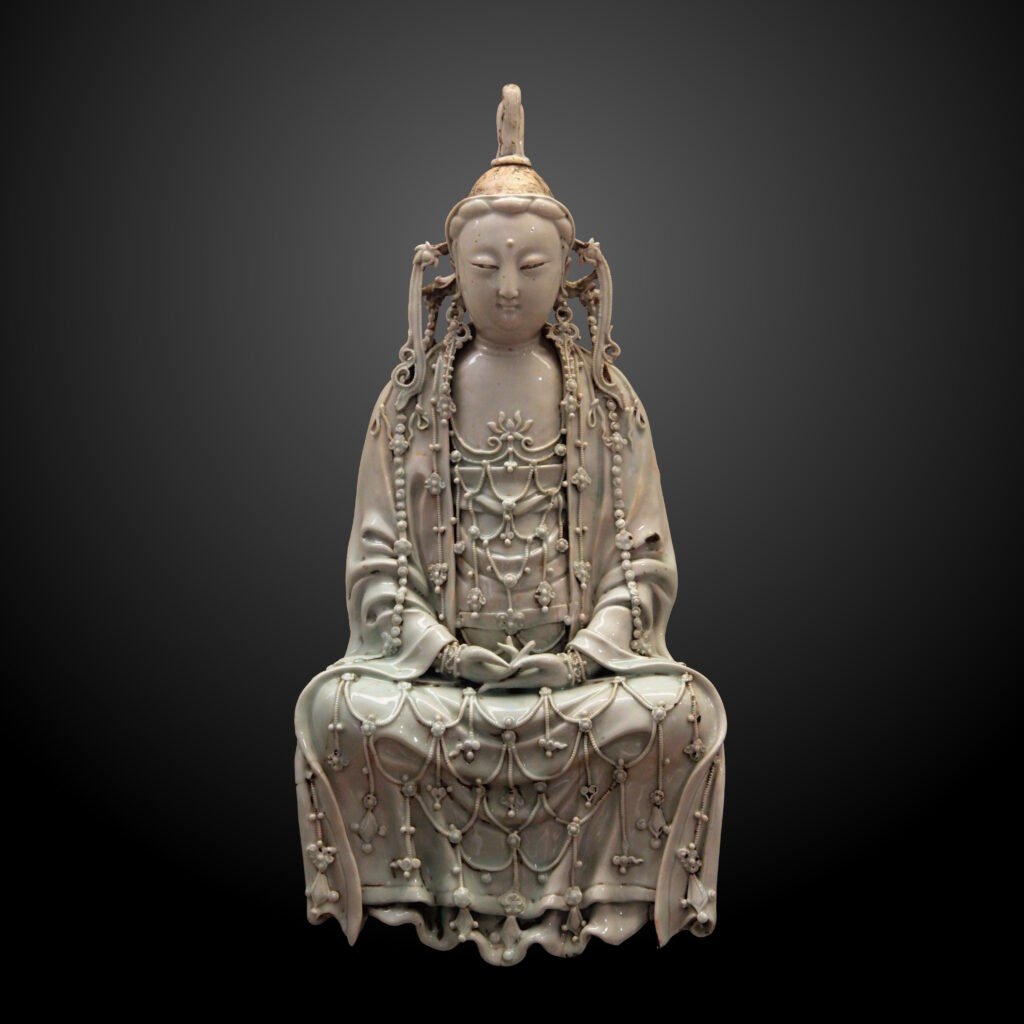
Overview Mahayana Buddhism is one of the two major branches of Buddhism, alongside Theravada, and became the dominant form of Buddhism across China, Japan, Korea, Vietnam, and Tibet. Its name, meaning Great Vehicle, reflects its self-understanding as a spacious path capable of carrying many beings toward liberation rather than a narrower path focused on individual
Mahayana Buddhism Read More »
A major branch of Buddhism emphasizing the path of the bodhisattva, who seeks enlightenment not only for themselves but to help liberate all sentient beings.
Overview A new religious movement is a religious or spiritual group whose origins can typically be traced to the modern period and which exists outside long-established mainstream traditions. Scholars adopted this term partly to replace the more popular but value-laden word cult, which tends to carry strongly negative connotations that can interfere with careful, neutral
New Religious Movement Read More »
A new religious movement is a religious or spiritual group with origins typically traceable to the modern period, existing outside established mainstream traditions.
Overview The Pali Canon, known in Pali as the Tipitaka or Three Baskets, is the complete body of scripture recognized as authoritative by the Theravada school of Buddhism. Preserved in the Pali language, a Middle Indo-Aryan tongue closely related to the dialects of the historical Buddha, the canon represents the oldest surviving comprehensive record of
Pali Canon Read More »
The Pali Canon, also called the Tipitaka, is the standard collection of scriptures preserved in the Theravada Buddhist tradition.
Overview The phenomenology of religion is a methodological approach within religious studies that aims to describe religious experience, symbol, and expression as they present themselves to believers, deliberately setting aside, or bracketing, questions about the objective truth or falsity of the beliefs being described. This approach prioritizes careful, empathetic description over causal or reductive explanation.
Phenomenology of Religion Read More »
The phenomenology of religion is an approach to religious studies that seeks to describe religious experience and expression as they appear to believers, before explanatory judgment.
Overview The Protestant Reformation was a transformative sixteenth century religious movement that challenged the authority and certain doctrines of the Roman Catholic Church, ultimately producing lasting institutional divisions within Western Christianity that persist to the present day. It is conventionally dated from the actions of Martin Luther in 1517. Luther Challenge Martin Luther, an Augustinian
Protestant Reformation Read More »
The Protestant Reformation was a sixteenth century religious movement that challenged the authority of the Roman Catholic Church and produced lasting divisions within Western Christianity.
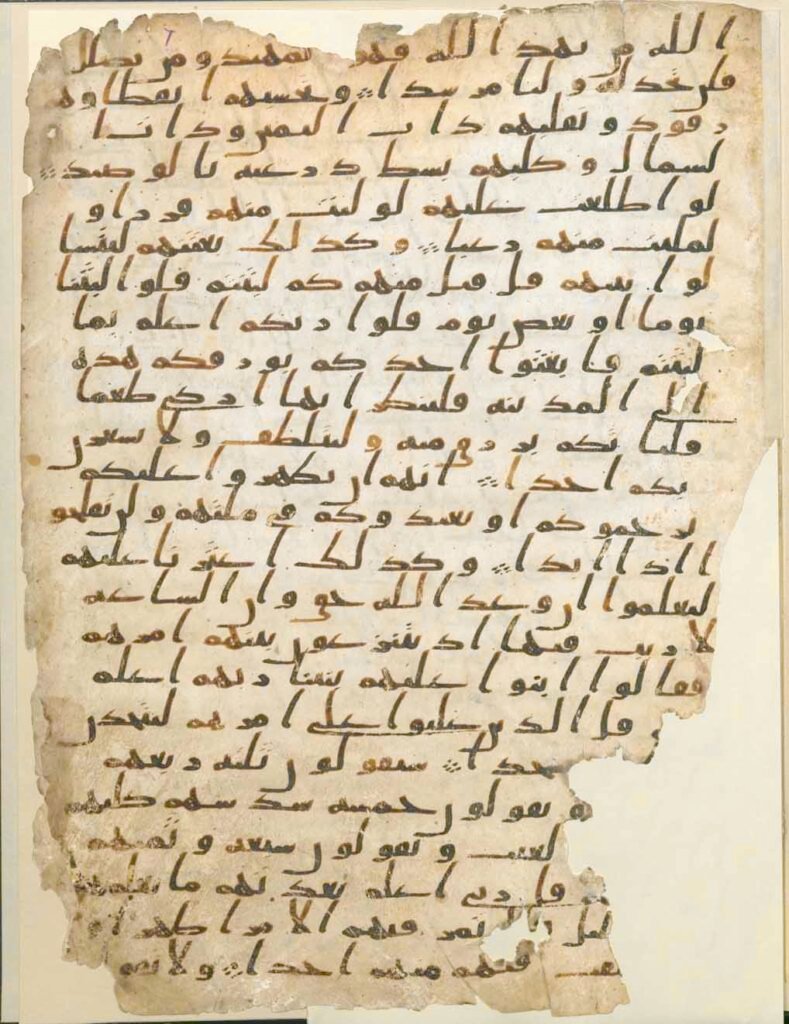
Overview The Quran is the central religious text of Islam, believed by Muslims to be the literal and unaltered word of God revealed to the Prophet Muhammad through the angel Gabriel over a period of approximately twenty-three years. Composed in Arabic and organized into 114 chapters, known as surahs, the Quran holds a place of
Quran Read More »
The central religious text of Islam, believed by Muslims to be the literal word of God revealed to the Prophet Muhammad over approximately twenty-three years.