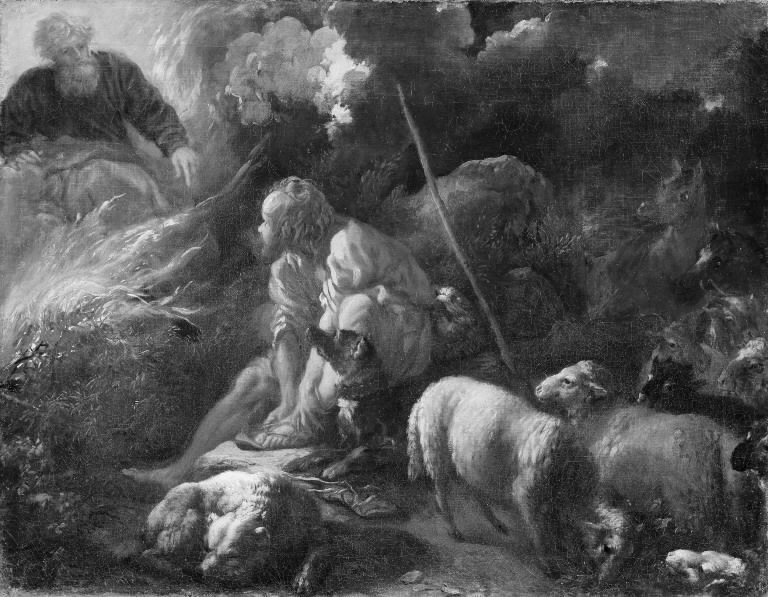
Overview Divine revelation refers to the disclosure of divine truth or will to humanity, understood within most religious traditions as knowledge that could not be obtained through ordinary human discovery alone. Traditions describe revelation as occurring through various channels, including sacred texts, prophetic figures, visionary experience, or direct encounter with the divine. General and Special
Divine Revelation Read More »
The disclosure of divine truth or will to humanity, often understood as occurring through sacred texts, prophets, religious experience, or the natural world.
Overview Doctrine refers to a formally established teaching or body of beliefs that a religious community holds as authoritative and expects its members to accept. Unlike more open theological speculation, doctrine typically carries an official or binding status, shaping how a community understands scripture, defines orthodoxy, and distinguishes itself from other traditions or internal movements.
Doctrine Read More »
A formally established teaching or set of beliefs held and taught by a religious community as authoritative.
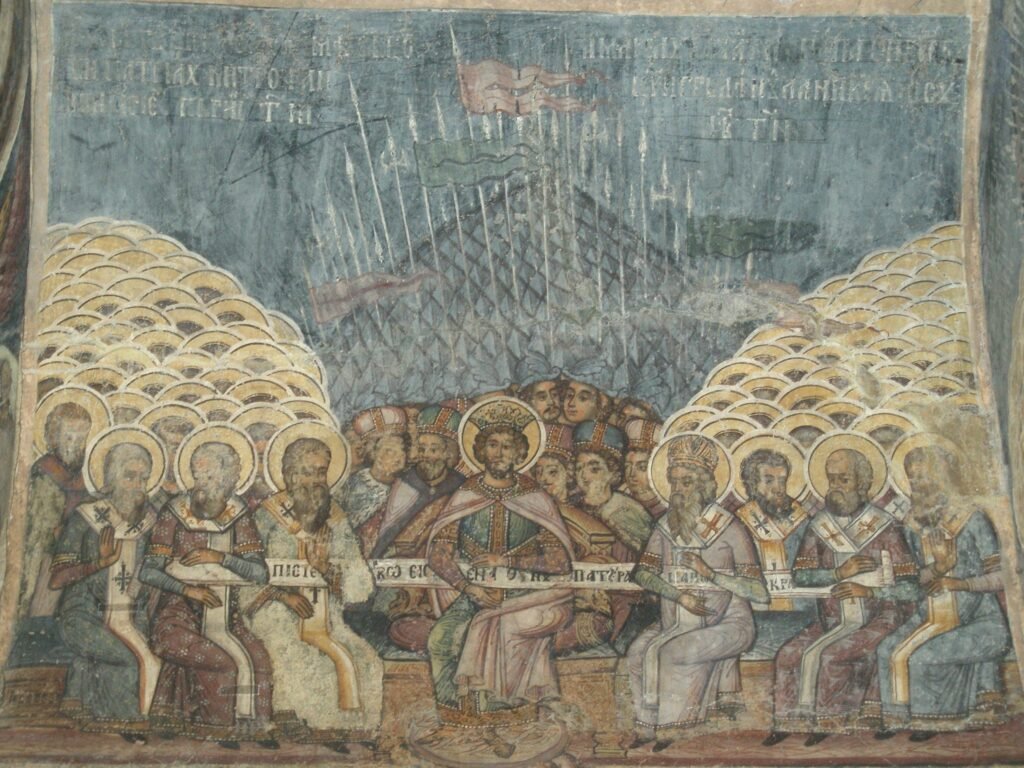
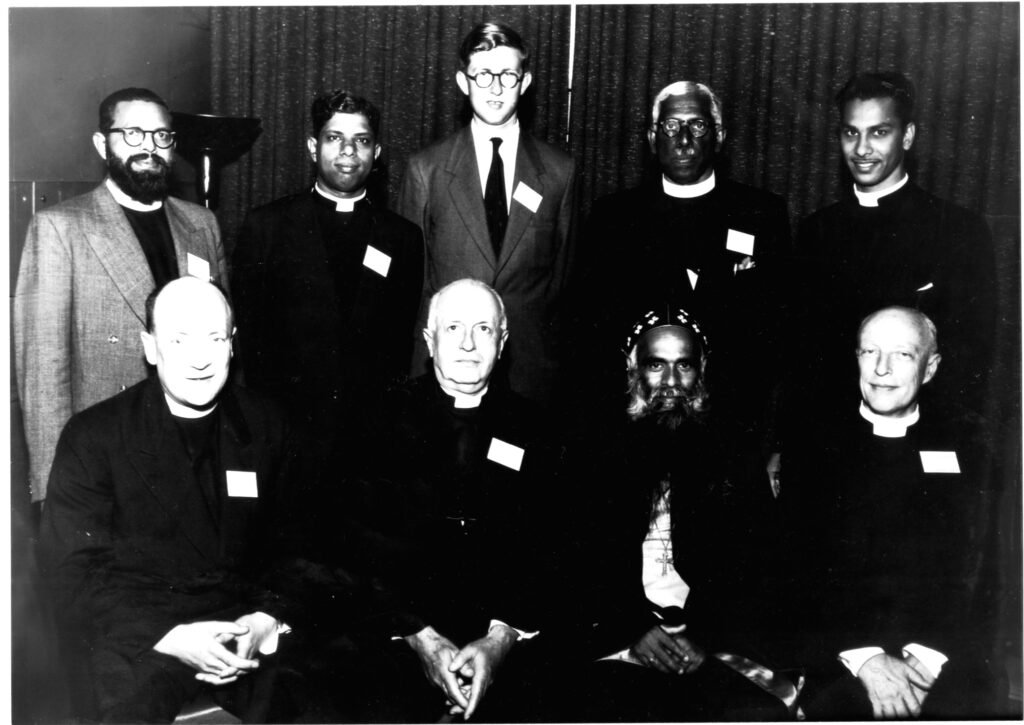
Overview Ecumenism is the movement within Christianity dedicated to fostering greater unity, mutual understanding, and practical cooperation among the many denominations into which the Christian church has historically divided. It addresses divisions dating back to ancient schisms as well as the sixteenth century Reformation, which produced numerous distinct Protestant traditions alongside the Roman Catholic and
Ecumenism Read More »
Ecumenism is the movement within Christianity aimed at promoting unity and cooperation among different Christian denominations.
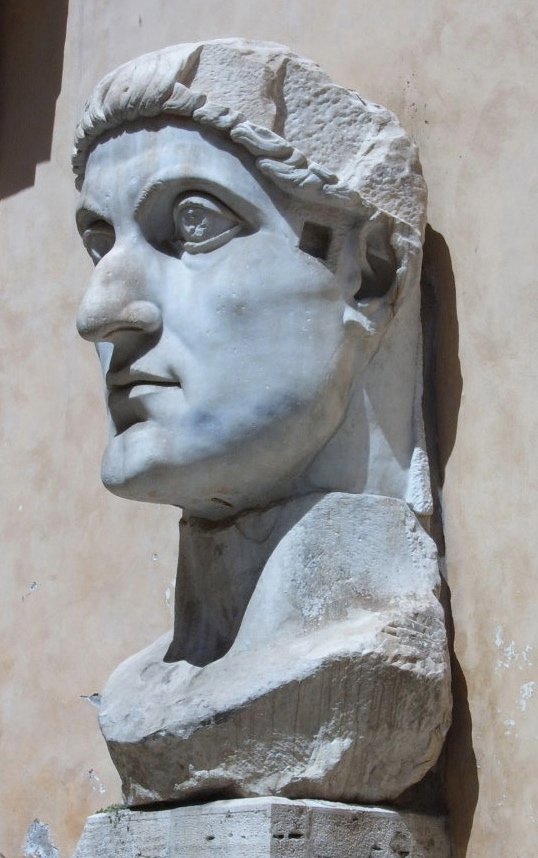
Overview The Edict of Milan was a landmark proclamation issued jointly by Roman emperors Constantine and Licinius in 313 CE, establishing religious toleration for Christianity and other religions throughout the Roman Empire and marking a decisive turning point in the status of the Christian faith within Roman society and governance. Historical Context The edict followed
Edict of Milan Read More »
The Edict of Milan was a 313 CE proclamation by Roman emperors Constantine and Licinius establishing religious toleration for Christianity throughout the Roman Empire.
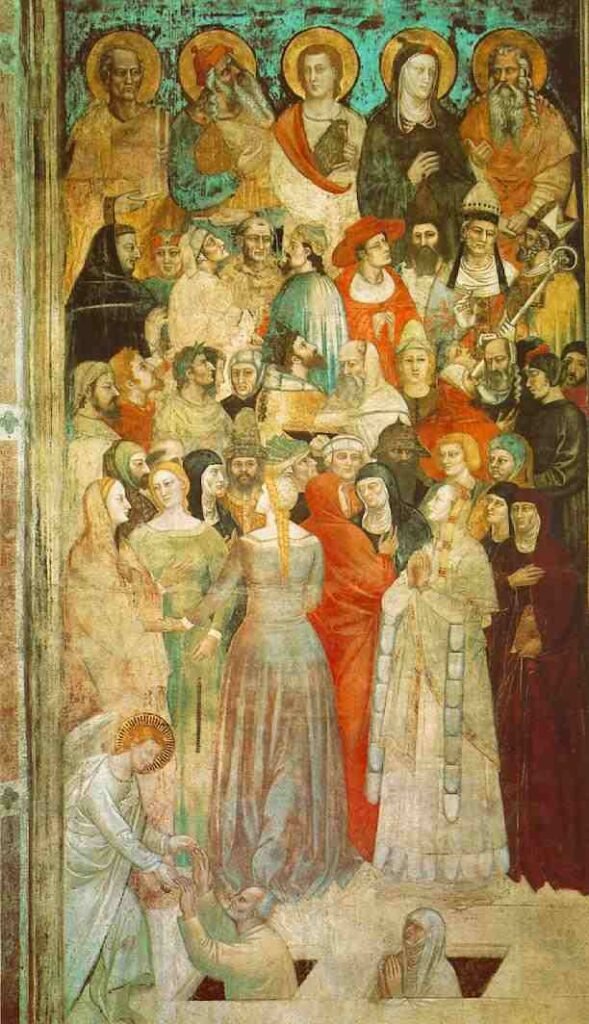
Overview Eschatology is the branch of theology concerned with final events, including death, judgment, the afterlife, and the ultimate destiny of both individuals and the world as a whole. Nearly every major religious tradition addresses these questions in some form, though the specific content and emphasis vary considerably from one tradition to another. Individual and
Eschatology Read More »
The branch of theology concerned with final events, including death, judgment, the afterlife, and the ultimate destiny of humanity and the world.
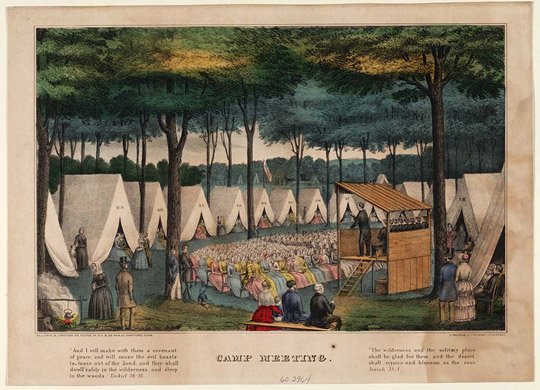
Overview The Great Awakening refers to a series of intense Protestant religious revivals that swept through the American colonies and parts of Britain beginning in the 1730s, dramatically reshaping religious life and emphasizing personal, emotionally engaged conversion experience over inherited or merely formal religious affiliation. Key Figures Itinerant preachers such as George Whitefield traveled extensively,
Great Awakening Read More »
The Great Awakening refers to a series of Protestant religious revivals that swept through the American colonies and Britain during the eighteenth and nineteenth centuries.
Overview The Great Schism, also called the East-West Schism, refers to the formal division between the Eastern Orthodox and Roman Catholic churches, conventionally dated to 1054, which split Christianity into its two major historical branches and whose effects persist within global Christianity to the present day. Underlying Causes Long-developing theological, liturgical, and political differences preceded
Great Schism Read More »
The Great Schism refers to the 1054 split between the Eastern Orthodox and Roman Catholic churches, dividing Christianity into two major branches.
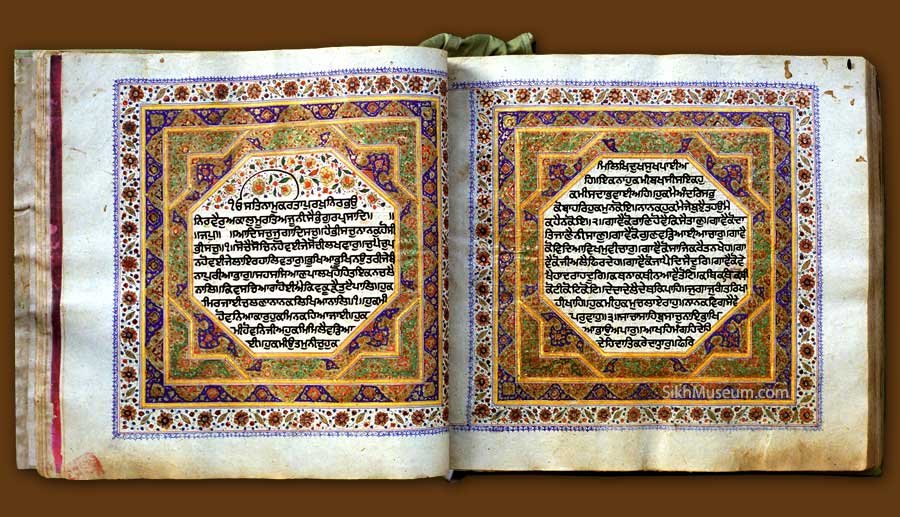
Overview The Guru Granth Sahib is the primary scripture of Sikhism and occupies a unique position among world religious texts: it is treated not merely as a book of teaching but as the living embodiment of spiritual authority, succeeding the line of human Gurus. Sikhs approach it with the same reverence given to a living
Guru Granth Sahib Read More »
The Guru Granth Sahib is the central scripture of Sikhism, revered as the eternal living Guru of the Sikh faith.
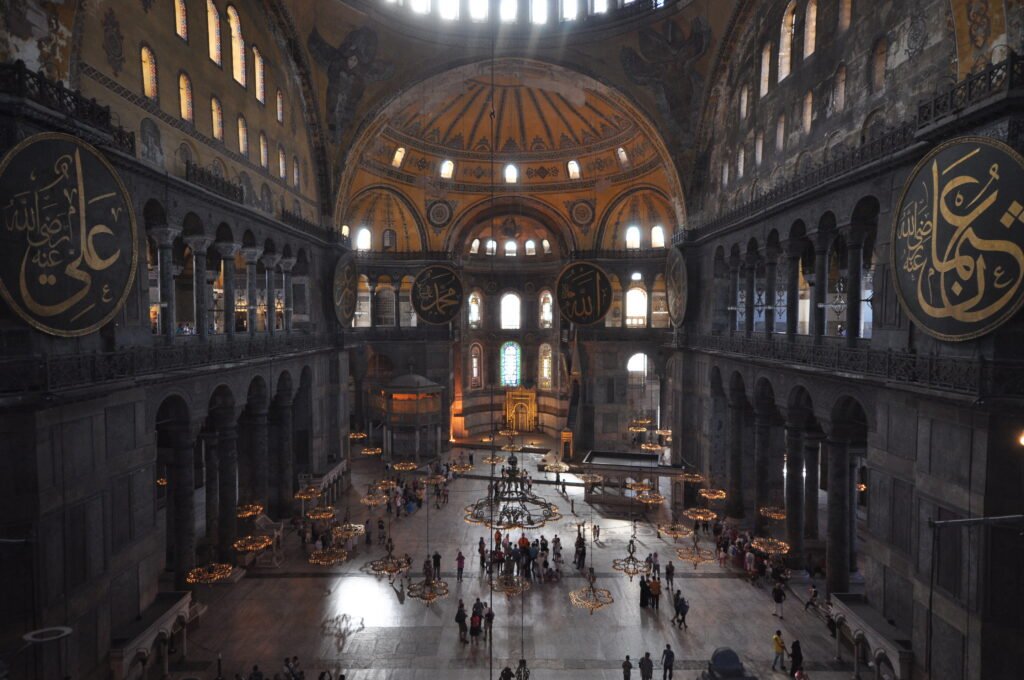
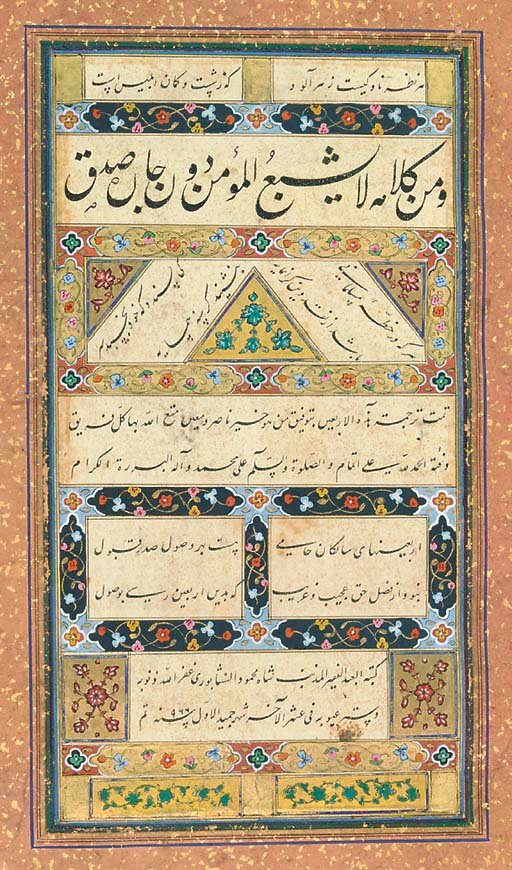
Overview Hadith are reports recording the sayings, actions, and tacit approvals attributed to the Prophet Muhammad, serving alongside the Quran as a primary source for Islamic belief, law, and practice. Together these reports form the basis for understanding the Sunnah, the exemplary way of life demonstrated by the Prophet. Transmission Each hadith traditionally carries an
Hadith Read More »
Hadith are the recorded sayings, actions, and approvals of the Prophet Muhammad, forming a major source of Islamic teaching alongside the Quran.
Overview The Inquisition refers to several distinct institutions established by the Catholic Church across different periods and regions to investigate and address perceived heresy, employing formal interrogation and trial procedures that varied considerably in severity and scope depending on the specific historical and political context involved. Medieval Origins The medieval Inquisition emerged in the thirteenth
Inquisition Read More »
The Inquisition refers to several institutions established by the Catholic Church to investigate and address perceived heresy, most notably in medieval and early modern Europe.