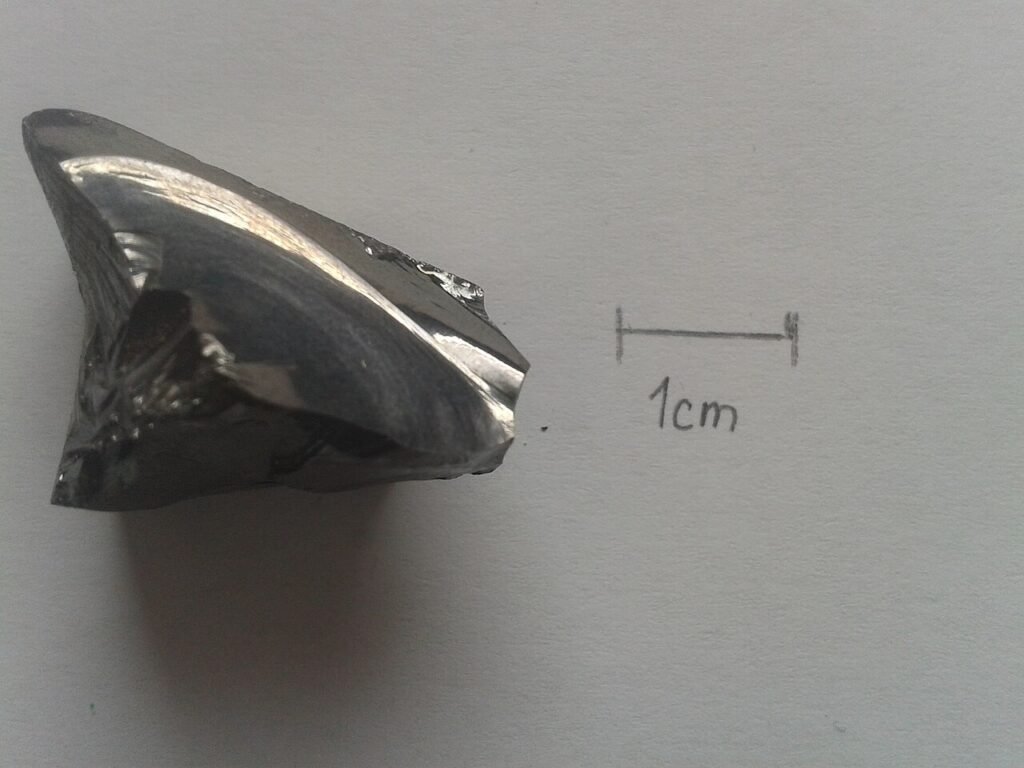
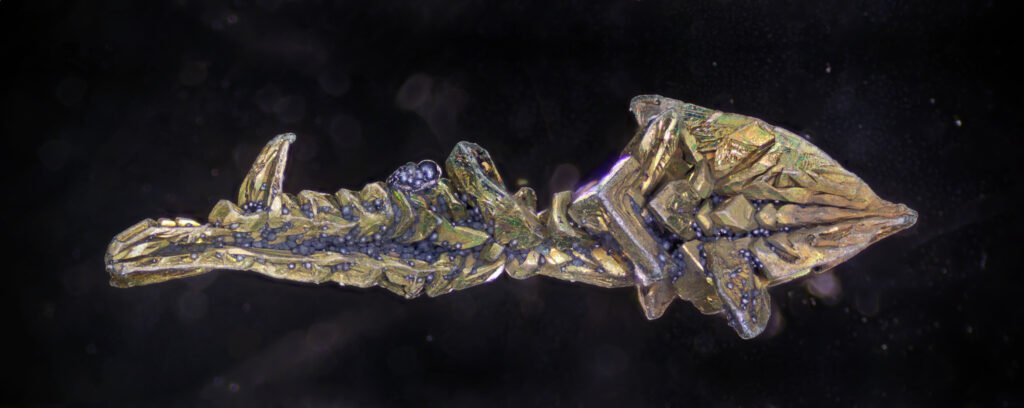
Selenium is the chemical element with atomic number 34 and the symbol Se. It sits in group 16 of the periodic table, below sulfur, and it exists as a silvery gray solid and as a red powder. The Royal Society of Chemistry calls it a semi-metal, while PubChem classifies it as a nonmetal. Selenium is
Selenium Read More »
A solid element with atomic number 34, used in glass and light-sensitive electronics and needed in tiny amounts by humans.
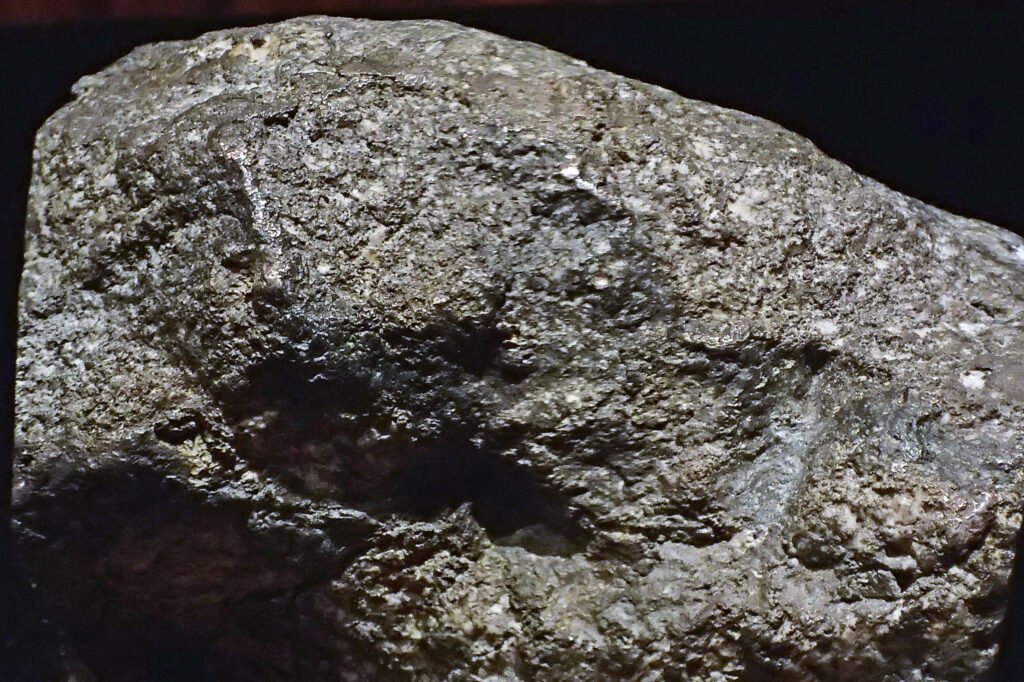
Silicon is the chemical element with atomic number 14 and the symbol Si. It is a hard, brittle metalloid in group 14 of the periodic table, and it is the second most abundant element in the Earth’s crust after oxygen. Pure silicon is the basis of modern electronics, and compounds of silicon make up most
Silicon Read More »
A hard, brittle metalloid with atomic number 14 that is a semiconductor and the second most abundant element in the Earth's crust.
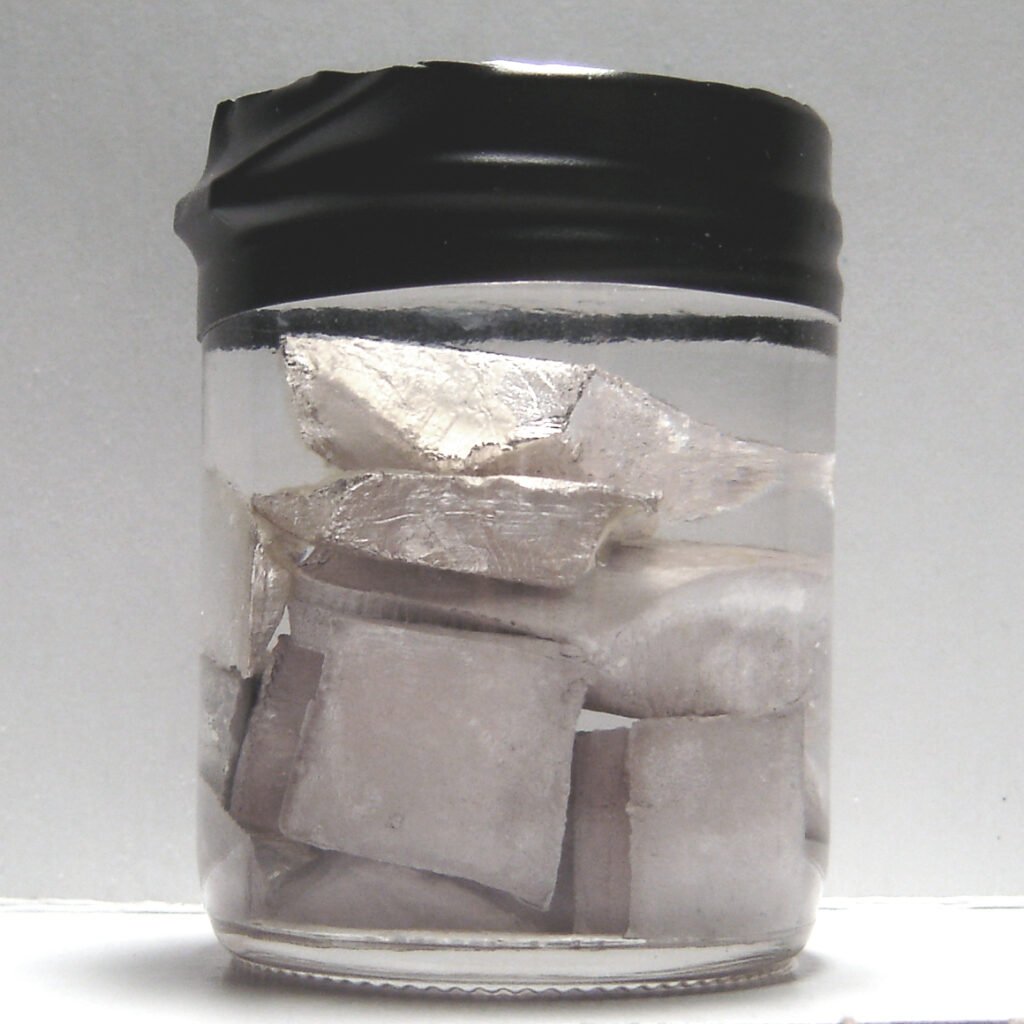
Silver is the chemical element with atomic number 47 and the symbol Ag. It is a soft, shiny transition metal in group 11 of the periodic table that people have mined since ancient times. Silver is the best reflector of visible light known, and it is used in jewelry, mirrors, electrical contacts, solder and photography.
Silver Read More »
A soft, shiny transition metal with atomic number 47 that has been mined since ancient times and is the best reflector of visible light.
Sodium is the chemical element with atomic number 11 and the symbol Na. It is a soft, silvery alkali metal in group 1 of the periodic table that reacts vigorously with water and tarnishes within seconds in air. The metal itself has limited uses, but its compounds, above all common salt, are among the most
Sodium Read More »
A soft, silvery alkali metal with atomic number 11 that reacts vigorously with water and is best known as part of common salt.
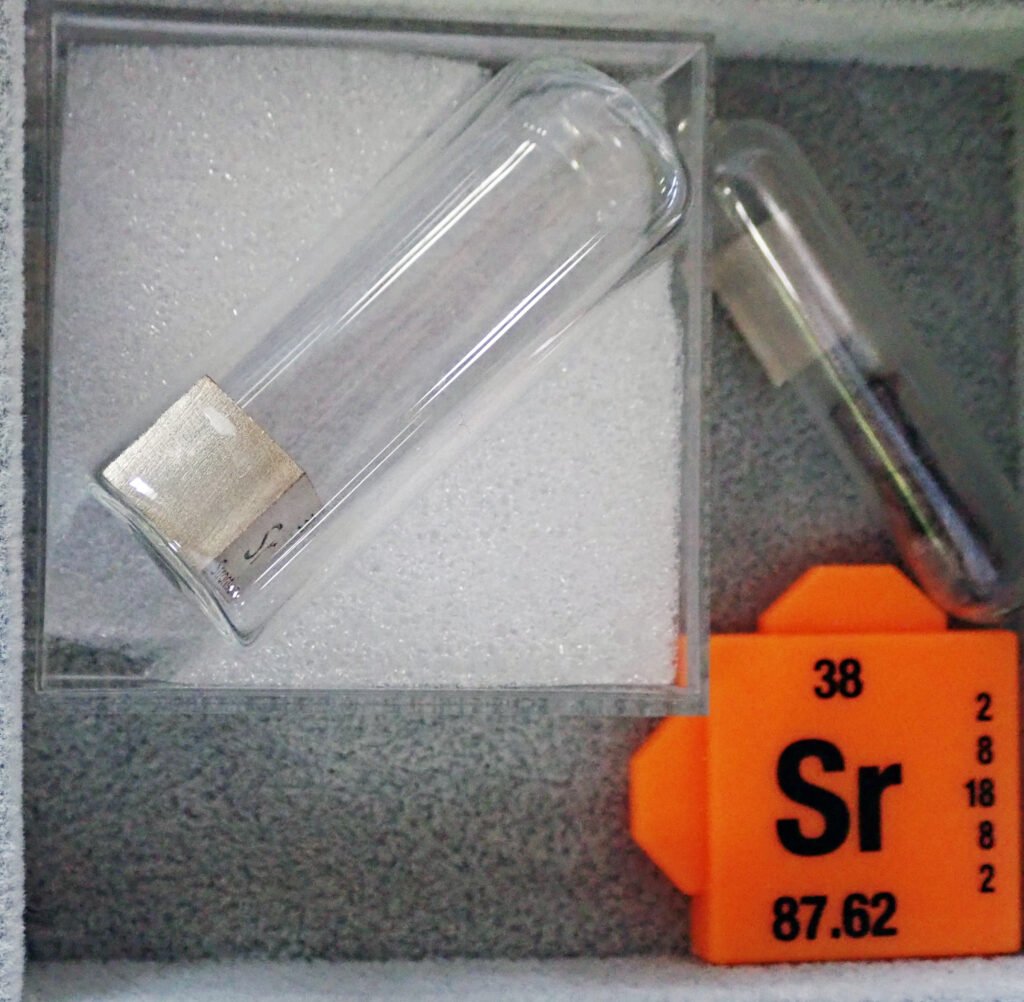
Strontium is the chemical element with atomic number 38 and the symbol Sr. It is a soft, silvery alkaline earth metal in group 2 of the periodic table that burns in air and reacts with water. Strontium salts give fireworks and flares their brilliant red color, and one of its radioactive isotopes is a well-known
Strontium Read More »
A soft, silvery alkaline earth metal with atomic number 38 whose salts color fireworks red and whose isotope strontium-90 is radioactive.
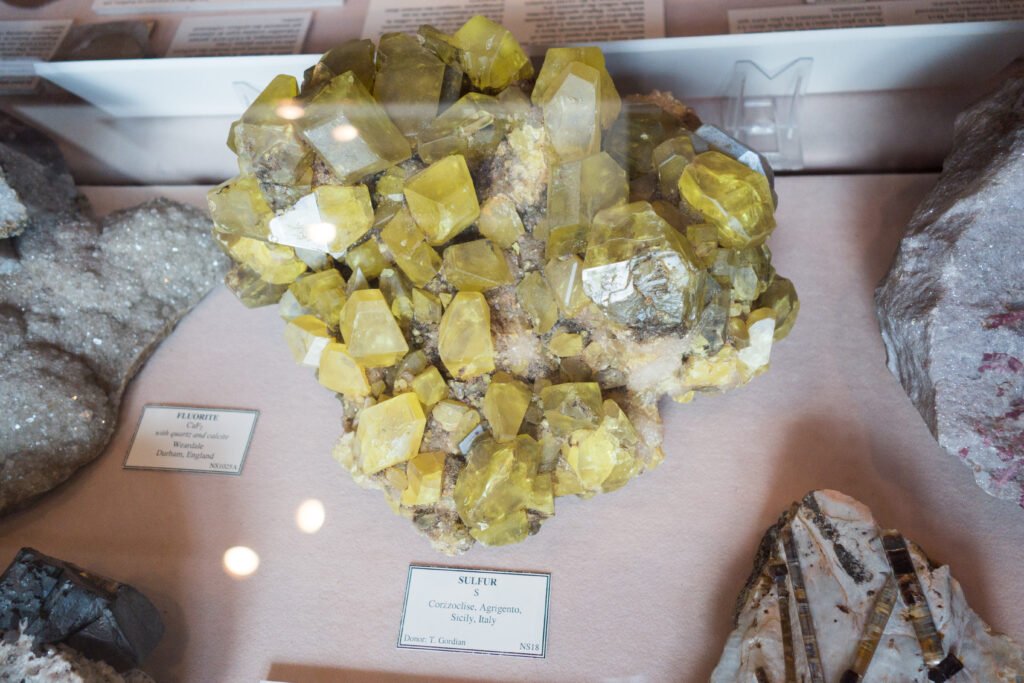
Sulfur is the chemical element with atomic number 16 and the symbol S. It is a bright yellow, brittle nonmetal in group 16 of the periodic table, found as crystals or powder at room temperature. Sulfur has been known since ancient times, and today most of it is used to make sulfuric acid. History of
Sulfur Read More »
A bright yellow nonmetal with atomic number 16 that is used mainly to make sulfuric acid and is essential to all living things.
Tin is the chemical element with atomic number 50 and the symbol Sn. It is a soft, pliable post-transition metal in group 14 of the periodic table. Tin has been important since ancient times because, when alloyed with copper, it makes bronze, and today it coats steel food cans and forms the basis of many
Tin Read More »
A soft, pliable post-transition metal with atomic number 50 that is alloyed with copper to make bronze and used to coat steel cans.
Titanium is the chemical element with atomic number 22 and the symbol Ti. It is a hard, shiny, silvery transition metal in group 4 of the periodic table that is as strong as steel but much less dense. Titanium resists corrosion extremely well, which is why it appears in aircraft, ships and medical implants. History
Titanium Read More »
A strong, light, corrosion-resistant transition metal with atomic number 22 used in aircraft, implants and white pigment.
Tungsten is the chemical element with atomic number 74 and the symbol W. It is a shiny, silvery-white metal with the highest melting point of all metals, at about 3422 degrees Celsius. Tungsten and its alloys are used in high-temperature equipment, and tungsten carbide is a leading material for cutting and drilling tools. History of
Tungsten Read More »
A hard, silvery-white metal with atomic number 74 and the highest melting point of any metal, used in alloys and cutting tools.
Vanadium is the chemical element with atomic number 23 and the symbol V. It is a hard, silvery transition metal in group 5 of the periodic table that resists corrosion. About four-fifths of the vanadium produced goes into steel, where small amounts make it much tougher. History of vanadium Vanadium was discovered twice. The first
Vanadium Read More »
A hard, silvery transition metal with atomic number 23 used mainly as a steel additive and in flow batteries.