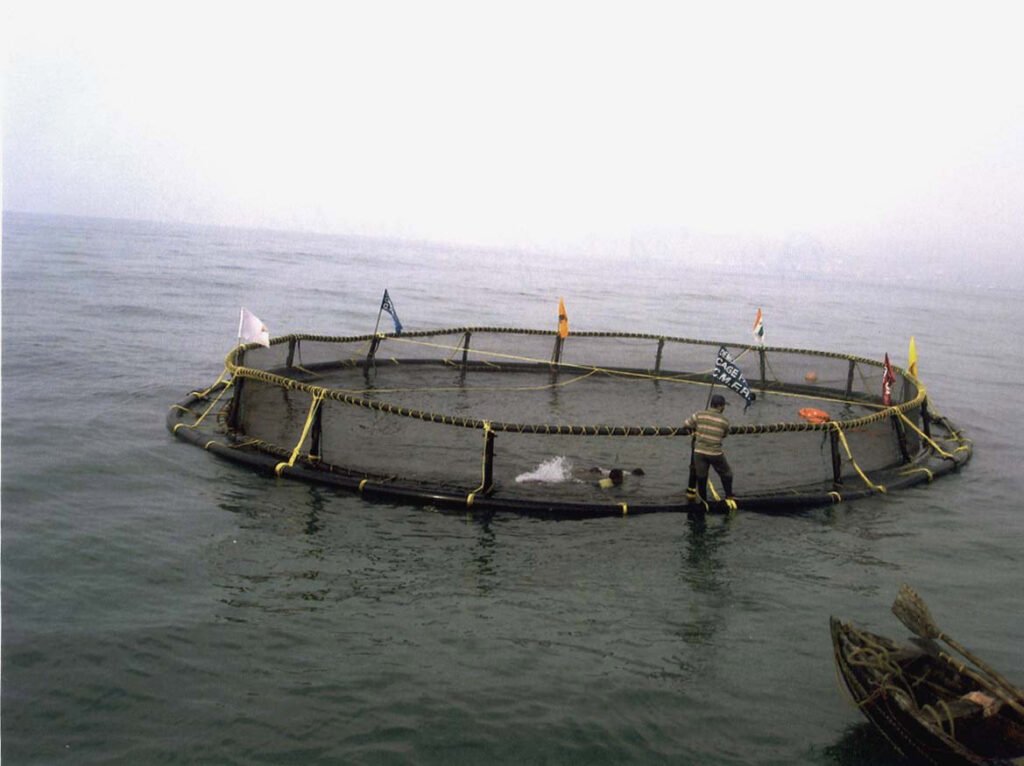
Aquaculture is the farming of fish, shellfish, and aquatic plants under controlled conditions, as distinct from capture fisheries, which harvest wild populations from oceans, rivers, and lakes. It ranges from small freshwater fish ponds and coastal shrimp farms to large offshore cages holding hundreds of thousands of salmon, and it has grown from a relatively
Aquaculture Read More »
The farming of fish, shellfish and aquatic plants, which in 2022 overtook wild-catch fisheries as the main source of aquatic animal production.
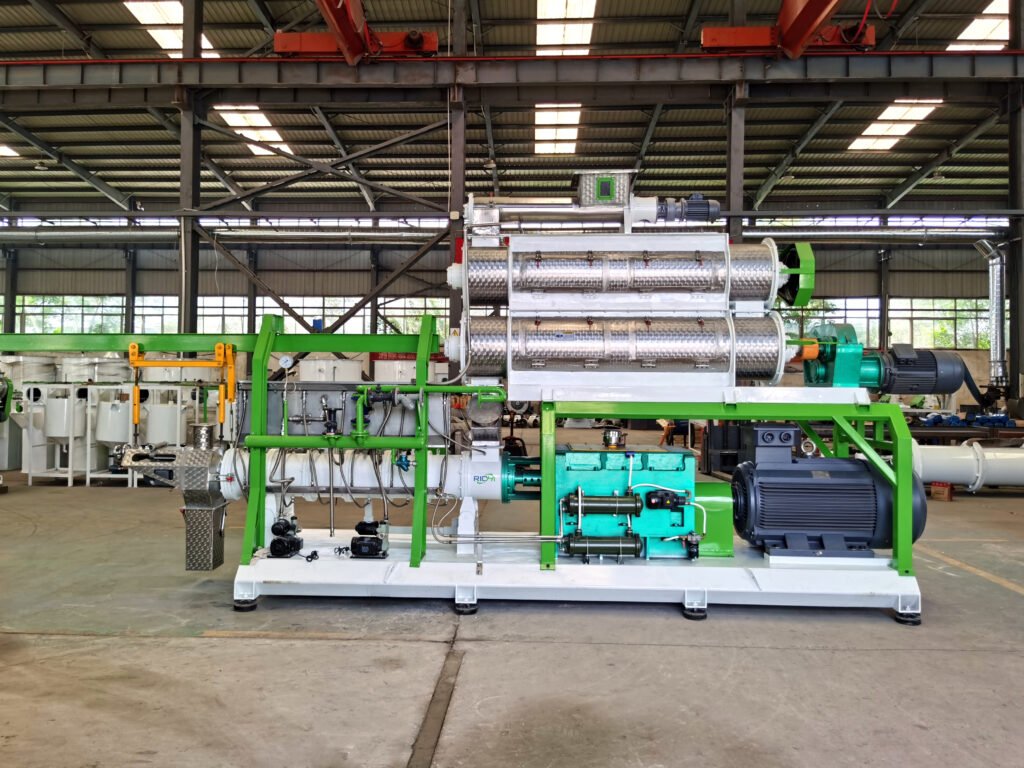
Aquaculture feed is manufactured nutrition formulated specifically for farmed fish, shrimp, and other aquatic animals, designed to supply the protein, fat, vitamins, and minerals each species needs at different life stages. Feed typically represents the largest single operating cost in most fish and shrimp farming, making its formulation and efficiency a central concern across the
Aquaculture Feed Read More »
Manufactured nutrition formulated for farmed fish, shrimp, and other aquatic animals.
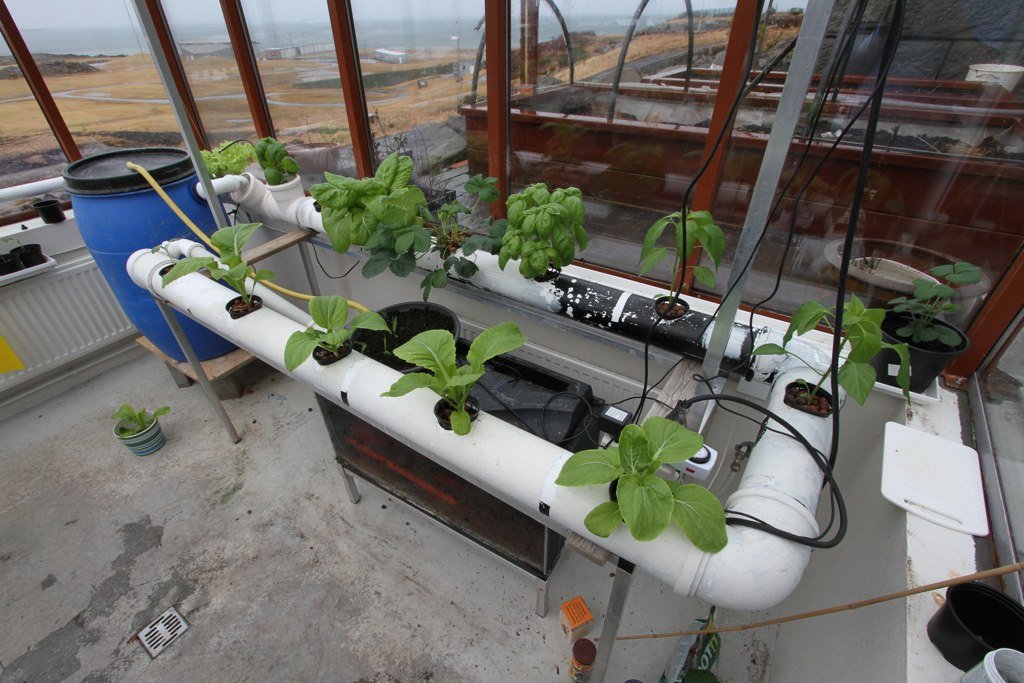
Aquaponics is a food production method that combines fish farming with hydroponic plant cultivation in a single integrated system, where fish waste provides nutrients for plants and the plants help filter and clean the water that returns to the fish. This closed-loop design allows both fish and vegetables to be produced together using substantially less
Aquaponics Read More »
A food production method combining fish farming and plant growing in one integrated, water-recycling system.
In simple terms An aquifer is a layer of rock, sand or gravel below the ground that is saturated with water and can give that water up to wells and springs. It is not an underground lake. The water sits in the spaces between grains and in the cracks running through rock, much as water
Aquifer Read More »
An aquifer is an underground layer of rock or sediment saturated with water that can be drawn out through wells and springs.
An architectural style is a recognizable set of forms, materials, proportions, and construction habits that recur across buildings from a given period, region, or design philosophy, letting a viewer place a structure in time and tradition almost the way a linguist places a dialect. Styles are rarely invented by a single architect working alone. They
Architectural Style Read More »
A recognizable set of forms, materials, and construction habits shared by buildings from a given period, region, or design philosophy.
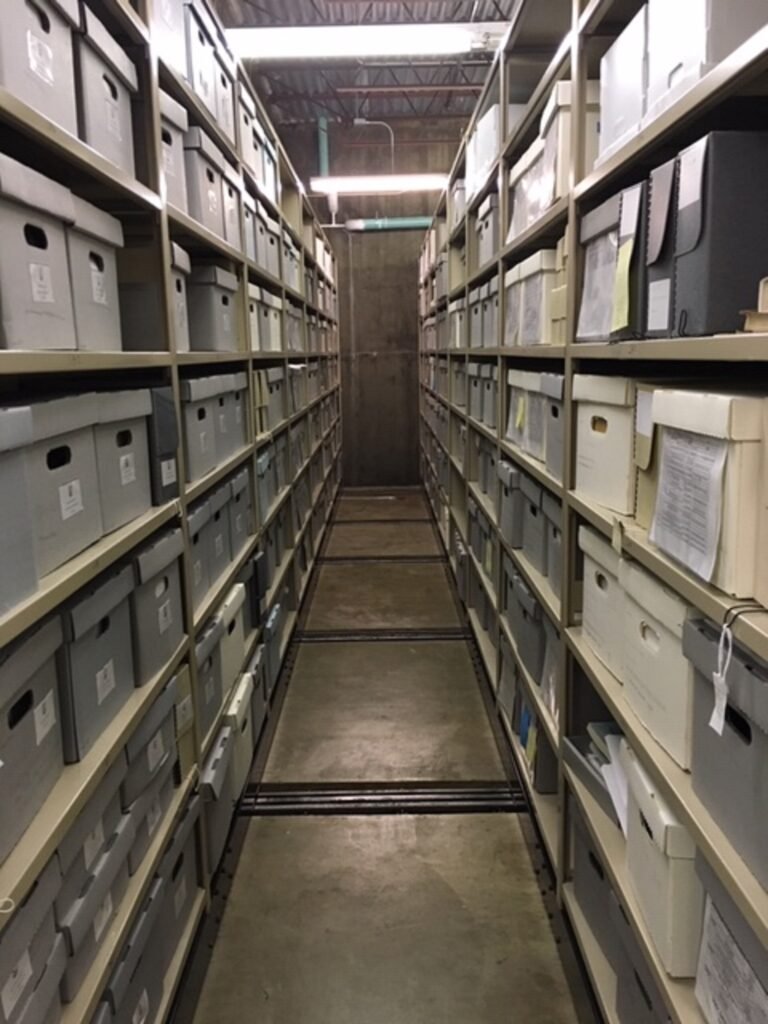
Deciding What to Keep Forever Archival appraisal is the process of evaluating records to determine which deserve permanent preservation and which can eventually be destroyed, a task that directly shapes the historical record available to future researchers. Because no institution can realistically preserve everything indefinitely, appraisal decisions carry significant and lasting consequences. Criteria for Appraisal
Archival Appraisal Read More »
The process of evaluating records to determine which have enduring value and should be preserved permanently in an archive.
Turning Raw Records Into a Usable Collection Archival arrangement and description together make up the core processing work that transforms a newly received, often disorganized accession of records into an organized collection that researchers can actually use. Arrangement establishes structure, while description explains that structure and its contents to anyone who was not present when
Archival Arrangement and Description Read More »
The combined archival processes of organizing records into a logical structure and creating documentation that explains their content and context.
Keeping Records Together by Origin Archival provenance is the principle that records originating from a single creator, whether an individual, family, or organization, should be maintained as a distinct group rather than being broken apart and reorganized by subject matter. This foundational idea, sometimes called respect des fonds after its French origins, shapes how archives
Archival Provenance Read More »
The principle that records should be kept together according to the person, family, or organization that created them, preserving the context of their origin.
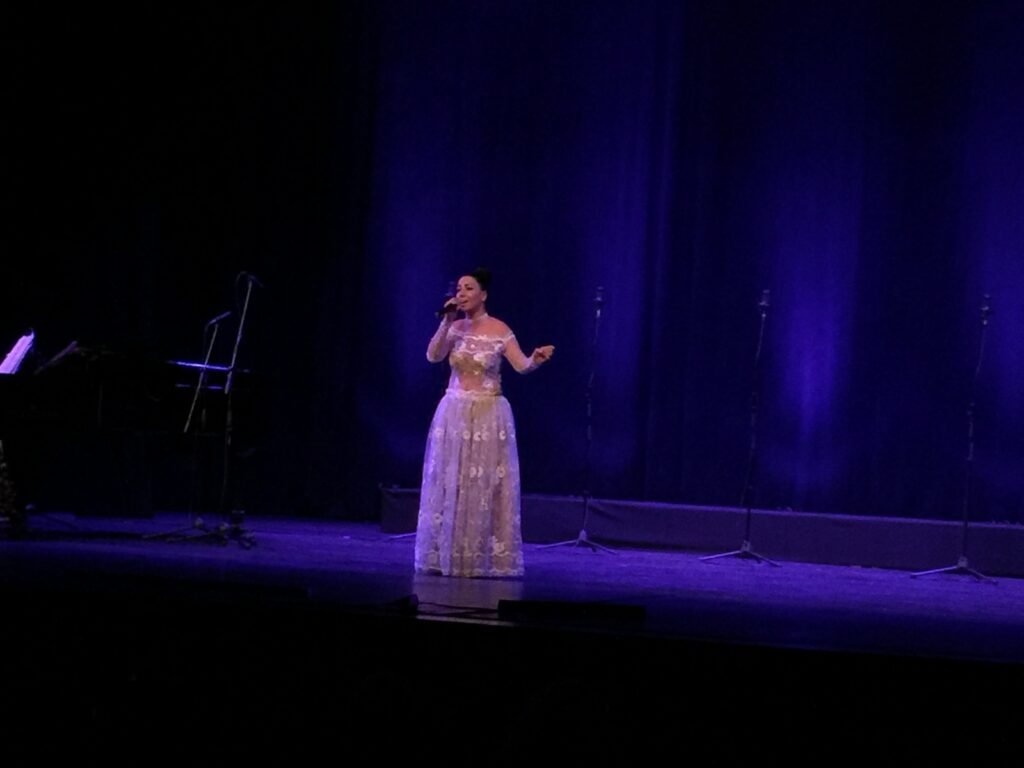
An aria is a self-contained vocal solo within a larger work, typically an opera, cantata, or oratorio, that showcases a single singer’s voice and emotional expression, usually set apart from the surrounding sung dialogue by a distinct melodic and rhythmic character. Arias give performers room to display vocal technique and dramatic feeling in a way
Aria Read More »
A self-contained vocal solo within an opera, cantata, or oratorio that showcases a singer's voice and emotion.
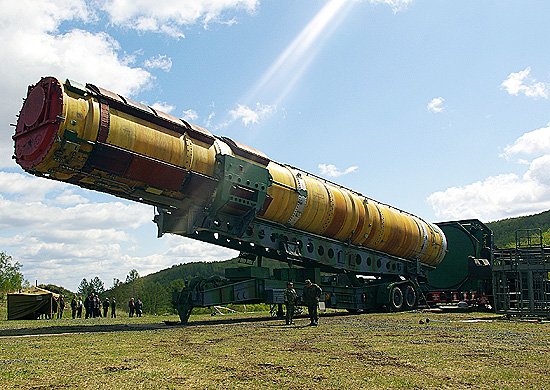
Arms control is the use of diplomacy and formal international agreements to limit, reduce, or regulate weapons, ranging from small arms and conventional military equipment to nuclear, chemical, and biological weapons of mass destruction. Unlike full disarmament, which aims to eliminate a weapons category entirely, most arms control agreements accept that certain weapons will continue
Arms Control Read More »
The use of diplomacy and treaties to limit, reduce, or regulate weapons, including weapons of mass destruction.