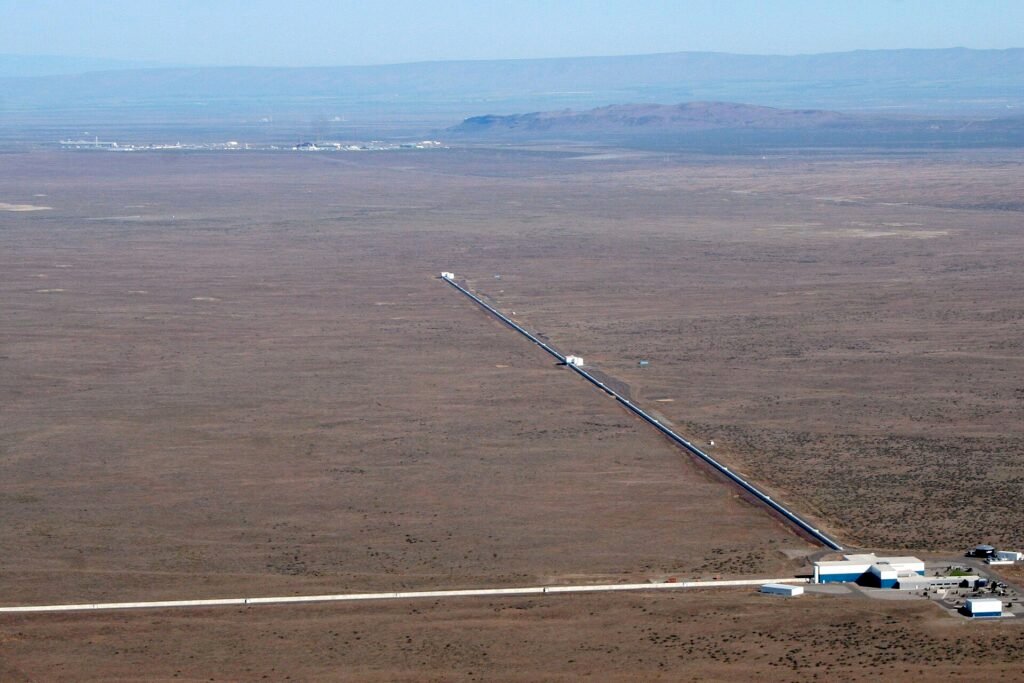
The discovery of gravitational waves was the first direct detection of ripples in spacetime, made by the twin LIGO detectors in the United States on 14 September 2015 and announced on 11 February 2016. The signal, named GW150914, came from the merger of two black holes more than a billion light years from Earth, and
Discovery of gravitational waves Read More »
Gravitational waves were first detected directly by LIGO on 14 September 2015, from two black holes that merged about 1.3 billion light years away.
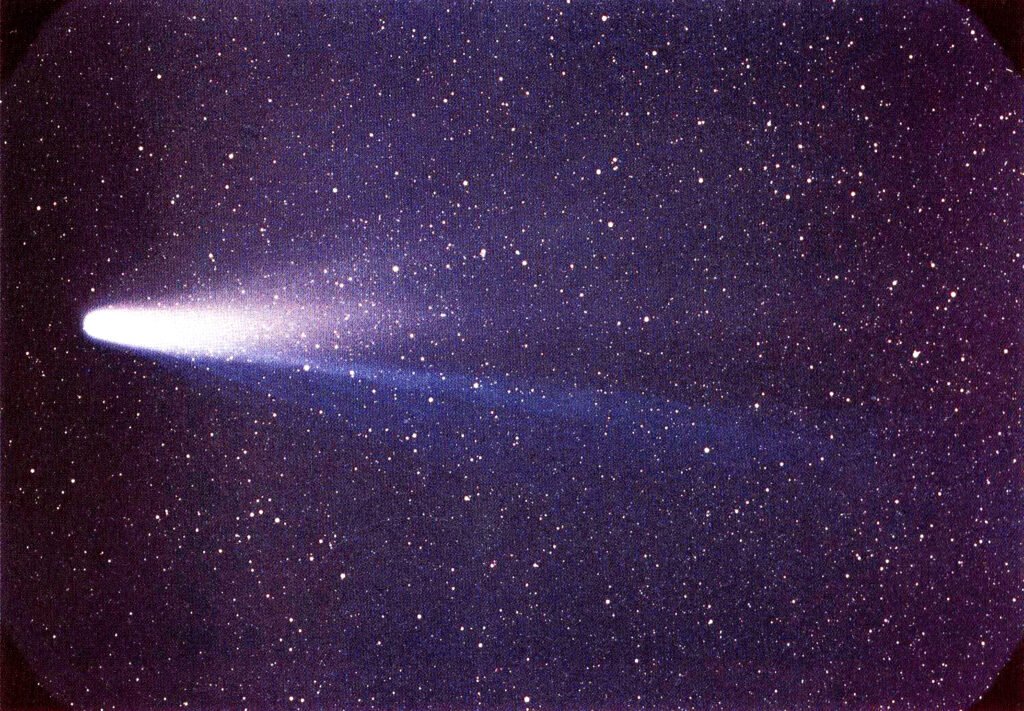
The discovery of Halley’s Comet was not the first sighting of the comet, which people had recorded for more than 2,000 years, but the realization that it is a single object returning on a regular schedule. The English astronomer Edmond Halley made that case in 1705 and predicted its return in 1758. When an amateur
Discovery of Halley’s Comet Read More »
Edmond Halley's 1705 recognition that comets seen in 1531, 1607 and 1682 were one object, whose predicted 1758 return confirmed it.
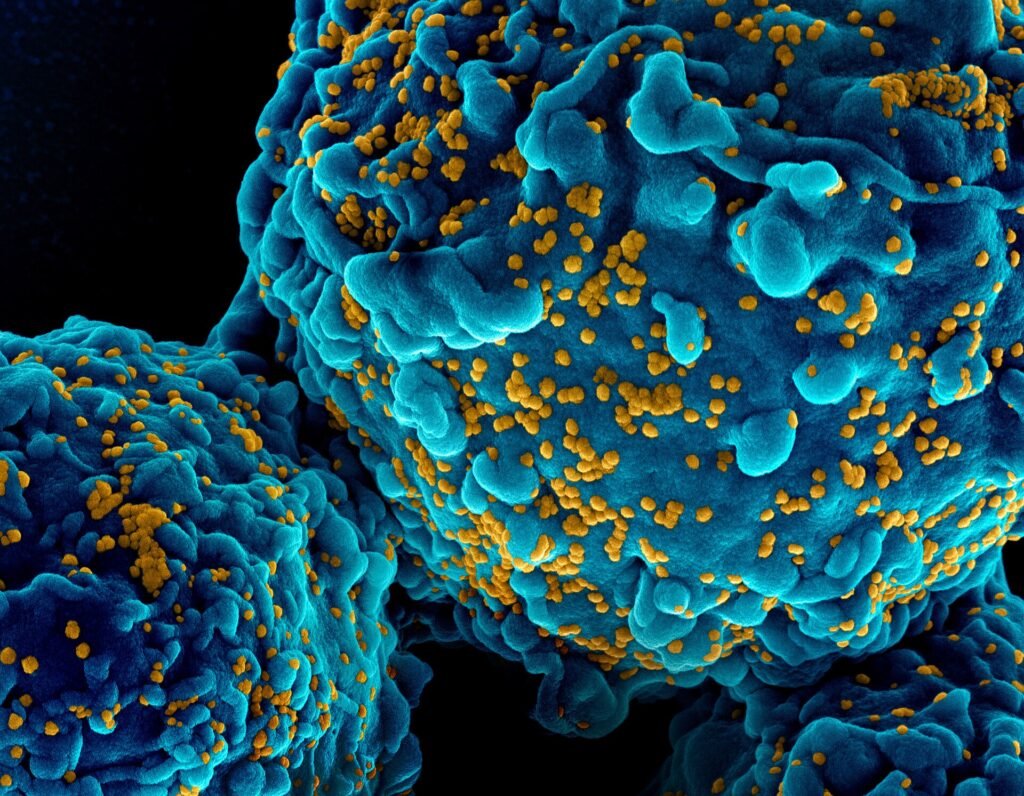
The discovery of HIV was the 1983 identification of the human immunodeficiency virus, the retrovirus that causes AIDS, by Françoise Barré-Sinoussi, Luc Montagnier and colleagues at the Pasteur Institute in Paris. It followed the first reports of the new immune deficiency syndrome in 1981 and was recognized with the 2008 Nobel Prize in Physiology or
Discovery of HIV Read More »
The 1983 identification of the human immunodeficiency virus, the cause of AIDS, by Barré-Sinoussi, Montagnier and colleagues at the Pasteur Institute.
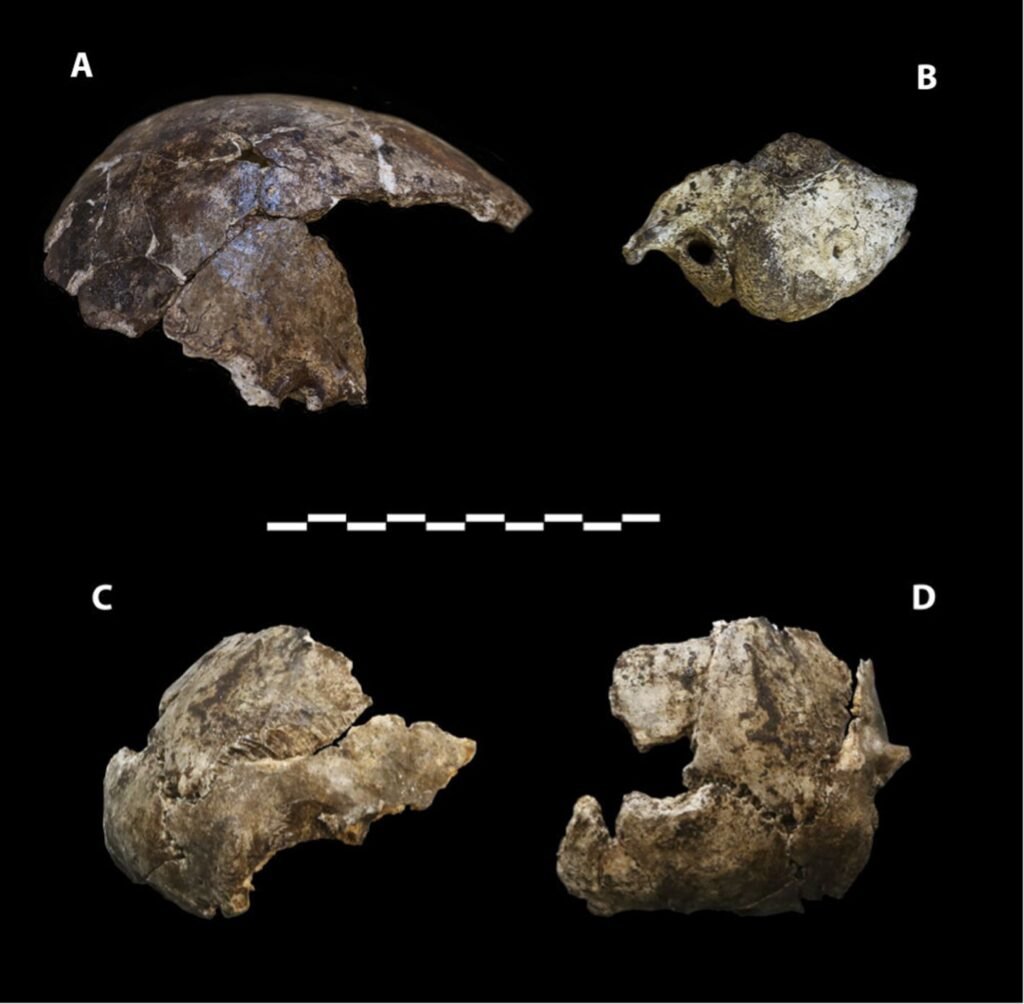
The discovery of Homo naledi was the finding of a previously unknown human relative in the Dinaledi Chamber of the Rising Star cave system in South Africa, first recognized in October 2013. It was announced to the world on 10 September 2015 in the journal eLife by a team led by Lee Berger. The Dinaledi
Discovery of Homo naledi Read More »
The 2013 finding of a new small-brained human relative in the Dinaledi Chamber, Rising Star cave, South Africa, announced in 2015.
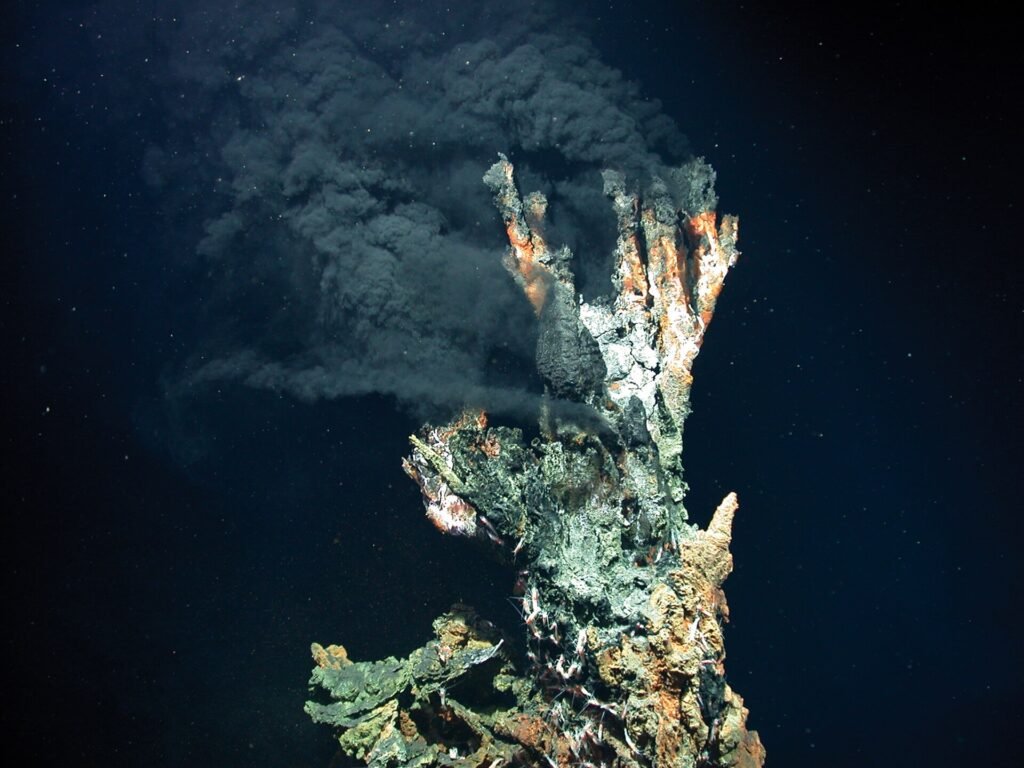
Hydrothermal vents on the deep seafloor were discovered in February 1977 by scientists exploring the Galápagos Rift in the eastern Pacific Ocean. The finding revealed hot springs on the seabed and, around them, thriving animal communities that live on chemical energy rather than sunlight. Background Scientists had suspected for some time that hot water must
Discovery of hydrothermal vents Read More »
Scientists found hot springs on the deep seafloor in February 1977 at the Galápagos Rift, with animal communities fed by chemical energy.
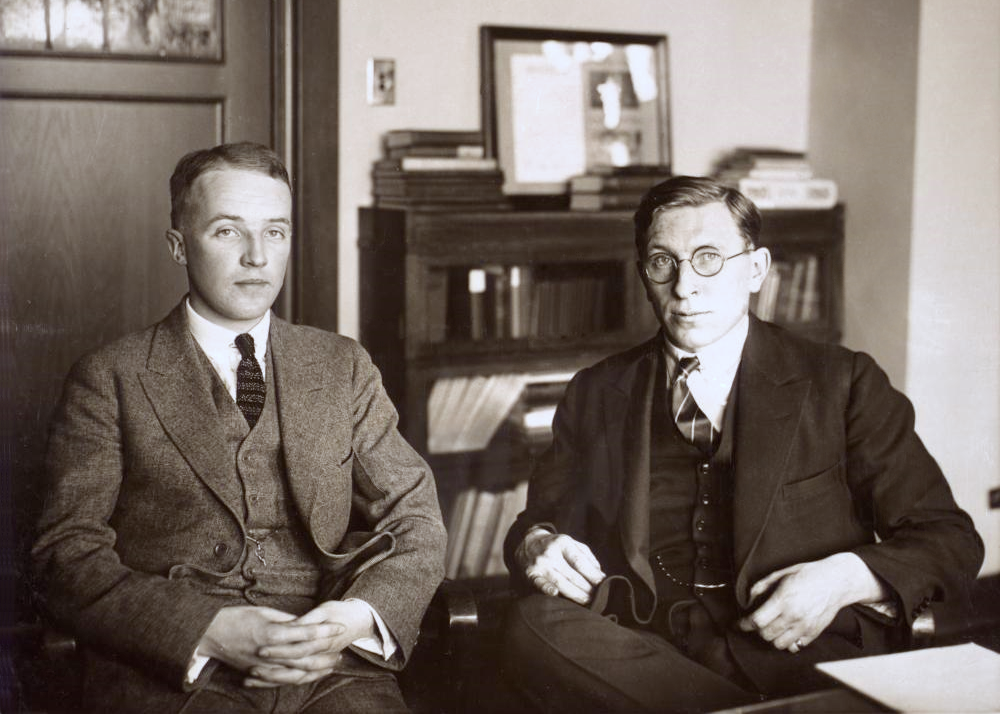
The discovery of insulin was the work done at the University of Toronto in 1921 and 1922 by Frederick Banting, Charles Best, John Macleod and James Collip. It produced a pancreatic extract that lowered blood sugar first in diabetic dogs and then in a human patient. The result turned type 1 diabetes from a fatal
Discovery of insulin Read More »
The 1921 to 1922 Toronto research by Banting, Best, Macleod and Collip that isolated insulin and first treated a diabetic patient.
The discovery of Jupiter’s moons was the identification of four satellites circling Jupiter, made by Galileo Galilei in January 1610 with a telescope. They were the first moons found beyond Earth’s own. The German astronomer Simon Marius observed them almost at the same time, and credit went to Galileo mainly because he published first. Background
Discovery of Jupiter’s Moons Read More »
Galileo's January 1610 observation of four moons orbiting Jupiter, the first moons found beyond Earth's own, which Simon Marius saw almost simultaneously.
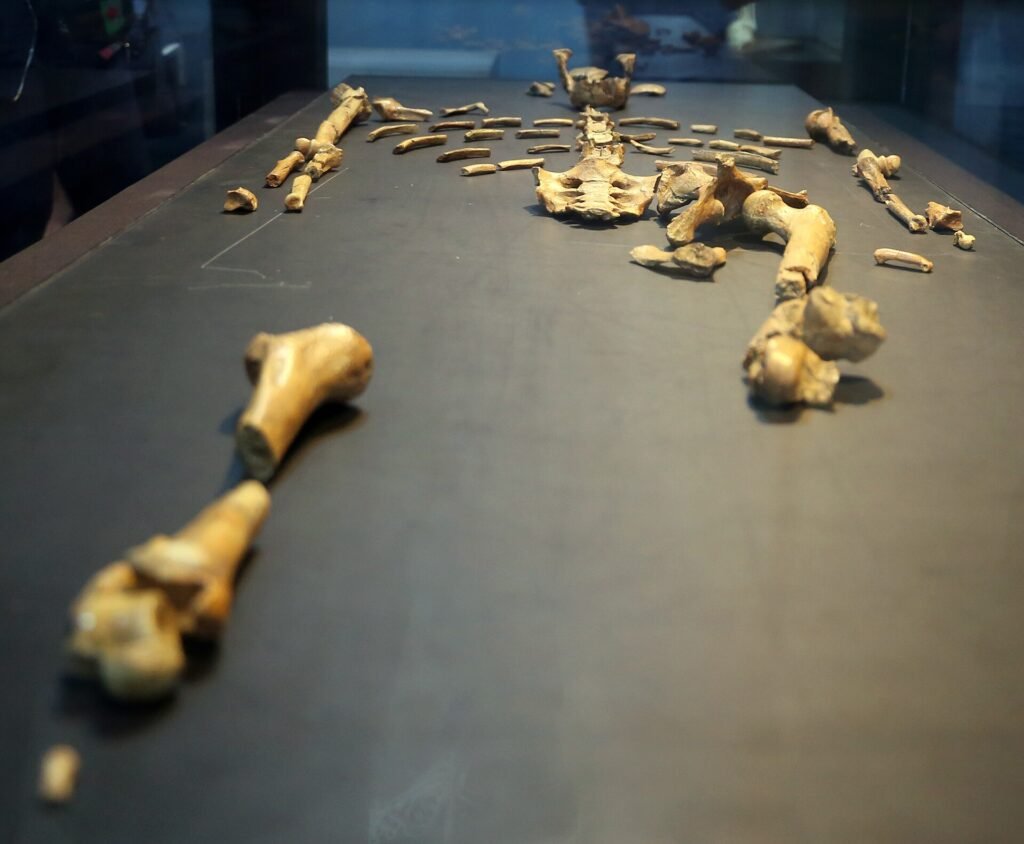
The discovery of Lucy was the finding of a 3.2 million-year-old fossil skeleton of the early human relative Australopithecus afarensis at Hadar, Ethiopia, on 24 November 1974. The paleoanthropologist Donald Johanson spotted the first bone while surveying with a graduate student, Tom Gray. Lucy is about 40 percent of a single skeleton, and in 2024
Discovery of Lucy Read More »
The 24 November 1974 finding at Hadar, Ethiopia, of Lucy, a 3.2 million-year-old Australopithecus afarensis skeleton, by Donald Johanson's team.
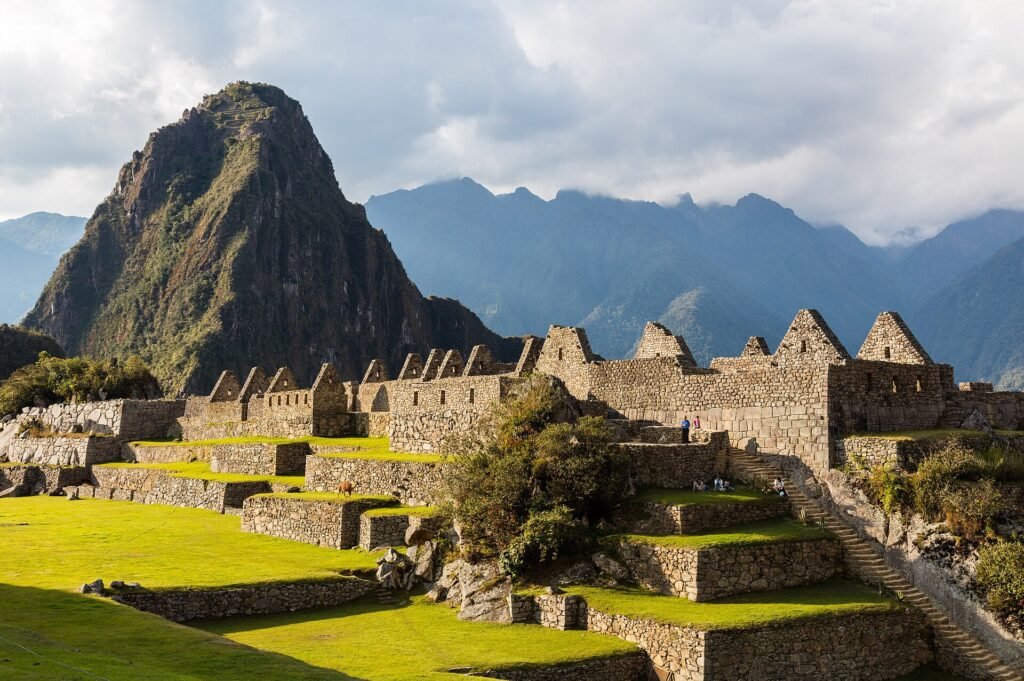
The discovery of Machu Picchu was the 1911 expedition by Hiram Bingham, a Yale lecturer, to a ruined Inca citadel high in the Peruvian Andes. He reached the site on 24 July 1911, guided by local people, and his reports brought it to worldwide attention. Bingham was not the first person to know the ruins,
Discovery of Machu Picchu Read More »
The 1911 expedition by Hiram Bingham that brought the Inca citadel of Machu Picchu in Peru to world attention.
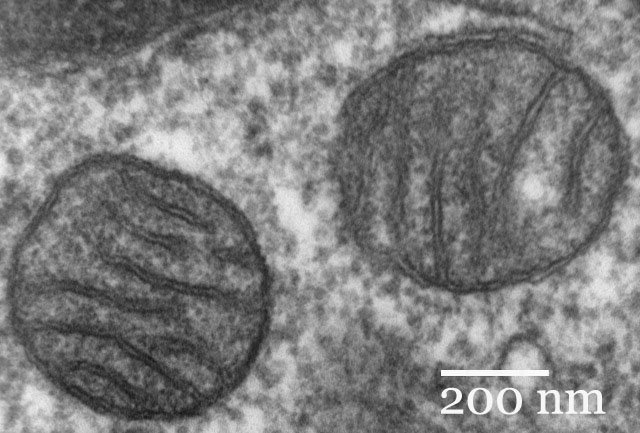
The discovery of mitochondria was a gradual process that ran from the first description of the structures by Rudolf Albrecht von Kölliker in 1857 to their naming by Carl Benda in 1898 and, in the 20th century, to the realization that they make the cell’s energy-carrying molecule ATP and descend from bacteria. Mitochondria are small
Discovery of mitochondria Read More »
The 1857 to 1898 description and naming of mitochondria by Kölliker, Altmann and Benda, followed by the finding that they power cells.