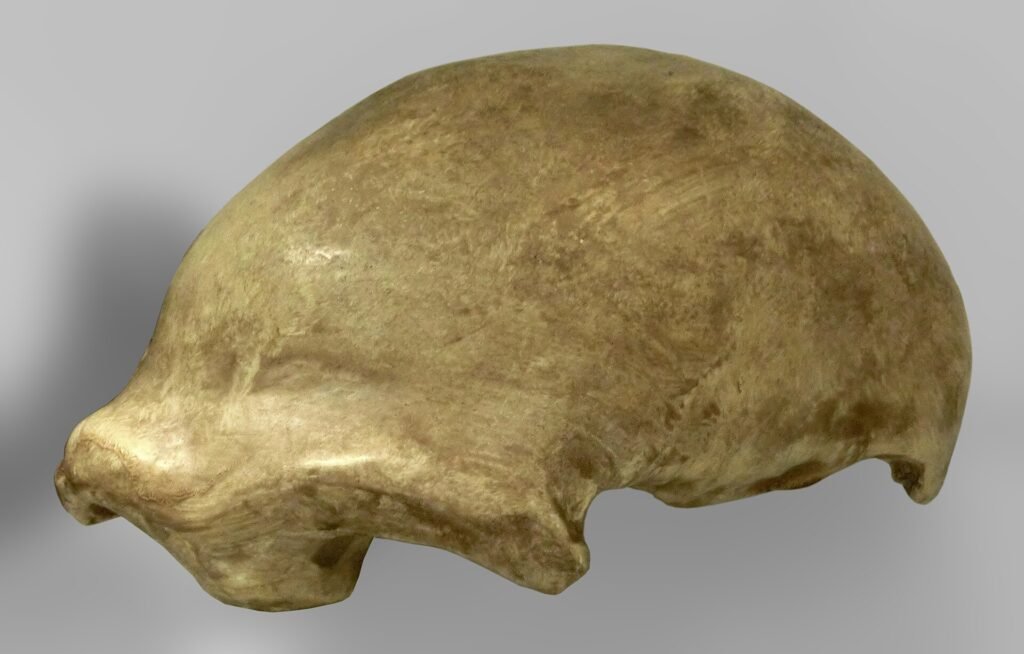
The discovery of Neanderthals began in 1856, when fossils from a cave in the Neander Valley of Germany became the first specimen to be recognized as an early human fossil. In 1864 the geologist William King named the species Homo neanderthalensis, making it the first fossil hominin species to receive a scientific name. Neanderthals lived
Discovery of Neanderthals Read More »
The recognition of Neanderthals as an early human species, beginning with the 1856 fossils from the Neander Valley in Germany and the 1864 naming by William King.
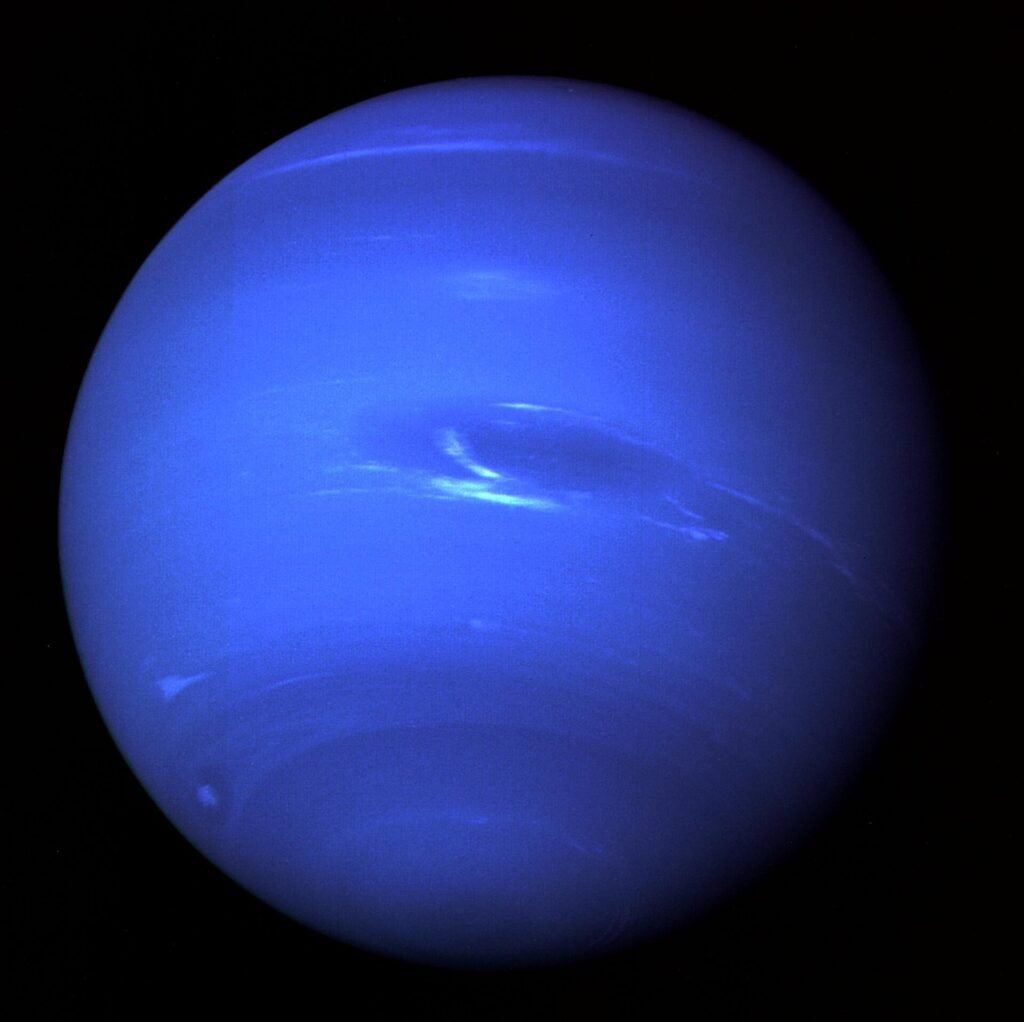
The discovery of Neptune was the identification of the eighth planet on 23 September 1846, found at the Berlin Observatory after mathematicians predicted where it should be. It is the only planet in the solar system located by calculation before anyone saw it. Astronomers still discuss how credit should be shared among the people involved.
Discovery of Neptune Read More »
The 23 September 1846 sighting of Neptune by Johann Galle, guided by Urbain Le Verrier's calculated prediction of the planet's position.
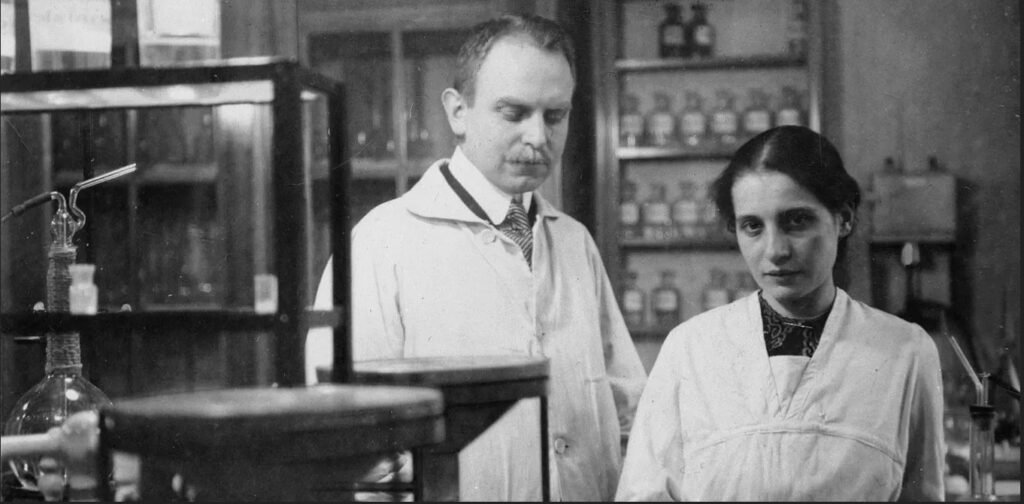
The discovery of nuclear fission was the realization, in December 1938 and January 1939, that a uranium nucleus struck by a neutron can split into two lighter nuclei and release a large amount of energy. The chemical evidence came from Otto Hahn and Fritz Strassmann in Berlin, and the physical explanation from Lise Meitner and
Discovery of nuclear fission Read More »
Nuclear fission was discovered in 1938 and 1939, when Hahn and Strassmann found barium in uranium and Meitner and Frisch explained the split.
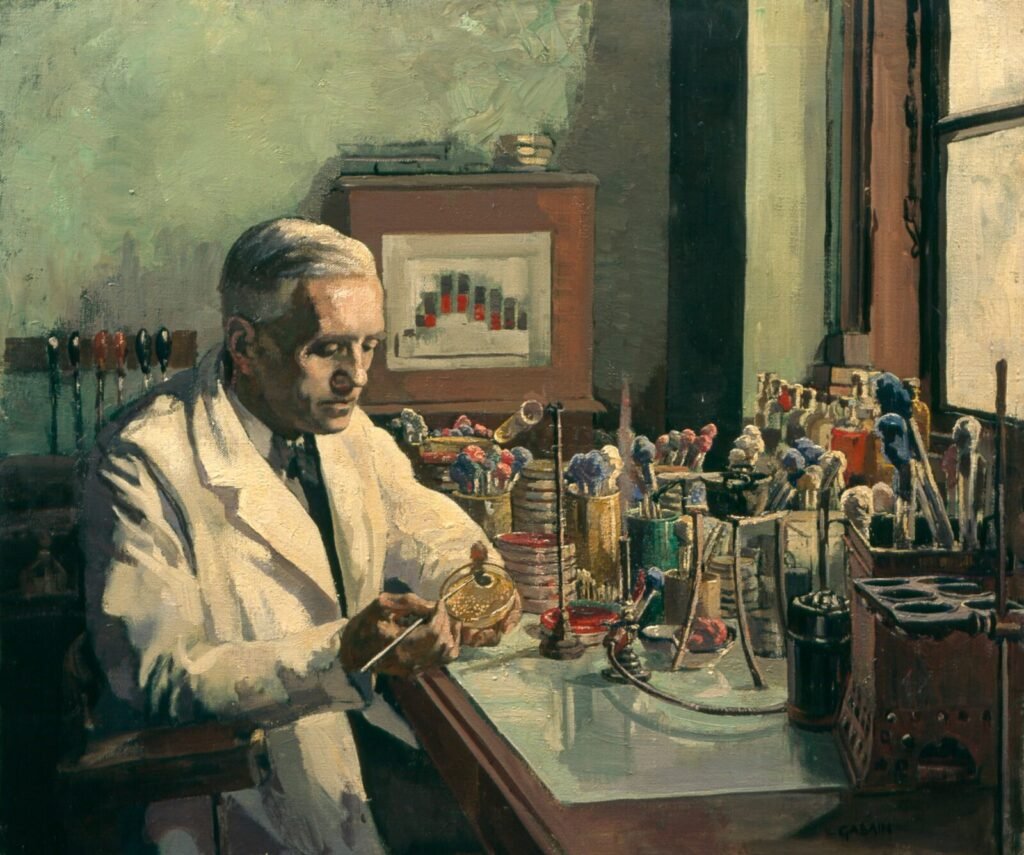
The discovery of penicillin began in 1928, when the Scottish bacteriologist Alexander Fleming noticed that a mold contaminating one of his staphylococcus cultures at St. Mary’s Hospital in London had killed the bacteria around it. The mold was Penicillium notatum, and the substance it released was named penicillin. It became a usable medicine only after
Discovery of penicillin Read More »
The discovery of penicillin was Alexander Fleming's 1928 finding that a mold kills bacteria, developed into the first widely used antibiotic by Florey and Chain.
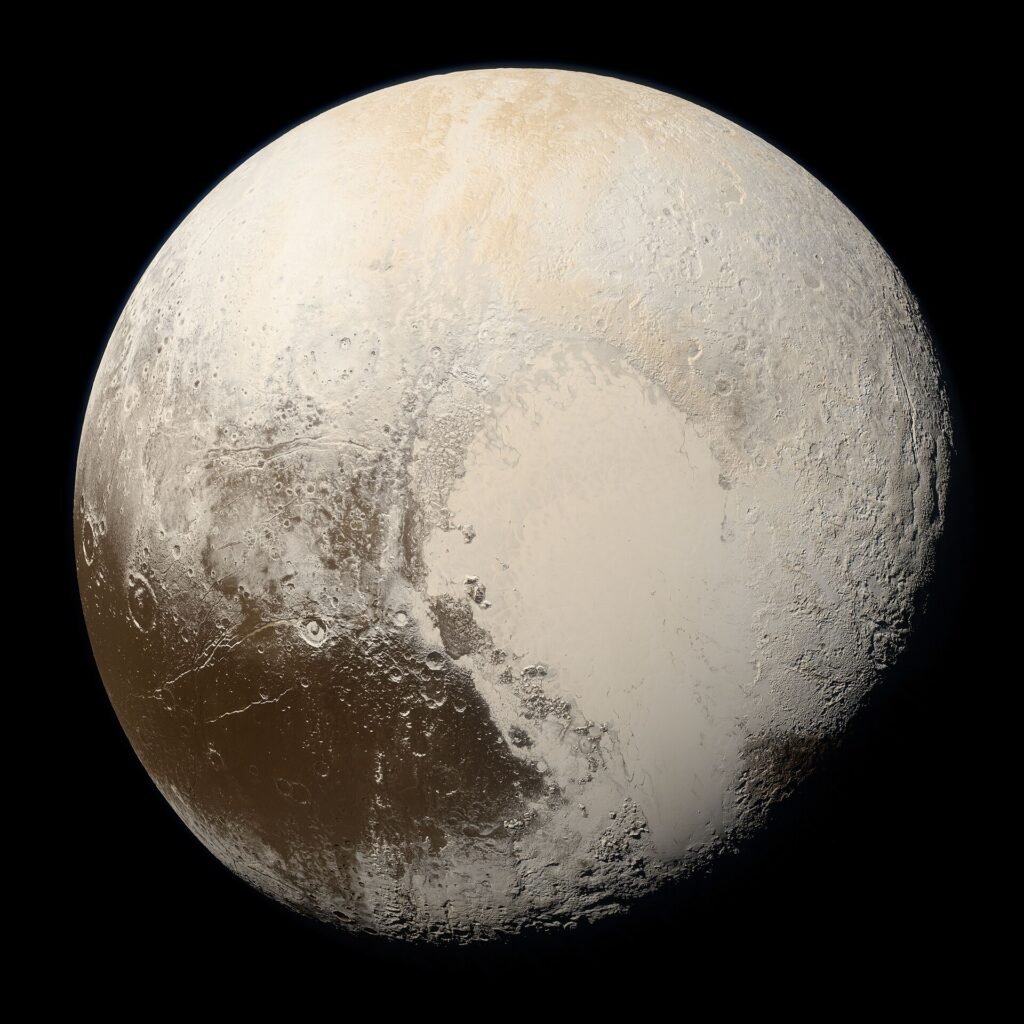
The discovery of Pluto was made by Clyde Tombaugh at Lowell Observatory in Arizona on 18 February 1930, when he spotted a small moving dot on two photographic plates. It was announced on 13 March 1930 as the ninth planet. In 2006 the International Astronomical Union reclassified Pluto as a dwarf planet. Background to the
Discovery of Pluto Read More »
The 1930 finding by Clyde Tombaugh of a moving dot on photographic plates, announced as the ninth planet, later reclassified as a dwarf planet.
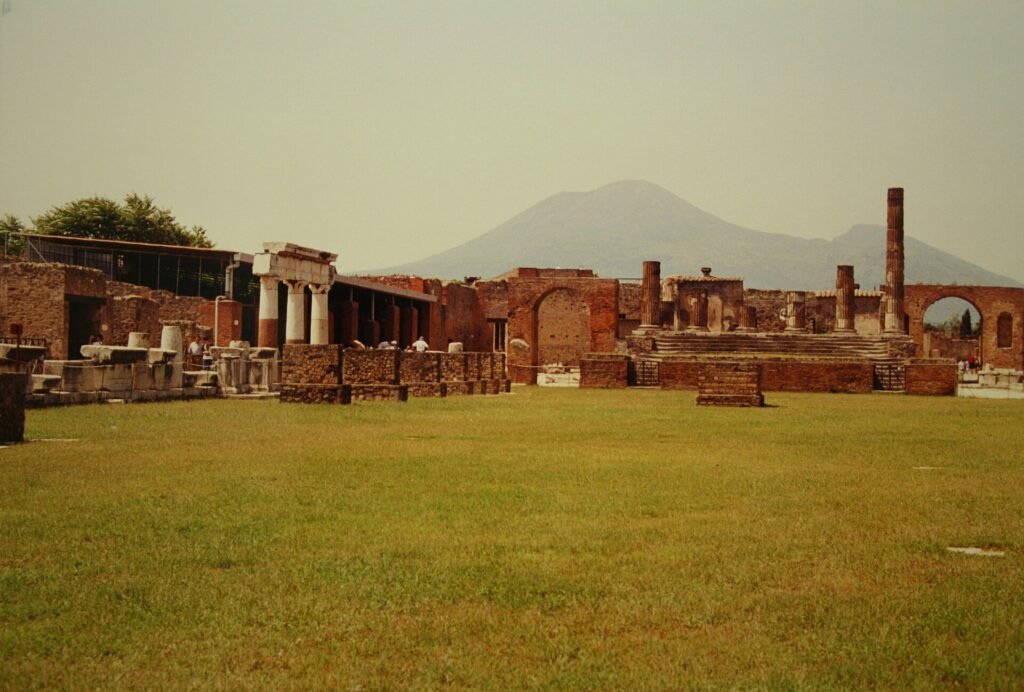
The discovery of Pompeii was the gradual rediscovery of a Roman town near Naples that was buried by the eruption of Mount Vesuvius in 79 AD. Extensive excavations began in 1748 under Charles of Bourbon, and work at the site has continued ever since. Pompeii is valued because it preserves a Roman town and its
Discovery of Pompeii Read More »
The rediscovery of the Roman town of Pompeii, buried by Vesuvius in 79 AD, through excavations that began in 1748 under Charles of Bourbon.
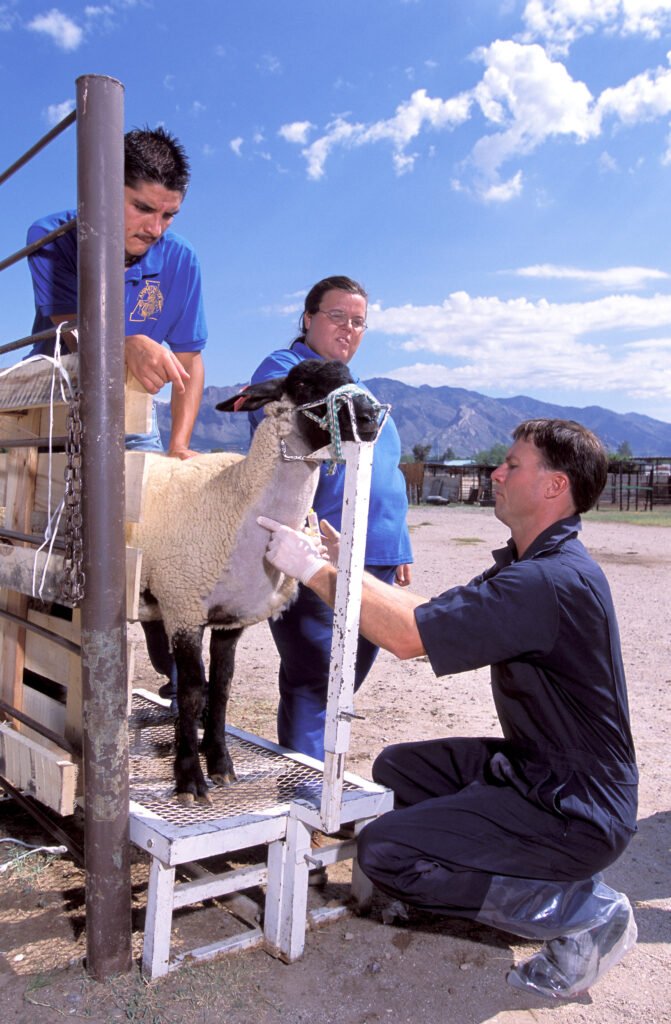
The discovery of prions was the 1982 finding by Stanley Prusiner and his colleagues that a protein, with no detectable genetic material of its own, can act as an infectious agent that causes fatal brain diseases in animals and humans. He named the protein a prion, short for proteinaceous infectious particle, and received the 1997
Discovery of prions Read More »
The 1982 finding by Stanley Prusiner that a misfolded protein with no nucleic acid can be an infectious agent causing fatal brain disease.
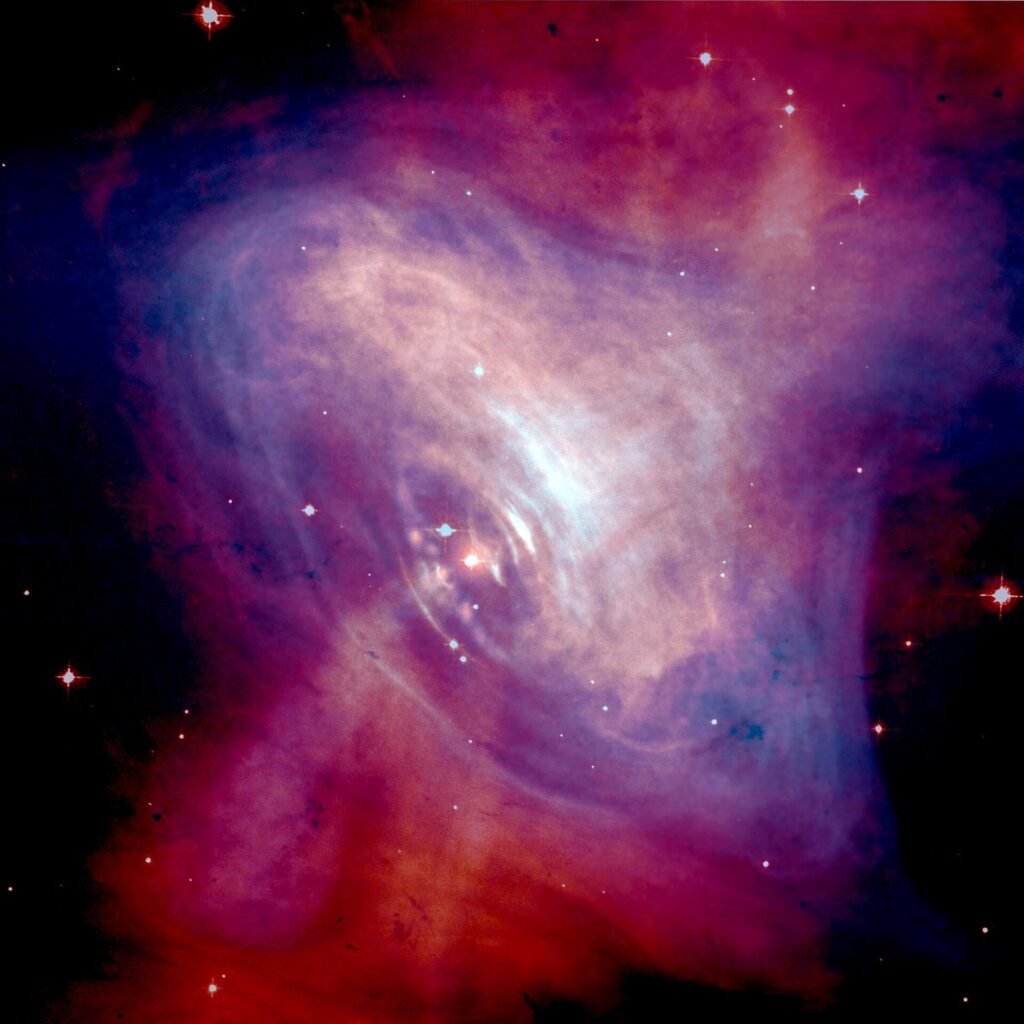
The discovery of pulsars was the 1967 detection of radio sources that emit extremely regular pulses, made at the University of Cambridge by the graduate student Jocelyn Bell, now Jocelyn Bell Burnell, and her supervisor Antony Hewish. Pulsars turned out to be rapidly rotating neutron stars. The finding was announced in the journal Nature in
Discovery of Pulsars Read More »
The 1967 detection by Jocelyn Bell and Antony Hewish of radio sources that pulse with great regularity, later identified as rotating neutron stars.
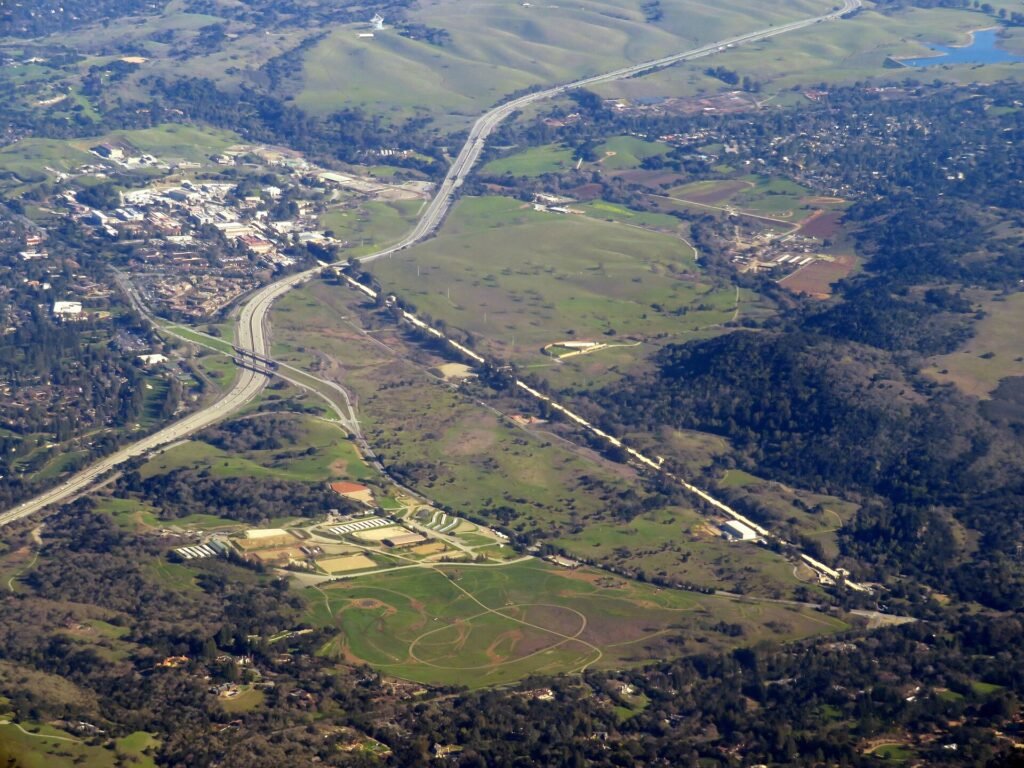
The discovery of quarks happened in stages. In 1964 the theorists Murray Gell-Mann and George Zweig independently proposed quarks as the building blocks of protons, neutrons and related particles, and in 1968 and 1969 electron-scattering experiments at the Stanford Linear Accelerator Center (SLAC) showed that the proton contains small, point-like constituents that were later identified
Discovery of quarks Read More »
Quarks were proposed in 1964 by Gell-Mann and Zweig and first seen inside the proton in electron-scattering experiments at SLAC in 1968.
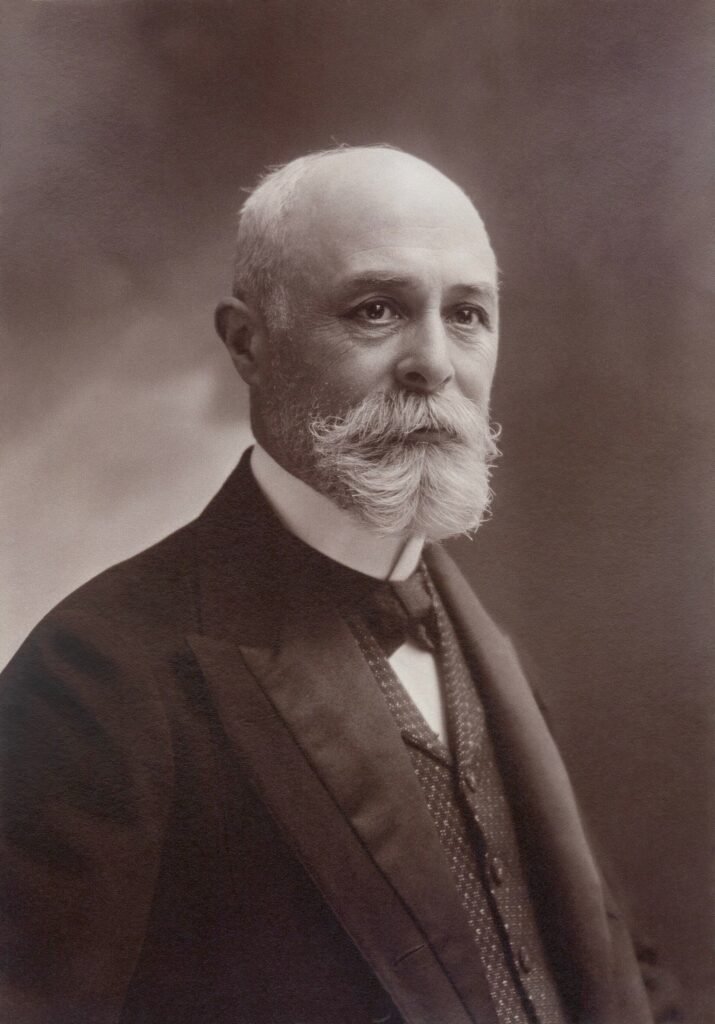
The discovery of radioactivity was the finding, made by the French physicist Henri Becquerel in Paris in 1896, that uranium salts give off a penetrating radiation without being exposed to light or any other outside stimulus. It showed that atoms can release energy spontaneously, and it started the line of research that led to modern
Discovery of radioactivity Read More »
Radioactivity was discovered in 1896 by Henri Becquerel, who found that uranium salts emit penetrating radiation spontaneously, with no light needed.