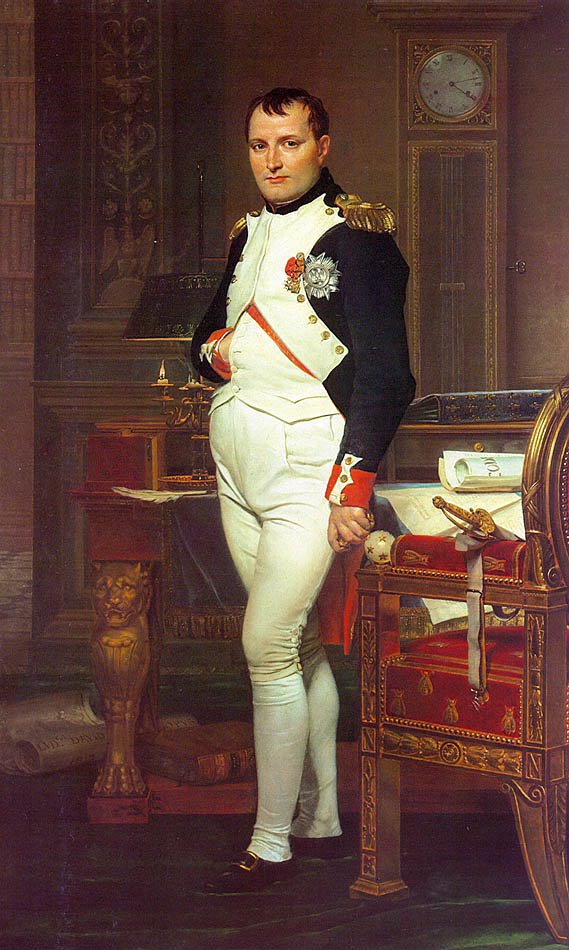
Napoleon Bonaparte (1769 to 1821) was a French military leader who seized power in 1799 and reigned as Emperor of the French from 1804 to 1814 and briefly again in 1815. He built the largest European empire since Charlemagne, issued a civil code that shaped legal systems far beyond France, and was finally defeated at
Napoleon Bonaparte Read More »
French general who seized power in 1799, ruled as Emperor of the French from 1804 and was defeated at Waterloo in 1815.
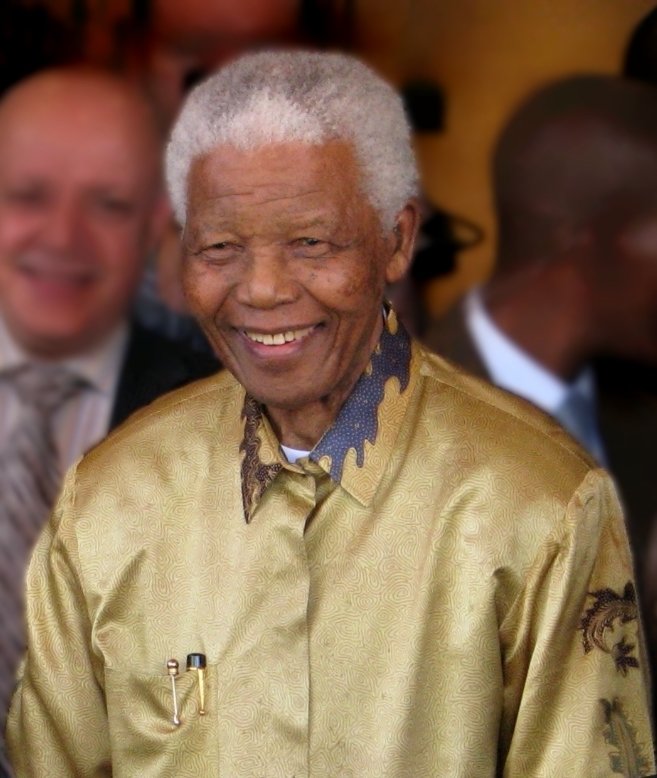
Nelson Mandela (1918 to 2013) was a South African lawyer and anti-apartheid leader who spent 27 years in prison and then became the first president of a democratic South Africa, serving from 1994 to 1999. He shared the 1993 Nobel Peace Prize with the president who released him, F. W. de Klerk. He died in
Nelson Mandela Read More »
South African anti-apartheid leader who spent 27 years in prison and became the first president of democratic South Africa in 1994.
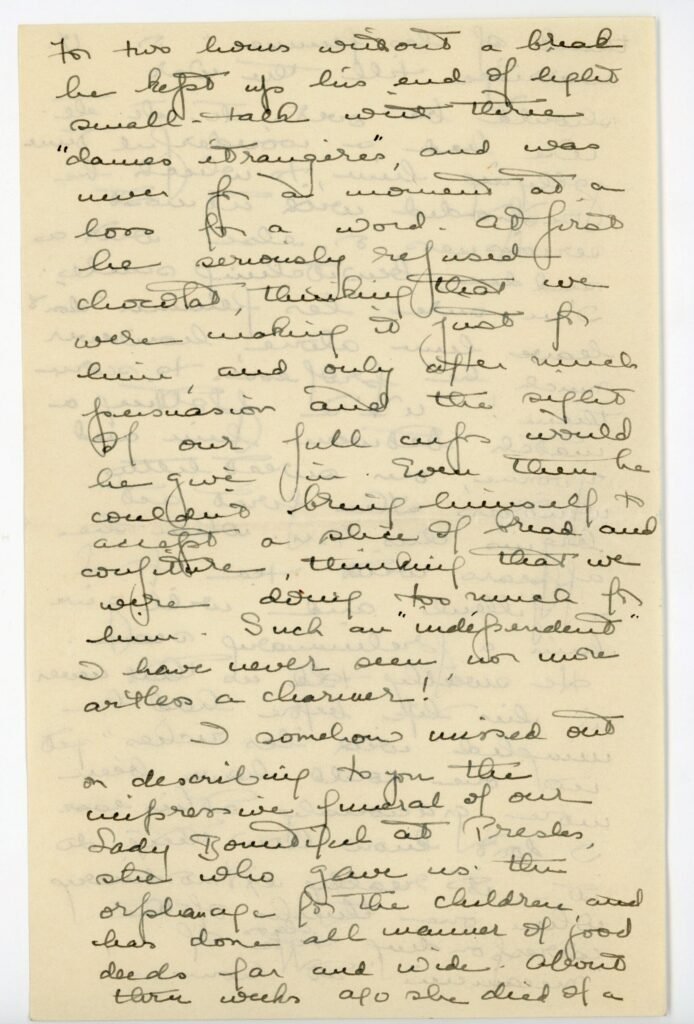
In simple terms A primary source is firsthand evidence created at the time of an event, or recalled later by someone who was there. A letter, a birth register, a photograph, a court transcript and an oral history interview are all primary sources. Nothing stands between the event and the record, which is why researchers
Primary source Read More »
A primary source is firsthand evidence from the time of an event, such as a letter, photograph, register or eyewitness account.
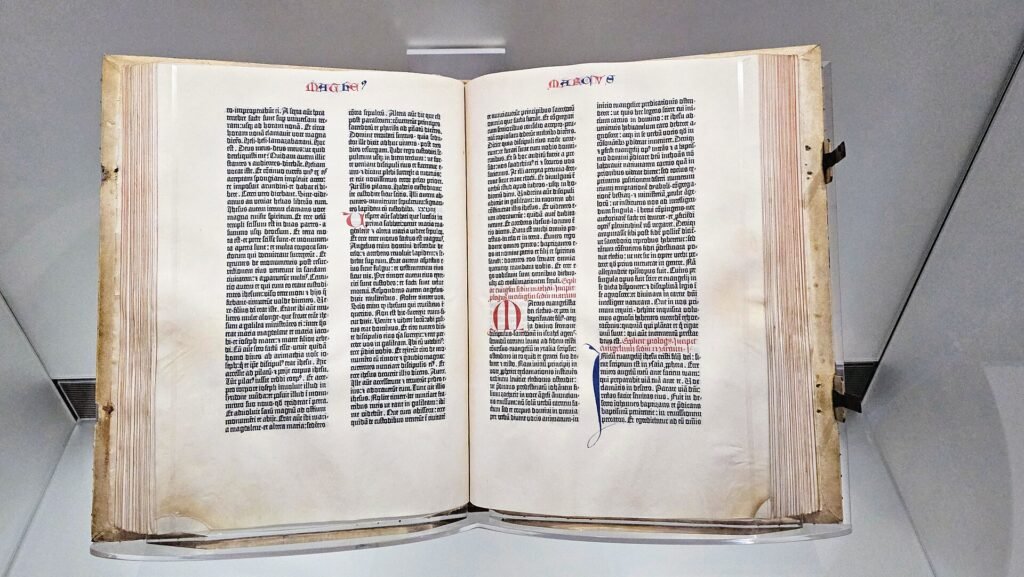
The printing press is a machine that presses inked, movable type against paper to make many identical copies of a text. The German goldsmith Johannes Gutenberg built the first press of this kind in Europe, in the city of Mainz, in the middle of the fifteenth century. Movable type had appeared earlier in East Asia,
Printing press Read More »
The printing press is a machine that presses inked movable type onto paper, and Gutenberg's mid-fifteenth-century version made books cheap and fast to copy.
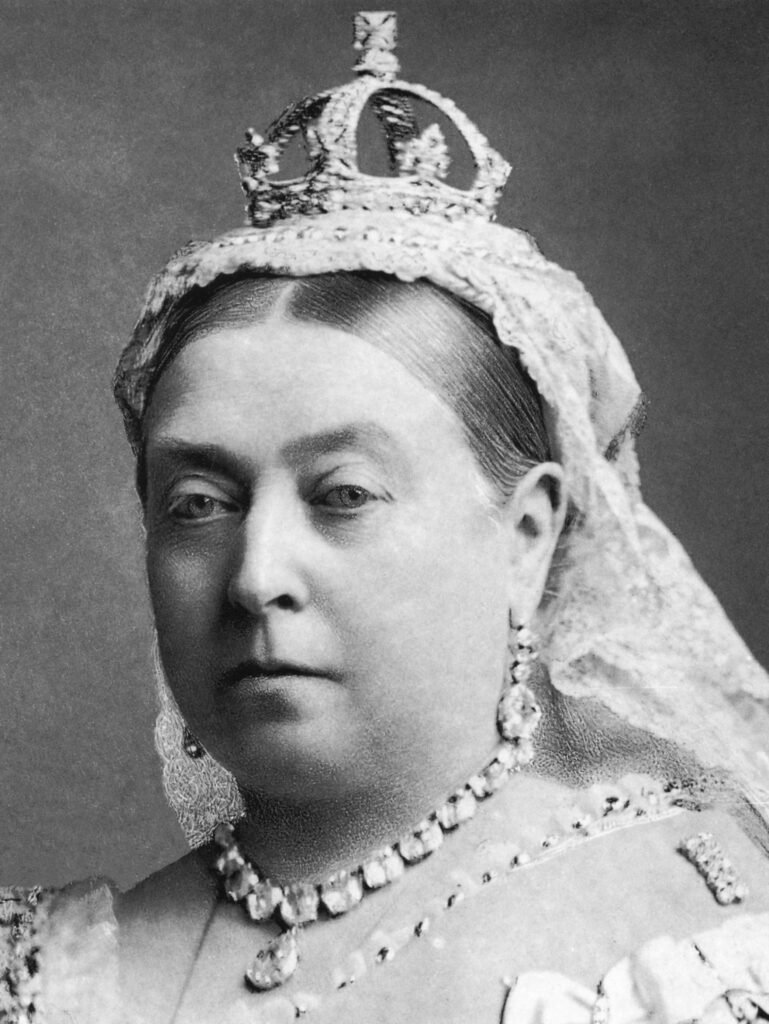
Queen Victoria (1819 to 1901) was the monarch of the United Kingdom of Great Britain and Ireland from 1837 until her death and, from 1877, Empress of India. Her reign of almost 64 years was the longest in British history up to that time, and it gave its name to an era of industrial growth
Queen Victoria Read More »
British monarch from 1837 to 1901 whose reign of almost 64 years gave its name to the Victorian era.
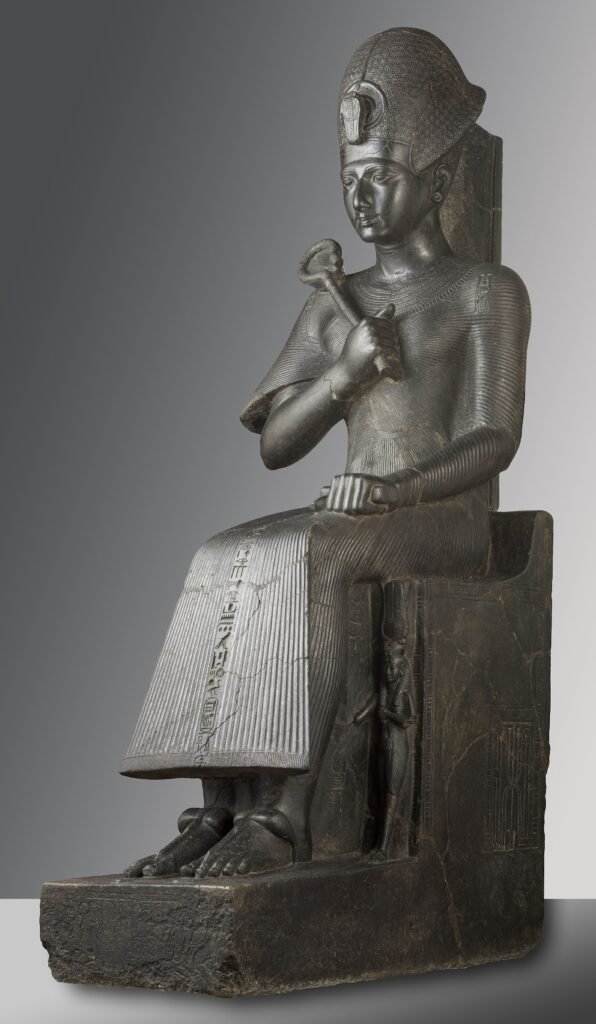
Ramesses II, also known as Ramesses the Great, was a pharaoh of ancient Egypt in the 19th Dynasty who reigned from about 1279 to 1213 BCE. His reign of roughly 66 years was among the longest in Egyptian history. He is remembered for the Battle of Kadesh, an early peace treaty with the Hittites, and
Ramesses II Read More »
Egyptian pharaoh of the 19th Dynasty (reigned about 1279 to 1213 BCE) known for the Battle of Kadesh, a Hittite peace treaty and Abu Simbel.
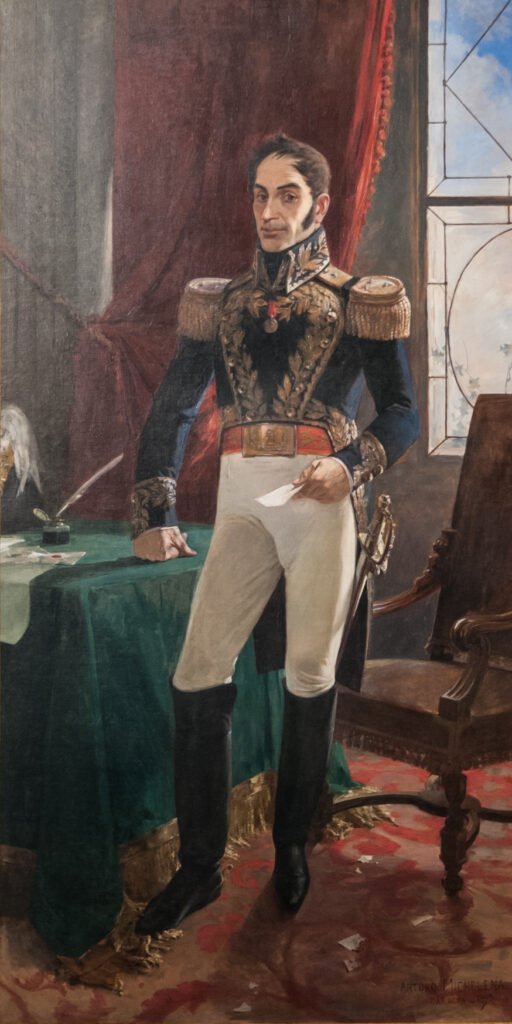
Simón Bolívar (1783 to 1830), known as El Libertador, was a Venezuelan military and political leader who led the independence of much of northern South America from Spain. He helped create the state of Gran Colombia, which covered what are now Colombia, Venezuela, Ecuador and Panama, and the country of Bolivia took its name from
Simón Bolívar Read More »
Venezuelan general known as El Libertador who led independence from Spain across northern South America and founded Gran Colombia.
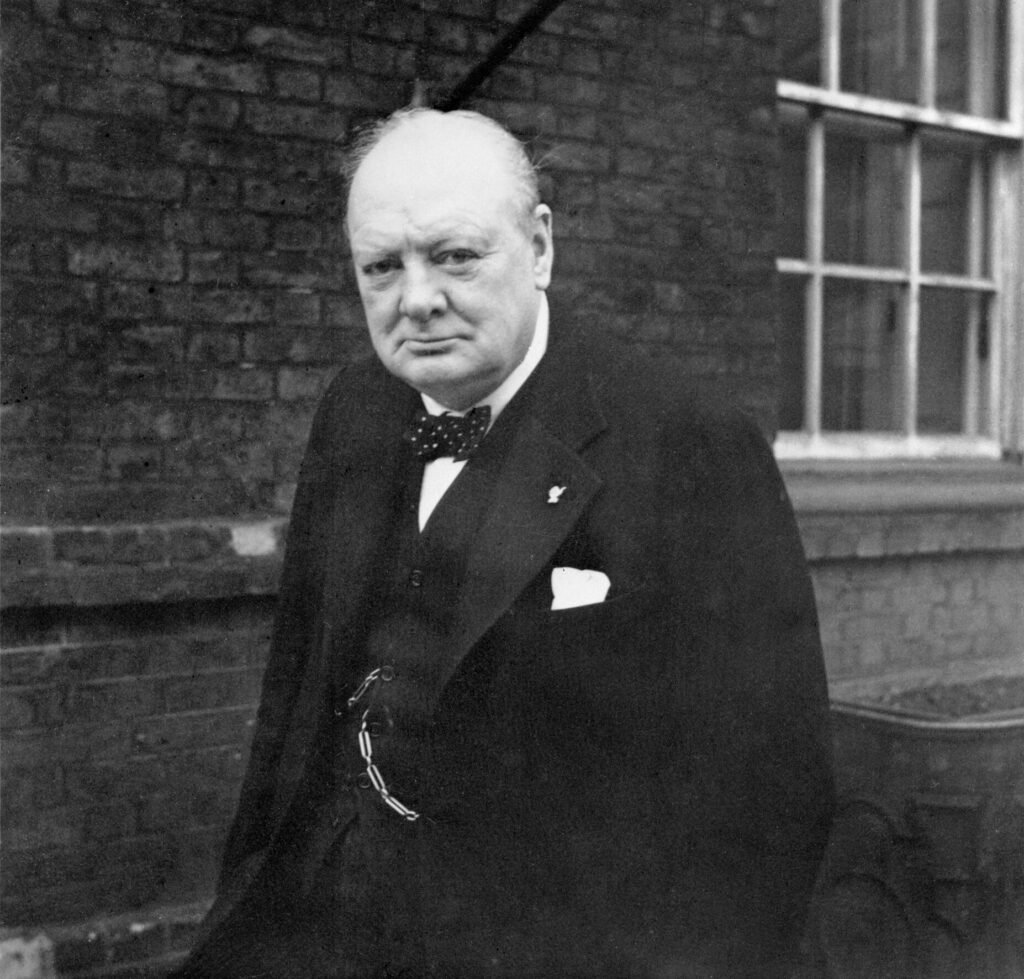
Winston Churchill (1874 to 1965) was a British statesman, writer and orator who served as prime minister of the United Kingdom from 1940 to 1945 and again from 1951 to 1955. He led Britain through most of the Second World War and won the 1953 Nobel Prize in Literature. He died in London on 24
Winston Churchill Read More »
British statesman and writer who was prime minister from 1940 to 1945 and from 1951 to 1955 and led Britain in the Second World War.
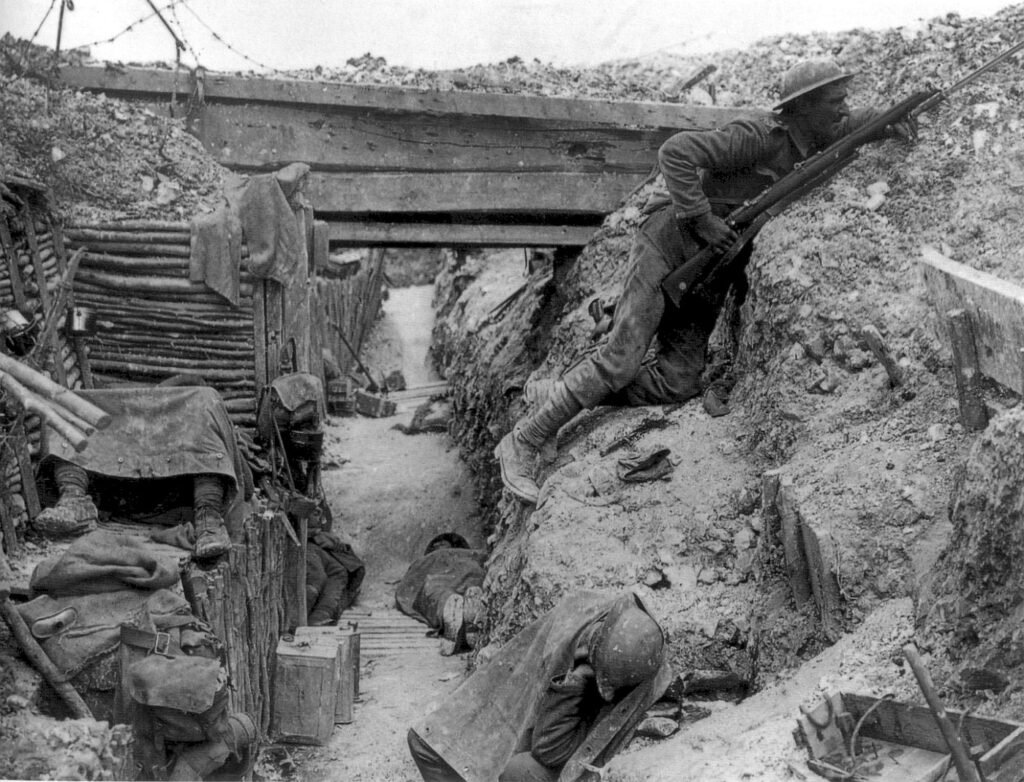
World War I was a global conflict fought from 1914 to 1918, primarily centered in Europe but drawing in colonies and allies from across the world, that pitted the Allied Powers, principally France, the British Empire, Russia, and later the United States and Italy, against the Central Powers, principally Germany, Austria-Hungary, and the Ottoman Empire.
World War I Read More »
A global conflict fought from 1914 to 1918 between the Allied and Central Powers, triggered by the assassination of Archduke Franz Ferdinand.
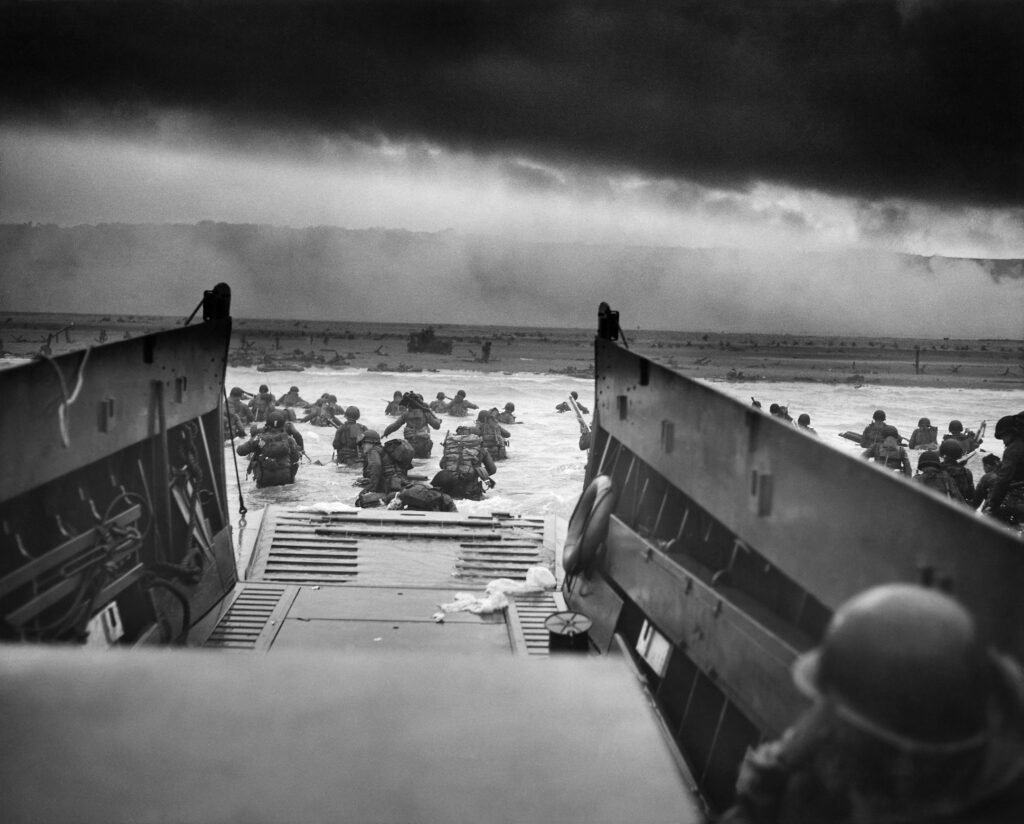
World War II was a global military conflict fought between 1939 and 1945, pitting the Allied powers, principally Britain, the Soviet Union, the United States, and China, against the Axis powers, principally Germany, Italy, and Japan. It remains the deadliest conflict in human history, drawing in more than thirty countries and touching nearly every inhabited
World War II Read More »
The global conflict from 1939 to 1945 between the Allied and Axis powers, the deadliest war in recorded history.