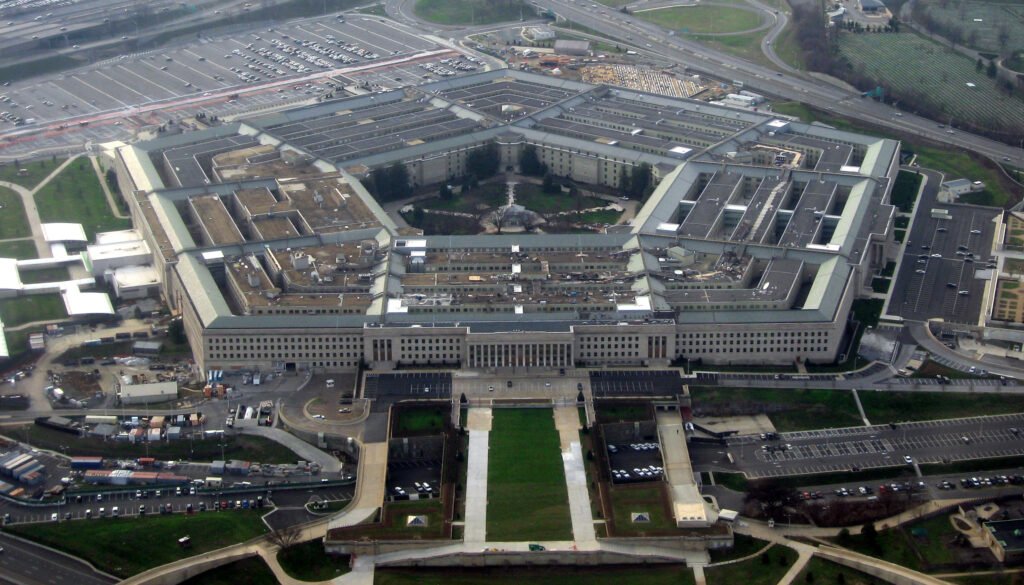
A military alliance is a formal agreement between two or more states establishing mutual obligations related to national security, typically including a commitment to come to one another’s defense if a member is attacked. Alliances let states pool military capability, share the financial and strategic burden of defense, and signal clearly to potential adversaries that
Military Alliance Read More »
A formal agreement between states establishing mutual defense and security obligations.
National security is the protection a state provides for its citizens, territory, economy, and core institutions against threats that could undermine their safety or survival. Governments across the political spectrum treat ensuring national security as among their most fundamental duties, but what counts as a genuine security threat has expanded enormously over time, moving well
National Security Read More »
The protection a state provides for its citizens, territory, economy, and institutions against major threats.
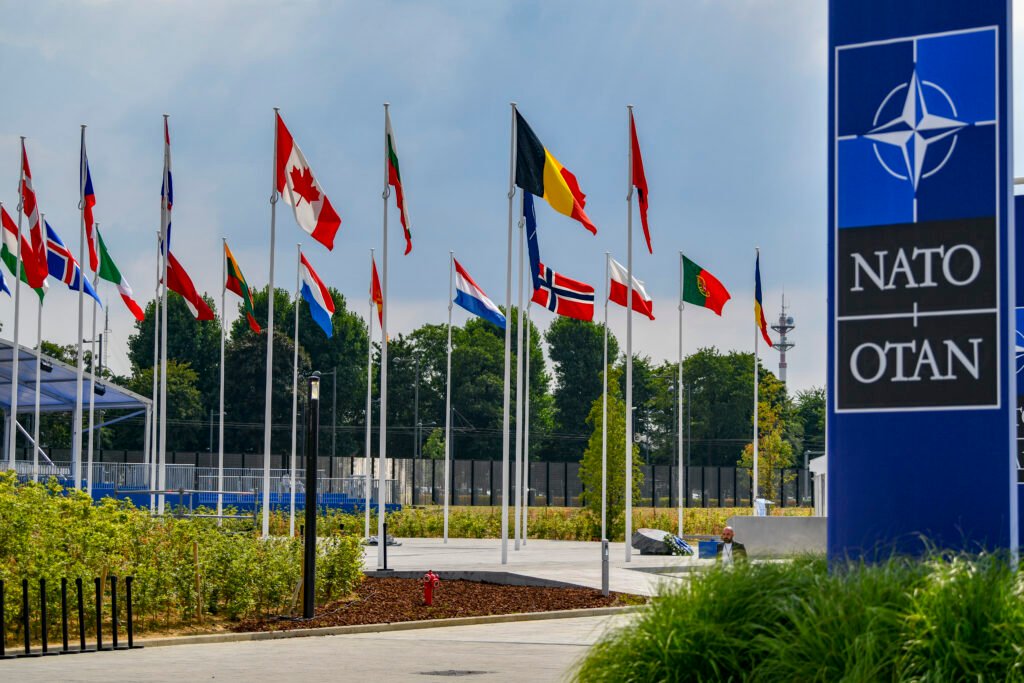
The North Atlantic Treaty Organization, or NATO, is a political and military alliance of 32 countries from Europe and North America whose members have pledged to defend one another. It was created by the North Atlantic Treaty, signed in Washington, D.C., on 4 April 1949. Its members, called Allies, take decisions by consensus. History of
NATO Read More »
NATO is a political and military alliance of 32 European and North American countries, founded in 1949 on a pledge of mutual defense.
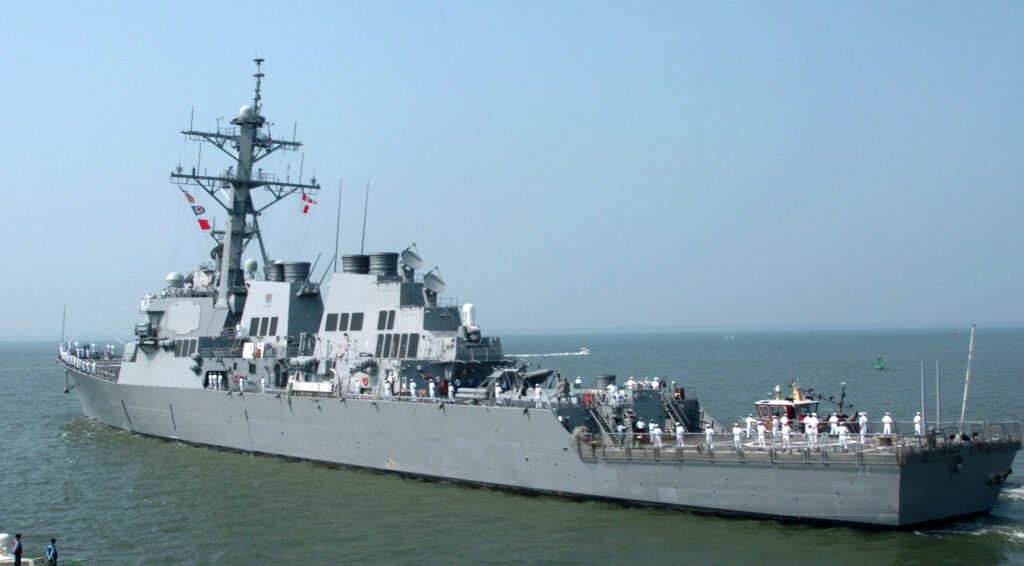
In simple terms A naval blockade is a warring state sealing off an enemy coast or ports by force, so that ships cannot get in or out. It is a method of warfare rather than a trade measure, and that difference decides which rules apply to it. A blockading navy stops ships from countries that
Naval blockade Read More »
A naval blockade is a warring state sealing off an enemy coast by force, stopping ships of all nations, not only the enemy fleet.
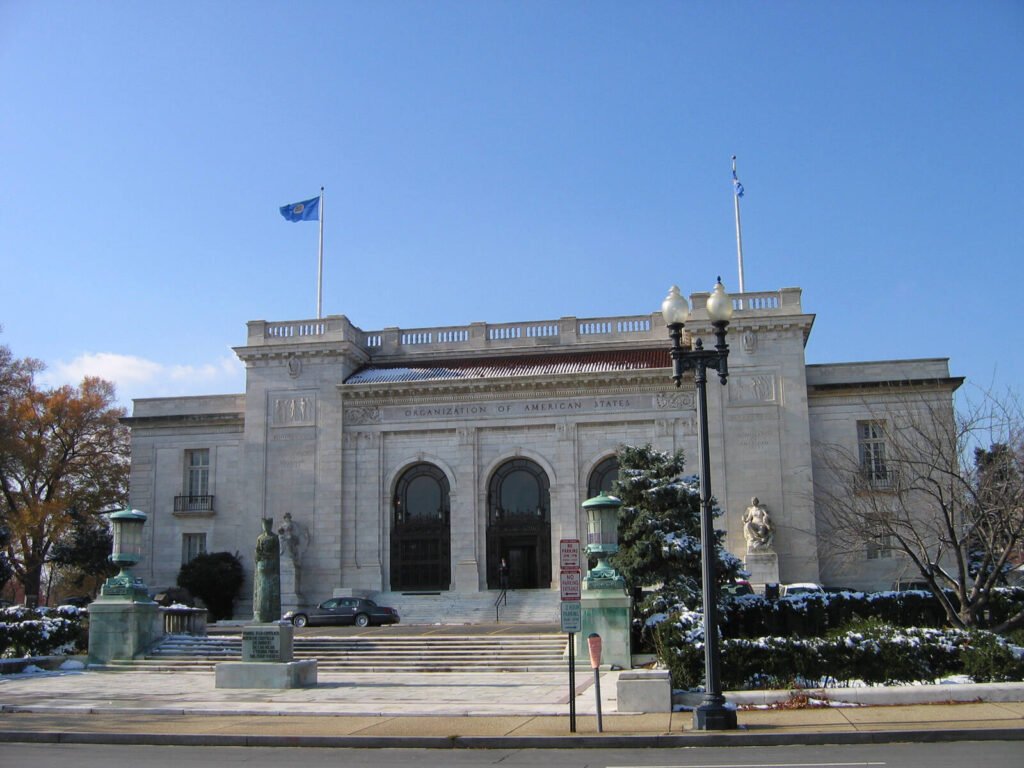
The Organization of American States (OAS) is a regional organization that brings together all 35 independent states of the Americas, with its headquarters in Washington, D.C. It describes itself as the world’s oldest regional organization and as the main political, juridical and social governmental forum in the Western Hemisphere. History of the OAS Some scholars
Organization of American States Read More »
The OAS is a regional organization of 35 American states, based in Washington, D.C., focused on democracy, human rights, security and development.
The Permanent Fund Dividend (PFD) is an annual payment made by the State of Alaska to eligible residents from the earnings of the Alaska Permanent Fund. First paid in 1982, the dividend has ranged from $331.29 in 1984 to a record $3,284 in 2022, and the state has announced a 2026 amount of $1,200, which
Permanent Fund Dividend Read More »
The Permanent Fund Dividend is an annual payment to eligible Alaska residents from the earnings of the Alaska Permanent Fund, first paid in 1982.
Policy analysis is the systematic, empirical study of how a public policy is formulated, adopted, and implemented, used to evaluate whether it actually addresses the economic, social, or other public problem it was designed to solve. Rather than relying on intuition or political instinct alone, policy analysis applies rigorous research methods to help decision-makers understand
Policy Analysis Read More »
The systematic, empirical study of how a public policy is formulated, adopted, and implemented, used to evaluate its effects.
A political ideology is a connected set of ideas, values, and beliefs about how society and government should be organized, covering questions such as who should hold power, how the economy should be arranged, and what rights individuals should have. Ideologies combine a vision of the good society with a rough program for getting there,
Political Ideology Read More »
A connected set of ideas and values about how society and government should be organized.
A political party is an organized group of people who share broadly similar political goals and who coordinate to nominate candidates, contest elections, and try to control the levers of government. Parties give voters a simplified way to choose among competing visions for public policy, since evaluating a handful of party platforms is far easier
Political Party Read More »
An organized group that coordinates candidates and contests elections to influence or control government.
In simple terms Postal voting is a way of casting a ballot without going to a polling station. The election office posts the ballot to the voter, who fills it in and sends it back. International IDEA defines it as those measures that allow voters to submit their ballot by physical post to the election
Postal voting Read More »
Postal voting lets a registered voter mark a ballot at home and return it by mail instead of visiting a polling station.