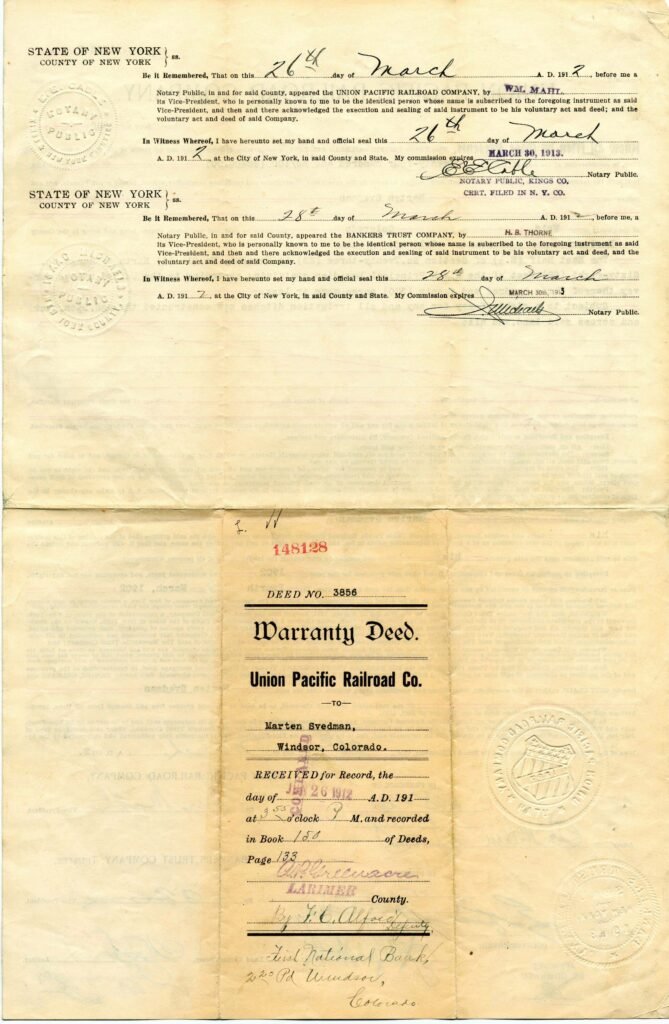
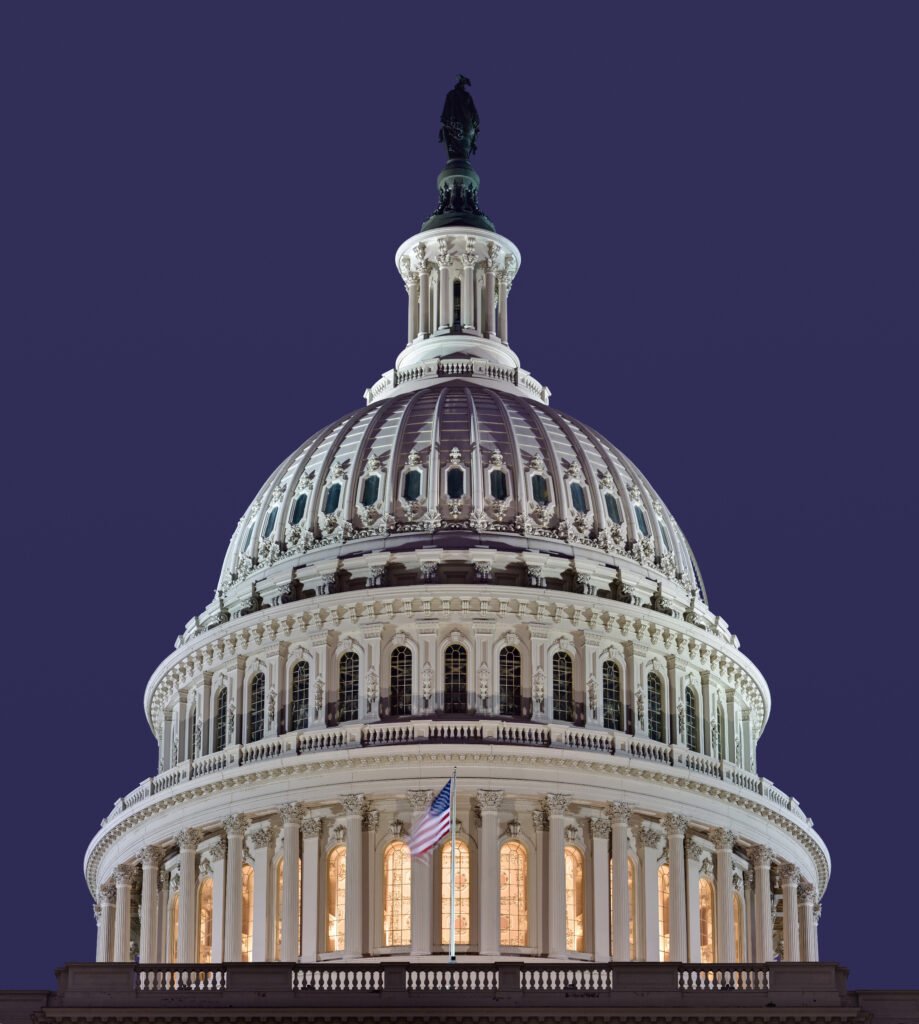
Property law is the body of legal rules that determines who owns a thing, how that ownership can be acquired, transferred, or lost, and what rights an owner holds against everyone else. It covers land and buildings as well as movable objects, and it sits alongside contract law and tort law as one of the
Property Law Read More »
The branch of law defining ownership, possession, and transfer of land and movable things.
Public policy is the set of laws, regulations, guidelines, and actions that a government adopts to address problems facing society. It represents the government’s chosen response, or deliberate non-response, to a given issue, and its actual implementation on the ground is generally carried out through the work of public administration. Defining public policy Scholars define
Public Policy Read More »
The set of laws, regulations, and actions a government adopts, or deliberately chooses not to adopt, to address problems facing society.
Regulatory capture is a form of corruption of authority in which a politician, policymaker, or regulatory agency, created to oversee an industry in the public interest, instead becomes co-opted to serve the interests of that very industry or another narrow constituency. Society as a whole loses out when regulators put special interests ahead of the
Regulatory Capture Read More »
A form of corruption in which a regulatory agency, created to serve the public interest, becomes co-opted to serve the industry it regulates.
In simple terms Sanctions are penalties applied between governments rather than inside a courtroom. They cut off trade, money or travel to press a target into changing course. The defining feature is what they are not. They stop short of armed force, sitting between a diplomatic protest and a war. How it works Sanctions come
Sanctions Read More »
Sanctions are restrictions one country or bloc imposes on another state, group or individual to change its behavior without using military force.
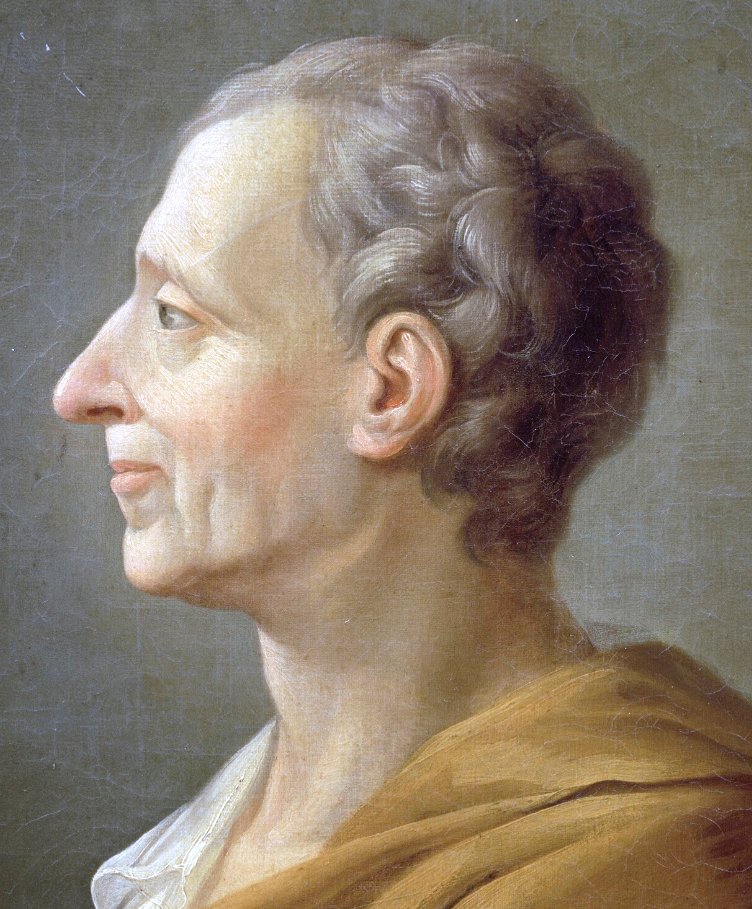
Separation of powers is a model of government organization that divides state authority into separate, independent branches, each holding its own distinct powers, so that no single branch can accumulate enough authority to dominate the others. The eighteenth-century French philosopher Montesquieu is widely credited with coining and popularizing the concept, which has since become a
Separation of Powers Read More »
A model of government that divides state authority among independent branches, paired with checks and balances, to prevent any one from dominating.
Social welfare policy is the set of government programs and interventions designed to secure citizens’ basic wellbeing, typically providing cash or in-kind assistance to people in need along with insurance against risks such as illness, disability, old age, and unemployment. The broader collection of such programs within a country is often called the welfare state,
Social Welfare Policy Read More »
Government programs designed to secure citizens' basic wellbeing through cash aid, insurance, and services against risks like illness and old age.
Sovereignty is the supreme authority a state holds over its own territory and population, free from outside control. It is the organizing principle of the modern international system: every recognized state is treated as the final legal authority within its own borders, equal in legal status to every other state regardless of size or power,
Sovereignty Read More »
The supreme authority a state holds over its own territory and population, free from outside control.
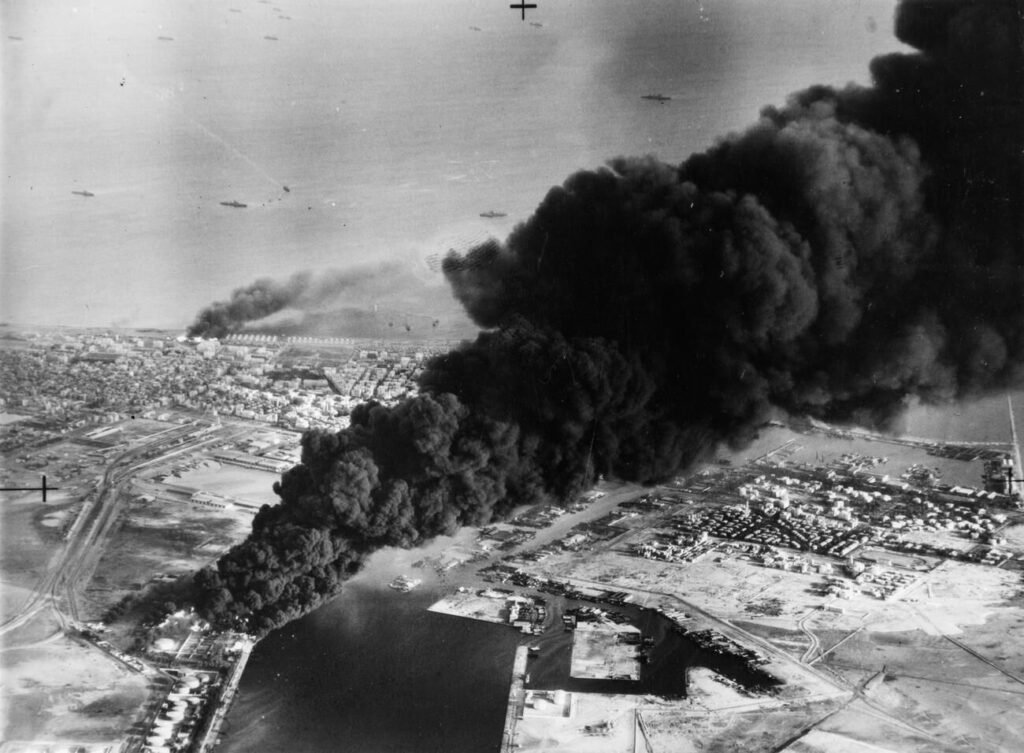
The Suez Crisis of 1956 was an international conflict that began when Egypt nationalized the Suez Canal Company on 26 July 1956 and ended after Britain, France and Israel invaded Egyptian territory in October and November. Pressure from the United States and the Soviet Union and a ceasefire arranged through the United Nations forced the
Suez Crisis Read More »
The 1956 conflict in which Britain, France and Israel invaded Egypt after Nasser nationalized the Suez Canal Company, ending in a UN ceasefire.
The Supreme Court of Alabama is the state’s highest appellate court. Created by the Alabama Constitution of 1819, it holds its first term in Cahaba in 1820 and today has nine members, a chief justice and eight associate justices, chosen in partisan statewide elections for six-year terms.[1][2] Created Constitution of 1819; first term May 1820,
Supreme Court of Alabama Read More »
The Supreme Court of Alabama is the state’s highest court, made up of a chief justice and eight associate justices elected to six-year terms.
Terrorism generally refers to the deliberate use of violence or the threat of violence against civilians or other non-combatants to create fear and advance a political, religious, or ideological goal. Scholars broadly agree that no single definition of terrorism commands universal acceptance, partly because the term carries intrinsically negative connotations and is overwhelmingly applied to
Terrorism Read More »
The deliberate use of violence against civilians to create fear and advance a political or ideological goal.