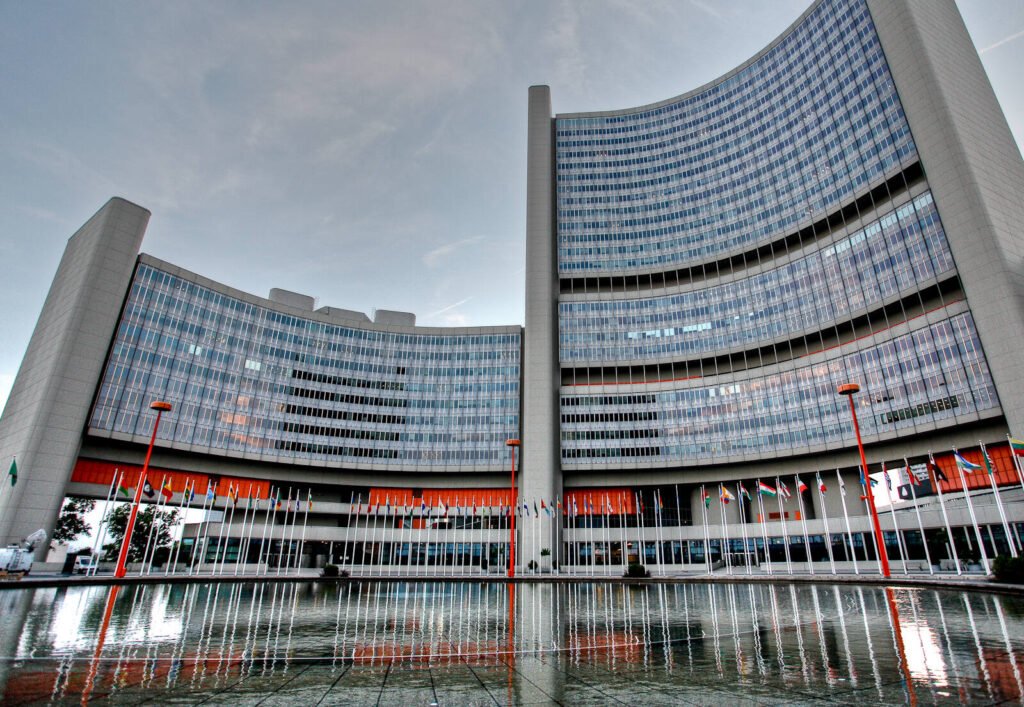
The International Atomic Energy Agency (IAEA) is an autonomous intergovernmental organization based in Vienna, Austria, that promotes the peaceful use of nuclear energy and works to verify that nuclear material is not diverted to weapons. It is linked to the United Nations through a 1957 relationship agreement, and its work covers nuclear safety, security, technology
International Atomic Energy Agency Read More »
The IAEA is a Vienna-based intergovernmental agency that promotes peaceful nuclear energy and verifies that nuclear material is not diverted to weapons.
The International Committee of the Red Cross (ICRC) is a neutral, impartial and independent humanitarian organization, founded in Geneva in 1863, that protects and assists people affected by armed conflict and other violence. States gave it its mandate through the Geneva Conventions, and it works alongside, but separately from, the national Red Cross and Red
International Committee of the Red Cross Read More »
The International Committee of the Red Cross is a neutral humanitarian organization, founded in Geneva in 1863, that protects and assists victims of armed conflict.
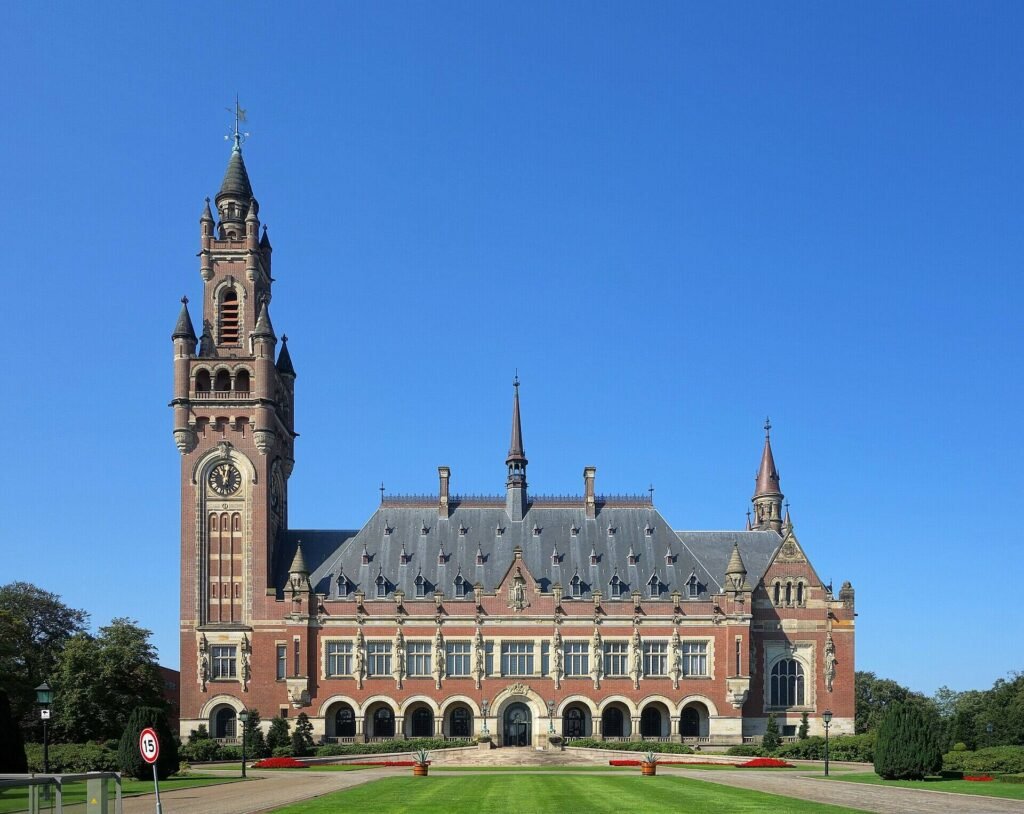
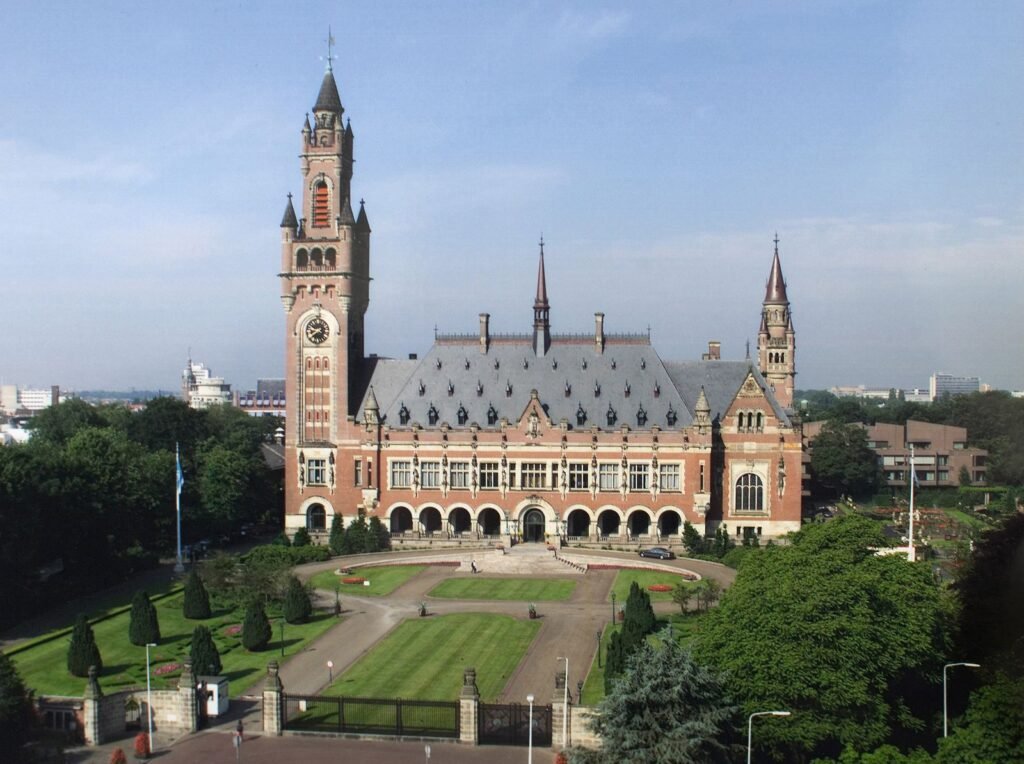
The International Court of Justice (ICJ) is the principal judicial organ of the United Nations. Seated at the Peace Palace in The Hague, it settles legal disputes between states under international law and gives advisory opinions on legal questions referred to it by authorized UN organs and specialized agencies. History of the ICJ The court
International Court of Justice Read More »
The ICJ is the principal judicial organ of the United Nations, settling legal disputes between states and giving advisory opinions from The Hague.
The International Criminal Court (ICC) is a permanent international tribunal in The Hague that investigates and tries individuals accused of genocide, crimes against humanity, war crimes and the crime of aggression. It is governed by a treaty called the Rome Statute, and it acts as a court of last resort that complements national courts instead
International Criminal Court Read More »
The ICC is a permanent tribunal in The Hague that tries individuals for genocide, crimes against humanity, war crimes and aggression under the Rome Statute.
The International Labour Organization (ILO) is the United Nations specialized agency that sets international labor standards and promotes social justice and decent work. Created in 1919, it is the only tripartite UN agency: governments, employers and workers of its 187 member states all have a voice in its decisions. History of the International Labour Organization
International Labour Organization Read More »
The International Labour Organization is the tripartite UN agency, created in 1919, that sets international labor standards and promotes decent work.
International law is the body of rules, customs, and principles that states and other international actors generally accept as binding in their relations with one another. It covers an enormous range of subjects, from the conduct of war and the treatment of diplomats to international trade, environmental protection, and human rights. The 19th-century jurist Lassa
International Law Read More »
The body of rules and customs that states generally accept as binding in their relations with one another.
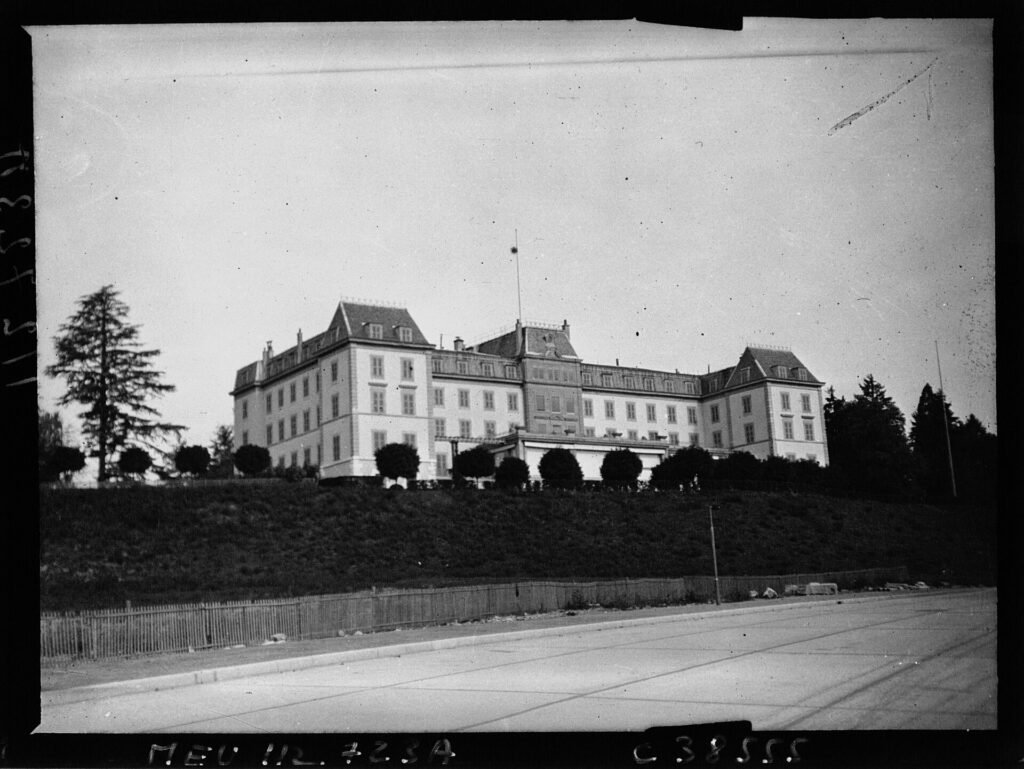
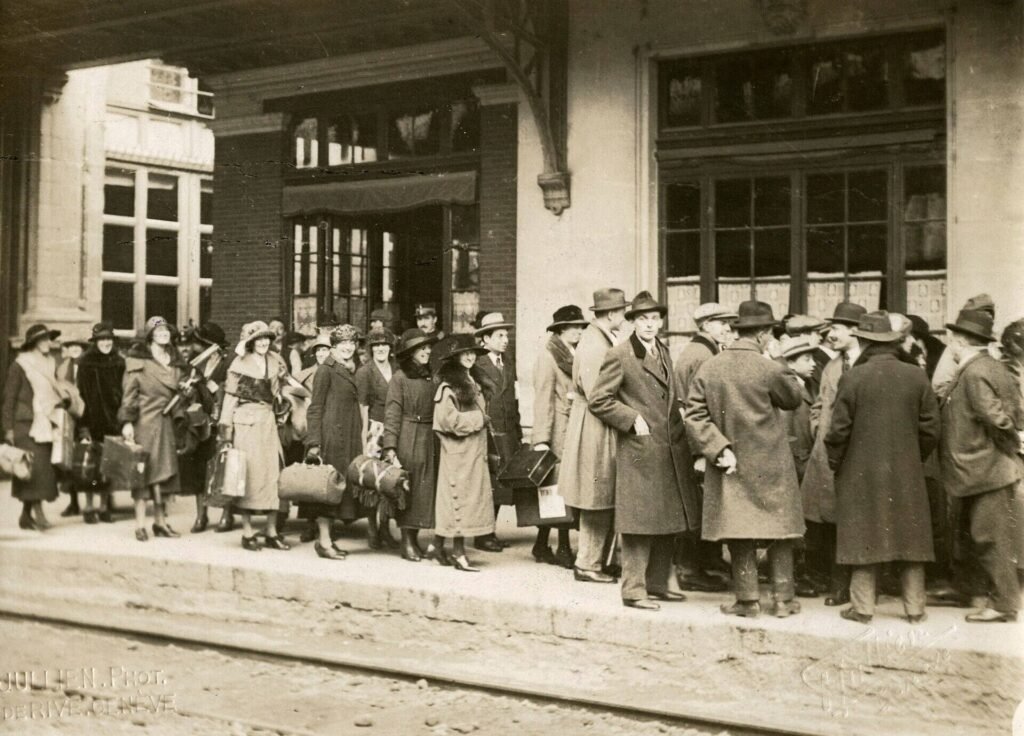
The League of Nations was the first intergovernmental organization founded to promote international cooperation and to achieve international peace and security. It operated from 1920 to 1946 with its headquarters in Geneva, Switzerland, and it is often called the predecessor of the United Nations. History of the League of Nations President Woodrow Wilson called for
League of Nations Read More »
The League of Nations was the first intergovernmental organization for international peace and cooperation, based in Geneva from 1920 until its dissolution in 1946.
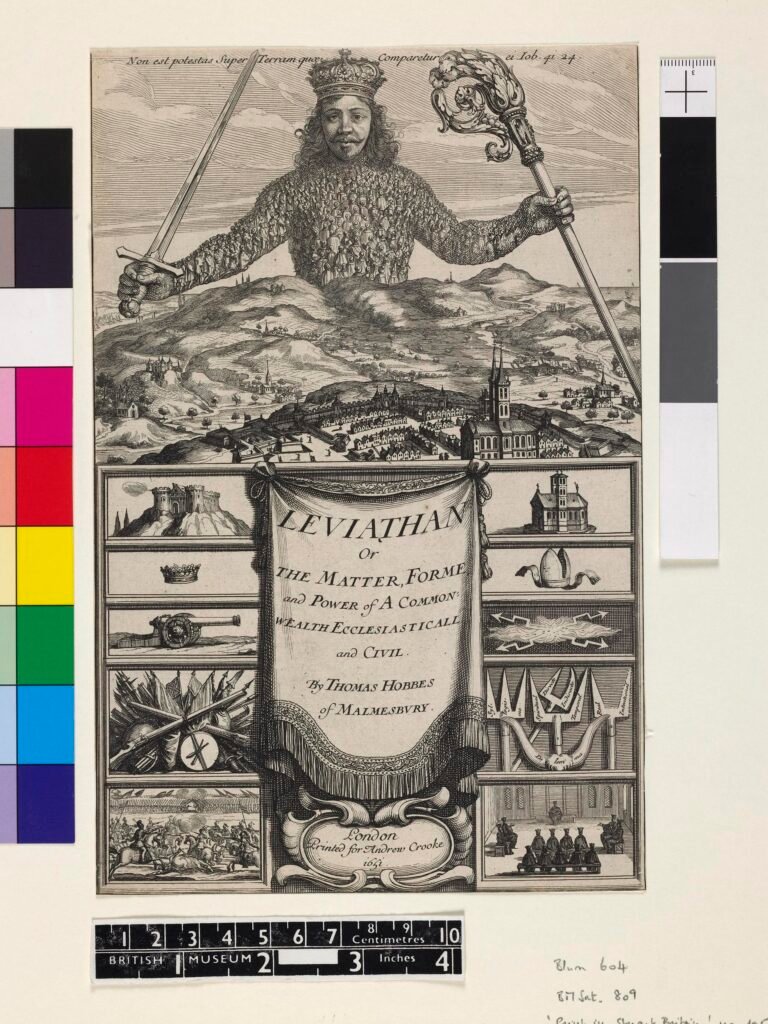
Leviathan is a work of political philosophy by the English thinker Thomas Hobbes, published in London in 1651. It argues that people living without a common authority would fall into constant conflict, and that they should therefore give up some of their freedom to a powerful sovereign who keeps the peace. Its title refers to
Leviathan Read More »
Political philosophy work by Thomas Hobbes, published in 1651, arguing that a strong sovereign is needed to avoid civil war.
Lobbying is the activity of paid professionals, typically called lobbyists, who work to influence key legislators, executives, and other government officials on behalf of a particular client, industry, or cause. It is generally conducted through private meetings, research and position papers, and sustained relationship-building with officials, distinguishing it from the broader, more general right of
Lobbying Read More »
The activity of paid professionals who work to influence legislators and government officials on behalf of a client, industry, or cause.
Maxwell Air Force Base is in Montgomery, Alabama, and with its Gunter Annex employs more than 8,000 military and civilian personnel [1]. Engine and Repair Depot No. 3 was established in 1918 during World War I on the former site of the Wright Brothers’ civilian flying school, and in 1922 the base was renamed Maxwell
Maxwell Air Force Base Read More »
Maxwell Air Force Base in Montgomery, Alabama, grew from a 1918 depot into the home of Air University, founded in 1946.