Conditions That Enable Looting Looting tends to occur when the normal deterrents to theft, including visible police presence, functioning alarm systems, and the simple presence of other people, break down simultaneously during a disaster or civil disturbance. Power outages disable security cameras and alarm systems, evacuation orders empty out entire neighborhoods leaving homes and businesses
Looting Prevention Read More »
Looting prevention refers to the security measures and law enforcement strategies used to protect vacant or damaged properties from theft during disasters, civil unrest, or evacuations.
Overview Loss prevention describes the practices retailers and other businesses use to reduce shrinkage, the gap between inventory a business should have on hand and what it actually has, caused by theft, fraud, and simple administrative mistakes. While closely related to the broader concept of asset protection, loss prevention as a professional discipline developed specifically
Loss Prevention Read More »
Loss prevention is a set of practices, primarily used in retail, aimed at reducing shrinkage caused by theft, fraud, and operational error.
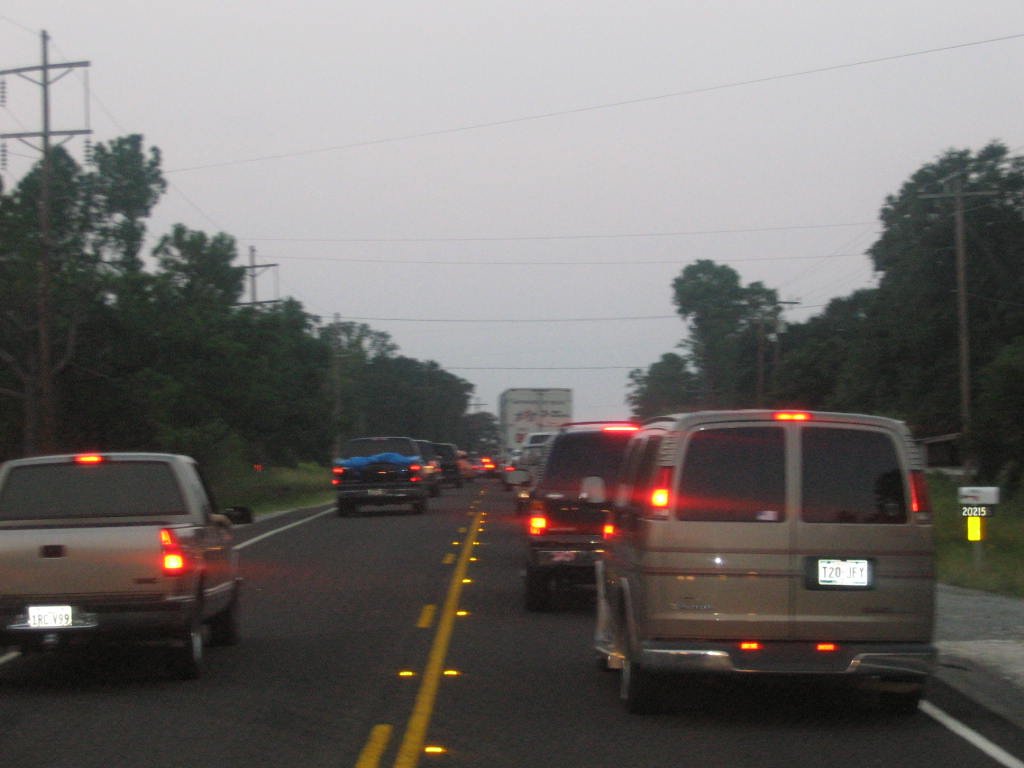
Planning Considerations Mass evacuation security planning begins long before any actual emergency, requiring authorities to map evacuation routes with sufficient capacity for the expected population, identify vulnerable populations such as hospital patients, nursing home residents, and people without personal vehicles who need special transportation assistance, and establish clear communication systems to issue evacuation orders and
Mass Evacuation Security Read More »
Mass evacuation security involves planning and managing the safe, orderly movement of large populations away from danger while preventing crime, chaos, and secondary harm during the process.
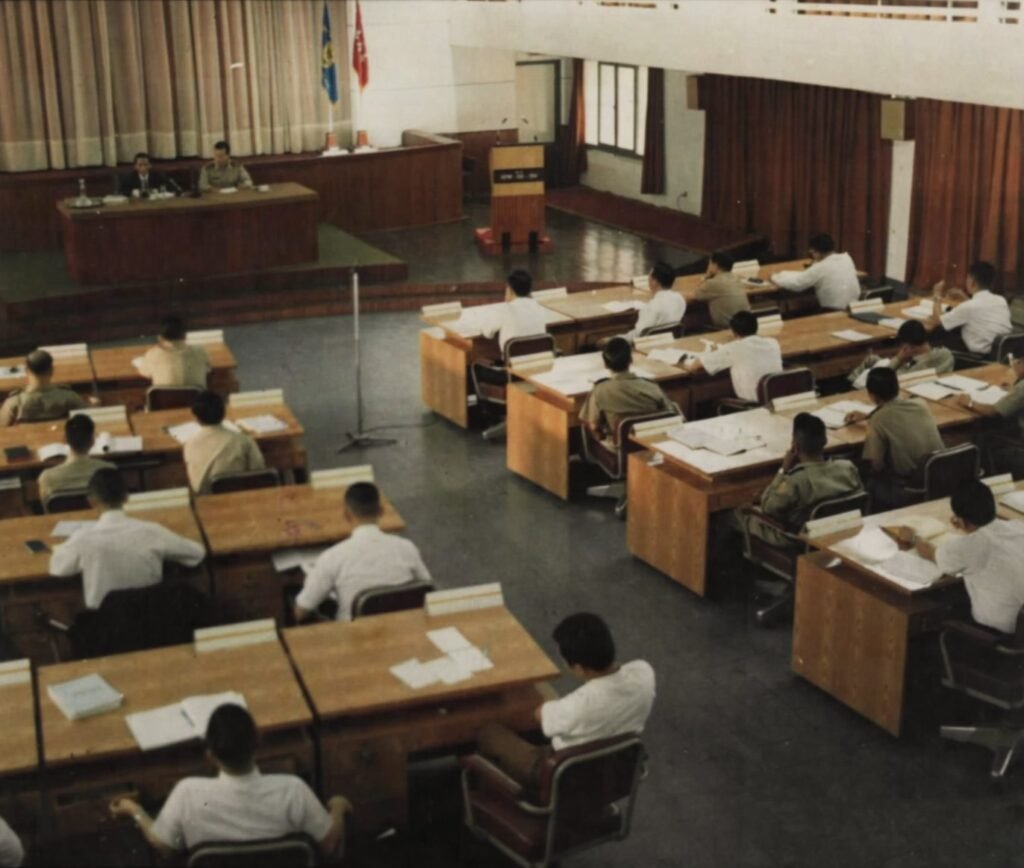
Overview Military doctrine is the body of officially approved principles that guides how an armed force organizes, trains, and employs itself in operations. It functions as a shared professional vocabulary and framework, allowing commanders and units across a large organization to understand how they are expected to fight and cooperate even without detailed, case specific
Military Doctrine Read More »
Military doctrine is the officially sanctioned set of principles and guidelines that describes how a military organization intends to conduct operations and employ its forces.
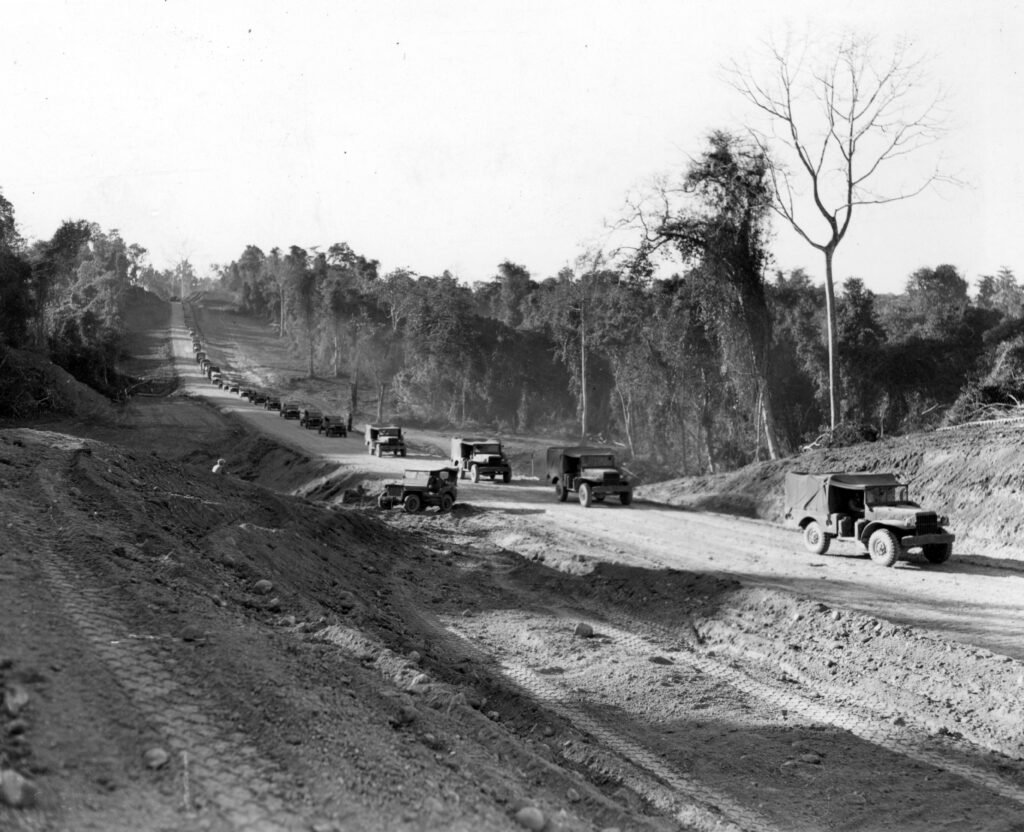
Overview Military logistics covers the planning, movement, and sustainment of the people, equipment, and supplies that armed forces need to operate. It includes transportation of troops and materiel, the supply of fuel, food, and ammunition, maintenance of vehicles and weapons, and the evacuation and treatment of casualties. Historical importance Logistics has shaped the outcome of
Military Logistics Read More »
Military logistics is the planning and management of the movement, supply, and maintenance of military forces, covering everything from fuel and ammunition to food, transportation, and equipment repair.
Overview Military strategy is the discipline concerned with planning and directing the large scale use of armed force to achieve the political aims of a state or other organized group. It sits above the level of individual battles, connecting the conduct of campaigns to the broader purposes a government or movement is trying to achieve,
Military Strategy Read More »
Military strategy is the planning and coordination of armed forces and resources to achieve political objectives through the threat or use of force.
Overview Miranda rights refer to a set of warnings that police officers in the United States are constitutionally required to give before questioning a suspect who is in custody, informing the individual of their right to remain silent, that anything they say can be used against them in court, and their right to have an
Miranda Rights Read More »
Miranda rights are the set of warnings that police in the United States must give to a suspect in custody before conducting an interrogation, informing them of their right to remain silent and to have an attorney present.
Dual Role and Command Structure The National Guard occupies a unique position in many federal systems, serving as both a reserve component of national military forces and a resource directly available to state or regional governments for domestic missions. In the United States, this dual status means Guard units can be activated by state governors
National Guard Deployment Read More »
National Guard deployment refers to the activation of reserve military forces to support domestic security, disaster response, and civil order operations within their home country.
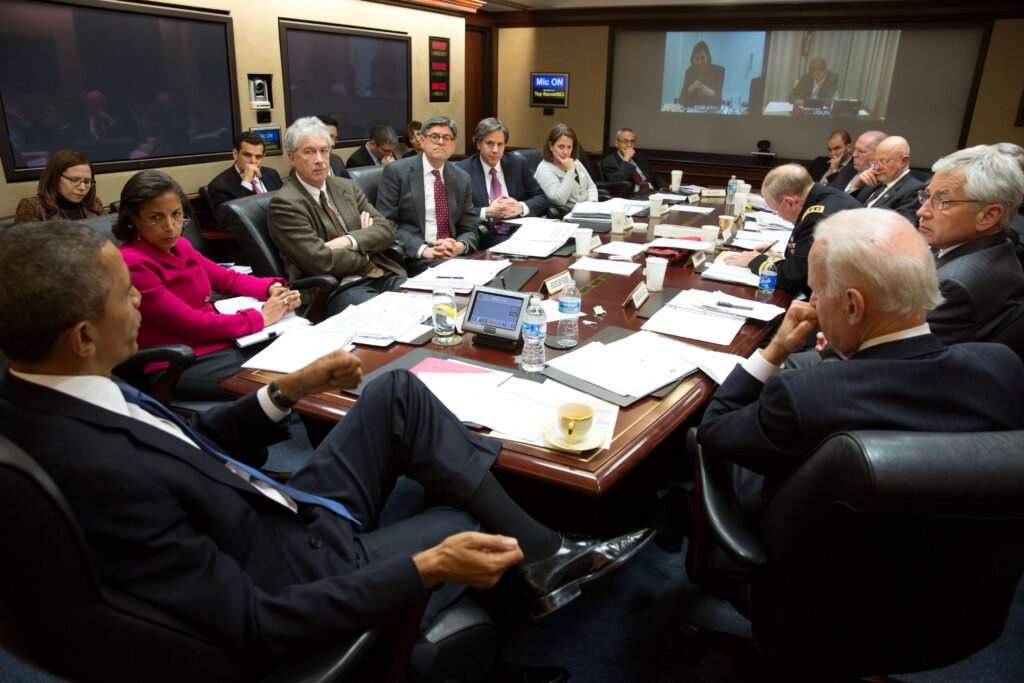
Overview A national security strategy is the highest-level statement a government produces about the dangers it sees in the world and how it intends to respond to them. Rather than focusing narrowly on the armed forces, a modern national security strategy typically weaves together military, economic, diplomatic, and homeland concerns into a single coherent outlook.
National Security Strategy Read More »
A national security strategy is a formal document in which a government sets out its priorities, threats, and plans for protecting the nation.
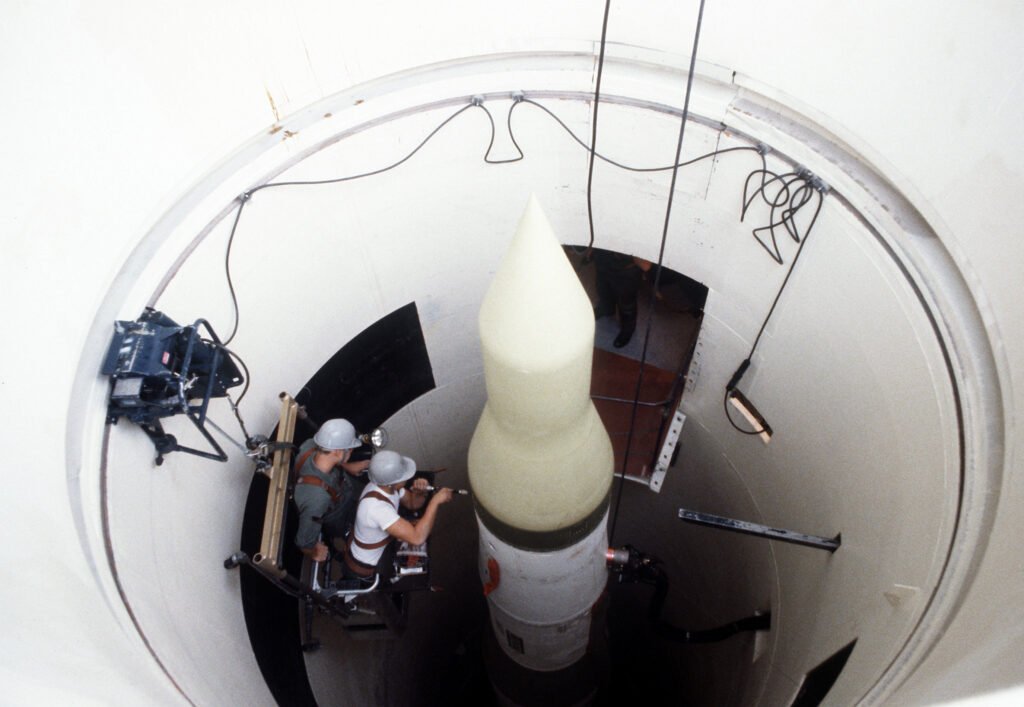
Overview Nuclear deterrence is a strategic concept in which the possession of nuclear weapons is used not primarily to fight wars but to prevent them, by threatening an adversary with retaliation so severe that any attack becomes irrational. The strategy depends less on the weapons themselves than on an adversarys belief that they would actually
Nuclear Deterrence Read More »
Nuclear deterrence is a strategy in which a state maintains nuclear weapons capable of inflicting unacceptable damage on an adversary, with the goal of discouraging that adversary from launching an attack.