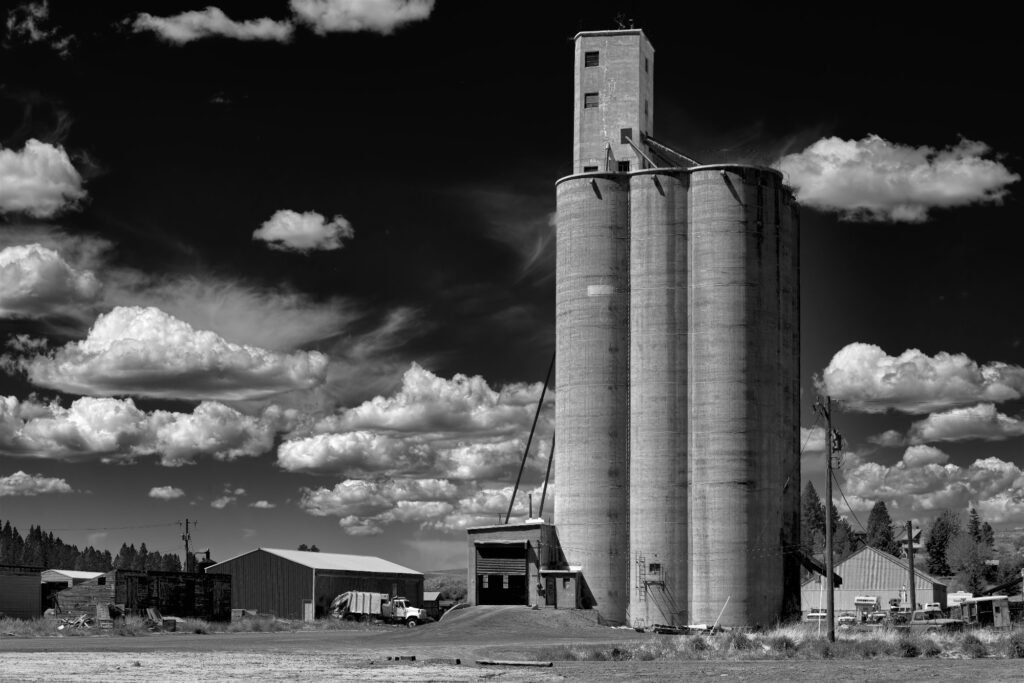
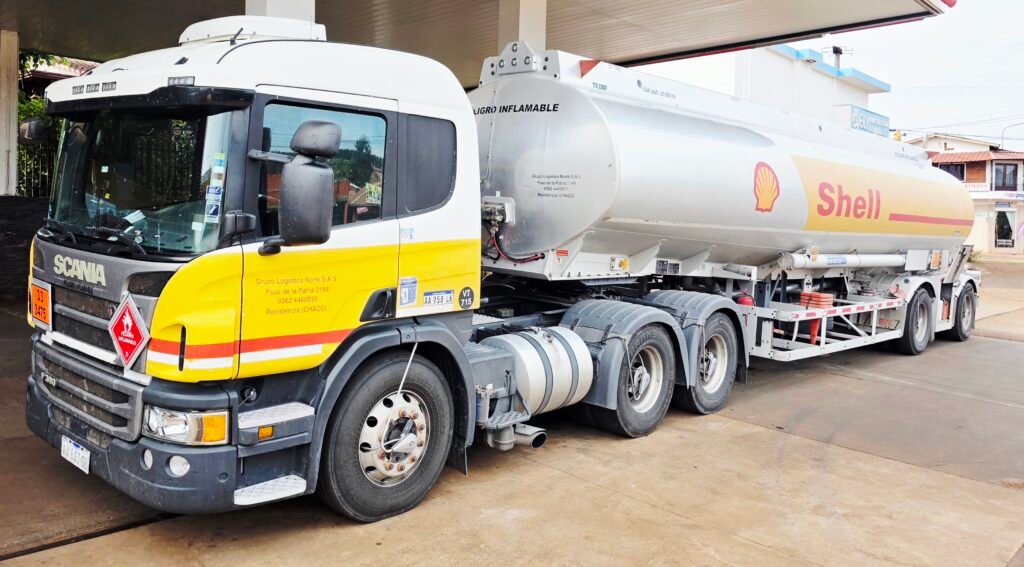
What Bulk Cargo Is Bulk cargo refers to freight shipped in large, unpackaged quantities rather than in individual boxes, pallets, or containers. Dry bulk commodities such as grain, coal, iron ore, and cement are loaded loose into a ship’s hold or a rail hopper car. Liquid bulk commodities such as crude oil, refined fuels, and
Bulk Cargo Read More »
Bulk cargo is freight transported in large, unpackaged quantities, such as grain, coal, ore, or liquid chemicals, typically carried loose in a ship's hold or a dedicated tank rather than in individual packages.
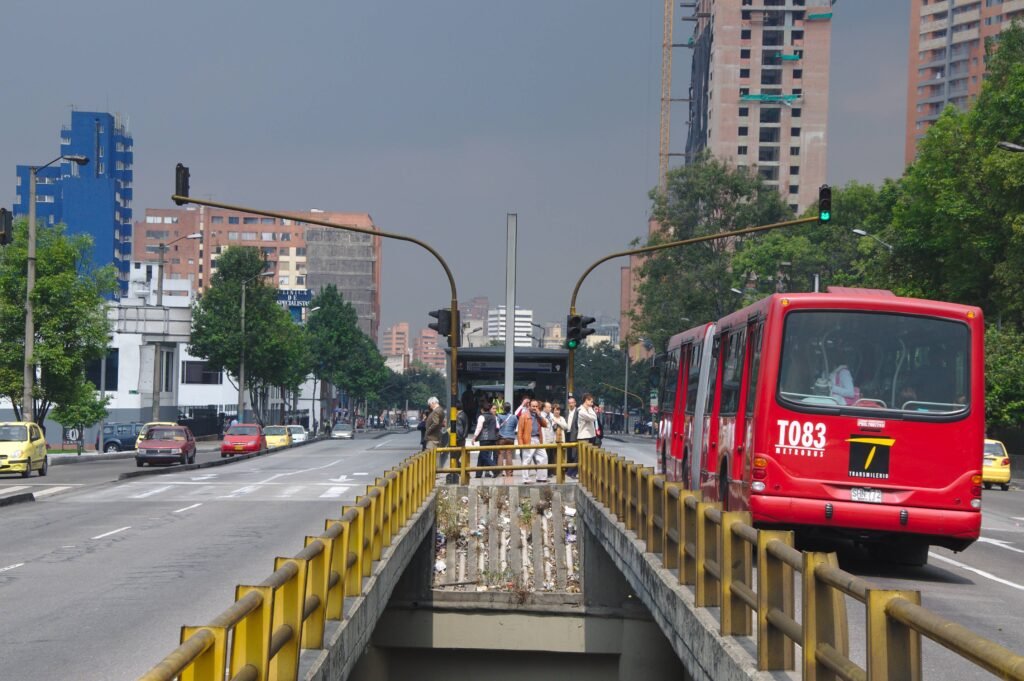
Origins in Curitiba Bus rapid transit traces its modern form to Curitiba, Brazil, where city planners in the 1970s built a network of dedicated busways, tube-shaped boarding stations with pre-paid fare collection, and articulated buses to move large passenger volumes without the capital cost of building a subway or light rail line. The Curitiba model
Bus Rapid Transit Read More »
Bus rapid transit is a high-capacity bus system using dedicated lanes, stations, and priority signaling to approximate the speed and reliability of rail transit at lower cost.
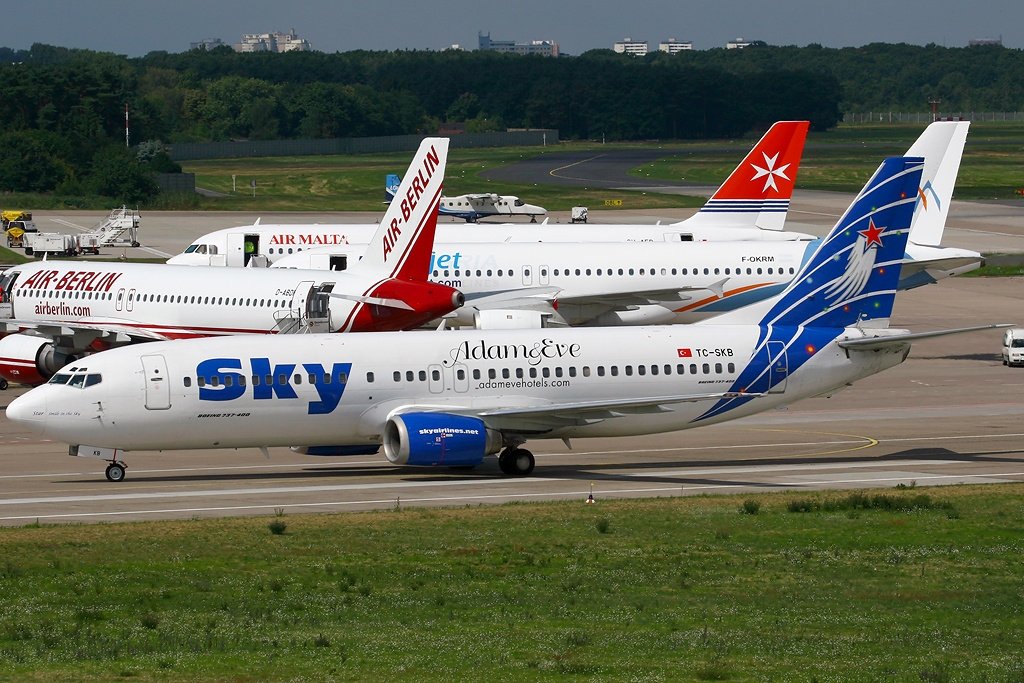
What Commercial Aviation Covers Commercial aviation encompasses the airlines and operators that carry passengers and cargo for payment, including scheduled passenger service, dedicated cargo carriers, and charter operations. It is distinct from general aviation, which covers private, recreational, and non-revenue flying, and from military aviation, which serves defense purposes. Scheduled Versus Charter Service Scheduled airlines
Commercial Aviation Read More »
Commercial aviation is the sector of air transport that carries passengers and cargo for compensation using scheduled and chartered flights operated by airlines.
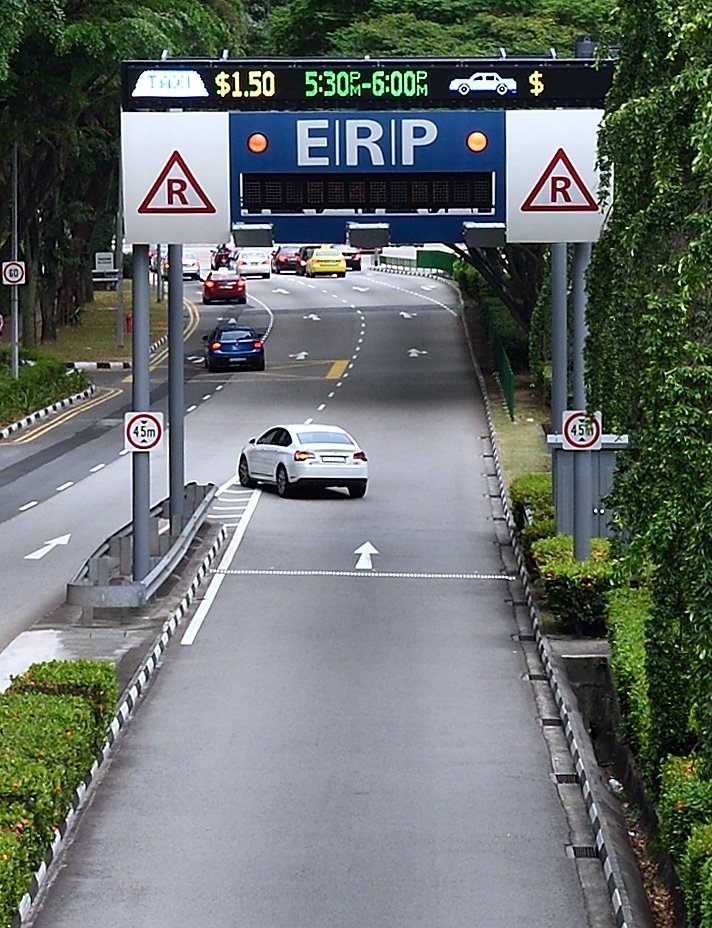
Economic Logic of Pricing Congestion Congestion pricing rests on the economic principle that a driver entering an already-crowded road imposes a real cost on every other driver already on that road, through added travel time, yet typically pays nothing for that external cost under conventional free-road access. By attaching a monetary price to entering a
Congestion Pricing Read More »
Congestion pricing is a policy charging drivers a fee to enter a defined city zone or use certain roads during peak periods, intended to reduce traffic and fund transit.
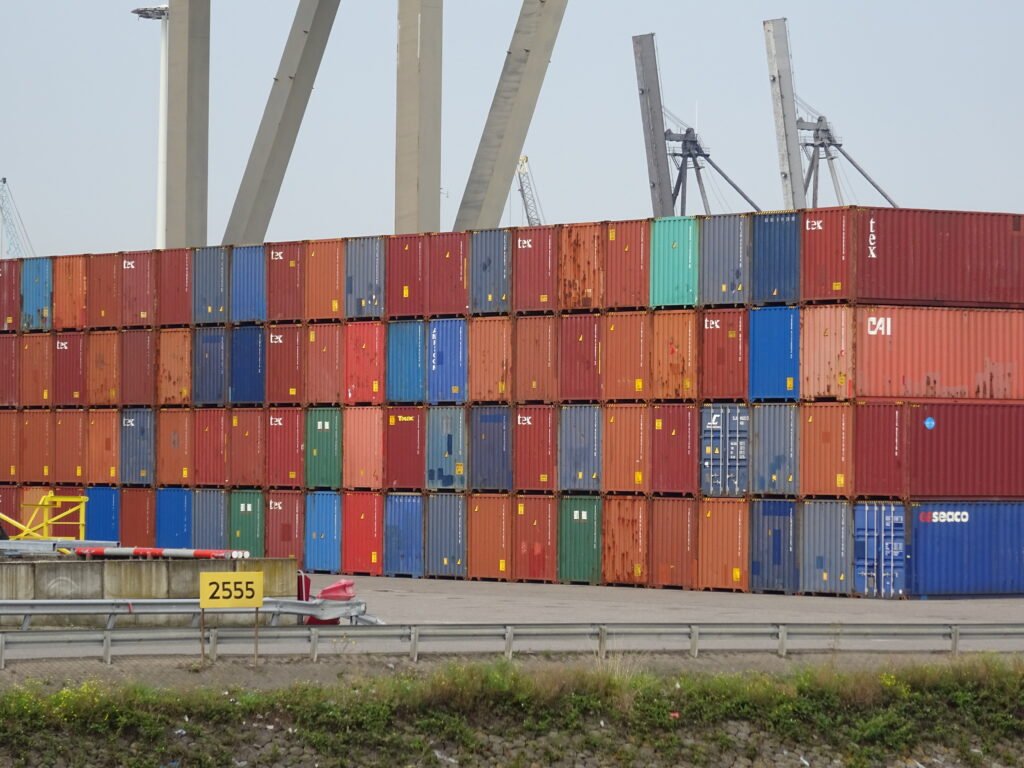
What Containerization Is Containerization is the practice of packing goods into standardized steel shipping containers that can be lifted, stacked, and transferred between ships, trains, and trucks without ever unloading the contents inside. This standardization transformed global freight transportation by making cargo handling fast, predictable, and far less labor-intensive than earlier methods. History and Standardization
Containerization Read More »
Containerization is the system of shipping goods in standardized, stackable metal containers that can be transferred between ships, trains, and trucks without unloading the contents.
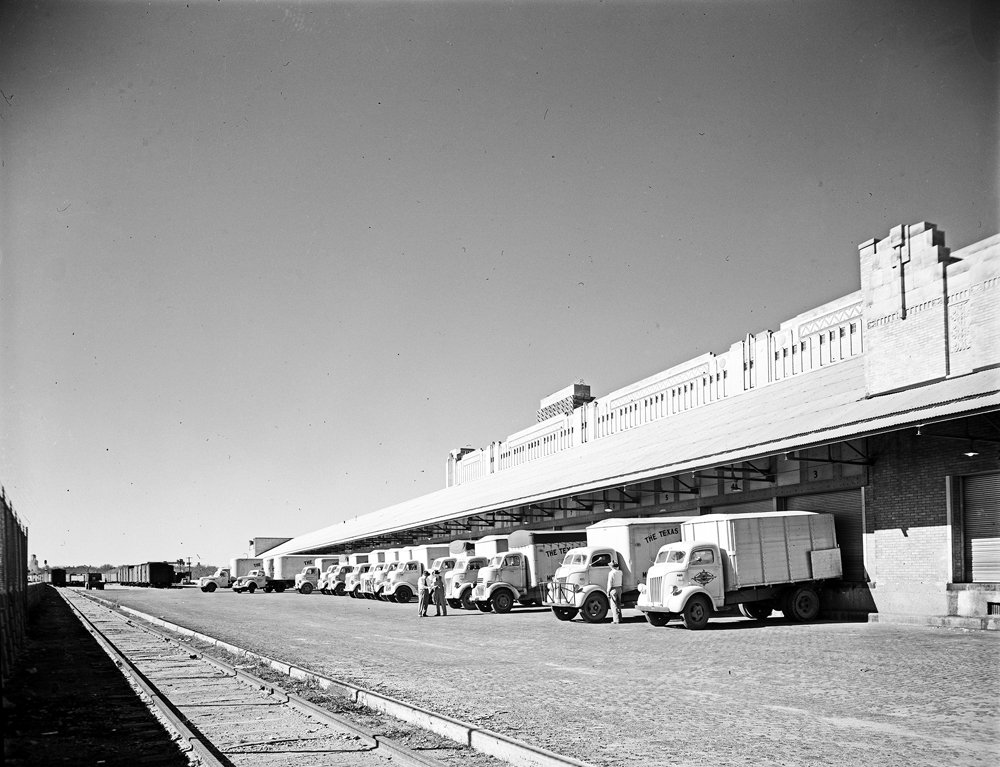
How Cross-Docking Works Cross-docking is a distribution practice in which incoming shipments are unloaded from inbound trucks or containers and transferred directly to outbound vehicles, with little or no time spent in warehouse storage. Goods typically move across a dock floor from one loading bay to another rather than being shelved. Why Companies Use Cross-Docking
Cross-Docking Read More »
Cross-docking is a logistics practice in which incoming goods from a supplier or manufacturer are unloaded and immediately transferred to outbound vehicles with minimal or no storage time.
What Dangerous Goods Transport Covers Dangerous goods transport involves shipping materials that pose a risk to health, safety, property, or the environment during transportation, including explosives, flammable liquids and gases, corrosive substances, radioactive materials, and toxic chemicals. Strict regulations govern how these materials must be packaged, labeled, documented, and handled throughout the shipping process. Hazard
Dangerous Goods Transport Read More »
Dangerous goods transport is the shipping of materials classified as hazardous, such as explosives, flammable liquids, or toxic substances, under strict regulatory controls for packaging, labeling, and handling.
Purpose of Demand Forecasting Demand forecasting predicts how much of a product or service customers will want in a future period. Logistics and supply chain teams use these forecasts to plan inventory levels, production schedules, warehouse staffing, and transportation capacity well in advance of actual orders arriving. Forecasting Methods Quantitative methods range from simple moving
Demand Forecasting Read More »
Demand forecasting is the process of predicting future customer demand for a product using historical data, market trends, and statistical or judgmental methods.
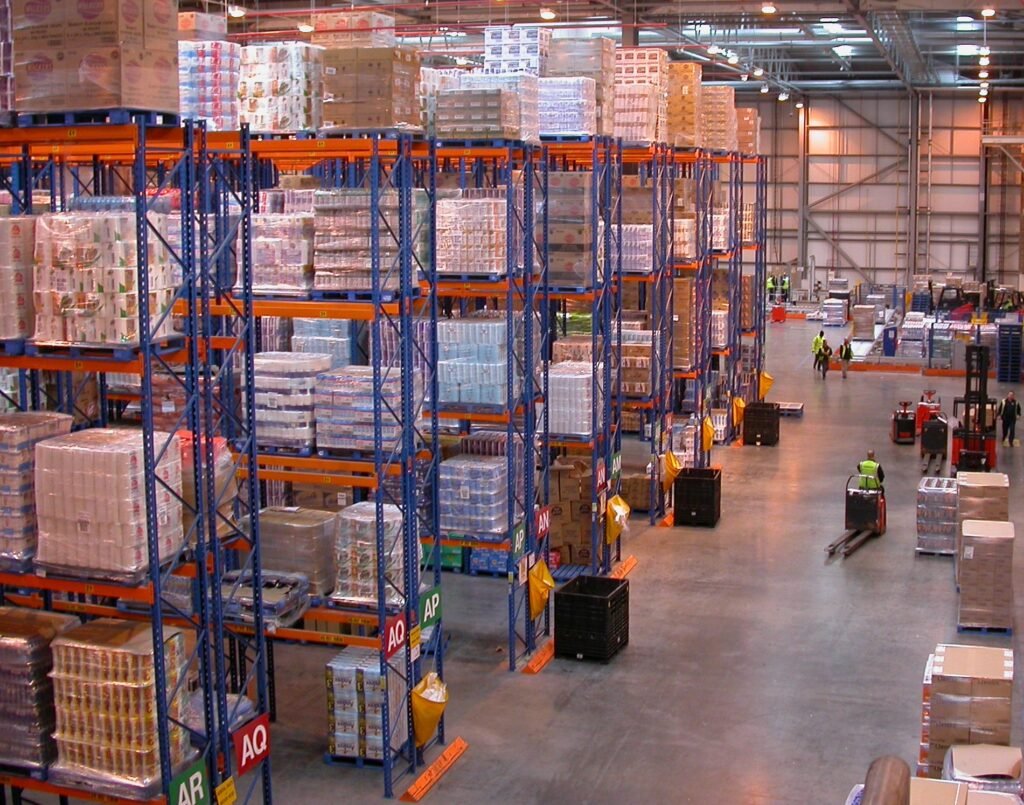
What a Distribution Center Does A distribution center is a facility built to receive large shipments of goods and quickly break them down into smaller shipments for delivery to stores, other warehouses, or directly to customers. Unlike a traditional storage warehouse, a distribution center is optimized for speed and throughput rather than holding inventory for
Distribution Center Read More »
A distribution center is a specialized warehouse facility designed to receive, store briefly, and redistribute goods efficiently to retailers, other warehouses, or end customers.
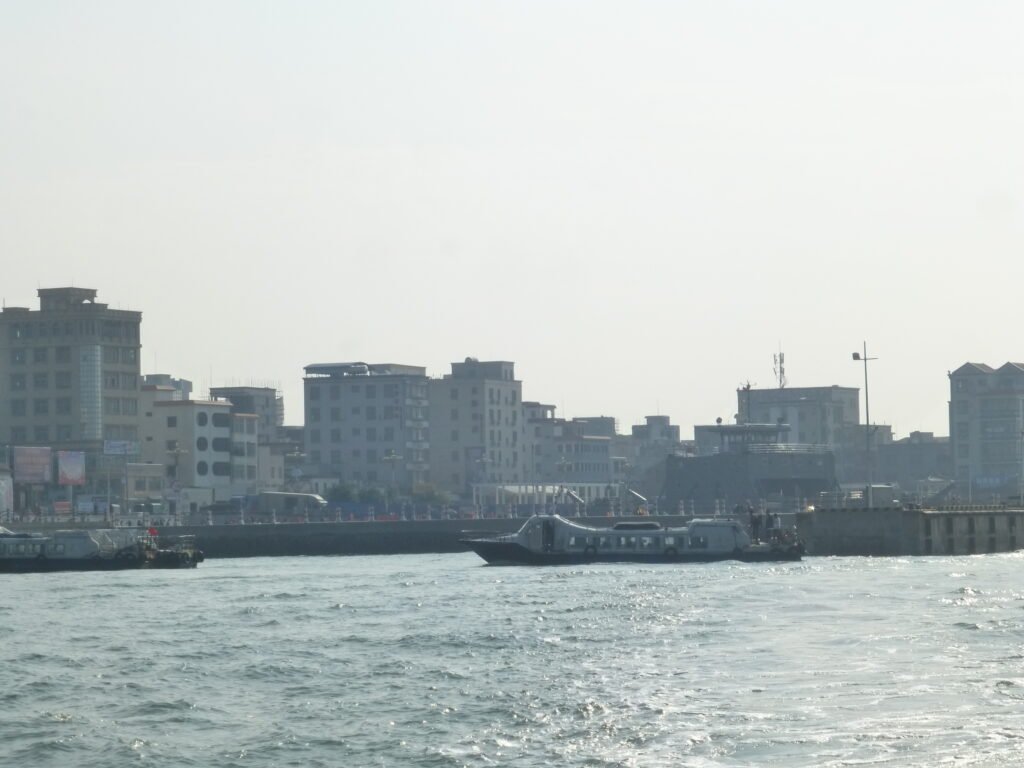
What Ferry Service Covers Ferry service provides scheduled water transportation carrying passengers, vehicles, or both across rivers, bays, straits, or between islands and the mainland. Ferries often serve routes where building a bridge or tunnel would be prohibitively expensive or geographically impractical, making water crossing the most practical transportation option available. Types of Ferry Vessels
Ferry Service Read More »
Ferry service is scheduled water transportation that carries passengers, vehicles, or both across a body of water, often connecting points that lack a bridge or tunnel.