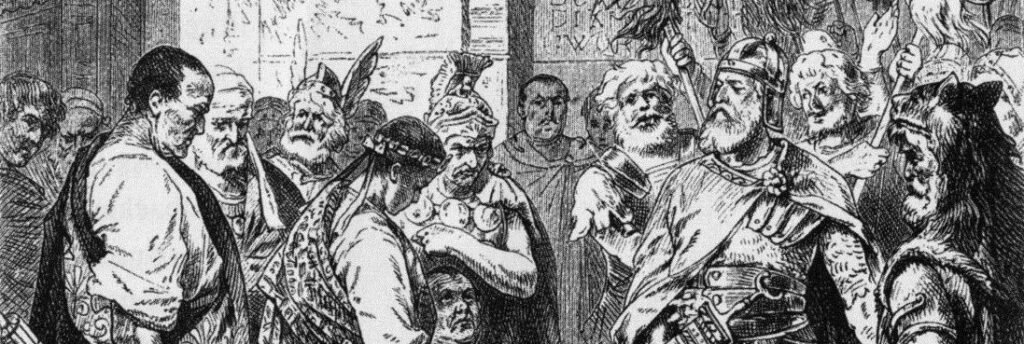
The Fall of the Western Roman Empire was the end of imperial rule in the western half of the Roman Empire, traditionally dated to 4 September 476, when the Germanic general Odoacer deposed the teenage emperor Romulus Augustulus. Odoacer then ruled Italy as a king rather than as an emperor. The eastern half of the
Fall of the Western Roman Empire Read More »
The Fall of the Western Roman Empire was the end of imperial rule in the West, traditionally dated to Odoacer deposing Romulus Augustulus in 476.
The first human heart transplant was performed by the South African surgeon Christiaan Barnard at Groote Schuur Hospital in Cape Town during the night of December 2 and 3, 1967. The recipient, 53-year-old Louis Washkansky, received the heart of Denise Darvall, a 25-year-old woman who had been fatally injured in a traffic accident. Washkansky died
First human heart transplant (1967) Read More »
The operation performed by Christiaan Barnard in Cape Town on December 3, 1967, in which a donor heart was transplanted into a patient.
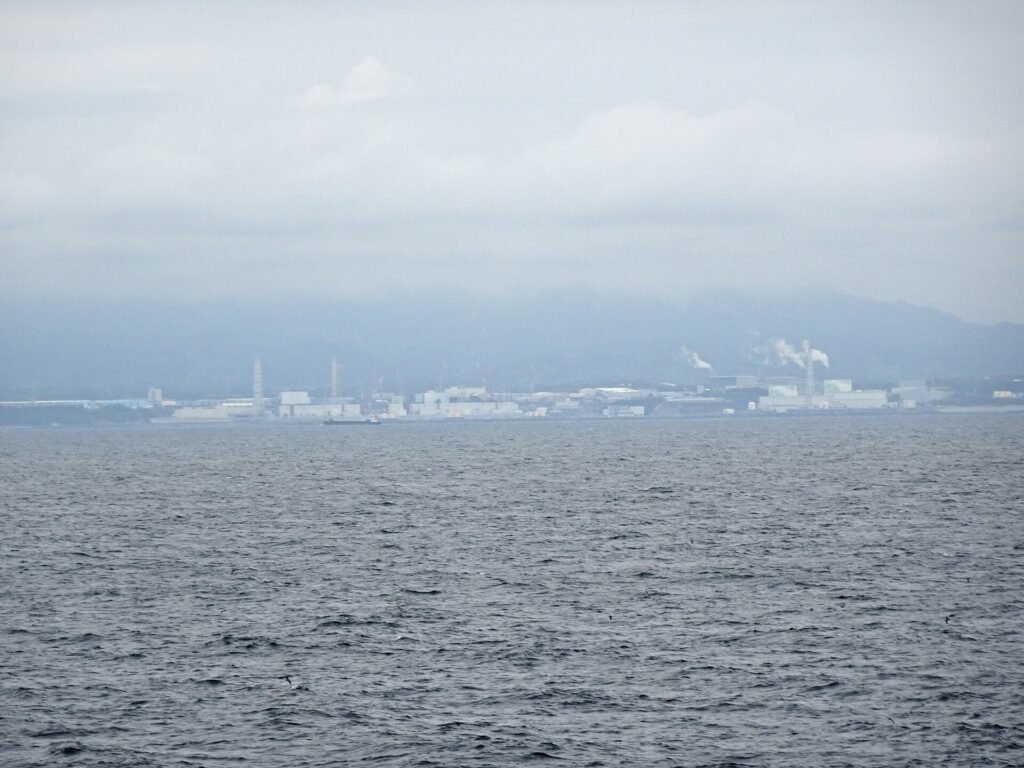
The Fukushima nuclear accident was a disaster at the Fukushima Daiichi nuclear power plant in Japan that began on 11 March 2011, when a huge earthquake and tsunami cut off power and cooling to three reactors. The cores of all three largely melted, radioactive material escaped, and more than 100,000 people were evacuated. It was
Fukushima nuclear accident Read More »
The March 2011 disaster at Japan's Fukushima Daiichi plant, where a tsunami disabled cooling, three reactor cores melted and over 100,000 people were evacuated.
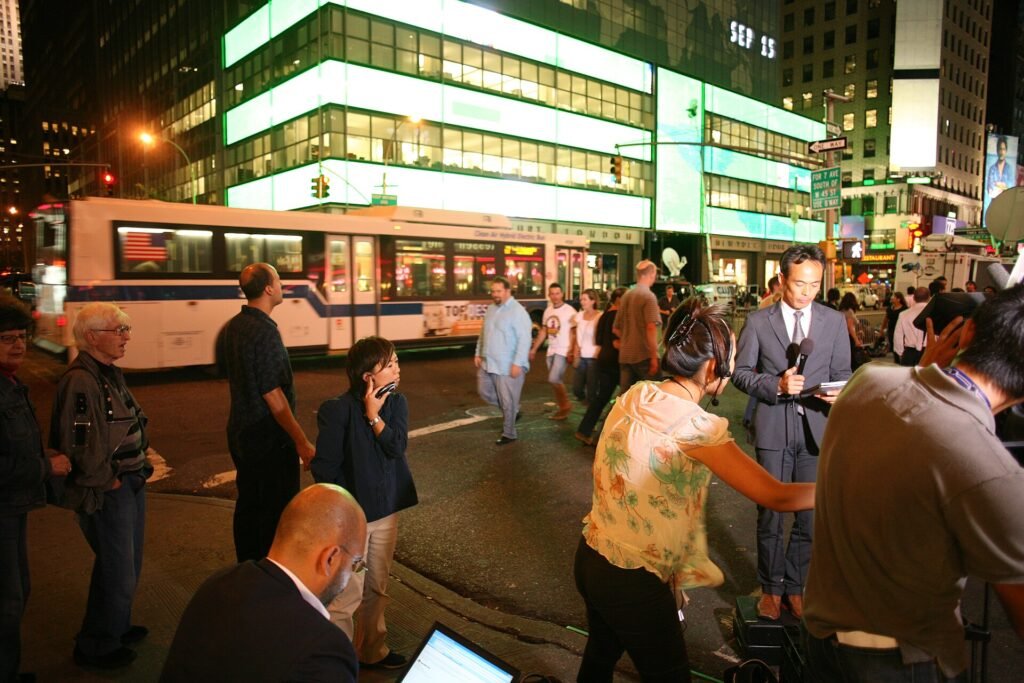
The global financial crisis of 2008 was a severe breakdown in financial markets that began with losses on United States mortgage-related assets and spread to banks and economies around the world. It reached its sharpest point in September 2008, when the investment bank Lehman Brothers failed. The crisis produced the deepest recession in the United
Global financial crisis of 2008 Read More »
The severe breakdown in financial markets in 2007 to 2009, triggered by US mortgage losses and sharpened by the failure of Lehman Brothers in September 2008.
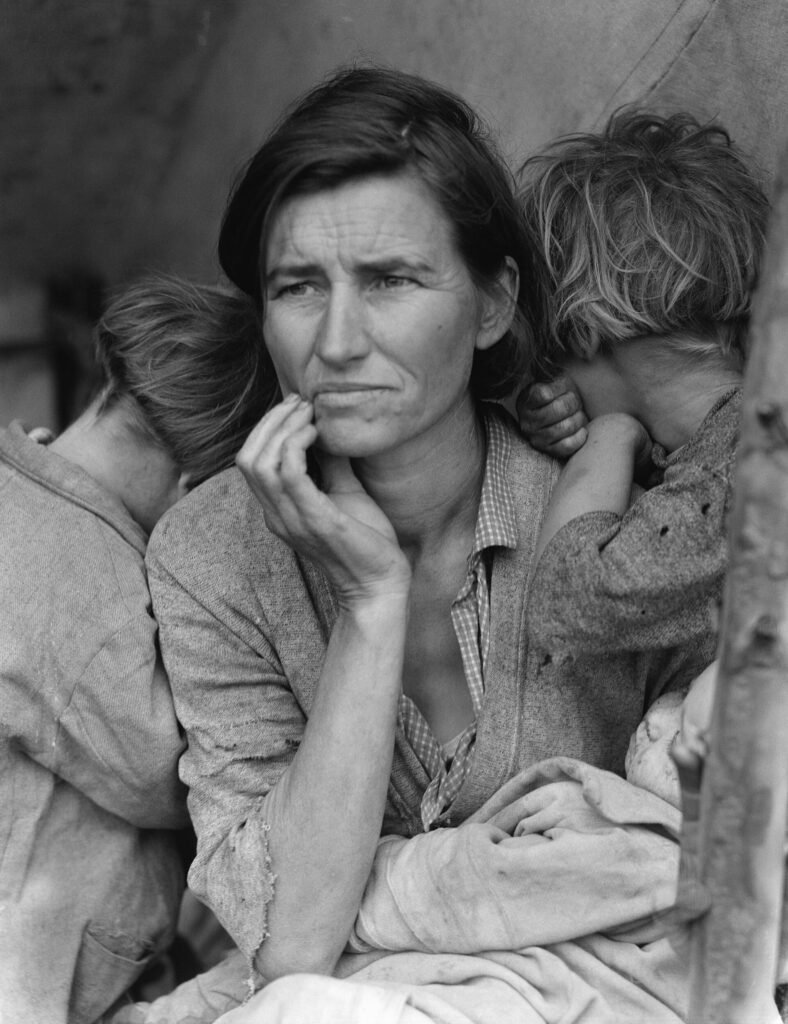
The Great Depression was the longest and deepest economic downturn in the history of the United States and the modern industrial world. It began in 1929, spread across the globe through the 1930s and ended only during the Second World War. Industrial production collapsed, unemployment soared, and banks failed in large numbers. Background to the
Great Depression Read More »
The severe worldwide economic downturn that began in 1929 and lasted until the Second World War, with mass unemployment and bank failures.
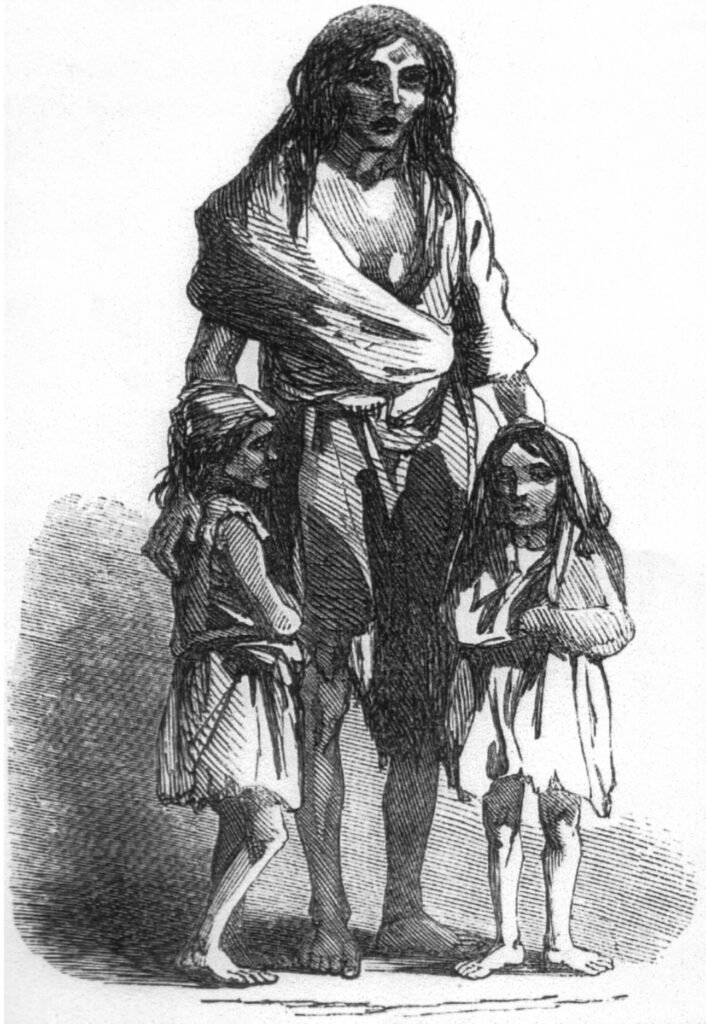
The Great Famine of Ireland, also called the Great Hunger or An Gorta Mór, was a famine caused by repeated failures of the potato crop between 1845 and about 1850. Historians estimate that around one million people died of starvation and disease, and a million or more emigrated, so that the population of Ireland fell
Great Famine of Ireland Read More »
The famine of about 1845 to 1850 in which potato blight and weak relief left around one million dead and drove over a million to emigrate.
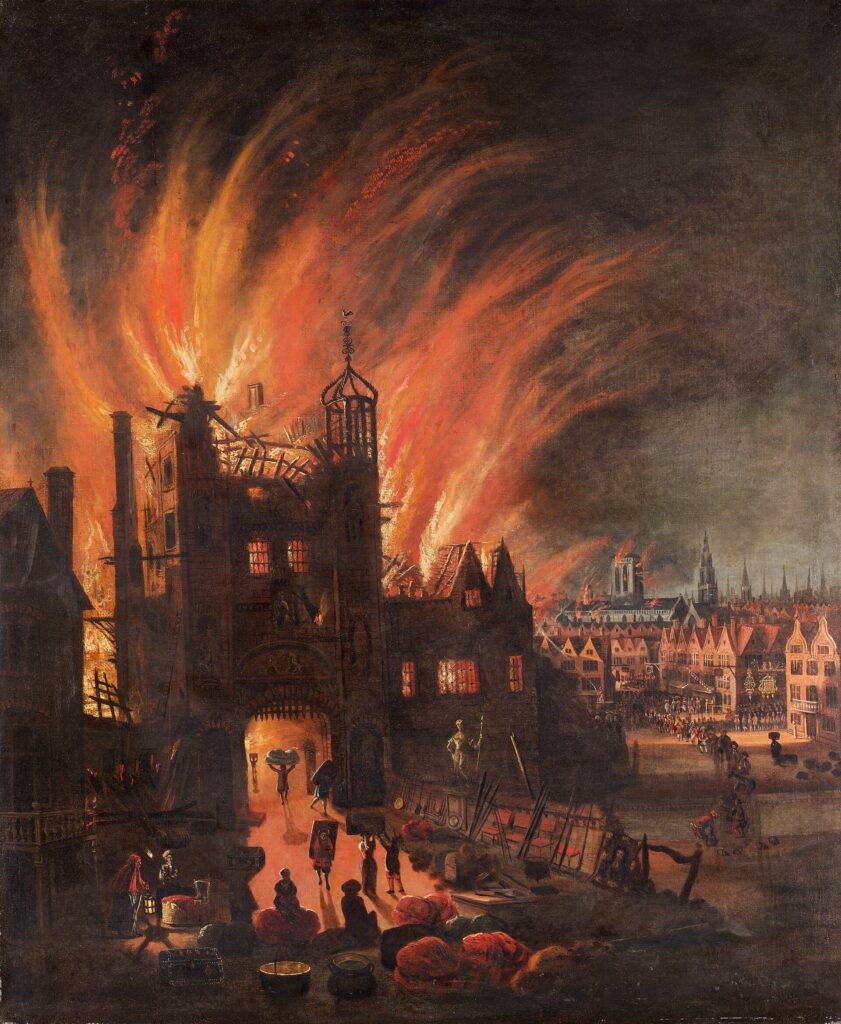
The Great Fire of London was a fire that burned through the medieval City of London from 2 to 6 September 1666. It began in a bakery on Pudding Lane and destroyed more than 13,000 houses, dozens of churches and St Paul’s Cathedral, yet only six deaths are known. Background to the Great Fire of
Great Fire of London Read More »
A fire that burned the City of London from 2 to 6 September 1666, destroying about 13,000 houses and St Paul's Cathedral with six known deaths.
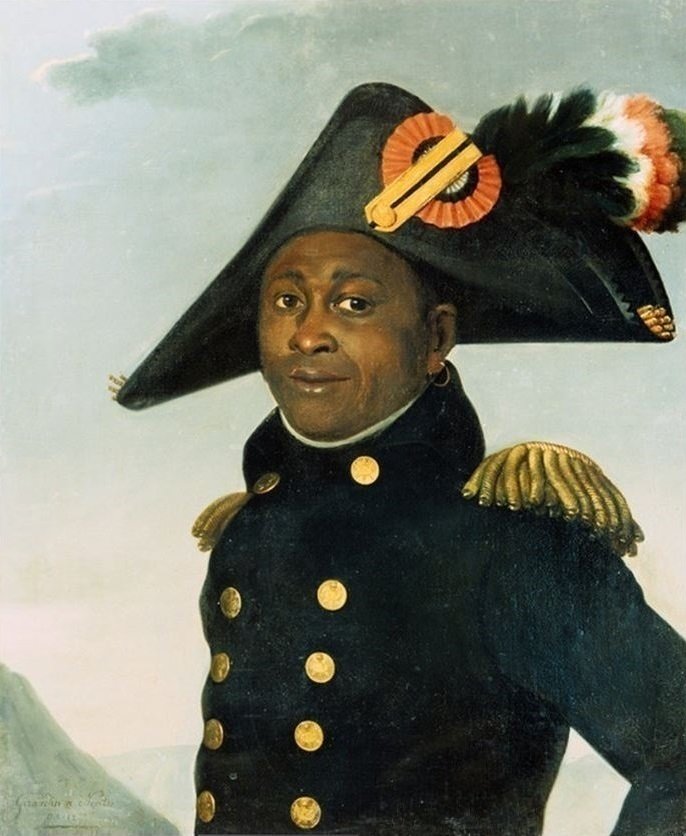
The Haitian Revolution was a series of uprisings and wars from 1790 to 1804 in the French colony of Saint-Domingue, in which enslaved people won their freedom and founded the independent state of Haiti. It brought freedom to about 450,000 enslaved people, according to the International Encyclopedia of the Social Sciences, and Haiti became the
Haitian Revolution Read More »
The 1790 to 1804 uprising in French Saint-Domingue that ended slavery there and created Haiti, the second independent nation in the Americas.
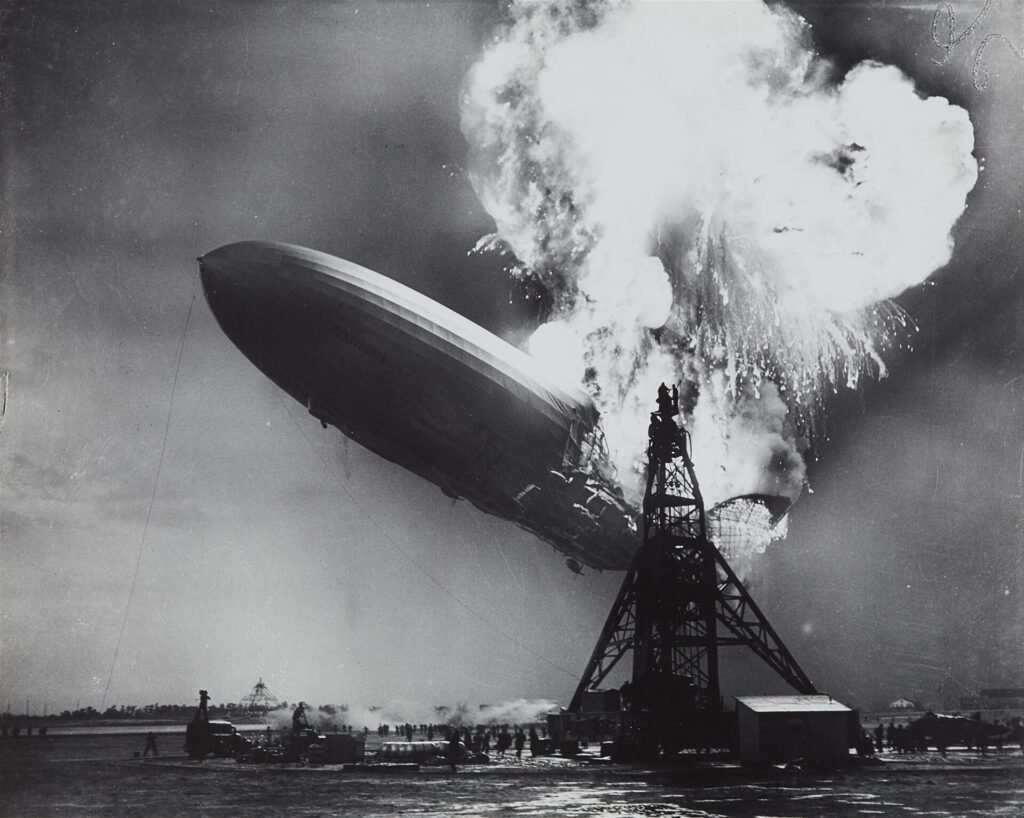
The Hindenburg disaster was the fire that destroyed the German passenger airship LZ 129 Hindenburg as it prepared to moor at Naval Air Station Lakehurst, New Jersey, on 6 May 1937. Thirty-six people died. Photographs, newsreel film and a live radio report made the fire one of the most famous disasters in aviation history, and
Hindenburg disaster Read More »
The fire that destroyed the German airship LZ 129 Hindenburg at Lakehurst, New Jersey, on 6 May 1937, killing 36 people.
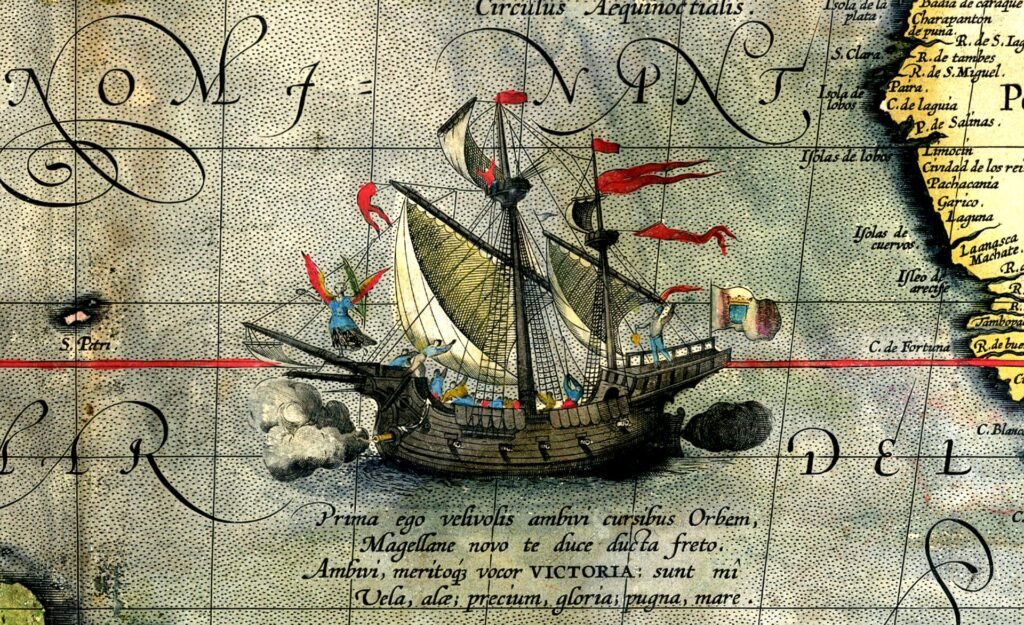
The Magellan-Elcano circumnavigation was the Spanish expedition of 1519 to 1522 that completed the first voyage around the world. The Portuguese navigator Ferdinand Magellan, sailing for Spain, led it until he was killed in the Philippines in April 1521, and the Spanish navigator Juan Sebastián Elcano brought the only surviving ship, the Victoria, back to
Magellan-Elcano circumnavigation Read More »
The Spanish expedition of 1519 to 1522, begun under Ferdinand Magellan and finished by Juan Sebastián Elcano, that made the first voyage around the world.