Hyderabad is the capital of the southern Indian state of Telangana and a major technology and pharmaceutical center, built around a historic old city founded by the Qutb Shahi dynasty in the sixteenth century. Its skyline still centers on Charminar, the monumental gateway that has marked the city’s founding point for more than four hundred
Hyderabad: Geography, History, Culture and Key Facts Read More »
Hyderabad is the capital of Telangana, India, founded around Charminar in 1591 and now a major technology hub.
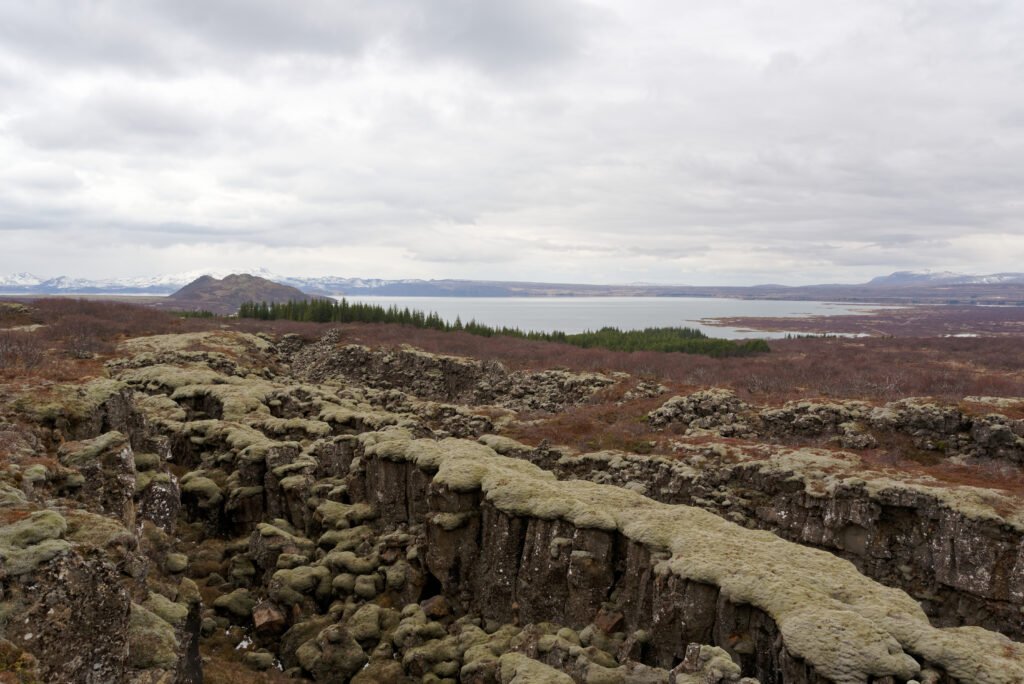
Iceland is an island country in the North Atlantic Ocean, located just south of the Arctic Circle between Greenland and mainland Europe. It is a sovereign parliamentary republic with a population of roughly 392,000 people, one of the most sparsely populated countries in Europe, and it sits directly on the seam where the North American
Iceland: Geography, History, Nature and Key Facts Read More »
Iceland is a volcanic island nation in the North Atlantic, home to the world's oldest surviving parliament and one of the planet's most geologically active terrains.
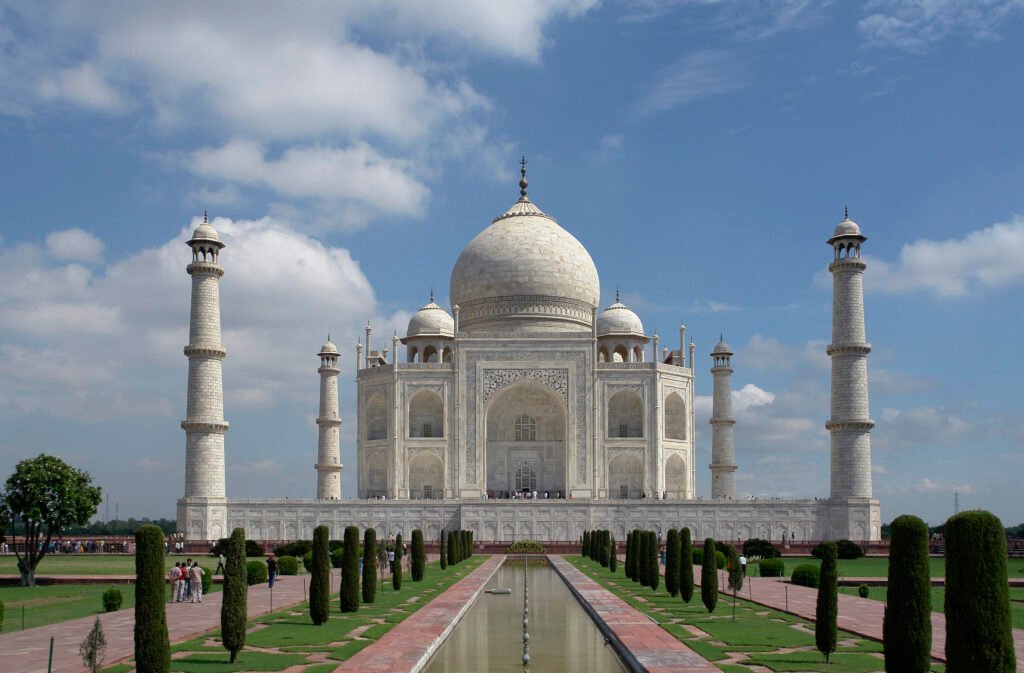
India is a country in South Asia, the seventh-largest in the world by land area and, since 2023, the most populous, with a population estimated at more than 1.4 billion people. It occupies most of the Indian subcontinent, stretching from the high peaks of the Himalayas in the north to the Indian Ocean in the
India: Geography, History, Culture and Key Facts Read More »
India is a South Asian country of more than 1.4 billion people, the world's most populous, stretching from the Himalayas to the Indian Ocean.
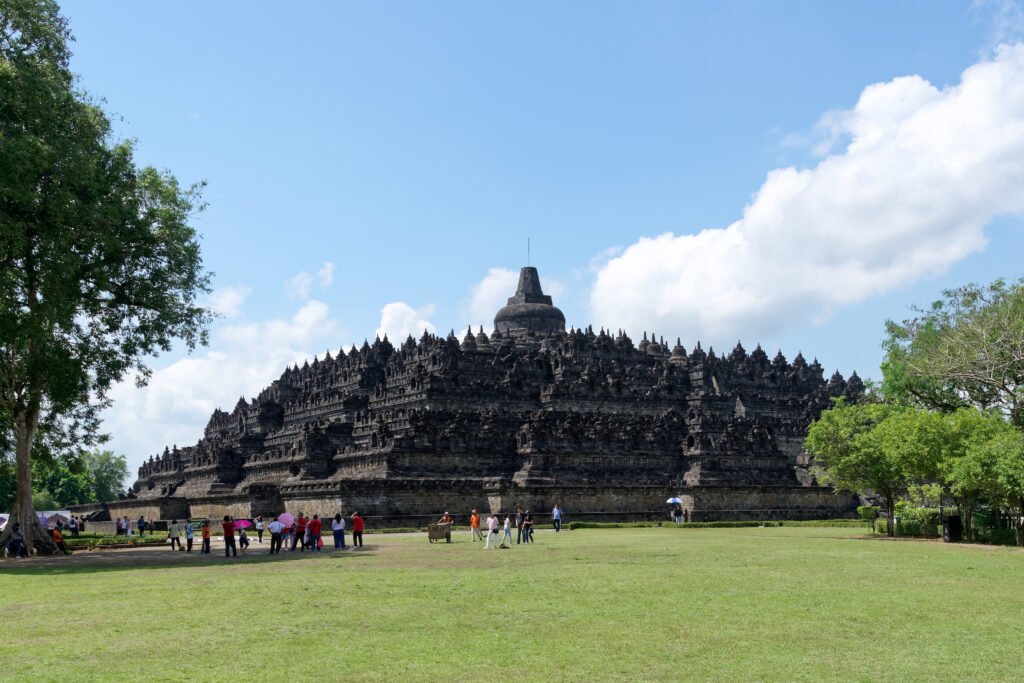
Indonesia is a Southeast Asian country made up of more than 17,000 islands, stretching along the equator between the Indian and Pacific Oceans. It is the world’s largest archipelagic state, the fourth most populous country, and, according to the World Bank, Southeast Asia’s largest economy. Its capital is Jakarta, on the island of Java, though
Indonesia: Geography, History, Culture and Key Facts Read More »
Indonesia is the world's largest archipelagic nation, a Southeast Asian country of more than 17,000 islands and the world's fourth most populous country.
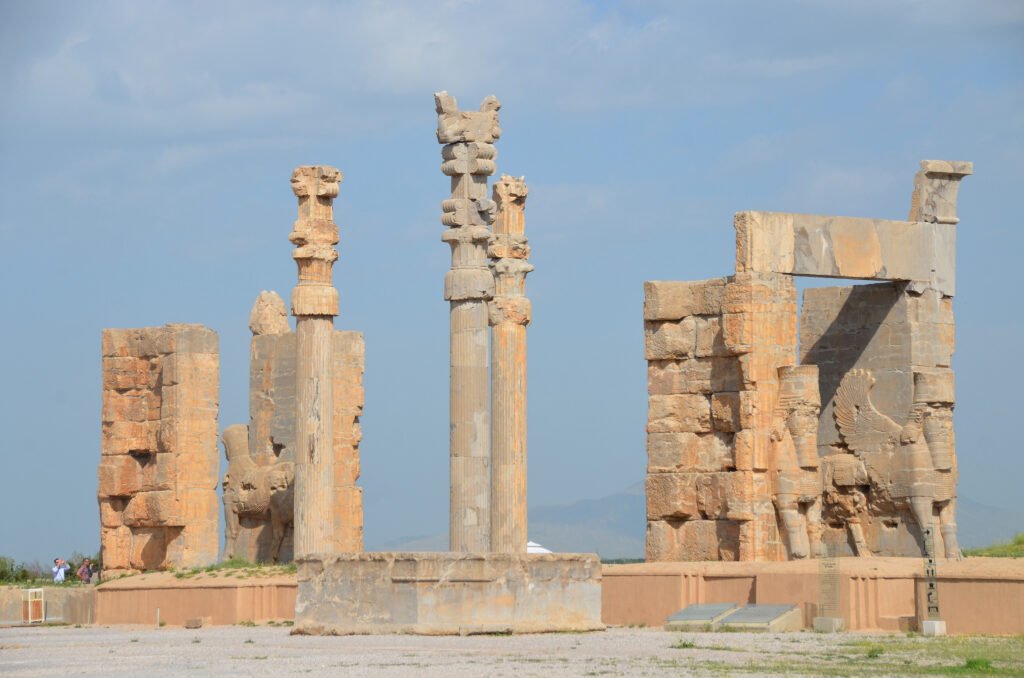
Iran is a large country in western Asia that occupies most of the Iranian Plateau, stretching from the Caspian Sea in the north to the Persian Gulf and the Gulf of Oman in the south. It borders Iraq and Turkey to the west, Armenia, Azerbaijan, and Turkmenistan to the north, and Afghanistan and Pakistan to
Iran: Geography, History, Culture and Key Facts Read More »
Iran is a large Middle Eastern country on the Iranian Plateau, historically the heart of ancient Persia and today an Islamic Republic with major oil and natural gas reserves.
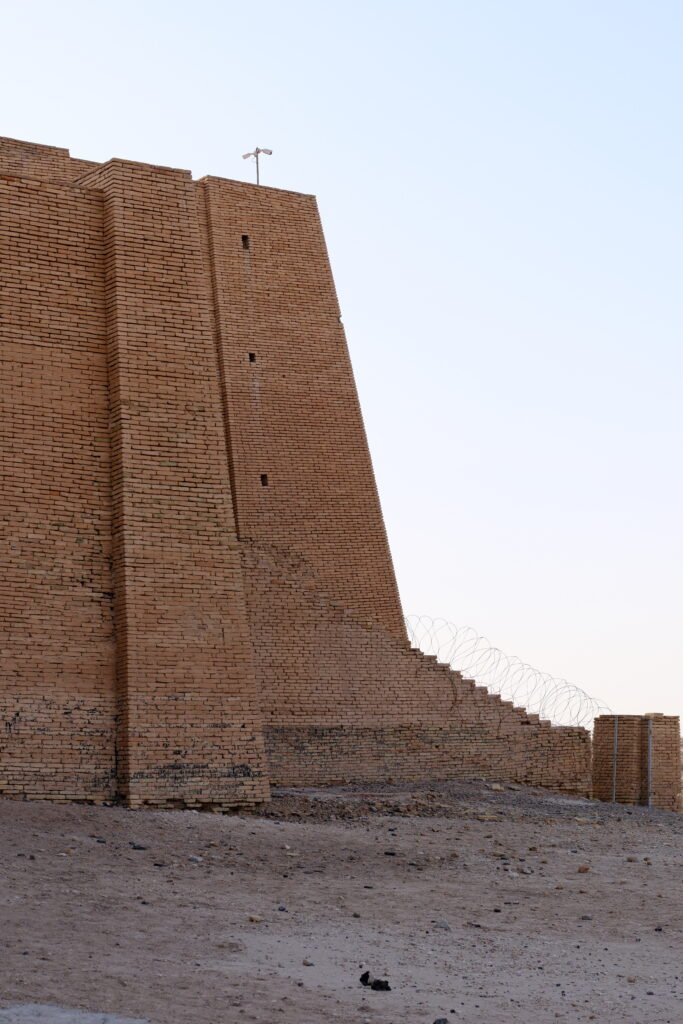
Iraq is a country in the Middle East, positioned where the Tigris and Euphrates rivers run down toward the Persian Gulf. It borders Turkey to the north, Iran to the east, Kuwait and Saudi Arabia to the south, and Jordan and Syria to the west, with a short coastline on the Persian Gulf in the
Iraq: Geography, History, Government and Key Facts Read More »
Iraq is a Middle Eastern country in the historic region of Mesopotamia, home to some of the earliest civilizations and today a federal parliamentary republic.
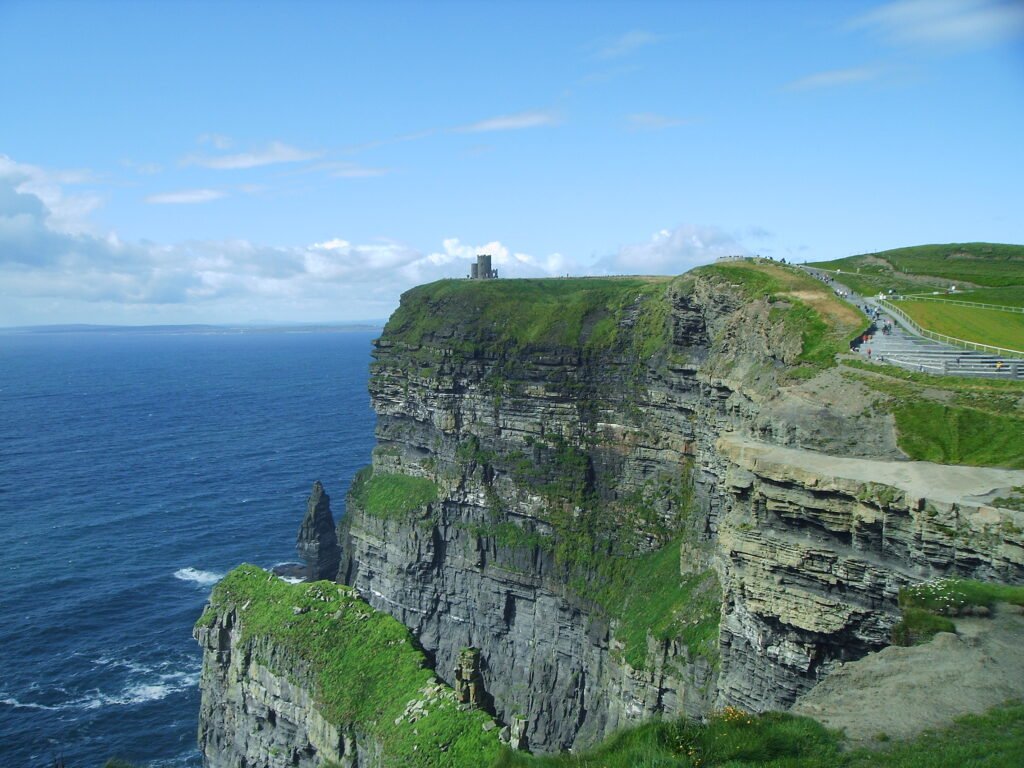
Ireland is a country occupying most of an island of the same name in the North Atlantic, off the northwestern coast of Europe. It is formally known as the Republic of Ireland (in Irish, Éire) and should not be confused with Northern Ireland, which covers the northeastern part of the same island and is a
Ireland: Geography, History, Culture and Key Facts Read More »
Ireland is an island country in northwestern Europe known for its Atlantic coastline, Celtic and literary heritage, and modern globalized economy.
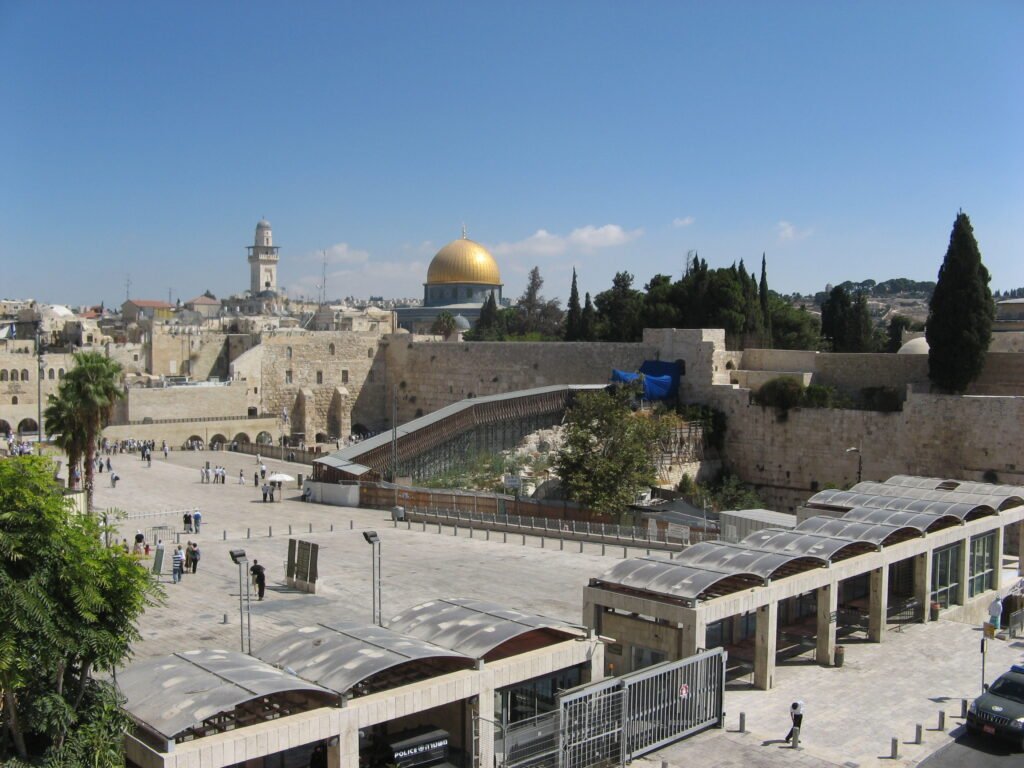
Israel is a country in the Middle East on the eastern shore of the Mediterranean Sea, home to sites central to Jewish, Christian and Muslim religious history and to one of the world’s most prominent technology economies. It sits at the meeting point of Africa, Asia and Europe, a location that has made it a
Israel: Geography, History, Government and Key Facts Read More »
A Middle Eastern country on the eastern Mediterranean whose capital status is internationally disputed, home to sites central to Judaism, Christianity and Islam and a prominent technology sector.
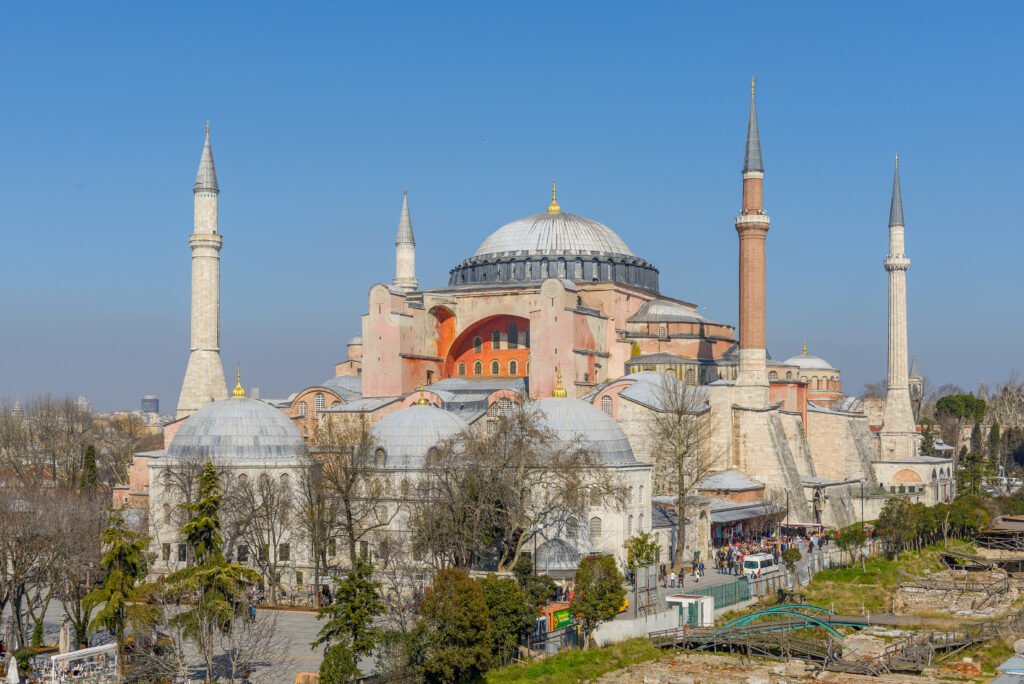
Istanbul is Turkey’s largest city and the only major city in the world built across two continents, straddling the Bosphorus Strait between Europe and Asia. Founded nearly 2,700 years ago as the Greek colony of Byzantion, it later ruled as Constantinople, capital of the Byzantine Empire, before becoming the Ottoman capital in 1453. Where Is
Istanbul: The City on Two Continents Read More »
Istanbul is Turkey's largest city, straddling the Bosphorus Strait between Europe and Asia, formerly Byzantion and Constantinople.
Italy is a country in Southern Europe extending into the Mediterranean Sea, known for the legacy of ancient Rome, the art of the Renaissance, and a culture whose influence on food, fashion and design reaches far beyond its borders. Its capital, Rome, was the seat of one of history’s largest empires and remains one of
Italy: Geography, History, Culture and Key Facts Read More »
A Southern European peninsula and G7 economy, the seat of ancient Rome and the Renaissance, home to more UNESCO World Heritage Sites than any other country.