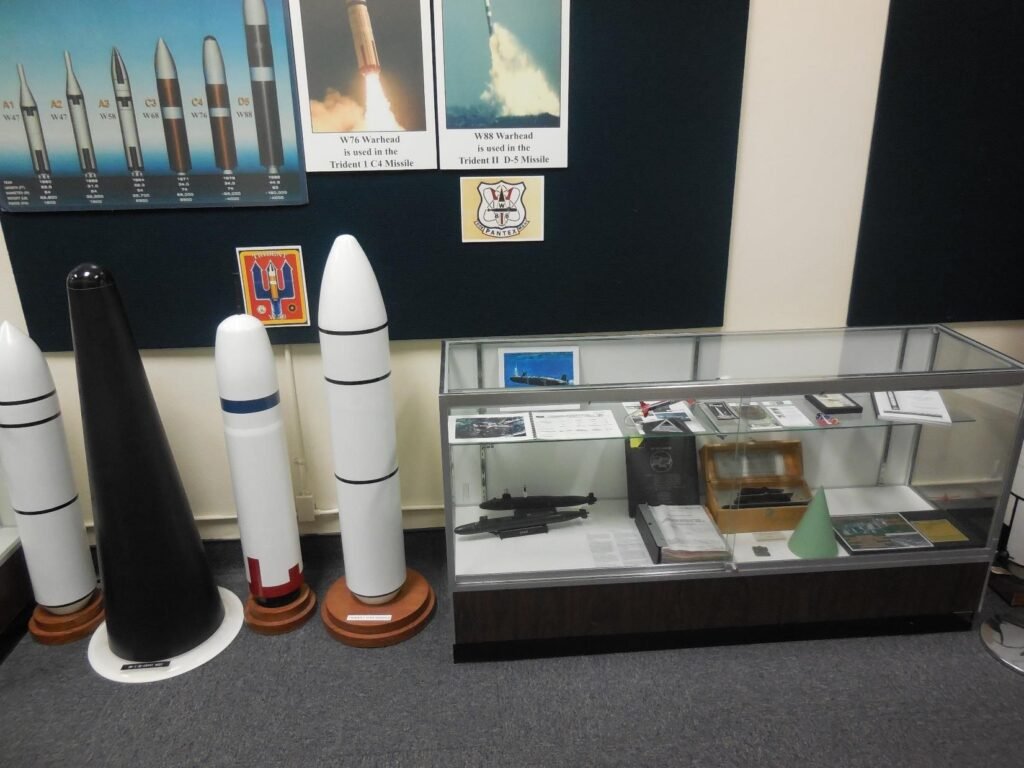
In simple terms A cruise missile is a guided weapon that flies like an aircraft rather than arcing through space. A jet engine drives it for most or all of its flight. It stays inside the atmosphere, follows a route it can adjust, and can be launched from land, ships, submarines or aircraft. How it
Cruise missile Read More »
A cruise missile is an unmanned weapon that flies to its target through the atmosphere, powered the whole way like a small aircraft.
Cumberland School of Law is the law school of Samford University in Homewood, near Birmingham. Founded on July 29, 1847 at Cumberland University in Lebanon, Tennessee, it moved to Samford in 1961 and is described as the 11th oldest law school in the United States.[1][2] Type Private, ABA-accredited law school Parent Samford University Founded July
Cumberland School of Law Read More »
Cumberland School of Law is the law school of Samford University in Homewood, Alabama, founded in 1847 and the 11th oldest in the United States.
Cyberwarfare refers to the use of cyberattacks by or against a state, intended to cause damage comparable to traditional armed conflict, whether through espionage, sabotage of physical infrastructure, propaganda and disinformation, or direct economic harm. Experts disagree sharply over whether the term accurately describes what has actually happened in the real world so far, with
Cyberwarfare Read More »
The use of cyberattacks by or against a state intended to cause damage comparable to armed conflict.
Deterrence theory studies how the threat of retaliation or punishment can convince an adversary not to take an unwanted action in the first place. It is most strongly associated with nuclear strategy, where it describes how the threat of devastating retaliation can discourage a rival state from launching an attack, but the underlying logic applies
Deterrence Theory Read More »
A theory studying how the threat of retaliation can discourage an adversary from taking an unwanted action.
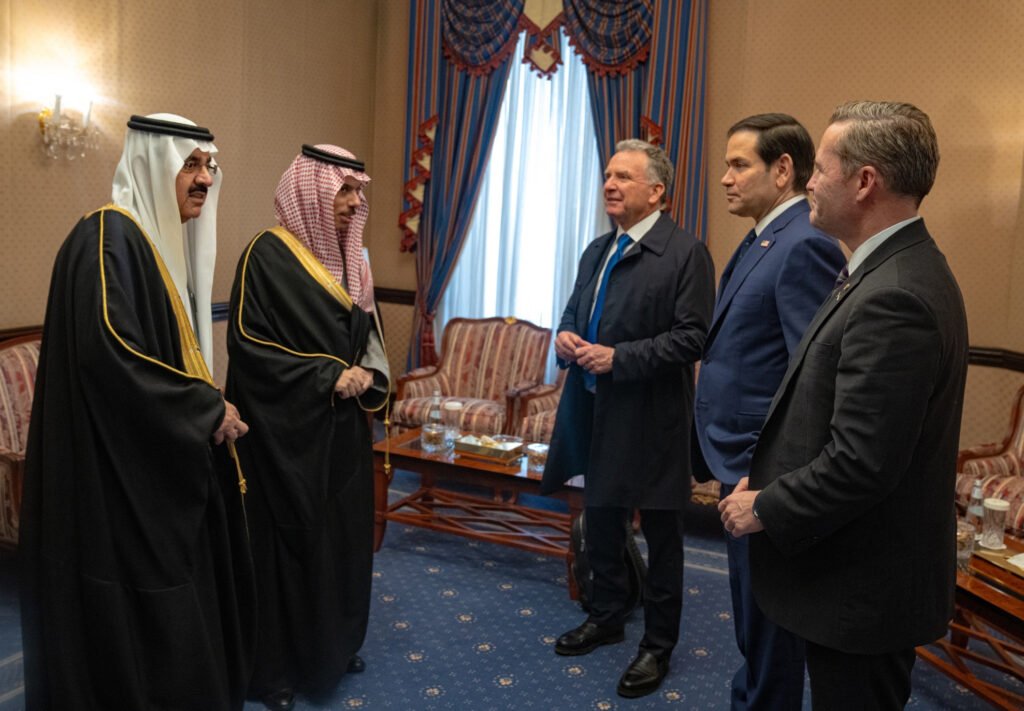
Diplomacy is the practice of conducting negotiations and maintaining relations between states, international organizations, and other political actors through official representatives rather than through force. It is the primary instrument through which foreign policy gets carried out day to day, and most of the treaties, trade agreements, and alliances that structure international affairs are the
Diplomacy Read More »
The practice of conducting negotiations and maintaining relations between states through official representatives.
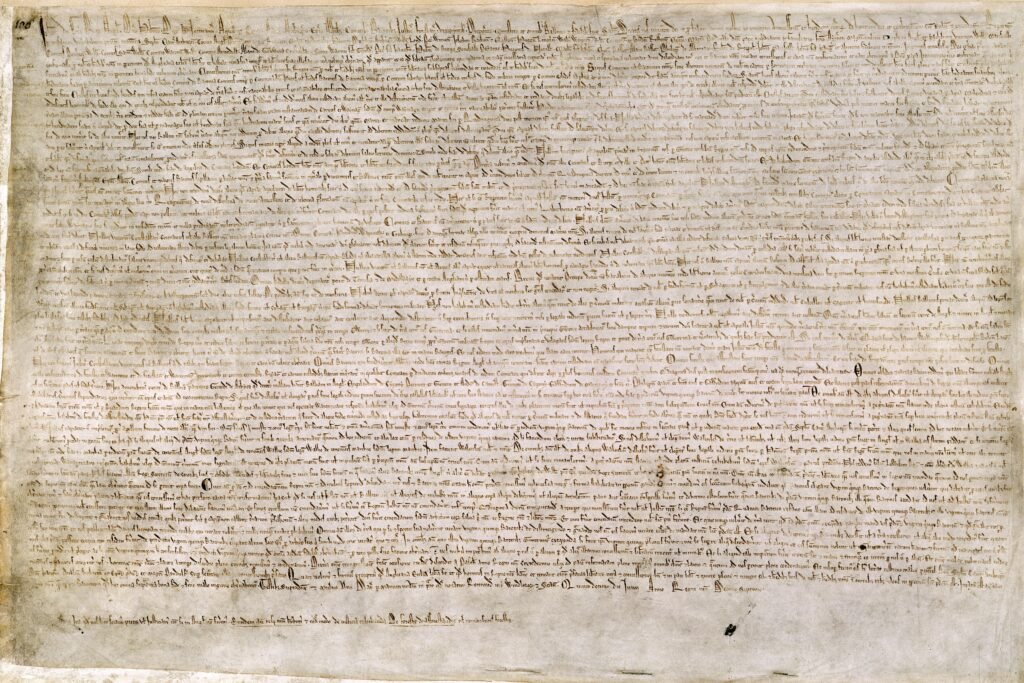
Due process is the principle that government must follow fair, established legal procedures before depriving a person of life, liberty, or property, and that it must apply the law consistently and predictably rather than arbitrarily. It functions as a check on government power, balancing the state’s authority to act against the individual’s right to fair
Due Process Read More »
The principle that government must follow fair, established legal procedures before depriving a person of life, liberty, or property.
An electoral system is the set of rules that determines how votes are cast, counted, and converted into seats or offices. These rules decide who may vote, how candidates qualify for the ballot, how ballots are marked, and crucially, the formula used to turn vote totals into winners. The same underlying preferences among voters can
Electoral System Read More »
The set of rules that determines how votes are cast, counted, and converted into seats or offices.
Environmental policy is the commitment by governments, international bodies, or organizations to adopt laws, regulations, and other tools aimed at managing pollution, waste, natural resources, biodiversity, and the broader health of ecosystems. Its underlying goal is to shape human activity so that economic and social life does not inflict unacceptable harm on the natural systems
Environmental Policy Read More »
Government commitment to laws and tools managing pollution, resources, and ecosystem health.
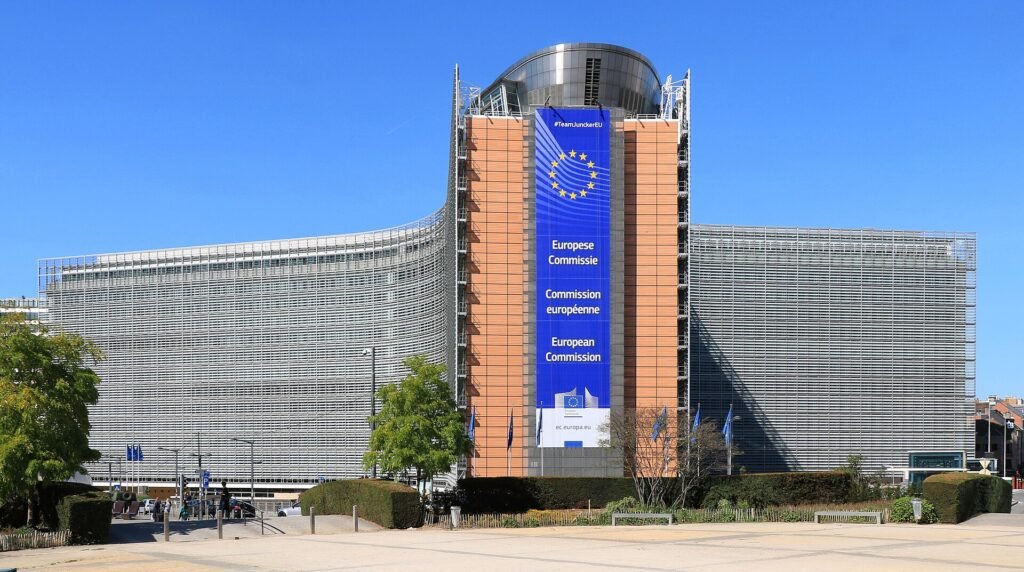
The European Union, or EU, is a political and economic union of 27 European countries that share common institutions, a single market and, for many members, a common currency. It grew out of the European Coal and Steel Community of 1951 and was formally created by the Maastricht Treaty, signed on 7 February 1992. Its
European Union Read More »
The European Union is a political and economic union of 27 European countries with a single market, shared institutions and a common currency for many members.
In simple terms An executive order is a written instruction from the president of the United States to the federal government. The National Archives calls these official documents, numbered consecutively, through which the president manages the operations of the federal government. It is not a law passed by Congress. It directs the executive branch. How
Executive order Read More »
An executive order is a numbered written directive from the US president telling federal agencies how to act, within powers granted by law.